Table of Contents >> Show >> Hide
- What Happened in the Viral Storyand Why So Many People Reacted
- Why Friends Say Things Like This: The Psychology Behind the Judgment
- How This Kind of Commentary Harms People and Relationships
- What Supportive Friends Should Do Instead
- If You’re the Person Being Judged: How to Protect Your Peace and Your Relationship
- What This Story Really Reveals About Culture (Not Just One Friend Group)
- Experiences Related to This Topic (Composite, Real-World Patterns People Commonly Describe)
- Conclusion
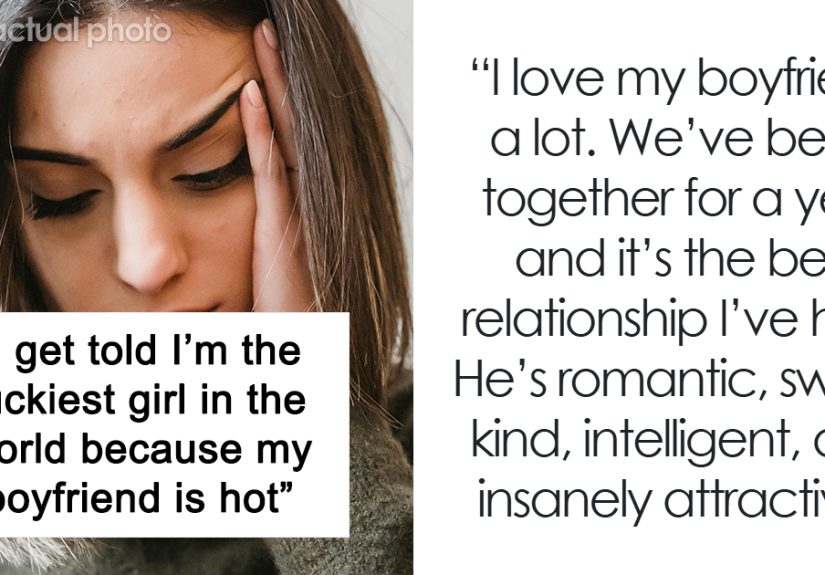
Every so often, the internet serves up a story that makes people collectively say, “Wait… are we really still doing this?” This is one of those stories. A viral post about a plus-size woman dating a conventionally attractive, “model-looking” boyfriend sparked a flood of opinionsnot about whether the couple was kind, compatible, or happy, but about whether she was “good enough” for him based on appearance alone.
And that, right there, is the problem.
When friends act like a relationship is a public audition judged by a panel of self-appointed romance referees, it reveals something deeper than “just concern.” It points to body bias, social comparison, and a very old myth: that love should be sorted by looks, as if attraction is a math equation and humans are trading cards.
This article breaks down why stories like this hit such a nerve, what the psychology says about weight stigma and relationship judgment, and what supportive friends should do instead of handing out cruel commentary disguised as honesty. We’ll also talk about boundaries, self-esteem, and how couples can protect their relationship when outside opinions get loud.
What Happened in the Viral Storyand Why So Many People Reacted
The headline story centers on a woman who felt deeply hurt after learning that people around her, including friends, talked about her relationship as if she were “lucky” simply because her boyfriend was very attractive. The underlying message wasn’t subtle: they believed he was out of her league and that she should be grateful he chose her.
That kind of comment can sound casual on the surface (“Wow, you’re so lucky!”), but in context it can carry a sting: You don’t belong with him. It reframes a relationship as charity instead of mutual affection, and it turns one partner into a prize while reducing the other to an exception.
Why did this story resonate? Because a lot of people have lived some version of it. Maybe not with the exact same details, but with the same script:
- Someone comments on a partner’s looks as if that’s the main metric that matters.
- Friends or family imply one person “won” the relationship.
- The person being judged starts questioning themselves instead of questioning the rudeness.
It’s a surprisingly common social dynamic, especially when weight bias or beauty standards are involved. And yes, it can happen even inside friend groups that otherwise seem loving and supportive. People can be funny, loyal, and still carry some truly outdated beliefs about who is “supposed” to date whom.
Why Friends Say Things Like This: The Psychology Behind the Judgment
The “League” Myth Is a Social Story, Not a Law of Nature
The idea of dating “leagues” is popular because it’s simple, dramatic, and easy to gossip about. Unfortunately, it’s also wildly reductive. Real attraction includes humor, emotional safety, communication style, shared values, chemistry, life goals, kindness, and timing. In other words: human stuff.
But people often rely on shortcuts when judging others. One of those shortcuts is social comparisonmeasuring people (and relationships) against visible markers like looks, status, or popularity. Once someone starts thinking in that framework, they may treat a couple like a mismatched pair on paper, even if the couple themselves is thriving.
That mindset also says more about the observer than the couple. People who are anxious about status, image, or social approval may project those fears onto other relationships. Translation: sometimes the loudest critics are really narrating their own insecurities.
Weight Stigma Doesn’t Stay in “Big” PlacesIt Shows Up in Everyday Relationships
Many people think of weight stigma as something that happens in media or healthcare settings. It does happen there, but it also shows up in everyday conversations, jokes, family comments, and friend-group “banter.” That matters because repeated social slights can shape how someone sees themselves and how safe they feel in relationships.
When a plus-size woman is told she’s “not good enough” for a partner, the insult is doing two things at once:
- It questions her worth.
- It assumes the relationship’s value can be ranked by body size and conventional attractiveness.
That’s not harmless teasing. It’s a form of body-based social policing. And it can create a painful mental loop: What if they’re right? What if I am being judged every time we walk into a room?
Sometimes “Concern” Is Just Bias Wearing a Sweater
Let’s be honest: some people package mean comments as concern because “I’m worried about you” sounds nicer than “I’m uncomfortable with your happiness.” If friends are actually concerned about a relationship, they should be talking about respect, communication, control, isolation, or dishonestynot whether one partner is too hot for the other.
A healthy friendship supports your well-being. It does not run performance reviews on your face.
How This Kind of Commentary Harms People and Relationships
It Can Erode Self-Esteem and Increase Internalized Shame
Even confident people can be shaken by repeated comments about their appearance or “deservingness.” Self-esteem is not a magical shield. If someone hears the same message often enoughfrom friends, social media, family, or strangersthey may start internalizing it.
That can look like:
- avoiding photos with a partner,
- overanalyzing how others look at them in public,
- feeling anxious when a partner posts about the relationship,
- assuming compliments are pity,
- withdrawing emotionally to avoid rejection before it happens.
In other words, a cruel outside comment can become an inside narrator. And that narrator is exhausting.
It Can Spill Over Into the Relationship Itself
Weight stigma and body-based criticism don’t just affect the person being targeted; they can also affect the couple dynamic. Outside judgment can create tension, misunderstanding, or emotional distance, especially if one partner doesn’t fully realize how much the comments are hurting the other.
For example, a supportive boyfriend might say, “Ignore them,” meaning wellbut if the person who was targeted feels humiliated, “ignore it” can land like “your pain is inconvenient.” The better move is empathy first, strategy second.
Couples under social pressure sometimes start arguing about the wrong thing (photos, outings, social events) when the real issue is shame and fear caused by outside opinions.
Social Media Can Turn a Bad Comment Into a Full-Day Mood
Modern life gives comparisons excellent Wi-Fi. One awkward comment from a friend can quickly get amplified by scrolling through polished couple photos, “relationship goals” posts, and algorithm-fed beauty standards. Suddenly a private insecurity feels like a giant flashing billboard.
That doesn’t mean social media is always bad. It can also offer support, body-neutral messaging, and communities that challenge harmful stereotypes. But if someone is already feeling judged, endless comparison content can pour gasoline on a spark.
What Supportive Friends Should Do Instead
Compliment the Relationship, Not the Ranking
If you’re a friend and you truly want to be supportive, skip comments that imply one person “won” the couple. Try these instead:
- “You two seem really happy together.”
- “He clearly adores you.”
- “I love how comfortable you both are around each other.”
- “You make a great team.”
Notice the difference? These comments focus on connection, not a fake attractiveness scoreboard.
Check Your Bias Before You Speak
If someone’s first reaction to a couple is “How did she get him?”, it’s worth asking why. Is it because you assume thinness equals value? Because media trained you to expect only certain bodies as romantic leads? Because you’ve internalized your own fear of being judged?
That self-check matters. Bias that goes unexamined often becomes “normal conversation.” And normal conversation can still cause real harm.
Be the Friend Who Protects, Not the Friend Who Performs
Friend groups sometimes reward snark. The fastest joke wins, and empathy gets labeled “too serious.” But when someone is being reduced, mocked, or subtly insulted, the genuinely cool move is to shut it down.
You don’t need a TED Talk. A simple line works:
- “That’s not funny.”
- “Let’s not talk about her like that.”
- “He’s with her because he wants to be. End of story.”
Congratulationsyou have now done more for humanity than at least three group chats this week.
If You’re the Person Being Judged: How to Protect Your Peace and Your Relationship
1) Name the Harm Clearly
Instead of minimizing what happened (“Maybe I’m overreacting”), try naming it accurately: “Those comments were disrespectful and body-shaming.” Clear language helps you respond to the actual problem instead of arguing with yourself about whether you’re “too sensitive.”
2) Talk to Your Partner Without Translating Your Pain Into Anger
Try a direct, grounded script:
“I’m not upset with you. I’m upset by what people are saying about us. It makes me feel embarrassed and less secure, and I need supportnot just reassurance that they’re wrong.”
This gives your partner a roadmap. Most supportive partners want to help; they just don’t always know what kind of help actually lands.
3) Set Boundaries With Friends Who Keep Crossing the Line
Boundaries can be calm and firm:
- “Don’t comment on my body or my relationship like that.”
- “If you keep making those jokes, I’m leaving the conversation.”
- “I’m not discussing whether I’m ‘good enough’ for my partner. That topic is closed.”
And if they keep going? Distance is not drama. Distance is data.
4) Rebuild Self-Trust in Practical Ways
When outside comments shake your confidence, focus on evidencenot insults. Ask yourself:
- How does my partner treat me when no one is watching?
- Do I feel respected, heard, and valued?
- Am I changing myself to avoid criticism, or am I living like myself?
Healthy relationships are built on consistency, not audience approval. If your relationship is respectful and mutual, random opinions don’t get veto power.
What This Story Really Reveals About Culture (Not Just One Friend Group)
The viral story isn’t just about one cruel comment or one messy friend group. It reflects a broader cultural habit of ranking womenespecially plus-size womenby how “believable” their romantic relationships look to outsiders. It’s part beauty standard, part social hierarchy, part internet performance culture.
And it’s worth pushing back on, because these narratives affect real lives. They shape confidence, influence dating behavior, and can make people tolerate disrespect because they feel “lucky” someone chose them. That is a terrible bargain.
Everyone deserves a relationship where they feel wanted, not “granted.” Everyone deserves friends who celebrate their joy instead of auditing it. And everyone deserves to exist in public with a partner without being treated like a surprising plot twist.
Experiences Related to This Topic (Composite, Real-World Patterns People Commonly Describe)
One common experience people describe is the “compliment that isn’t really a compliment.” It sounds like, “Wow, he’s gorgeousyou got so lucky,” said with a laugh and a raised eyebrow. On paper, it seems harmless. In real life, it can feel like someone just stamped your forehead with temporary approval. The person hearing it may smile in the moment and then replay it later, wondering if everyone in the room sees the relationship the same way.
Another pattern is photo anxiety. A woman may feel perfectly happy with her partner during dinner, errands, road trips, and quiet nights at homebut freeze the second a group photo gets posted online. Suddenly she’s not thinking about the memory; she’s thinking about comments, comparisons, and whether people will treat their relationship like a spectacle. Sometimes she declines photos entirely, not because she’s ashamed of her partner, but because she’s tired of being analyzed.
People also talk about the strange social whiplash of being respected privately and doubted publicly. In private, the partner is affectionate, consistent, and proud. In public, friends or acquaintances act shocked, overly curious, or weirdly patronizing. That contrast can make the targeted person feel like they are living two versions of the same relationship: the real one, and the one other people invent.
Then there’s the “friend group test.” Some friends adjust quickly when corrected and genuinely apologize. Others double down with “We were just joking,” which usually means they want the benefits of closeness without accountability. Many people say this is the moment everything becomes clear: the issue is no longer one comment, but whether the friendship has enough respect to survive honesty.
A healthier experienceone that many people say changed everythingis when a partner responds with steady empathy instead of instant problem-solving. Not “Ignore them,” but “That was cruel. I see why that hurt. How do you want us to handle it?” That kind of response can reduce shame immediately because it confirms the problem is the comment, not the person.
Finally, a lot of people describe a turning point: they stop trying to convince everyone else that their relationship is valid. They focus on people who treat them with dignity. They curate their social media, set boundaries, and choose friends who don’t confuse cruelty with honesty. It’s not always dramatic. Sometimes it looks like fewer group hangs, more peace, and a relationship that gets stronger once the commentary fades. And honestly? That sounds less like “charity” and more like what love and self-respect are supposed to feel like.
Conclusion
The biggest takeaway from this story is simple: attraction is personal, relationships are relational, and outsiders don’t get to decide someone’s worth based on body size or appearance. When friends say a plus-size woman isn’t “good enough” for her model boyfriend, they’re not telling the truththey’re revealing bias.
If you’ve been on the receiving end of comments like these, remember this: a healthy relationship is not measured by whether strangers approve of how you look together. It’s measured by respect, care, trust, honesty, and the freedom to be fully yourself. Anyone who can’t honor that may not be protecting your happinessthey may be competing with it.