Table of Contents >> Show >> Hide
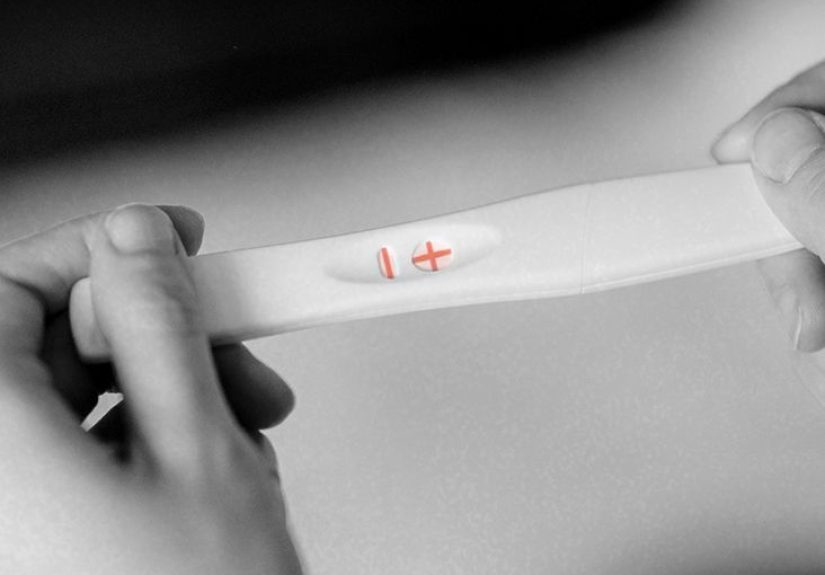
There are few moments more nerve-wracking than staring at a tiny plastic stick, waiting for lines to appear. When that line shows up positive, your brain can start planning baby names in about 0.3 seconds. So when a doctor later tells you, “You’re actually not pregnant,” it can feel confusing, heartbreaking, and frankly a little unfair.
This is what’s known as a false-positive pregnancy testwhen the test says you’re pregnant, but you’re not actually carrying a viable pregnancy. It’s rare, but it happens for a handful of very specific reasons. Understanding those reasons can help you make sense of what happened, ask better questions, and know what to do next.
Let’s walk through what’s going on behind that little pink line, the most common causes of a false-positive, and how to protect yourself from unnecessary emotional whiplash.
How home pregnancy tests work
Most home pregnancy tests work by detecting human chorionic gonadotropin (hCG), a hormone your body makes during pregnancy. After a fertilized egg implants in the uterus, hCG levels begin to rise and roughly double every few days in early pregnancy.
When you pee on the test (or dip it in a cup of urine, depending on the brand), the testing strip looks for hCG. If enough is present, the chemicals on the strip change color, and you see a second line, a plus sign, or the word “pregnant” on digital tests.
In theory, it sounds simple: hCG equals pregnant, no hCG equals not pregnant. In reality, life and biology are messier. Six big things can mimic hCG, keep it hanging around, or mess with the test so it looks positive when there’s no ongoing pregnancy.
6 possible causes of a false-positive pregnancy test
1. User error and evaporation lines
Let’s start with the most commonand most annoyingculprit: user error. No shade; these tests are tiny, time-sensitive science experiments, and they’re often taken when you’re stressed, half-asleep, or in a bathroom at work.
The biggest issue is not following the instructions exactly. Each brand is slightly different, but they all care about two things:
- How long you let the test sit before you read it.
- How you collect the urine and how long it’s in contact with the strip.
If you read the test too late, you might see something called an evaporation line. That’s a faint, colorless or grayish line that shows up as the urine dries on the test strip. It can look like a very faint positive, especially under certain bathroom lighting that seems specifically designed to confuse people.
Common user-related causes include:
- Reading the test after the recommended window (for example, 10–30 minutes later instead of 3–5 minutes).
- Using an expired test, which can behave unpredictably.
- Using too much or too little urine, which can interfere with how the dye runs along the strip.
- Storing tests improperly (like in a hot car or steamy bathroom cabinet).
How to avoid it: Always check the expiration date, read the instructions like you’re defusing a bomb, and set a timer so you read the result exactly when the box saysnot earlier, not later.
2. Testing soon after a pregnancy loss
Sometimes a test is “false-positive” only in the sense that it doesn’t match what’s happening right now. That can happen if you’ve recently been pregnant, even very briefly.
After any pregnancywhether it’s a full-term birth, a surgical abortion, a medical abortion, or an early miscarriageyour body needs time to clear hCG from your system. That can take days to weeks, depending on how far along the pregnancy was.
Two specific situations can lead to confusing results:
- Recent miscarriage or abortion: hCG may still be present for a while after the pregnancy ends. If you take a test during this “cooling-off” period, it can still show positive even though you’re no longer pregnant.
- Chemical pregnancy: This is a very early pregnancy loss that happens before about 5 weeks. You may get a positive test, then your period (or what looks like a period) arrives, and later tests turn negative as hCG drops.
In these cases, the original positive test wasn’t really “wrong”you probably were briefly pregnantbut there’s no ongoing pregnancy. Emotionally, though, it can absolutely feel like a false-positive, especially if you didn’t realize a chemical pregnancy was even possible.
What to do: If you had a positive test and then start bleeding, have strong cramping, or see later tests turn negative, reach out to a healthcare professional. It’s important to rule out conditions like an ectopic pregnancy and to make sure you’re safe.
3. Fertility medications and other drugs that affect hCG
Some medications can cause true false-positives because they contain hCG or interfere with how tests detect it. This is especially common in people going through fertility treatment.
Drugs that can cause false-positive pregnancy tests include:
- Fertility medications that contain hCG, such as certain “trigger shots” used to help eggs mature and release (for example, brands like Pregnyl, Novarel, Profasi, or Ovidrel).
- Rarely, some medications used for other medical conditions that cross-react with pregnancy test antibodies.
If you’ve recently had an hCG “trigger shot,” there may be enough leftover hormone in your system to turn a test positive, even if implantation never happens. This is why fertility clinics often give very specific instructions about when to test after a shot.
The good news: Most common medicationslike antibiotics, birth control pills, pain relievers, and antidepressantsdo not cause false-positive pregnancy tests. The culprits are usually those directly related to hormones or fertility.
What to do: If you’re in fertility treatment, always ask your provider how long you should wait after an hCG injection before doing a home test, and whether they recommend blood tests instead.
4. Certain medical conditions that raise hCG
In some cases, a positive pregnancy test when you’re not pregnant can be a clue that something else is going on medically. A few health conditions can produce hCG or cause test interference, including:
- Ovarian cysts or tumors that secrete hCG.
- Gestational trophoblastic disease, a rare group of conditions involving abnormal growth of cells in the uterus that make high levels of hCG.
- Some cancers, such as certain ovarian or other reproductive cancers, that can produce hCG.
- Severe kidney disease or urinary issues that affect how hCG is cleared or how the test reads the urine.
These situations are uncommon, but they’re exactly why a persistent positive testespecially with unusual symptoms or without any chance of pregnancyshould always be checked out by a healthcare professional. Sometimes the test is your body’s way of saying, “Hey, we need to look closer.”
What to do: If you’re getting positive tests but are sure you can’t be pregnant (no recent sex that could cause pregnancy, prior hysterectomy, or menopause), see a healthcare professional promptly for blood work and follow-up testing.
5. Perimenopause, menopause, and pituitary hCG
Surprise: your pituitary glanda tiny hormone factory in your braincan also make small amounts of hCG, especially during perimenopause and menopause. That can sometimes nudge a very sensitive test into the “positive” range, even though there’s no pregnancy.
During perimenopause and menopause, levels of other hormones, like follicle-stimulating hormone (FSH) and luteinizing hormone (LH), shift significantly. In some people, low-level hCG production from the pituitary is part of that hormonal reshuffle.
Most home tests are designed to detect higher levels of hCG, so pituitary hCG usually isn’t enough to cause a bold, unmistakable line. But in certain casesespecially with super-sensitive testsit may lead to a faint positive that doesn’t really signal a pregnancy.
Clues this might be the cause include:
- You’re in your 40s or 50s and having irregular periods or hot flashes.
- There’s no recent sexual activity that could lead to pregnancy.
- Blood tests show mildly elevated hCG along with high FSH levels consistent with menopause.
What to do: If you’re near or past menopause and a home test is positive, don’t panicbut don’t ignore it either. Your clinician can run blood tests and interpret the results in the context of your age, symptoms, and other hormone levels.
6. Lab errors and rare “phantom hCG” issues
Even in the best labs, technical issues can occasionally cause false positives. Blood pregnancy tests can be affected by:
- Heterophile antibodies (antibodies in your blood that accidentally react with parts of the test and mimic hCG).
- Very rare cross-reactions with other substances in the blood.
- Sample mix-ups or technical errors (also rare, but labs are still run by humans and machines, not robots from a sci-fi movie… yet).
When an hCG blood test is repeatedly positive but ultrasound and other exams show no pregnancy, clinicians may suspect “phantom hCG.” In those cases, they often repeat the test using a different lab method, compare urine and blood results, or perform additional hormone tests.
What to do: If something just doesn’t add upyour hCG numbers don’t match your ultrasound, or you keep getting conflicting resultsask whether further testing or a repeat test using another method might be helpful.
How common are false-positive pregnancy tests?
The good news: false-positive tests are relatively rare. Most home pregnancy tests are highly accurate when used correctly and at the right time in your cycle. The more common problem isn’t false-positives, but false-negatives (testing too early when hCG is still very low).
Still, when false-positives do happen, they can have a huge emotional impact. That’s why it’s so important to follow up with a healthcare professional, especially if you have symptoms that don’t match the test result, or if you’re unsure about what’s going on.
How to reduce your risk of a false-positive result
You can’t control everything (if only), but you can stack the odds in your favor. Here are ways to reduce the chances of a confusing result:
- Wait until after your missed period. Early testing means lower hCG levels and more room for error.
- Use first-morning urine. It’s more concentrated and more likely to give a clear, accurate result.
- Follow instructions exactly. Time the test, use the correct method (midstream vs. dip), and read results within the recommended window.
- Check expiration dates. An expired test is basically a tiny piece of unreliable plastic drama.
- Know your medications. If you’re on fertility treatments or any medication that might affect hCG, ask your provider when and how to test.
- Confirm with a clinician. If the result doesn’t match your symptoms or you’re unsure, book an appointment for a blood test or follow-up.
When to call a healthcare professional
Reach out to a healthcare professional if:
- You get a positive test but have severe pain, shoulder pain, dizziness, or heavy bleeding (possible ectopic pregnancy or other emergency).
- You’ve had a positive test, then start bleeding and aren’t sure if it’s a period or something else.
- You have repeated faint positives with no clear pattern.
- You’re perimenopausal, postmenopausal, or certain you couldn’t be pregnant but your test is positive.
They may order blood work, repeat tests, or imaging like an ultrasound. It’s not about “not trusting” your home testit’s about getting the full picture of what your body is doing.
Experiences and emotions: living through a false-positive
A false-positive pregnancy test isn’t just a lab glitch or a hormone issueit’s an experience. And often, it comes with a lot of feelings: excitement, confusion, grief, guilt, frustration, even anger at your own body or that tiny test stick.
While every person’s story is unique, many experiences fall into a few common patterns. Understanding these can help you feel less alone if you’re going through something similar.
“My test was positive… then my period came.”
Imagine this: You’ve been trying to get pregnant for months. One morning, you finally see a faint second line on the test. You take a photo. You maybe tell your partner. Maybe you start doing mental math about due dates.
A few days later, you start spotting. Then the spotting becomes a heavier bleed that feels like a strong period. You take another test and it’s negative. Your doctor explains that you most likely had a chemical pregnancya very early loss.
Medically, some people brush this off as “just an early loss.” But emotionally, it can feel like you had a tiny, fragile hope placed in your hands and then taken away immediately. It’s completely valid to grieve that, even if the pregnancy was only days or weeks along.
Some people find it helpful to:
- Talk openly with a partner or trusted friend about what happened and how it felt.
- Give themselves permission to feel sad, even if others minimize it.
- Ask their clinician whether anything needs to be checked medically before trying again.
“I wasn’t trying to get pregnant, and the positive test scared me.”
Not everyone is hoping for a positive test. For some, that second line can feel like a lightning boltpanic, fear, a sudden mental slideshow of life changes they’re not ready for.
When that result later turns out to be false, the relief can be hugebut so can the emotional hangover. You may feel:
- Relieved that your life isn’t about to change in a huge way.
- Annoyed that you went through all that stress for “nothing.”
- Confused about your feelings, especially if part of you felt oddly disappointed.
This experience can sometimes be strangely clarifying. Some people realize they’re more open to pregnancy than they thought. Others confirm that they really do want to avoid pregnancy right now and use the experience as motivation to revisit contraception or discuss long-term options with a clinician.
“I’m older and thought I was done with pregnancy tests.”
For people in their 40s or 50s, a positive pregnancy test can feel like a glitch in the universe. You might think, “There’s no way. That has to be wrong.” When a clinician later tells you that your pituitary gland or perimenopausal hormone shifts likely caused a false-positive, it can bring both relief and more questions.
This experience often sparks deeper conversations about:
- What’s normal during perimenopause or menopause.
- Whether any additional health screenings are needed.
- How to interpret symptoms like irregular bleeding, hot flashes, or breast tenderness.
It may also bring up unexpected emotions about fertility, aging, and the phase of life you’re entering. Again, it’s okay to have feelings that don’t fit neatly into “happy” or “sad.” Human emotions rarely read the instruction manual.
“The test felt like a betrayal.”
No matter your age or situation, a false-positive can feel like your bodyor the testplayed a cruel joke on you. That’s especially true if you’ve been trying to conceive for a long time, experienced infertility, or had previous losses.
Some ways people cope include:
- Switching to having pregnancy tests done in a clinic instead of at home to avoid the lonely bathroom stress.
- Setting boundaries about when to test (for example, only a few days after a missed period, or only when recommended by a provider).
- Seeking support from online communities or in-person groups where others understand the emotional roller coaster.
If your mental health is taking a hittrouble sleeping, constant anxiety, feeling hopeless or overwhelmedit’s absolutely worth talking to a mental health professional. Reproductive experiences, even very early ones, can be emotionally heavy.
Moving forward after a false-positive
After a false-positive pregnancy test, you may wonder if you can ever trust another stick again. The answer is yes, with a few caveats:
- Use reliable brands and follow instructions carefully.
- Test at the right point in your cycle and confirm unexpected results with a clinician.
- Remember that a test is just one piece of information, not the full story of your health or your future.
Most importantly, be gentle with yourself. A false-positive isn’t your fault, and it doesn’t mean you did anything wrong. It’s a side effect of how complex, powerful, and occasionally chaotic human biology can be.
If you’re unsure what your result means, or if something doesn’t match how you’re feeling physically, don’t hesitate to reach out to a healthcare professional. That little plastic stick is just the beginning of the conversationnot the final verdict.