Table of Contents >> Show >> Hide
- Can You Really Renovate a Bathroom for Under $2000?
- What Makes This Budget Work
- A Realistic Budget Breakdown
- The Best Places to Spend and Save
- High-Impact Upgrades That Make the Room Feel New
- What Usually Blows the Budget
- Do Not Ignore Moisture, Ventilation, or Old-House Safety
- A Smart Step-by-Step Plan
- What an Under-$2000 Bathroom Should Look Like
- Real-World Experiences From Budget Bathroom Renovators
- Conclusion
Bathrooms have a sneaky talent for acting expensive. You walk in thinking, “I’ll just swap a few things,” and five minutes later you’re pricing marble tile like you secretly own a yacht. The good news? A full bathroom reno for under $2000 is absolutely possible in the right room, with the right strategy, and with zero interest in moving plumbing just because a design show made it look easy.
Let’s be honest from the start: this is not a luxury gut remodel. It is a smart, highly visual, budget bathroom renovation that transforms the whole room without demolishing every last thing in sight. That means keeping the layout, working with a small bathroom, using DIY labor where it makes sense, and choosing affordable materials that look cleaner, brighter, and far more expensive than they are. In other words, this is less “tear the house apart” and more “make the room look like it finally has its life together.”
Can You Really Renovate a Bathroom for Under $2000?
Yes, but only if you define the project correctly. A true gut remodel with new plumbing lines, custom tile work, a brand-new tub or shower, professional labor, permits, and surprise subfloor drama will blow past this number fast. A realistic under-$2000 bathroom remodel is a makeover-driven renovation: new paint, updated vanity, new faucet, fresh mirror, improved lighting, a budget toilet if needed, affordable flooring, new hardware, clean trim, fresh caulk, and a deep focus on moisture control.
That may sound like a compromise, but in practice it is often exactly what older bathrooms need. Most outdated bathrooms do not look bad because the room is beyond saving. They look bad because the finishes are tired, the colors are wrong, the lighting is dim, the storage is awkward, and the details scream “builder grade, circa who-knows-when.” Change those things, and the room can feel brand new.
What Makes This Budget Work
1. Keep the layout exactly where it is
The fastest way to turn a budget bathroom remodel into a financial crime scene is to move the toilet, sink, or tub. Once plumbing moves, labor jumps. Once labor jumps, your budget waves goodbye from the driveway. Keeping the existing layout protects your money and also simplifies the timeline.
2. Focus on surfaces, not structural changes
You do not need a new room. You need the room to feel new. Paint the walls. Refinish or replace the vanity. Swap the faucet. Replace the mirror. Upgrade the light fixture. Refresh hardware. Re-caulk the tub and sink. Patch ugly drywall spots. Install affordable waterproof flooring. These updates change what people actually notice.
3. Save labor for the work you can safely do yourself
A small bathroom is one of the best places to stretch a DIY budget because the square footage is tiny. One gallon of paint goes a long way. One vanity can change the whole room. A few boxes of flooring can cover the entire floor. That said, anything involving complicated electrical work, serious plumbing problems, or hidden water damage is where calling a licensed pro is money well spent.
A Realistic Budget Breakdown
Here is what a practical small bathroom renovation budget can look like when you shop carefully and avoid expensive materials:
- Paint, primer, roller covers, tape, patch, and supplies: $120–$180
- 24-inch or 25-inch budget vanity with top: $280–$360
- Bathroom faucet: $30–$80
- Mirror: $80–$120
- Vanity light fixture: $50–$100
- Toilet replacement if needed: $100–$200
- Waterproof vinyl plank or similar budget flooring: $100–$180
- Hardware, towel bars, toilet paper holder, hooks: $60–$120
- Caulk, silicone, trim pieces, outlet cover, misc. finishing items: $100–$180
- Contingency fund: $250–$350
Total target: about $1,170 to $1,870 before tax, or up to roughly $2,000 with a realistic cushion for those “why is there a hole behind this mirror?” moments.
If your existing toilet is fine, keep it and replace only the seat, supply line, and wax ring if needed. If your vanity cabinet is solid, paint it instead of buying new. If the mirror is plain but not damaged, add a frame kit or paint the wall around it to make it feel intentional. That is how tight budgets survive.
The Best Places to Spend and Save
Spend on the vanity
The vanity is the visual anchor of a small bathroom. Even a basic 24-inch or 25-inch model with a clean top can make the room feel far more updated than a builder-grade relic with peeling laminate and one drawer that only opens if you sweet-talk it. In a small space, one good-looking vanity does a lot of heavy lifting.
Save on flooring
This is not the place for dramatic imported stone unless your wallet recently won a scholarship. Waterproof vinyl plank flooring and other budget-friendly resilient options can look surprisingly good, install quickly, and hold up well in a bathroom when edges and wet areas are sealed properly. In a tiny room, flooring costs stay manageable because you are covering so little square footage.
Spend on better lighting
Lighting is one of the cheapest ways to make a bathroom feel upgraded. An old strip light can make the room look like a witness interview. A simple modern vanity light in black, nickel, or brass instantly gives the room structure and style. Good lighting also makes paint colors, mirrors, and finishes look better.
Save by refinishing instead of replacing
If the tub is stained but structurally sound, refinishing or reglazing is often dramatically cheaper than replacement. The same logic applies to vanity cabinets, wall tile in decent shape, and even some countertops. Replacement is not always the smartest flex. Sometimes the smartest move is to stop tearing things out and start making them presentable.
High-Impact Upgrades That Make the Room Feel New
Paint everything the right color
Paint is the MVP of budget home improvement. Soft white, warm greige, muted sage, pale blue-gray, or a creamy neutral can make a small bathroom feel clean, bright, and less claustrophobic. Use a finish that handles moisture well, especially on trim and vanity surfaces. And please retire that mystery beige from 2004. It has done enough.
Swap the faucet and hardware
Nothing dates a bathroom faster than a tired faucet and mismatched hardware. A budget-friendly faucet in brushed nickel, matte black, or chrome can make even a modest vanity look intentional. Matching the faucet, drawer pulls, towel hook, and toilet paper holder creates a cohesive designer look without designer pricing.
Replace the mirror
A basic framed mirror adds polish fast. If the existing mirror is glued to the wall and refuses to leave peacefully, frame it instead. A mirror upgrade is one of those small changes that makes people say, “Wait, did you redo the whole bathroom?” which is exactly the kind of confusion you want.
Upgrade the toilet only if the old one is inefficient or ugly
A water-efficient toilet can improve function and lower water use, but it is not mandatory if the current one works well and looks clean. Budget bathroom design is all about ruthlessly separating “needs replacing” from “I got inspired on the internet.”
Re-caulk and seal everything
Fresh caulk around the tub, vanity backsplash, sink, and baseboards is not glamorous, but it makes the bathroom look cleaner and better maintained. More important, it helps manage moisture. Bathrooms are tiny steam rooms with feelings. They need sealing.
What Usually Blows the Budget
If you want a bathroom remodel on a budget, watch out for these classic money traps:
- Moving plumbing fixtures
- Full shower or tub replacement
- New tile surround installation
- Custom glass shower doors
- Hidden water damage behind walls or under flooring
- Electrical upgrades that require new wiring
- Impulse purchases that look “high-end” but eat the contingency fund alive
This is why budget bathroom planning matters so much. Before you buy anything, inspect for leaks, soft spots near the toilet, peeling paint, mold, failed caulk, damaged subfloor, or a bathroom fan that makes noise but does not actually vent moisture outside. A gorgeous new mirror will not fix a damp room that keeps breeding mildew like it pays rent there.
Do Not Ignore Moisture, Ventilation, or Old-House Safety
A cheap bathroom renovation should never become a future repair bill. If the room has poor ventilation, fix that before spending money on decorative upgrades. A functioning exhaust fan, proper exterior venting, and consistent moisture control do more for a bathroom’s long-term success than trendy accessories ever will.
Likewise, if you are working in an older home, especially one built before 1978, be careful when sanding, scraping, or disturbing painted surfaces. Lead-safe practices matter. Budget remodeling is supposed to save money, not create a cleanup problem that costs you more later.
If you find active leaks, persistent mold, soft subfloor, or damaged drywall from repeated moisture exposure, pause the beauty work and fix the problem first. Pretty paint over a wet wall is not renovation. It is denial with a color swatch.
A Smart Step-by-Step Plan
- Empty the room and inspect every surface.
- Fix leaks, moisture issues, and fan problems first.
- Set the budget and reserve a contingency fund.
- Choose one finish family for metals and one tight color palette.
- Patch walls, sand rough spots carefully, and prep thoroughly.
- Paint the walls, trim, and vanity if reusing it.
- Install flooring.
- Replace vanity, faucet, mirror, and light fixture.
- Swap out hardware and accessories.
- Re-caulk, clean, style, and pretend you always had excellent taste.
What an Under-$2000 Bathroom Should Look Like
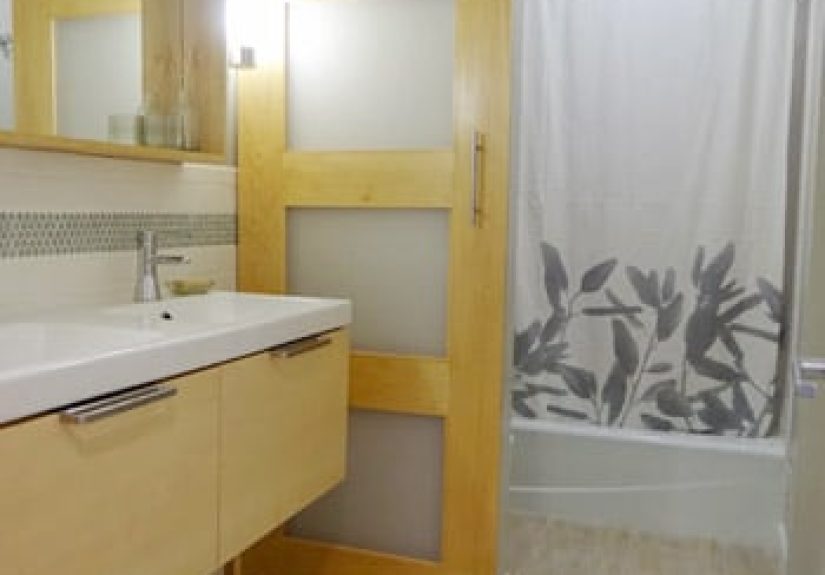
The finished room should feel brighter, cleaner, and more intentional. Think fresh walls, a vanity with closed storage, a simple mirror, updated lighting, clean lines, sealed edges, and flooring that looks modern without trying too hard. It should not feel overloaded with decor or crowded by giant storage towers. Small bathrooms reward restraint.
The best budget bathroom ideas are not about cramming in more stuff. They are about removing visual noise. One fresh vanity beats three little baskets of chaos. One clean paint color beats four trendy accents fighting for custody of the room. One good light fixture beats apologies about how the bathroom “looks better in person.”
Real-World Experiences From Budget Bathroom Renovators
One of the most common experiences people report after doing a bathroom reno on a tight budget is surprise at how much of the transformation came from boring tasks. Not the dramatic “before and after” moment. Not the shiny faucet. Not the mirror selfie reveal. The real difference usually came from patching the walls correctly, scraping old caulk, cleaning every surface, sealing gaps, and painting with patience instead of rage. In other words, the glamorous part of the project was often carried by the least glamorous work.
Another frequent experience is that budget renovators become accidental minimalists. Once you only have two thousand dollars to work with, every choice has to earn its place. People stop buying random accessories and start asking smarter questions. Does this vanity give me storage? Does this light make the room brighter? Does this paint color make the tile less ugly? Does replacing the mirror make more impact than replacing the sink? Tight budgets force clarity, and clarity usually leads to better design.
Many homeowners also discover that the emotional arc of a cheap bathroom remodel is wildly unpredictable. Day one feels exciting. Day three, after the old hardware is off and the room looks worse than before, feels like a mistake. Day five, when paint goes up and the vanity arrives, hope returns. Day seven is usually spent searching for a missing screwdriver while questioning every life decision that led to caulking corners at 10 p.m. Then, suddenly, it clicks. The room looks finished. The mirror reflects light. The faucet works. The bathroom no longer feels like a neglected utility closet. It feels cared for.
There is also a practical satisfaction that comes from making smart compromises. People often start out wanting new tile, a new tub, fancy sconces, and a floating vanity that belongs in a boutique hotel. Then the math shows up. So they pivot. They keep the tub, refinish what they can, install affordable flooring, choose a simple vanity, and focus on a clean, cohesive look instead of an expensive one. In many cases, they end up happier because the finished room is functional, easy to clean, and not weighed down by trendy decisions they would have regretted later.
Budget renovators also talk a lot about learning where cheap is fine and where cheap is chaos. A basic mirror? Fine. Affordable towel hooks? Totally fine. The absolute cheapest paint, caulk, or moisture-prone materials in a bathroom? That can backfire fast. The lesson is not to buy the most expensive product in every category. It is to buy the right product in the categories that protect the room from humidity, daily wear, and water exposure.
And perhaps the most relatable experience of all: once the project is done, people almost always say the bathroom feels bigger, even when they did not add a single square inch. That is the magic of a well-planned small bathroom remodel. Better light, cleaner lines, less clutter, and a brighter palette trick the eye in the best possible way. No walls moved. No luxury budget appeared from nowhere. Just smart decisions, solid prep, and the deeply satisfying realization that a tired bathroom can absolutely become one of the nicest-looking rooms in the house without draining your savings account.
Conclusion
A full bathroom reno for under $2000 is not about pretending labor and materials are cheap in 2026. They are not. It is about understanding where money matters, where it does not, and how to get a dramatic result by improving the things people actually see and use every day. If you keep the layout, control moisture, use affordable finishes, and put your budget into the vanity, paint, flooring, lighting, and details, a small bathroom can look dramatically better without turning into a financial horror story.
The secret is simple: renovate with discipline, not delusion. Keep what still works. Replace what drags the room down. Seal everything. Light it well. Paint it like you mean it. And remember, a bathroom does not need to be extravagant to feel fresh, functional, and surprisingly good-looking.