Table of Contents >> Show >> Hide
- Why a Throw Blanket Counts as an “Accessory” (Not Just a Nap Helper)
- Meet Adrienne Rogers: A Fiber Artist Who Knits Like a Landscape Photographer
- The Adrienne Rogers Look: Muted Palettes, Big Texture, Quiet Drama
- A Mini “Collection Tour”: Materials, Scale, and What They’re For
- How to Style a Hand-Knit Throw Without Making Your Sofa Look Like It’s Trying Too Hard
- Buying Guide: Choosing the Right Hand-Knit Throw for Your Space
- Care and Keeping: How to Not Ruin an Heirloom Throw
- Commissioning and Collecting: What to Expect With Adrienne Rogers-Style Textiles
- Is It Worth It? The Value Math of a Hand-Knit “Accessory”
- Extra: of Real-World Experiences With Adrienne Rogers-Style Hand-Knit Throws
There are two kinds of throw blankets in the world: the “I grabbed this at checkout” kind and the “this is basically wearable architecture for my sofa”
kind. Adrienne Rogers lives unapologetically in the second category.
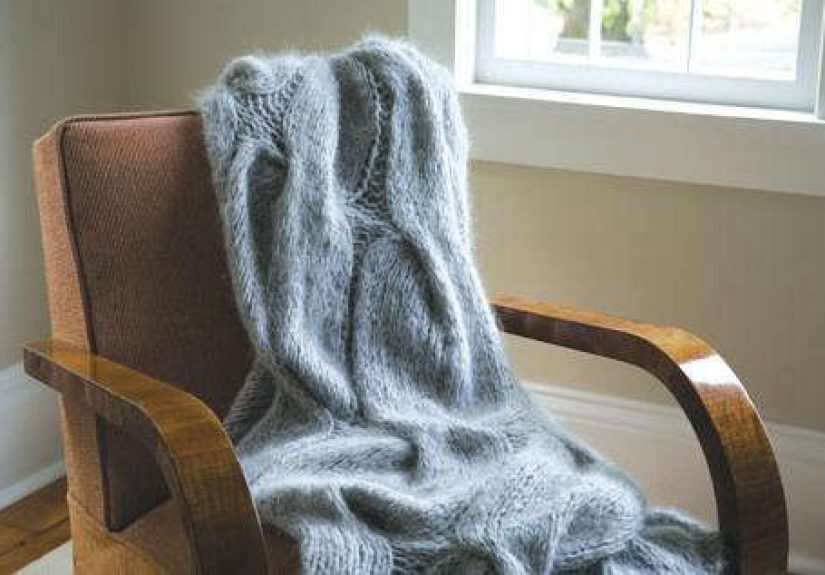
If you first met her work through Remodelista’s spotlight on her hand-knit throws and blankets, you already know the vibe: muted, nature-inspired colors;
textures that look like they’re doing something (rippling, shadowing, sculpting); and that rare “functional art” energy that makes a room feel instantly more
consideredwithout trying too hard and accidentally becoming a showroom.
In this article, we’re going deep: who Adrienne Rogers is, what makes her textiles different from ordinary “cozy throws,” how to style them like you actually
live in your home, and how to care for heirloom-level knit pieces without turning laundry day into a tragic origin story.
Why a Throw Blanket Counts as an “Accessory” (Not Just a Nap Helper)
In interior design, accessories aren’t the “extra” stuff; they’re the personality stuff. They’re the finishing touches that tell people who lives here:
the texture you choose, the color you repeat, the object you reach for when you want comfort. That’s why a throw blanket is secretly one of the highest-impact
accessories you can buy.
A good throw can do three jobs at once:
- Texture amplifier: it breaks up flat upholstery and smooth bedding with something tactile.
- Color translator: it repeats or introduces a hue without committing to paint.
- Soft “architecture”: it adds drape, depth, and a lived-in silhouette to rigid furniture lines.
Adrienne Rogers’ pieces just happen to do all of that while also looking like they belong in a gallery and your living room.
Meet Adrienne Rogers: A Fiber Artist Who Knits Like a Landscape Photographer
From Toronto to New York, With Needles in Hand
Remodelista describes Adrienne Rogers as a New York fiber artist who hand-knits blankets and throws using needles and a single continuous thread, often in muted
palettes and rich textures inspired by nature (think water, river rocks, and cloudscapes). She learned to knit as a childstarting around age eightfrom her
mother, a weaver and contemporary craft gallery owner. Later, she studied Italian and worked in graphic design before dedicating herself fully to fiber work.
Functional, But Also Sculpture
On her own site, Rogers frames her work as an exploration of materials, pattern, surface, and form through knittingoften blurring the line between “home textile”
and “soft sculpture.” Some pieces use the bed or sofa as a framework; others push knitting into purely artistic territory. In one line that should be printed on a
throw tag and handed out at design parties, she explains her goal as being functional yet also stands alone as a thing of beauty
.
Nature, Light, and the “Shadow Factor”
What makes her work feel so alive is how it interacts with light. The textures aren’t just decorativethey create highlights and shadows, like a landscape at
golden hour. Rogers also notes that she sources luxurious yarns from mills around the world, especially in Italy and Japan, and thinks about how color and pattern
will reflect light and create shadow. Translation: these textiles aren’t just soft; they’re visually active.
The Adrienne Rogers Look: Muted Palettes, Big Texture, Quiet Drama
Plenty of throws are pretty. Fewer throws feel like they have a point of view. Rogers’ work tends to land in that coveted space between minimal and lush:
neutrals and softened tones, but with sculptural stitches that give the surface movement.
If your home leans modern, Scandinavian, Japandi, or “I own at least one chair that looks like a letter,” these throws make sense. They don’t scream. They don’t
sparkle. They just sit there, looking expensive, like they’re waiting for you to notice the details.
A Mini “Collection Tour”: Materials, Scale, and What They’re For
Rogers’ textiles read like a material lover’s travel itinerary: Italian cashmere, Japanese silk, mohair, alpaca, wool, angoraand even Japanese leather in at least
one striking design. Here are a few standout categories, with real examples from her textiles list.
1) Cashmere Throws That Behave Like Calm
Cashmere is the unofficial uniform of “quiet luxury,” and Rogers leans into it with pieces like the Sabbia Throw (Italian cashmere, hand-knit,
60" x 50") and the Seafoam Blanket (Italian cashmere, hand-knit, 80" x 100"). These dimensions matter: the smaller size is great
for a sofa drape or reading chair; the larger one can actually act like a true blanket layer on a bed.
Styling note: cashmere reads refined even when casually tossed. It’s basically the cheat code for “I’m cozy, but make it polished.”
2) Silk + Mohair: The “Cloud Texture” Category
If you’ve ever wanted a textile that looks like it was designed by wind, meet combinations like Japanese silk and mohair. On her list you’ll see
the Wave Cable Blanket (Japanese silk and mohair, hand-knit, 60" x 60") and Lace Honeycomb variations (Japanese silk and
mohair, hand-knit, 60" x 60" and 60" x 80").
These are great when you want texture to do the decorating. Even in a monochrome room, that kind of surface detail reads as intentional designnot clutter.
3) Angora and Wool: Bigger Scale, Bigger Mood
For those who want their throw to feel like a statement piece, there’s the Dark Seas Blanket (Italian angora and wool, hand-knit, 75" x 100").
That size can cover the foot of a bed with authority, drape dramatically over a sofa, or become the “nobody touch this, it’s art” blanket you keep folded on a bench.
4) Alpaca + Wool (and Sometimes Felt): Warmth With Structure
The Tundra Throw (alpaca and wool, hand-knit and hand-felted, 60" x 80") signals something important: Rogers doesn’t treat knitting as a single
technique. She combines processes when it supports the final texture. Alpaca-wool blends often read plush but sturdyideal for people who actually use throws every day.
5) The Wildcards: Leather, Long Runners, and “Textile as Object”
Not all throws are meant to be folded into a neat rectangle. Consider the Nautical Throw (Italian cotton, hand-knit, 12" x 100")a long, narrow
piece that behaves like a runner for a bed, bench, or even a console. Or the Shadow and Light Throw (Japanese leather, hand-knit, 55" x 90"),
which pushes the idea of “soft textile” into something more sculptural and fashion-adjacent.
How to Style a Hand-Knit Throw Without Making Your Sofa Look Like It’s Trying Too Hard
Use One of Three “Drape Personalities”
Most styling advice boils down to this: your throw can look tidy, casual, or effortless-chaotic-in-a-good-way. Design publications often describe
a few go-to methods: neatly folded for a clean look, a relaxed drape for casual comfort, or a looser “pinch-and-toss” vibe when you want it to feel lived-in.
- The Tailored Fold: fold into thirds and drape over the back or arm of the sofa for clean lines.
- The Corner Waterfall: let one corner fall over the armrest so texture becomes the focal point.
- The Casual Pile: fold once, then let it slump slightly (the key is “slightly,” not “laundry chair”).
Layer Your Bed Like You’re Building a Cozy Sandwich
For beds, the easiest formula is: solid or subtle base layer + statement throw on top. If your throw is smaller than the bed width,
it can still look intentional when placed diagonally or across the lower third. Many stylists recommend finishing a bed with a throw specifically to add texture and
personality, even if the bedding is simple.
Let the Throw Do the “Art” Job in a Neutral Room
If your room is mostly oatmeal, cream, warm gray, or muted stone (no shamethose colors photograph beautifully and hide snacks), a richly textured throw is a strong way
to add depth without adding visual noise. Even a single textile can function like a piece of art when it has enough surface interest.
Buying Guide: Choosing the Right Hand-Knit Throw for Your Space
Hand-knit throws are not “one size fits all.” Here’s how to pick like a calm, rational adult (even if you’re emotionally attached to the word mohair).
Start With Scale (Because Size Is the Difference Between “Styled” and “Random Towel”)
- Chair throw: smaller sizes like 60" x 50" can drape neatly without swallowing the furniture.
- Sofa throw: 60" x 80" or larger reads generous and cozy (and is more likely to cover actual humans).
- Bed layer: 75" x 100" or 80" x 100" behaves like a real blanket, not a decorative accent pretending to help.
Match Fiber to Lifestyle
Different fibers have different personalities:
- Cashmere: buttery soft, luxe, can pill with friction (worth it anyway).
- Mohair blends: airy, halo-like texture, often dramatic in light, sometimes sheds a little.
- Wool blends: durable, warm, good structure, tends to hold shape.
- Alpaca: warm, plush, often strong and less “scratchy” than some wools.
- Cotton: crisp and practical, great for runners or warmer climates.
Texture Is Your Shortcut to “Designed”
Here’s a simple rule: if your furniture is smooth (leather, linen, tightly woven upholstery), pick a chunkier or more dimensional knit. If your furniture already has
heavy texture (bouclé, nubby linen, lots of weave), choose a throw with pattern definitioncables, ribbing, geometric repeatsso it reads intentional rather than messy.
Care and Keeping: How to Not Ruin an Heirloom Throw
The biggest mistake people make with luxury knits is treating them like a basic fleece blanket. The goal is to clean gently, refresh often, and wash rarely
unless there’s a spill or heavy use.
Refresh First: The “Between Washes” Routine
- Air it out: a good shake and fresh air can do more than you think.
- Brush lightly (for wooly fibers): a soft garment brush can lift surface dust and revive the look.
- Steam carefully: gentle steam can help remove wrinkles and freshen fibers without full washing.
If You Must Wash: Cold Water, Gentle Handling, Dry Flat
Many textile care experts repeat the same core rules: use cool or cold water, use a mild detergent, avoid harsh agitation, never wring, and avoid heat drying. If the
item is hand-knit (especially chunky or sculptural stitches), machine drying is the fastest route to stretching, shrinking, or distortion.
Practical tips that actually work:
- Spot clean first: dab, don’t rub.
- Soak gently: let water do the work instead of scrubbing fibers.
- Rinse thoroughly: leftover detergent can make fibers feel stiff and dull.
- Press out water with towels: sandwich the throw between towels and pressno twisting.
- Dry flat: reshape as needed and let it dry slowly with airflow.
Storage: Think “Breathable and Protected,” Not “Shoved in a Plastic Bin of Doom”
Store luxury knits clean and dry, folded rather than hung (hanging can stretch the knit over time). If moths are a concern, use protective storage methods and keep
textiles in a cool, dry place. Bonus: if you display throws in baskets, you get storage and styling in one move.
Commissioning and Collecting: What to Expect With Adrienne Rogers-Style Textiles
Rogers’ site explicitly invites inquiries for availability, commissions, and pricingbecause these pieces often function like art objects as much as home goods. In
practice, that usually means:
- Made-to-order timelines: some listings for her work indicate lead times that can range from weeks to months, depending on complexity and demand.
- Material sourcing: she mentions sourcing luxury yarns from mills, particularly in Italy and Japanso fiber choice is part of the story.
- Customization: size, color, and stitch pattern can become part of the commission conversation.
If you’re commissioning a piece, ask smart questions:
- Where will it livesofa, bed, bench, chairand what size makes the most sense?
- Do you want the textile to blend in (tone-on-tone) or stand out (contrast texture or deeper color)?
- How do you plan to use it: decorative layer, daily warmth, or “special occasion cozy”?
- What care routine is recommended for the specific fiber and stitch structure?
Is It Worth It? The Value Math of a Hand-Knit “Accessory”
A hand-knit throw at this level isn’t an impulse buy. It’s closer to buying a piece of furnitureor art. But value isn’t only about price; it’s about what changes in
your space when you add it.
Here’s the honest value equation:
- Daily impact: you see it every day, touch it often, and it changes the mood of the room.
- Longevity: well-cared-for natural fibers can last for years, even decades.
- Design flexibility: you can move a throw from room to room, season to seasonlike a portable mood upgrade.
- Heirloom factor: the more “crafted” something is, the more it tends to hold meaning (and sometimes resale or collectible value).
Extra: of Real-World Experiences With Adrienne Rogers-Style Hand-Knit Throws
Let’s talk about the part design articles don’t always admit: living with a gorgeous hand-knit throw is a series of tiny, oddly satisfying moments. The first one
happens when you drape it on your sofa and suddenly your entire living room looks like it has a plan. Not “I cleaned for company” energymore like “I have opinions
about texture” energy.
Then comes the tactile phase. People don’t just see these throws; they reach for them. A guest sits down, pauses, and does that slow hand sweep across the
surface like they’re checking if the blanket is real. (It is. And now you’re proud. Slightly smug. Understandably.)
Over time you notice how the throw behaves in different light. In the morning, the stitches look crisp and architectural, almost geometric. At night, with lamps on,
the texture gets softermore shadow, more depth, more “is this my house or a boutique hotel suite?” If you’ve got a silk-and-mohair style piece, the halo can look
cloudlike, which is a poetic way of saying you’ll catch yourself staring at your blanket while holding coffee. This is normal. We support you.
The practical experiences are real, too. You learn your household’s “blanket etiquette” fast. If you have pets, your throw becomes a magnet for cozy creatures with
zero awareness of retail value. If you have kids, you discover the exact moment snacks meet textiles (and you suddenly become the world’s calmest, fastest spot-cleaner).
If you live with someone who thinks every blanket can be thrown in the dryer, you will have The Talk. Possibly with diagrams.
There’s also the styling rhythm that develops. On weekdays, you may keep it folded neatly for visual calm. On weekends, it becomes a casual drape that signals “we live
here and we are comfortable.” And in winter, it transforms into your favorite accessory in the truest sense: the thing you grab without thinking because it makes life
feel better in ten seconds.
The funniest part is how a throw like this changes your standards. After a while, the cheap fleece blanket starts to feel like a scratchy apology. You don’t become
high-maintenance; you just become…texture-literate. You start noticing the difference between “soft” and “alive,” between a flat weave and a stitch that creates shadow.
And you realize the real luxury isn’t just cashmere or mohairit’s the experience of using something made slowly, thoughtfully, and beautifully, every single day.