Table of Contents >> Show >> Hide
- What Exactly Is the Old-Fashioned Fly Swatter from Garret Wade?
- Why This Tiny Household Accessory Still Matters
- The Science Behind the Swat
- How to Use an Old-Fashioned Fly Swatter Like a Pro
- Design, Craft, and Why This Version Feels Different
- Where This Accessory Fits in a Modern Home
- Old-Fashioned vs. Modern Alternatives
- Care and Maintenance Tips for Longer Life
- Who Should Buy This Accessory?
- Final Take
- Experience Journal: 500 Extra Words on Living with the Old-Fashioned Fly Swatter
Some tools are flashy. Some are smart. Some connect to apps, update firmware, and probably have a podcast.
Then there is the old-fashioned fly swatter: humble, mechanical, and brutally effective in exactly one job.
And honestly? That is part of its charm.
In a world full of ultrasonic gadgets, plug-in traps, and sprays with warning labels that read like legal thrillers,
the classic long-handled fly swatter still earns countertop respect. The Garret Wade (often spelled “Garrett Wade” by
the brand itself) old-fashioned style has become a small cult favorite because it blends usefulness with character.
It is an accessory, yesbut also a daily-use object that can look good, feel right in the hand, and solve an annoying
summer problem in two seconds.
This guide takes a deep, practical look at why this accessory works, what makes it different from discount-bin plastic
swatters, how it fits into an integrated pest control strategy, and how to use it effectively without turning your kitchen
into a slapstick crime scene. We will also cover design details, real-life routines, and a longer “experience” section
at the end for readers who enjoy the lived-in side of home tools.
What Exactly Is the Old-Fashioned Fly Swatter from Garret Wade?
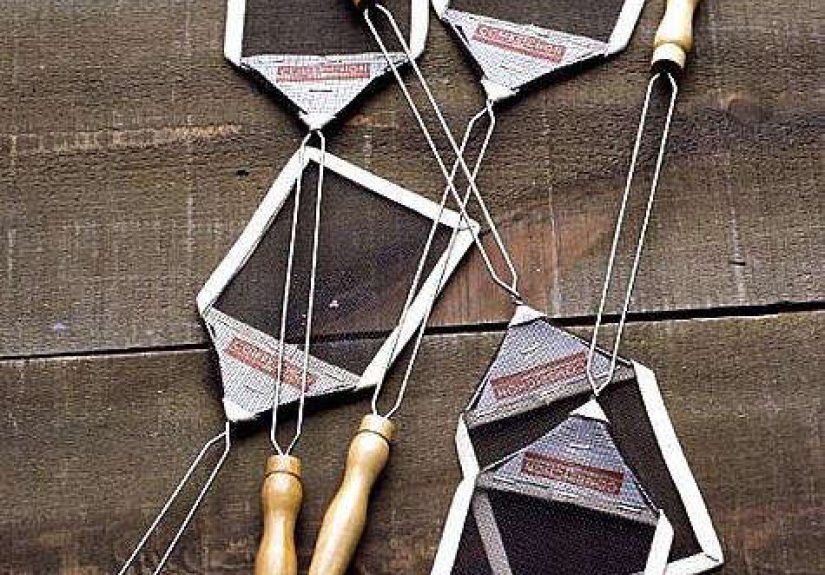
The product commonly associated with Garret/Garrett Wade is a long-handle, old-school fly swatter format with a
flexible striking head and narrow wire neck, built for quick motion and reach. Recent listings describe a
“Really Old-Fashioned Fly Swatter” style with a beech handle around 20 inches and a flap around 5 inches,
made in Germany, with options sold individually or in multipacks.
Read that again: long handle, light head, springy neck. That geometry is why these feel better than stiff,
short, dollar-store swatters. Instead of your wrist doing all the work, the swatter’s shape helps transfer speed
and snap at the tip. It is the same reason old hand tools often feel “alive” in usethey are designed around hand
mechanics, not just manufacturing cost.
Why This Tiny Household Accessory Still Matters
1) It solves the right problem in the right way
Most homes do not need heavy chemical treatment every time a fly appears. For occasional indoor flies, a direct,
nonchemical mechanical method is often the fastest and cleanest option. If you can remove the insect immediately,
you reduce nuisance without adding indoor pesticide residue or fragrance.
2) It supports IPM, not “spray first” habits
U.S. integrated pest management guidance consistently emphasizes sanitation, exclusion, and breeding-site reduction first,
then targeted control tools as needed. A fly swatter fits that model perfectly: low-cost, precise, and immediate.
In other words, it is not old-fashioned because it is outdated; it is old-fashioned because it still matches best practice.
3) It is a tactile object in a disposable era
Good accessories feel intentional. A well-made swatter is one of those “small joys” objects: satisfying grip,
balanced swing, and a design that looks like it belongs next to a wooden brush and a brass dustpannot buried in
a random junk drawer under old batteries and mystery cable adapters.
The Science Behind the Swat
House flies are not just annoying; they are drawn to waste and decaying organic material and can move between those
sources and human environments. Public guidance and extension resources repeatedly note that fly populations grow quickly
when breeding sites remain available, especially in warm conditions.
Translation for normal humans: if there are crumbs, damp organic matter, open trash, pet waste, or funky drains,
flies throw a tiny rooftop party and invite cousins.
The swatter’s role is adult knockdown. It does not replace prevention. It complements it. Think of your strategy as:
deny breeding + block entry + remove stragglers. The old-fashioned swatter handles the third part better
than almost anything else at its price point.
How to Use an Old-Fashioned Fly Swatter Like a Pro
Step 1: Track patterns, not just individual flies
One fly is a nuisance. Repeated flies in one room usually signal an attractant or entry point. Check trash lids,
compost bins, recycling residue, pet feeding zones, window seals, and door sweeps.
Step 2: Improve your “zone defense”
Keep screens intact. Close doors promptly. Move outdoor waste away from entry zones if possible. Clean sticky spills fast.
If flies keep appearing near one window or vent, inspect that area first.
Step 3: Use short, controlled strikes
Big dramatic windups look cool in movies and miss in real kitchens. Use a short, quick wrist-driven motion.
Aim slightly ahead of fly movement. The long handle helps reach and angle while keeping your body out of awkward positions.
Step 4: Avoid food prep areas when swatting
Best-practice guidance warns against swatting near exposed food and prep surfaces because insect debris can scatter.
If a fly lands near food prep, remove food, sanitize surfaces, then address the insect.
Step 5: Sanitize and reset
After a successful swat, clean the area and reset your prevention routine. A swatter is tactical; cleanliness is strategic.
You need both if you want fewer repeat visits.
Design, Craft, and Why This Version Feels Different
Garrett Wade built its reputation around practical, heritage-style tools and household objects. That matters because the
old-fashioned fly swatter is not marketed as a novelty; it is sold as a useful, made-to-work home item. The material mix
(wood handle, flexible neck, lightweight flap) is chosen for function first.
Compared with a stiff molded-plastic swatter, the old-school format often gives you:
- Better reach for ceilings, corners, and behind furniture
- More controlled tip speed from a flexible neck
- Less wrist strain during repeated use
- A longer service life when handled properly
- A look that fits rustic, farmhouse, vintage, and utility-core interiors
And yes, there is style value here. Design media has featured classic fly swatters as “functional nostalgia” objects
proof that even pest-control tools can be aesthetically pleasing when they are honest about their purpose.
Where This Accessory Fits in a Modern Home
Kitchen
Store it in a utility crock, pantry hook, or inside a cabinet door. Keep it accessible but not visually loud.
If your home leans minimalist, choose one neutral storage zone and treat it like any other daily tool.
Patio and porch
Outdoor meals are fly magnets. Keep one swatter by the back door for quick response, then back it up with prevention:
covered food, sealed bins, and quick wipe-downs after meals.
Mudroom and garage entry
These thresholds often collect light and odors that attract insects. One swatter in this zone can reduce fly migration
into the rest of the home.
Old-Fashioned vs. Modern Alternatives
Electric bug zappers
Useful in some settings, less ideal around food prep, and often overkill for occasional indoor flies.
Sticky ribbons and baited traps
Can help monitor or reduce numbers, but placement matters and aesthetics are… let’s call it “honest industrial.”
Also, attractant traps may smell unpleasant.
Aerosol sprays
Fast knockdown, but short residual benefit against ongoing breeding sources. Better as occasional backup, not first-line routine.
Old-fashioned swatter
Immediate, targeted, inexpensive, nonchemical, reusable, and quietly effective. If flies are occasional and you maintain
sanitation/exclusion, this is often the highest value-per-dollar option.
Care and Maintenance Tips for Longer Life
- Wipe the striking head and neck regularly with mild soap and water; dry thoroughly.
- Avoid leaving the swatter in direct rain or prolonged high humidity.
- Do not bend the neck backward repeatedly; spring flex is good, over-flex is not.
- Hang it or store flat so the head keeps shape.
- Retire and replace if the striking surface cracks or detaches.
Who Should Buy This Accessory?
Buy the old-fashioned Garret/Garrett Wade style if you value practical tools, prefer low-chemical home routines,
and want something that feels better than disposable plastic. It is especially good for:
- Homes with patios, pets, compost, or frequent open-door traffic
- People who prefer mechanical fixes before chemical options
- Design-minded households that like useful, vintage-leaning accessories
- Anyone tired of missing flies with tiny, flimsy swatters
Final Take
The old-fashioned fly swatter from Garret Wade is the kind of accessory that proves good design does not need to be complex.
It is durable enough to keep, simple enough to use daily, and aligned with modern integrated pest-management thinking:
remove attractants, block entry, and handle occasional intruders quickly.
In short, it is not just a nostalgic object. It is a tiny household system upgrade.
If your current fly strategy is “panic, clap, miss, repeat,” this might be the most satisfying small fix you make all season.
Experience Journal: 500 Extra Words on Living with the Old-Fashioned Fly Swatter
The first week I kept an old-fashioned swatter by the back door, I learned something slightly embarrassing: I had been
overcomplicating fly control for years. I used to chase “perfect” solutionsfancy traps, random sprays, and gadgets that
promised silent, total insect elimination. In practice, most of those tools created one of two outcomes: either they did
too little, or they demanded too much setup for a problem that needed a 3-second response. The swatter changed that rhythm.
Fly enters. Fly lands. Done. The end. No batteries, no odor, no instruction manual with six safety icons.
Over time, it became less about the swatting itself and more about attention. I started noticing where flies appeared:
usually late afternoon, usually near the sink window, and usually after produce scraps sat a little too long in the compost
caddy. Once I moved that caddy routine to a tighter schedule and rinsed recyclable containers before tossing them, the number
of flies dropped dramatically. The swatter still handled occasional visitors, but the bigger win came from prevention.
That pairingprevention plus instant mechanical controlfelt practical and oddly calming. It turned a recurring annoyance
into a manageable household pattern.
There is also a surprising ergonomics angle. A long handle matters more than you think. With short swatters, I used to
overreach and miss high-wall landings. The longer old-school handle improved accuracy because I could keep my balance and
swing in a cleaner line. The flexible neck gave a slight whip at impact, which made hits more reliable without extra force.
I also noticed less wrist fatigue during summer weeks with higher activity. This may sound dramatic for a fly swatter review,
but daily-use tools live or die by comfort. If a tool annoys your hand, you will stop using it.
Guests have commented on it, toousually with a laugh, followed by “Wait, that is actually kind of nice.” That reaction
sums up the accessory value. It does not try to disappear like a cheap plastic item, and it does not scream for attention
like a novelty gadget. It just looks intentional. In a utility corner with a broom, dustpan, and garden scissors, it reads
as part of a coherent home toolkit. Functionally, it earns its keep. Aesthetically, it avoids the “temporary junk” vibe.
For homes where objects need to work and still look decent, that is a real advantage.
My biggest practical lesson is this: do not treat any swatter as your only solution. Use it as your rapid-response layer.
Pair it with sealed trash, cleaner drains, decent screens, and better airflow in problem areas. When those pieces work
together, fly pressure drops and the swatter becomes an occasional tool instead of a daily battle wand. But when a rogue fly
does buzz into your peaceful Tuesday morning coffee moment, having a reliable old-fashioned swatter within arm’s reach feels
like having a tiny superpower. Quiet, analog, slightly satisfyingand extremely effective.