Table of Contents >> Show >> Hide
- A quick refresher: what ADHD affects (and why music can fit)
- The pros: how music lessons can help kids and teens with ADHD
- 1) Structure that doesn’t feel like a cage
- 2) A workout for executive function (without calling it that)
- 3) Rhythm can act like an external “attention rail”
- 4) Emotional regulation and stress relief (the underrated benefit)
- 5) Social connection without forced small talk
- 6) Strength-based wins: creativity, hyperfocus, and identity
- The cons: common challenges (and why they’re not character flaws)
- Types of music activities that tend to work especially well for ADHD
- Rhythm-first activities (great for energy and focus)
- Movement-based approaches (learning through the body)
- Short-loop practice activities (tiny goals, quick wins)
- Improvisation, songwriting, and composition (high engagement, low boredom)
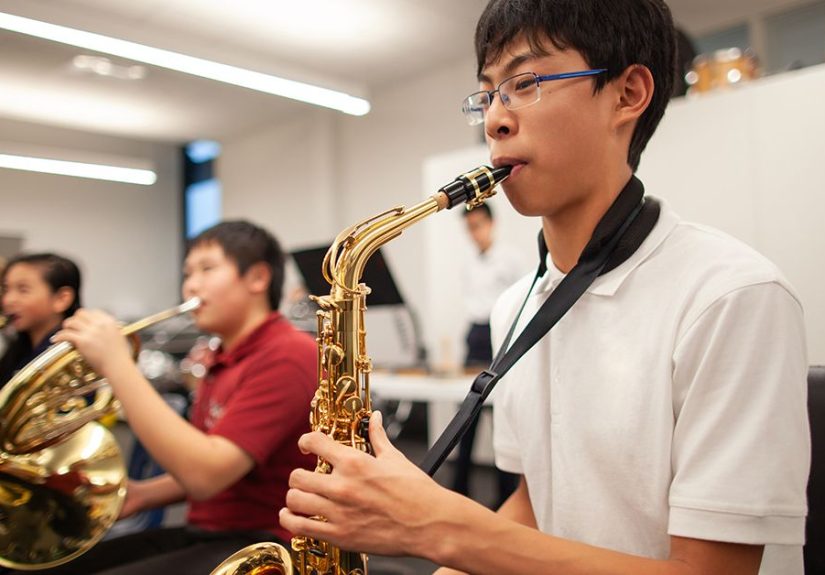
- Ensembles and group lessons (social motivation + shared structure)
- How to make music lessons ADHD-friendly (without turning them into therapy)
- Picking an instrument: matching the tool to the brain
- Music lessons vs. music therapy: what’s the difference?
- A sample ADHD-friendly practice plan (20 minutes, no drama required)
- Common questions
- Conclusion: make music fit the person, not the other way around
- Experiences From the Lesson Room: What ADHD + Music Often Looks Like (Real Life, Not Perfect Life)
- The honeymoon phase: “This is my new personality now”
- The backpack treasure hunt: “My book was here five seconds ago”
- The metronome negotiation: “Do I have to?”
- The perfect-take trap: “If it’s not flawless, it’s awful”
- The hyperfocus surprise: “Wait… it’s been an hour?”
- The ensemble glow-up: “I finally feel like I belong somewhere”
Music lessons can be magic for an ADHD brain… or they can feel like trying to herd cats through a marching band rehearsal.
(Both can be true in the same week.) If you’re a parent, teacher, or student wondering whether music is a smart move with
ADHD in the mix, you’re asking the right question: not “Is music good?” but “Which kind of music experience, with
which supports, for this person?”
This guide breaks down the real-world pros and cons of music lessons for ADHD, plus the most ADHD-friendly types of
activities (from rhythm games to songwriting to ensemble playing). You’ll also get practical strategies to make practice
less like a nightly boss battle and more like a steady, satisfying win.
A quick refresher: what ADHD affects (and why music can fit)
ADHD (attention-deficit/hyperactivity disorder) is commonly associated with inattention, hyperactivity, and impulsivitybut
the day-to-day experience often revolves around executive function: organization, planning, starting tasks, shifting between
tasks, managing time, and regulating emotions. In plain English: it’s not a “lack of effort” issue. It’s a “my brain’s
management software is glitchy” issue.
Music lessons live right at the intersection of structure and creativity. There are rules (rhythm, tempo, patterns),
immediate feedback (that note was… not it), and clear goals (play the chorus cleanly). But there’s also novelty, movement,
emotion, and identitythings ADHD brains tend to latch onto more easily than, say, “complete worksheet, page 7.”
That combo is why music can be a powerful skill-building space when it’s set up correctly.
The pros: how music lessons can help kids and teens with ADHD
1) Structure that doesn’t feel like a cage
Many ADHD learners do best when the “rules of the game” are predictable. Weekly lessons, warm-ups, short practice targets,
and performance dates create a rhythm to the weekwithout requiring the student to invent a routine from scratch (which is
basically the final boss of executive function).
Music also offers a rare form of structure that can feel fun: “Let’s nail this riff” lands differently than “Let’s
do 25 problems.” When the student buys in emotionally, the routine becomes easier to repeat.
2) A workout for executive function (without calling it that)
Music practice uses working memory (hold a pattern in mind), inhibitory control (wait, don’t rush), and cognitive
flexibility (adjust when something isn’t working). Research on music training and executive function is mixed across
studies, but many reviews and meta-analyses suggest modest improvements in skills like inhibition and working memory,
especially with consistent, appropriately designed training.
The big takeaway for families: music lessons are not a “treatment” for ADHD, but they can be a meaningful
training ground for attention and self-management skillsparticularly when lessons are chunked into short,
achievable steps.
3) Rhythm can act like an external “attention rail”
Rhythm is a built-in scaffold. A steady beat gives the brain an external timeline: now-now-now-now. For some ADHD learners,
that helps with pacing, transitions, and staying anchored in the moment. That’s why rhythm-based activities (drumming,
body percussion, clapping games, metronome challenges, beatboxing) can be especially engagingthere’s less “floaty”
unstructured time for attention to drift.
4) Emotional regulation and stress relief (the underrated benefit)
ADHD isn’t only about attention; it often includes frustration tolerance, rejection sensitivity, and big feelings.
Music gives those feelings a safe place to go. Listening to music can support mood and stress management, and
actively making music can be groundinglike turning emotional static into something you can shape.
Bonus: when a student learns a “reset song” (a short piece that reliably calms them), they’re building a coping tool
that’s portable and personal.
5) Social connection without forced small talk
Ensemble experienceschoir, band, orchestra, small groupsoffer belonging, teamwork, and shared goals. Many ADHD students
thrive in music groups because the rules are clear (“come in on measure 17”), and the feedback is immediate and practical.
Social skills develop as a side effect of doing something meaningful together, which can feel easier than
“practice social skills” in the abstract.
6) Strength-based wins: creativity, hyperfocus, and identity
ADHD often comes with bursts of intense interest (hello, hyperfocus). Music can channel that into a skill: composing,
improvising, learning by ear, experimenting with sound, or mastering a favorite song. When the student feels
“I’m good at this,” it can spill over into confidence elsewherebecause competence is a powerful motivator.
The cons: common challenges (and why they’re not character flaws)
1) Practice can become the nightly “initiation task” struggle
Starting practice is often harder than practicing. Time blindness, distractions, and avoidance (especially if the student
feels behind) can turn a 15-minute plan into a 90-minute argument. The student isn’t lazy; the task requires
self-starting, sequencing, and emotional regulationthree things ADHD can make harder.
2) Overstimulation is real
Some students are sensitive to noise, unpredictable sound, or crowded rehearsal environments. Certain instruments,
ensemble rooms, or high-volume practice can increase stress. If a student seems “extra” dysregulated after music,
the environment may need adjustment (ear protection, quieter instruments, smaller groups, shorter sessions).
3) The logistics burden: remembering stuff, showing up ready, staying on tempo
Music has lots of moving parts: sheet music, instrument care, practice tracking, gear, scheduling, and performance prep.
For ADHD learners, the admin side can be harder than the musical side. Without external supports (checklists, visuals,
consistent routines), the “life management” demands can drown out the joy.
4) Perfectionism and shame can sneak in
Many ADHD students have a long history of hearing “try harder” in other areas of life. If music becomes another place
where they feel behind or criticized, they may shut down quickly. A teacher’s tone matters. The goal is progress,
not punishment.
5) Music is not a replacement for evidence-based ADHD care
Music lessons can be supportive, but they’re not a substitute for clinical assessment and evidence-based treatment plans
(which may include behavioral strategies, school supports, andwhen appropriatemedication). Think of music as a helpful
“training and wellbeing” space, not a standalone solution.
Types of music activities that tend to work especially well for ADHD
Rhythm-first activities (great for energy and focus)
- Drumming and percussion: hand drums, practice pads, drum kit basics, bucket drumming
- Body percussion: clap-stomp-snap patterns, call-and-response rhythms
- Metronome games: “stay with the beat,” “freeze on the rest,” “speed up by 2 bpm” challenges
- Beat-making: loop stations, simple groove building, layering rhythms
Why it works: rhythm gives immediate feedback and a “track” to stay on. It’s also naturally movement-friendlywhich can
help a fidgety body stay engaged instead of fighting stillness.
Movement-based approaches (learning through the body)
- Dalcroze-inspired movement: walking the beat, moving for dynamics, “big motion” phrasing
- Orff-style activities: percussion ensembles, speech + rhythm, improvisation with simple instruments
- Kodály-style ear training: singing patterns, solfege games, short melodic “echo” activities
- Hip-hop and beat-based learning: rhythm as structure for learning patterns and phrasing
Why it works: ADHD learners often learn best with multi-sensory input. Movement makes “abstract” musical ideas concrete.
Also: it’s harder to daydream when your feet are literally keeping time.
Short-loop practice activities (tiny goals, quick wins)
- Two-minute sprints: set a timer, repeat one measure with one goal (“even rhythm”) and stop at the beep
- Three-pass rule: Pass 1 = correct notes, Pass 2 = correct rhythm, Pass 3 = musical expression
- “Fix one thing” cards: choose one target (hand position, articulation, dynamics) per mini-session
- Gamified tracking: sticker chart, points toward a favorite song, “level up” badges
Why it works: ADHD brains often respond better to short feedback loops than long, vague sessions. Tiny targets reduce
overwhelm and increase follow-through.
Improvisation, songwriting, and composition (high engagement, low boredom)
- Improvisation prompts: “make a storm,” “write a melody for a sneaky cat,” “solo using 5 notes”
- Songwriting journaling: verse about a day, chorus about a feeling, hook based on a phrase
- Music tech creation: GarageBand-style loops, MIDI keyboards, simple arranging
Why it works: creativity provides novelty and ownership. Students often practice longer when the music feels like
theirs.
Ensembles and group lessons (social motivation + shared structure)
- Small ensembles: duets, trios, chamber groups
- Choir: strong routine, clear cues, community
- Band/orchestra: teamwork, leadership opportunities, consistent rehearsal rhythms
Why it works: external structure and peer energy can boost consistency. Also, it’s easier to show up when people are
counting on you (in a supportive way).
How to make music lessons ADHD-friendly (without turning them into therapy)
For parents: set up the environment for success
- Choose the right teacher: patient, structured, and open to accommodations (not “one way only” teaching).
- Protect the schedule: same day/time if possible; consistency reduces executive-function load.
- Use visual supports: a simple practice checklist and a “where the instrument lives” routine.
- Make practice tiny: start with 10 minutes, not 45. Consistency beats intensity.
- Separate skill from worth: praise effort and strategy (“you tried three tempos”) not just outcomes.
For teachers: teach in chunks, not monologues
- Keep a predictable lesson flow: warm-up → goal 1 → quick break/movement → goal 2 → fun closer.
- Give one instruction at a time: then confirm understanding (“tell me what you’re going to try”).
- Use immediate feedback: short attempts + correction beats long run-throughs with no checkpoints.
- Offer choices: “Do you want to start with rhythm or notes?” Autonomy reduces resistance.
- Design success: pick pieces that balance challenge with quick wins.
Picking an instrument: matching the tool to the brain
There’s no single “best instrument for ADHD,” but different instruments fit different needs:
- Drums/percussion: great for movement, rhythm, and immediate engagement.
- Piano/keyboard: visual layout helps pattern learning; great for composition and tech integration.
- Guitar/ukulele: portable, social, and rewarding for learning favorite songs quickly.
- Voice/choir: no equipment barriers; strong social and emotional expression benefits.
- Woodwinds/brass/strings: wonderful, but may require more patience early onsupport matters.
The best match is often the instrument that produces a satisfying sound early. Early wins keep motivation alive.
Music lessons vs. music therapy: what’s the difference?
Music lessons focus on musical skills: technique, reading, repertoire, performance.
Music therapy is a clinical service led by a credentialed music therapist, using music-based interventions
to support health goals (like coping skills, communication, emotional regulation, or stress reduction). You do not need
musical talent to participate in music therapy.
If the primary goal is symptom management, emotional coping, or behavioral support, music therapy may be a better fit than
standard lessons. If the goal is skill-building, creativity, confidence, and enrichment, lessons are often perfectespecially
when the teacher is ADHD-aware.
A sample ADHD-friendly practice plan (20 minutes, no drama required)
- 2 minutes: “start line” (open the case, sit/stand, one deep breath, play one easy thing)
- 6 minutes: Rhythm sprint (clap + play small sections with a timer)
- 6 minutes: Notes sprint (one tricky spot, slow tempo, three clean reps)
- 4 minutes: Fun rep (favorite song, improv, or duet track)
- 2 minutes: Wrap + win (write one sentence: “Today I improved ____.”)
The secret sauce is the start line. If starting is hard, make the first two minutes almost insultingly easy.
Momentum is a real strategy.
Common questions
“Should my child with ADHD take music lessons?”
If they enjoy music or show curiosity, lessons can be a fantastic choiceespecially with a teacher who uses structure,
variety, and short feedback loops. If lessons are causing persistent distress or shame, it’s worth adjusting the setup
(instrument, teacher, lesson length, practice plan) before concluding “music isn’t for them.”
“What if they want to quit?”
First, separate boredom from overwhelm. ADHD students may quit when the demands outpace the supports. Try a “reset month”:
shorter practice, more creative activities, and pieces they actually like. If the student still wants out, it’s okay to pause.
The goal is a healthy relationship with learningnot a long-term feud with the metronome.
“Does listening to music help ADHD focus?”
Some people focus better with music; others get distracted. Instrumental, low-lyric, predictable music tends to be less
distracting than lyric-heavy tracks. Treat it like an experiment: test different options for 10 minutes and see what
improves (or worsens) attention.
Conclusion: make music fit the person, not the other way around
Music lessons can be a high-reward environment for ADHD learners: structured, motivating, emotional, and creative.
But they can also highlight ADHD challengesespecially around starting tasks, staying organized, and practicing consistently.
The difference is rarely “the student tried hard enough.” It’s usually the design: lesson structure, teacher approach,
activity type, and the supports around practice.
Start small, build routines that don’t rely on willpower, and choose activities that match how the student’s brain works.
Done right, music can become more than a hobbyit can be a confidence engine.
Friendly note: This article is for educational purposes and isn’t medical advice. If you suspect ADHD or need treatment guidance, talk with a licensed healthcare professional.
Experiences From the Lesson Room: What ADHD + Music Often Looks Like (Real Life, Not Perfect Life)
To make this topic feel less like a brochure and more like a lived reality, here are common experiences that students,
parents, and teachers frequently report when ADHD meets music lessons. These aren’t “one-size-fits-all” storiesADHD is
variedbut they capture patterns that show up again and again.
The honeymoon phase: “This is my new personality now”
Many ADHD learners start with big enthusiasm. The instrument is shiny. The sounds are instantly rewarding. The student may
practice a surprising amount at firstsometimes because novelty is doing the heavy lifting. Parents think, “We cracked the
code!” Teachers think, “This student is going to fly!”
Then the novelty dips. The student hits a plateau. The music asks for repetition. That’s the moment the setup matters:
if practice is built on routine and short wins, the student stays engaged; if practice is “do 30 minutes and try harder,”
motivation often collapses. The key shift is moving from excitement-based practice to system-based practice.
The backpack treasure hunt: “My book was here five seconds ago”
A very normal ADHD experience is losing the tools needed to do the task. Music adds extra items: sheet music, rosin,
reeds, cables, tuners, notebooks. The student may genuinely want to practice but gets derailed by missing gearthen feels
embarrassed, then avoids the whole thing.
Families who thrive often create a “music landing zone”: one shelf, one hook, one bin, one rule. Teachers sometimes help
by emailing a one-sentence weekly summary (“This week: measures 9–16 slowly, then duet track”) so the student isn’t
relying on memory alone.
The metronome negotiation: “Do I have to?”
Metronomes can feel like tiny robotic judges. Some ADHD students love the external beat; others experience it as pressure.
A common workaround is turning the metronome into a game: start at a tempo that guarantees success, earn a 2 bpm increase,
or use “metronome only on beats 2 and 4” so the student supplies more internal timing. When the student feels like the
metronome is a tool instead of a critic, resistance drops.
The perfect-take trap: “If it’s not flawless, it’s awful”
ADHD isn’t only attentionit’s emotion. Some students become perfectionistic because mistakes feel loud and personal.
They may restart the piece repeatedly, get frustrated, and quit early. The most helpful shift is teaching a “repair
mindset”: keep going, circle the spot, fix one tiny thing, and celebrate progress. Teachers who model calm responses to
mistakes (“Coolnow we know what to work on”) reduce shame and increase persistence.
The hyperfocus surprise: “Wait… it’s been an hour?”
On the flip side, ADHD learners sometimes fall into deep hyperfocusespecially with improvisation, songwriting, or
learning a favorite song by ear. Parents may be stunned: the student who “can’t focus” just created a full beat and
melody. That experience is powerful because it flips the narrative from “I can’t” to “I can, when it fits my brain.”
Many students build long-term musical identity through these moments.
The ensemble glow-up: “I finally feel like I belong somewhere”
Group music can be a turning point. The structure of rehearsals, the clear cues, and the shared mission can help students
stay engaged. Some learners who struggle in other group settings find that music ensembles offer a clearer role and a
safer identity: “I’m the drummer,” “I’m the alto,” “I’m the person who keeps the groove steady.” That belonging can improve
confidenceand sometimes even general school engagementbecause the student now has a place where they’re valued.
The most consistent theme across these experiences is this: success usually comes from design, not willpower. When lessons
are structured, supportive, and flexibleand when activities match the student’s strengthsmusic can become one of the most
rewarding parts of an ADHD learner’s week.