Table of Contents >> Show >> Hide
- What Is the Adico Two-Door Vitrine, Exactly?
- Why People Love It: The Real Benefits
- Best Places to Use an Adico Two-Door Vitrine
- How to Style It So It Looks Curated (Not Like a Yard Sale Behind Glass)
- Lighting, Sun, and Dust: The Part No One Posts on Instagram
- Materials and Build: Metal + Glass Done the Smart Way
- Safety and Setup: Because Gravity Is Always Watching
- How to Tell If the Adico Two-Door Vitrine Is Right for You
- Alternatives That Give a Similar Vibe
- Maintenance Checklist (Fast, Not Fussy)
- of Real-World “Vitrine Life” Experiences
- Conclusion
Some furniture pieces are background actors. The Adico Two-Door Vitrine is not one of them. This is the kind of metal-and-glass display cabinet that
strolls into a room and immediately makes your everyday objects look like they have a museum curator and a tiny security team. (Your souvenir mug from
a road trip? Suddenly it’s “an artifact.” Your stack of cocktail coupes? “A curated glass collection.”)
If you’re drawn to clean lines, a slightly industrial “old hospital cabinet” vibe, and the satisfying click of real doors closing on real hinges,
the Adico Two-Door Vitrine sits in a sweet spot: timeless, functional, and unapologetically designed to show things offwithout turning your home into
a clutter carnival.
What Is the Adico Two-Door Vitrine, Exactly?
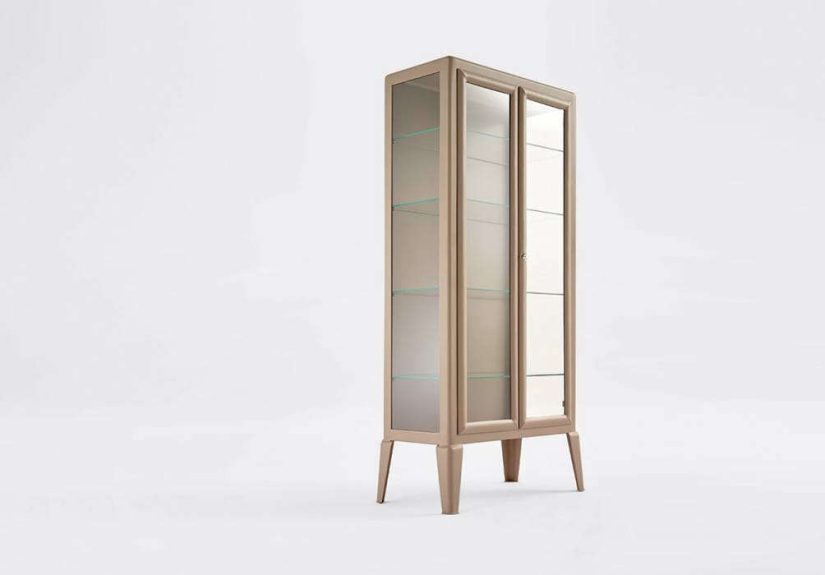
In plain English: it’s a tall, metal-framed vitrine (display cabinet) with two glass doors, glass sides, and multiple glass shelves. The silhouette
is crisp and practicalmore “pharmacy back room” than “fussy china hutch.” That’s the point. A vitrine is meant to protect, organize, and spotlight
what you love, all while keeping dust and wandering hands from “rearranging” your life’s work.
Quick spec snapshot (so you can picture it)
- Overall size: about 75 cm W × 41 cm D × 157.5 cm H (roughly 29.5″ W × 16.1″ D × 62.0″ H)
- Construction: metal structure with glass sides and two glass doors
- Shelving: four glass shelves (great for creating neat vertical “chapters” in your display)
- Finish options: typically available in multiple colors/finishes (often shown as a “finishes” sheet by retailers)
The “vintage medical cabinet” lookon purpose
The reason this cabinet feels so instantly right in modern homes is the same reason vintage metal cabinets still get snapped up: they’re honest.
Straightforward. Built around utility. No frills, just good proportions and clear visibility. That utilitarian DNA makes it incredibly flexible:
it works in a bathroom, kitchen, living room, home office, or hallwayanywhere you want closed storage that doesn’t hide your favorite pieces.
Why People Love It: The Real Benefits
1) It makes “stuff” look intentional
Open shelving is fun until you realize you’ve created a public stage for dust and chaos. A glass-door cabinet gives you the “I can see it” joy
without the “I must constantly dust it” heartbreak. The Adico Two-Door Vitrine helps your objects read as a collection, not a pile.
2) It’s visually light, even when it holds a lot
Because it’s mostly glass, it doesn’t feel bulky. That’s a big deal if you’re furnishing an apartment, a narrow dining room, or a home office where
a solid wood cabinet might look like it’s trying to annex territory.
3) It’s a style bridge: modern, industrial, vintage, minimalist
Metal-and-glass display cabinets play nicely with a lot of aesthetics. Pair it with:
- Modern: keep the shelves spare, add a few sculptural pieces, and let negative space do the heavy lifting.
- Industrial: lean into the “workshop meets gallery” vibe with ceramics, books, and a small vintage object or two.
- Scandi: choose a softer, muted cabinet color (if available) and display pale woods, linen, and simple glassware.
- Eclectic: mix materials (metal + wood + paper + stone) but control your color palette so it feels curated, not chaotic.
Best Places to Use an Adico Two-Door Vitrine
Kitchen or dining room: glassware, barware, and everyday “pretty” items
This cabinet shines when it holds objects that are functional but beautiful. Think stemware, cocktail glasses, carafes, your favorite ceramics, or a
tidy bar setup (bitters, shaker, jigger, and those fancy napkins you only remember exist when company arrives).
Practical tip: Put your heaviest items on the lowest shelf. It looks grounded and keeps the cabinet’s center of gravity happier.
Living room: books + objects, without visual noise
If you love books but hate the “wall of spines” look, a vitrine lets you mix stacks of books with objectssmall sculpture, framed photos, a record
sleeve, a bowl of matchbookswithout everything screaming at once. The glass doors act like a volume knob.
Bathroom: the grown-up alternative to open shelving
In a bathroom, the Adico vibe feels especially natural (yes, it’s basically flirting with its medical roots). Store rolled towels, amber bottles,
skincare backups, and a couple of “decor” items (a small plant, a framed print) so the room looks styled, not staged.
Home office or studio: tools you’re proud of
Makers, collectors, and hobbyiststhis is your moment. Display cameras, lenses, sketchbooks, fountain pens, architectural models, LEGO builds,
small instruments, or neatly boxed supplies. It’s motivating to see the tools of your craft without them living on every flat surface.
How to Style It So It Looks Curated (Not Like a Yard Sale Behind Glass)
Use “mini scenes,” not shelf-by-shelf dumping
Give each shelf a simple theme: all glassware on one, ceramics on another, books + one object on a third. If everything is mixed everywhere, your eye
won’t know where to landand the whole cabinet will feel busy.
Follow the rule of odd numbers (and the rule of breathing room)
Group items in 3s or 5s, vary heights, and leave empty space. Empty space is not “wasted.” Empty space is what makes the displayed items look
expensive and intentional. (Yes, even if the item is a $6 thrift-store vase you found while buying cat litter.)
Add a riser or two for instant “museum display” energy
A small acrylic riser, a wood block, or a stacked book can lift an object and create depth. Depth is what turns a shelf from “storage” into “display.”
Keep the palette tight
Pick one main color family and one accent. For example: clear glass + white ceramics + black details. Or brass + deep green + natural wood. When your
objects differ wildly, a consistent palette makes the cabinet feel harmonious.
Lighting, Sun, and Dust: The Part No One Posts on Instagram
Lighting: go LED, keep it gentle
Many people love adding small LED strips or puck lights inside a glass display cabinet. It looks incredible at nightlike your cabinet is quietly
hosting an elegant gala for your dishes. If you do this, choose low-heat, low-UV lighting and avoid blasting delicate items with intense light for
long periods.
If you display light-sensitive items: paper (photos, posters), textiles, dyed materials, and many natural objects can fade or weaken
with prolonged exposure. Keep the cabinet out of direct sun, and treat display lighting like a “showtime” feature, not a 24/7 setting.
Sunlight placement: your best defense is a smart location
If possible, place the vitrine away from a window that gets strong direct sun. Glass cabinets are honest: they’ll show your objects beautifully, and
they’ll also amplify the consequences of harsh light. A spot with bright, indirect light is the sweet spot.
Dust management: doors help, but they don’t perform miracles
Glass doors dramatically reduce dust compared to open shelving, but fine dust still finds wayslike it has a tiny map and a personal vendetta.
Plan on a light wipe-down on a sensible schedule. The upside is you’re cleaning glass and metal, which is typically faster than cleaning
knickknacks on open shelves.
Materials and Build: Metal + Glass Done the Smart Way
A metal frame gives the cabinet its crisp outline and that “built-for-purpose” feeling. Glass sides and shelves keep the look airy and allow light to
travel through the whole cabinet (which is why even the bottom shelf feels visible).
Glass shelves: treat them like shelves, not like a challenge
Glass shelves are strong, but weight distribution matters. Spread heavier items across the shelf rather than stacking them in one tight area.
If you’re storing particularly heavy pieceslike a stack of stoneware serving plateskeep them low and wide, and avoid a tall “tower” of weight in a
narrow footprint.
Metal finish: the quiet hero
A good metal finish (often powder-coated) handles everyday life well, but it still appreciates common sense. Avoid harsh abrasives, skip steel wool,
and don’t let cleaning sprays sit and puddle at joints. The cabinet should age with you, not look like it survived a mop bucket war.
Safety and Setup: Because Gravity Is Always Watching
Tall cabinets can tip if weight is concentrated high up, if drawers/doors are yanked, or if kids (or overly curious adults) climb. Even if your
household has no tiny climbers, anchoring tall furniture is a simple safety stepespecially in busy homes or spaces with uneven floors.
Anchor it if you can
Many modern households use inexpensive anti-tip hardware to secure tall furniture to wall studs. If your cabinet didn’t come with hardware, you can
choose an appropriate anti-tip kit based on your wall type. The goal is simple: prevent a forward fall if the cabinet is pulled or destabilized.
Balance the load
- Keep the heaviest objects on the lowest shelf.
- Avoid storing heavy items on the very top, especially if your floor is slightly uneven.
- If you add interior lighting, route cords neatly so doors close fully and nothing snags.
How to Tell If the Adico Two-Door Vitrine Is Right for You
It’s a great match if you want…
- A metal and glass display cabinet that feels architectural and clean-lined
- A “curiosity cabinet” look without ornate trim
- Display storage that keeps items visible but protected
- A piece that can move from room to room as your needs change
You may want something else if…
- You need fully hidden storage (a vitrine is proudly see-through)
- You want ultra-deep shelves for bulky appliances or large baskets
- Your space can’t accommodate door swing (measure clearance around the front)
Alternatives That Give a Similar Vibe
If you love the “medical-style” glass cabinet look but want to compare options, there are a few popular directions people go:
- Budget-friendly metal-and-glass cabinets with adjustable shelves (great for renters or first apartments).
- Wood cabinets with glass doors (warmer, more traditional, sometimes with soft-close hinges).
- Vintage industrial/medical cabinets (incredible character, but condition and safety varyinspect carefully).
The Adico Two-Door Vitrine stands out if you want the vintage-inspired silhouette but prefer something that feels intentionally made for modern daily
use rather than “rescued from a back room and hopefully stable.”
Maintenance Checklist (Fast, Not Fussy)
- Weekly: quick exterior glass wipe with a microfiber cloth.
- Monthly: wipe shelves, check door alignment, and re-evaluate the shelf styling (things migratedon’t let them form a union).
- Seasonally: check anchors/anti-tip straps (if installed), tighten hardware if needed, and relocate light-sensitive items if the cabinet’s
exposure changes with the seasons.
of Real-World “Vitrine Life” Experiences
People often expect a display cabinet to be a “set it and forget it” kind of purchase. What usually happens is more fun: it becomes a tiny ritual.
The first week, you treat it like a blank gallery. You place items with the concentration of a museum curator and the seriousness of a person who just
learned the phrase “negative space.” A glass pitcher goes on the middle shelf. Two cocktail coupes sit beside it. You step back, squint, and decide the
pitcher looks lonely. A small bowl joins the group. Now it feels like a story.
In week two, you start using it like a helpful roommate. The cabinet doesn’t judge your choices; it just makes them look better. You begin to notice
how convenient it is to grab the thing you actually use (wine glasses, a favorite mug, that one serving plate you always reach for) without rummaging
through a pile. The vitrine turns “storage” into “display storage,” which is a fancy way of saying it keeps your life organized while still letting
you enjoy the objects you paid for.
By week three, the cabinet starts quietly influencing your habits. You stop buying random clutter because you realize: if it goes in the vitrine, it’s
part of the visual chorus. If it doesn’t belong, it looks like a wrong note behind glass. That’s the cabinet’s secret superpowerit helps you curate.
Suddenly you’re asking yourself, “Do I love this, or did it just follow me home from the clearance aisle?” The cabinet can’t answer, but it definitely
raises an eyebrow.
Around week four, you discover the joy of “seasonal rotating.” In winter, the cabinet leans cozy: stacked books, a ceramic vase, warm-toned glassware,
maybe a small candle (unlit inside the cabinet, because we’re classy and cautious). In spring, you swap in lighter piecesclear glass, pale ceramics,
a small object with a pop of color. The cabinet becomes a low-effort way to refresh a room without buying a whole new personality for your space.
Then there’s the social side of vitrine life. Guests notice. They stand in front of it and ask questions that feel surprisingly flattering, like
“Where did you get this?” and “Is that handmade?” even if the “handmade” item is just a well-shaped bowl you found at a local shop. You realize the
cabinet isn’t only holding your thingsit’s holding conversation starters. And because the doors close, you can keep the display looking composed even
when the rest of your home is doing its best impression of “lived-in reality.”
Over time, the cabinet becomes a personal highlight reel: a tiny gallery of what you actually love. It’s not about perfection. It’s about choosing a
few objectsglassware, ceramics, books, travel finds, small artand giving them a home where they can be seen and enjoyed. That’s the real experience
of the Adico Two-Door Vitrine: it makes everyday life look a little more intentional, one shelf at a time.
Conclusion
The Adico Two-Door Vitrine is for people who want their home to feel organized and expressive. It’s a metal and glass display cabinet that
keeps your favorite pieces visible, protected, and surprisingly easy to live with. Style it with intention, keep light and safety in mind, and it
becomes more than storageit becomes a calm, modern focal point that makes your everyday objects look like they deserve applause.