Table of Contents >> Show >> Hide
- AFib 101: What It Is (in Normal-Human English)
- Why Diet Matters for AFib Risk (Even If You Never Think About “Electrophysiology”)
- The Sugary Beverage Problem: What the Research Is Actually Saying
- How Sugary Beverages Could Raise AFib Risk (Mechanisms That Actually Make Sense)
- What an “AFib-Smart” Eating Pattern Looks Like
- Drink Smarter: Practical Swaps That Don’t Feel Like Punishment
- If You Already Have AFib: Diet Still Matters (But Don’t DIY Your Treatment)
- When to Get Checked (Because Googling Your Heartbeat Is Not a Plan)
- Conclusion: Your Heart Likes Boring Drinks
- Real-Life Experiences: What People Notice When They Cut Back on Sugary Drinks (About )
Your heart is basically the world’s most loyal drummer. It keeps the beat while you sleep, sprint, stress-scroll, and
occasionally pretend kale tastes “great.” Atrial fibrillation (AFib) is what happens when that drummer switches to a
messy jazz solofast, irregular, and not always on purpose. And while genetics and age play a role, your daily choices
(especially what you drink) can quietly nudge the odds in the wrong direction.
Let’s talk about how dietparticularly sugary beverages and “diet” sweetened drinksmay be linked to higher AFib risk,
why that connection makes sense, and what you can do without turning your life into a sad spreadsheet of forbidden joy.
AFib 101: What It Is (in Normal-Human English)
AFib is the most common type of heart arrhythmia. Instead of the upper chambers (atria) and lower chambers (ventricles)
working together in a steady rhythm, the atria beat irregularly and often too fast. That can cause symptoms like
palpitations (that “fluttery” feeling), shortness of breath, fatigue, dizziness, or sometimes no symptoms at all.
The big deal with AFib isn’t just the awkward rhythmit’s the downstream consequences. AFib can increase the risk of
stroke because blood can pool in the atria, form clots, and travel to the brain. It’s also linked with higher risks of
heart failure and other complications over time.
Common AFib risk factors you can influence
Some risk factors are out of your control (age, family history). But many are modifiable, including high blood pressure,
excess body weight, diabetes/prediabetes, sleep problems like sleep apnea, smoking, and heavy alcohol intake. The point
isn’t perfectionit’s leverage. Small improvements in the right places can matter.
Why Diet Matters for AFib Risk (Even If You Never Think About “Electrophysiology”)
AFib is an electrical problem, but it doesn’t live in an electrical-only universe. The heart’s wiring is affected by the
body’s overall environmentblood pressure, inflammation, blood sugar swings, hormones, sleep quality, hydration, and even
electrolyte balance (like potassium and magnesium).
Diet can push AFib risk through three major pathways
-
Blood pressure: High blood pressure is one of the strongest contributors to AFib risk. Diets high in
sodium and low in potassium-rich foods (fruits, vegetables, beans) can make blood pressure harder to manage. -
Weight and metabolism: Excess weight increases strain on the heart and is strongly linked with sleep
apnea, insulin resistance, and inflammationall of which can increase AFib risk. -
Inflammation and oxidative stress: Highly processed diets (heavy on refined carbs, added sugars,
ultra-processed snacks) are often associated with higher inflammatory markers and worse cardiometabolic health.
Notice what’s not on that list: “You must eat like a monk.” You can build a heart-supportive pattern with normal food,
normal meals, and normal human joyjust with fewer sugar bombs in liquid form.
The Sugary Beverage Problem: What the Research Is Actually Saying
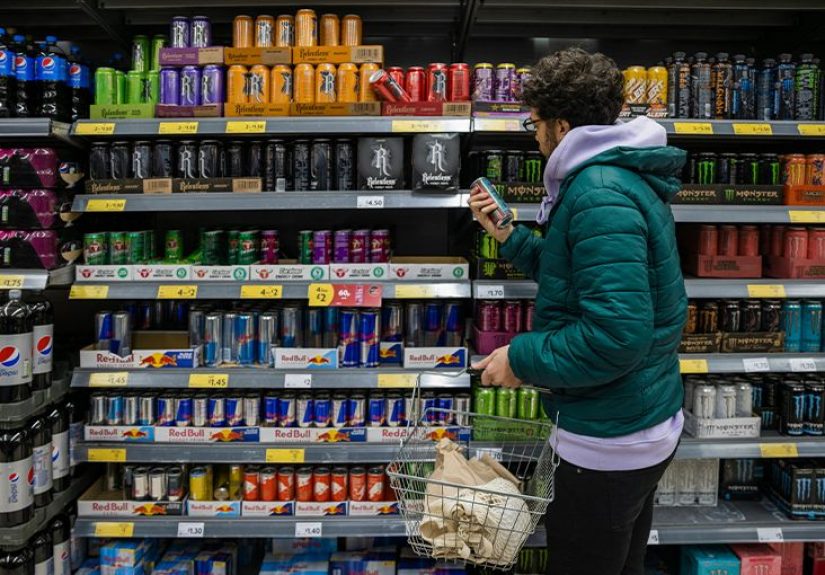
Sugar-sweetened beverages (SSBs) include soda, sweet tea, many flavored coffees, sports drinks, energy drinks, fruit
punches, and “juice cocktails.” Artificially sweetened beverages (ASBs) include diet sodas and many “zero sugar” drinks.
Both can be common in daily routines because they’re convenient, tasty, and marketed like they’re doing you a favor.
Studies link sweetened drinks with higher AFib risk
Recent large observational research has reported an association between higher intake of sugar-sweetened beverages and
artificially sweetened beverages and the future development of AFib. In other words: people who drink more sweetened
beverages tend to have higher AFib rates over time.
Important nuance (because your heart deserves honesty): association is not the same as causation. These studies can’t
prove that sweetened drinks directly cause AFib. But they can show patterns that remain even after researchers
adjust for many other risk factorsand those patterns are strong enough to take seriously.
Why “diet drinks” aren’t automatically the hero of this story
A lot of people switch from regular soda to diet soda expecting a clean victory. While cutting added sugar is a smart
move, some research has also found higher AFib rates among people drinking large amounts of artificially sweetened
beverages. That doesn’t mean diet soda is “worse than sugar” for everyone. It means the relationship is complicated.
Possible explanations include:
-
Reverse causation: People at higher cardiometabolic risk may choose diet drinks as a “health move,” so
the drink becomes a marker of risk rather than the cause. -
Appetite and cravings: Very sweet tastescalories or notcan keep the “sweet preference” dial turned
up, making it harder to shift toward less sugary overall patterns. -
Gut and metabolic effects: Some researchers suspect certain sweeteners may affect glucose handling or
gut microbiota in ways that influence cardiometabolic health, though evidence is still evolving.
The practical takeaway: if sweetened drinks (sugar or artificial) are a daily habit, it’s worth reducing themnot just
swapping one type for another and calling it a day.
How Sugary Beverages Could Raise AFib Risk (Mechanisms That Actually Make Sense)
Even without a “direct AFib trigger button,” sugary drinks can raise risk through the stuff they do extremely well:
deliver lots of sugar quickly, without much fullness or nutritional payoff.
1) They encourage weight gainquietly and efficiently
Liquid calories don’t register the same way solid food does. A sweet drink can add hundreds of calories without reducing
hunger later. Over time, that can contribute to weight gain, which is strongly linked with AFib risk through structural
changes in the heart, higher blood pressure, and higher inflammation.
2) They can worsen blood sugar and insulin resistance
Frequent sugar spikes can push the body toward insulin resistance, raising the risk of prediabetes and type 2 diabetes.
Diabetes is a known AFib risk factor, and the metabolic environment associated with insulin resistance can contribute to
inflammation and cardiovascular strain.
3) They can raise blood pressure indirectly
Added sugarsespecially in high amountsare associated with worse cardiometabolic profiles overall. If sugary drinks
replace water, milk, or unsweetened beverages, it can also reduce intake of nutrients that support blood pressure
control (like potassium from fruits/vegetables).
4) Energy drinks add another layer of chaos
Some sugary beverages are also high in caffeine and other stimulants. People vary a lot in sensitivity, but in those who
are prone to palpitations, a high-stimulation drink can feel like pressing “fast forward” on the heart.
What an “AFib-Smart” Eating Pattern Looks Like
There isn’t a single magic AFib diet. But the patterns most consistently linked with better heart outcomes are built on
minimally processed foods, fiber, and healthy fatsthink Mediterranean-style and DASH-style approaches.
The foundation: a plate that doesn’t need a PhD
- Half the plate: colorful vegetables and fruit (fresh, frozen, or no-salt canned)
- One quarter: lean protein (beans, lentils, fish, poultry, tofu, eggs)
- One quarter: high-fiber carbs (oats, brown rice, quinoa, whole-wheat pasta, sweet potatoes)
- Fats that help: olive oil, nuts, seeds, avocado (not “fat-free everything”)
Key nutrition moves that support AFib risk reduction
Keep added sugars in check. The American Heart Association suggests limiting added sugar to about 6
teaspoons (25 grams) daily for most women and 9 teaspoons (36 grams) daily for most men. That’s not “never have sugar.”
That’s “don’t drink it like it’s hydration.”
Watch sodium, raise potassium-rich foods. Many people focus only on sodium, but the bigger win is often
a two-part move: reduce heavily salty processed foods while increasing potassium-rich foods like beans, leafy greens,
bananas, oranges, potatoes, and yogurt (if you tolerate dairy).
Choose fiber like it’s your sidekick. Fiber supports blood sugar stability and heart health. Aim to add
it through oats, beans, lentils, berries, chia/flax, and vegetables. Bonus: fiber helps you feel full, which makes
reducing sugary drinks easier.
Alcohol: less is usually better for AFib. Alcohol is a well-known AFib trigger for many people
(“holiday heart” isn’t just a cute phrase). If you’re concerned about AFib risk, cutting back is a high-impact move.
Drink Smarter: Practical Swaps That Don’t Feel Like Punishment
If you only change one thing after reading this article, let it be this: treat sweetened beverages like dessert, not
hydration. Here are swaps that work in real life.
Easy beverage upgrades
- Soda → sparkling water with citrus, or half-seltzer/half-juice as a stepping stone
- Sweet tea → unsweetened tea with fruit slices, or slowly reduce sugar week by week
- Sports drink → water + a pinch of salt for heavy sweat days (most workouts don’t need sugar water)
- Fancy coffee drinks → smaller size, fewer pumps, or cinnamon/vanilla for flavor without a sugar pile
- “Zero sugar” everything → mix in more plain water so “sweet” isn’t your baseline taste
Label reading that takes 10 seconds
Look at Added Sugars on the Nutrition Facts label. If a drink has 30–50 grams of added sugar, that can
meet (or exceed) an entire day’s worth of added sugar in a single bottle. If you’re going to spend your sugar budget,
you deserve something better than “neon fruit blast.”
If You Already Have AFib: Diet Still Matters (But Don’t DIY Your Treatment)
If you’ve been diagnosed with AFib, diet and beverage choices can help reduce symptom burden and support overall heart
healthbut they don’t replace medical care. Many people with AFib need strategies like rhythm/rate control and, in some
cases, blood thinners to reduce stroke risk. Talk with a clinician about your personal risk profile.
A helpful tool: the “trigger log”
Some people notice AFib episodes after alcohol, big sugary meals, dehydration, poor sleep, or intense stress. Keeping a
simple log for a few weeks (sleep, drinks, symptoms) can help identify your pattern. You’re not trying to become a
scientistyou’re trying to become your own user manual.
When to Get Checked (Because Googling Your Heartbeat Is Not a Plan)
Occasional palpitations can happen for many reasons, but you should seek prompt medical evaluation if you have
persistent irregular heartbeat, fainting, chest discomfort, or symptoms that feel severe or newespecially if you have
high blood pressure, diabetes, or a history of heart disease.
Conclusion: Your Heart Likes Boring Drinks
AFib risk is influenced by a web of factors, but diet and beverages sit right in the middle of that web. Research links
higher intake of sugar-sweetened beveragesand possibly high intake of artificially sweetened beverageswith higher AFib
risk. The mechanism isn’t mysterious: sugary drinks can worsen weight, blood pressure, and metabolic health, which are
all tied to AFib.
The goal isn’t to ban every sweet sip forever. The goal is to make “sweetened drinks” occasional, not automatic. Build a
food pattern that supports stable blood pressure and blood sugar, prioritize minimally processed foods, and let water be
your default. Your heart’s drummer will thank you by keeping the beat, not auditioning for a free-form solo.
Real-Life Experiences: What People Notice When They Cut Back on Sugary Drinks (About )
The science is useful, but daily life is where the real plot happens. And for a lot of people, the biggest surprise
isn’t that sugary drinks are “bad.” It’s how sneaky they are.
Experience #1: The “I’m Not Even Thirsty” Moment.
Many people realize their sweet drink habit isn’t about thirstit’s about routine. The afternoon soda is a reward. The
drive-thru sweet tea is a ritual. The flavored energy drink is basically a coworker you never invited but somehow always
shows up. Once you notice that, change gets easier because you stop arguing with yourself about willpower. You start
redesigning the routine instead: sparkling water in the same cup, a short walk as the “reward,” or a tea you actually
like (not the one that tastes like warm regret).
Experience #2: The First Week Feels Weird (Then It Gets Better).
People often report that the first few days are the hardest. Cravings pop up, and everything else tastes “less exciting.”
This is normal. Taste buds adapt. After a week or two, many people say fruit tastes sweeter, and plain sparkling water
starts tasting refreshing instead of “TV static.” A helpful trick is to taper rather than quit cold turkey: go from two
sugary drinks daily to one, then to a few per week. Progress beats drama.
Experience #3: Energy and “Heart Flutters” Feel More Predictable.
Some people who deal with palpitations (whether diagnosed AFib or not) notice that cutting back on high-sugar, high-caffeine
drinks makes their symptoms feel less random. Not everyone has the same triggers, and not every palpitation is AFib, but
plenty of folks describe fewer “surprise flutters” when they’re better hydrated, sleeping more consistently, and not
running on sweetened drinks as a meal replacement. The biggest win is often predictability: you stop feeling like your
body is rolling dice.
Experience #4: Social Situations Are the Real Boss Fight.
The hardest part isn’t your kitchenit’s birthdays, road trips, and “just grab a drink” moments. People succeed when they
plan one small strategy: bring your own option, order water first, or choose a smaller size. Some pick a simple rule like
“sweet drinks only on weekends” or “only if it’s something I truly love.” That last one matters. If you’re going to spend
your sugar budget, spend it on something worth itsomething you’d missnot on a default bottle you barely taste.
Experience #5: The Unexpected Ripple Effect.
Cutting sweetened drinks often triggers a chain reaction: fewer cravings for ultra-processed snacks, more stable appetite,
and sometimes easier weight management. Even when the scale doesn’t change quickly, many people notice fewer energy
crashes. And when your day has fewer crashes, your choices get easier. It’s not magicit’s momentum.
Bottom line: most people don’t “fail” because they love sugar. They struggle because sweetened drinks are everywhere and
marketed like they’re harmless. But once you treat them like dessertoccasional, intentional, and not your defaultyou
can build a routine that supports heart health without making life miserable.