Table of Contents >> Show >> Hide
- Why alcohol before surgery is a problem (even if you feel fine)
- How alcohol can interfere with anesthesia and sedation
- Alcohol and bleeding: the issue isn’t just “thin blood”
- Wound healing and infection: alcohol can slow your body’s “repair mode”
- Dehydration and “hangover physiology” do not belong in a surgical plan
- If you drink heavily: the biggest risk may be withdrawal, not the drink itself
- So… how long before surgery should you stop drinking alcohol?
- What if you already drank and your surgery is soon?
- When is it safe to drink alcohol after surgery?
- Quick FAQs people are too embarrassed to ask out loud
- Real-life experiences: what people notice when they skip alcohol before surgery (about )
- Conclusion: the safest pre-op drink is… water (sorry, it’s water)
If you’re getting surgery soon, your calendar is probably full of “important” things: pre-op paperwork, ride-home plans,
and Googling whether you can keep your belly button ring (spoiler: usually no). One thing that should not be on the schedule?
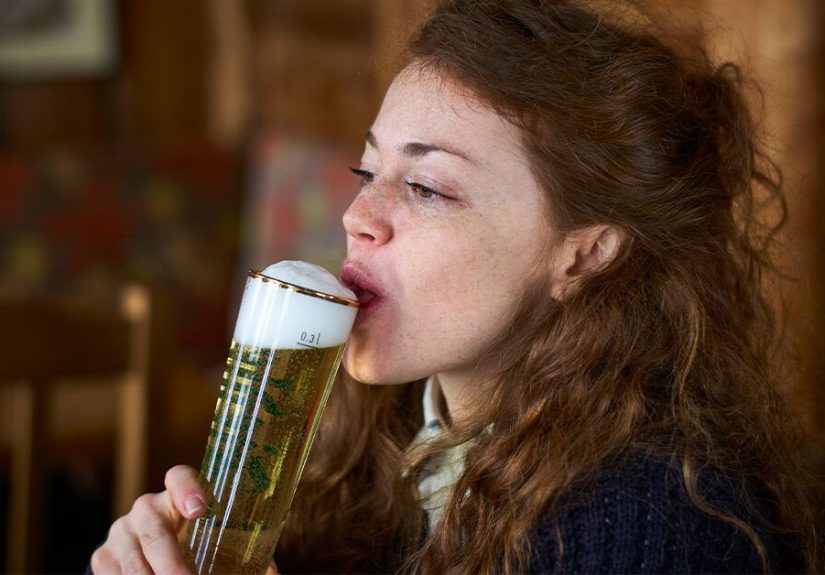
Drinking alcohol right before surgery.
Even “just a couple” can mess with anesthesia, raise bleeding and infection risks, and turn recovery into a longer,
crankier road trip. And if you’re someone who drinks heavily, quitting suddenly without medical guidance can be risky too.
This article breaks down the why, the how long, and the what-to-do-nextwithout the lecture-y vibes.
Why alcohol before surgery is a problem (even if you feel fine)
Surgery is basically a highly choreographed team sport. Your anesthesia plan, vital signs, blood clotting, immune system,
and pain control all have roles. Alcohol is the random person who runs onto the field and steals the ball.
- It can change how your body responds to anesthesia and sedation.
- It can increase nausea, vomiting, and aspiration risk.
- It can affect bleeding and blood pressure.
- It can slow wound healing and raise infection riskespecially with heavier drinking.
- It can interact with pain medicines and other perioperative drugs.
- In heavy drinkers, abrupt stopping can trigger withdrawalsometimes dangerous.
How alcohol can interfere with anesthesia and sedation
1) Your anesthesia dose may be harder to predict
Alcohol affects the central nervous systemthe same neighborhood where anesthesia works. The tricky part is that
acute drinking (drinking recently) and chronic heavy drinking (long-term frequent drinking)
don’t behave the same way.
Recent alcohol use can intensify sedative effects and impair protective reflexes. Long-term heavy drinking can lead to tolerance,
meaning you may need different dosing and closer monitoring. Either way, it’s not “helpful information” to hide from your care team.
It’s the kind of detail that helps them keep you safe.
2) Nausea, vomiting, and aspiration risk can increase
Anesthesia relaxes normal protective reflexes, which is one reason you’re told to fast: food or liquid can come back up and get into the lungs
(aspiration), which can be serious. Alcohol can add fuel to that fire by irritating the stomach and increasing nausea/vomiting risk.
Translation: surgery is not the time to make your stomach feel “dramatic.”
3) Breathing and blood pressure can get wobblier
Both alcohol and anesthesia can depress breathing and affect blood pressure. That matters most when anesthesia is being induced
and as you’re waking uptwo times your body is already doing a lot of heavy lifting.
4) Pain meds and alcohol are a risky combo
After surgery, you may receive medications that can make you drowsy or slow breathing (like opioids or certain anti-anxiety/sedating meds).
Alcohol stacks onto those effects. It can also raise the risk of dangerous side effects, poor coordination, falls, and slowed reaction time
during early recovery.
And then there’s the liver angle: many post-op plans include acetaminophen (Tylenol). Mixing alcohol with acetaminophenespecially in higher doses
or with regular drinkingcan increase liver stress. This is exactly why teams often say “skip alcohol” until you’re cleared.
Alcohol and bleeding: the issue isn’t just “thin blood”
You’ll often hear that alcohol “thins the blood.” The real story is more nuanced, but the practical takeaway is simple:
alcohol can interfere with normal clotting, platelet function, and blood vessel behaviorespecially around the time your body
is trying to heal from surgical trauma.
The risk isn’t identical for every person or procedure, but it matters more if you:
- take blood thinners or antiplatelet medications
- have liver disease
- have a bleeding disorder
- are having a surgery where bleeding is a bigger concern (some orthopedic, abdominal, cardiac, and complex procedures)
Bottom line: if your surgeon and anesthesiologist are trying to keep bleeding controlled, alcohol is not a helpful assistant.
Wound healing and infection: alcohol can slow your body’s “repair mode”
Healing after surgery is a full-body project: immune function, circulation, oxygen delivery, inflammation control, and tissue repair all matter.
Heavier alcohol use is linked with higher complication rates, including infections and wound problems.
The “why” includes things like impaired immune response, nutritional issues (common in heavy drinkers), and metabolic effects
that can make recovery less smooth. If you want fewer surprises in your post-op course, avoiding alcohol is one of the easiest
controllable factors.
Dehydration and “hangover physiology” do not belong in a surgical plan
Surgery day already involves fasting rules, stress hormones, and sometimes bowel prep. Alcohol adds dehydration risk,
can disrupt sleep, and can contribute to headaches, nausea, and electrolyte issues. Even if you’re not hungover,
your body can still be dealing with the after-effects.
Think of it this way: you want to show up for surgery like a phone at 100% batterynot like one that’s been running
twelve apps in the background since 2 a.m.
If you drink heavily: the biggest risk may be withdrawal, not the drink itself
This part is important and often misunderstood. If you drink heavily or have alcohol use disorder, stopping suddenly can cause withdrawal
symptoms that may become severe. In surgical settings, unmanaged withdrawal can increase complications and prolong ICU or hospital stays.
That doesn’t mean “keep drinking until surgery.” It means: tell your surgical team early. They can plan
safe monitoring and, if needed, preventive treatment. This is a medical issue, not a moral one.
So… how long before surgery should you stop drinking alcohol?
You’ll see different instructions depending on the facility and the procedure. Common pre-op guidance ranges from:
no alcohol in the 8–24 hours before arrival to avoid alcohol for several days before surgery.
Many centers also advise skipping alcohol for at least 24 hours after surgery (or longer), especially if you’ll be taking pain medicine.
If you’re a heavier drinker, research suggests that weeksnot hourscan matter. Studies have found that abstinence
starting several weeks before surgery (often cited around 3–8 weeks, with 4 weeks frequently discussed) can reduce postoperative complications
in people with risky/hazardous drinking patterns.
A practical timeline (general guidance, not a substitute for your surgeon’s instructions)
- One-time/light drinkers: follow your surgical center’s rule (often at least 24 hours; some say longer).
- Regular drinkers: avoid alcohol for several days before surgery if possible, and be honest in pre-op screening.
- Heavy drinkers / alcohol use disorder: talk to your team as early as possibleweeks ahead is idealso you can reduce safely and plan for withdrawal prevention if needed.
Your best move is simple: treat the pre-op instructions like a GPS. Even if you think you know a “shortcut,” don’t take it.
The anesthesiologist has seen how that goes.
What if you already drank and your surgery is soon?
First: don’t panic. Second: don’t lie. Call the surgeon’s office or the pre-op line and tell them what you drank and when.
They’ll decide whether it’s safe to proceed, adjust the anesthesia plan, or reschedule. The goal is not to “catch you.”
The goal is to keep you breathing comfortably and recovering well.
If your surgery involves sedation (not full general anesthesia), the temptation to think “it’s minor” can be strong.
Sedation still affects breathing and protective reflexes. The rules still matter.
When is it safe to drink alcohol after surgery?
Post-op timing depends on your procedure, your medications, and how your recovery is going. Many surgical teams recommend
avoiding alcohol for at least 24 hours after anesthesiaoften longer if you:
- are taking opioids or sedating medications
- are taking antibiotics or other drugs that don’t mix well with alcohol
- have nausea, dizziness, or low appetite
- have liver disease or had major surgery
If you want an annoyingly accurate answer, ask the person who knows your case: your surgeon or anesthesiology team.
Quick FAQs people are too embarrassed to ask out loud
“What about just one glass of wine the night before?”
Even small amounts can be a problem if they violate your facility’s fasting and alcohol rules, worsen sleep, or increase nausea risk.
If your instructions say “no alcohol,” the “one glass” exception does not exist.
“What if I only drink on weekends?”
Weekend-only drinkers should still follow the no-alcohol window set by their surgical team.
If your surgery is Monday morning, Sunday night is not the time to test your personal relationship with tequila.
“Do I need to tell them if I’m underage and drank?”
Yes. Your care team needs accurate information to keep you safe. This isn’t about getting you in troubleit’s about making anesthesia safer.
Real-life experiences: what people notice when they skip alcohol before surgery (about )
Ask a group of patients what surprised them most about surgery prep, and you’ll hear the same theme: the “little rules” aren’t little.
People who avoid alcohol before surgery often describe showing up feeling steadierless nauseated, less dehydrated, and more like themselves.
It’s not magic. It’s just fewer variables on a day when your body already has plenty going on.
One common story is the accidental experiment: someone has a birthday dinner two nights before a procedure and skips the celebratory drinks
because the pre-op instructions said so. They arrive expecting to be miserable from fasting, but instead feel “weirdly okay.”
They’re thirsty, sure, but not headachy. Not queasy. Not fighting that cotton-mouth, can’t-focus feeling that can follow a couple of cocktails.
Later, when anesthesia wears off, they still might be groggybut they don’t have the added layer of hangover symptoms competing with recovery.
Another pattern shows up in people who normally drink to fall asleep. They stop drinking several days before surgery and notice sleep gets choppy.
That can feel alarming, but it’s also useful information: alcohol can mask sleep problems, and stopping can reveal how much it was doing behind the scenes.
Patients who share that with their pre-op team sometimes get practical helpsleep hygiene tips, reassurance, or safer short-term strategiesrather than
trying to “fix it” themselves the night before surgery.
For heavier drinkers, experiences can be more complicatedand that’s exactly why honesty matters. Some people report feeling edgy, sweaty, or anxious
when they cut back suddenly. A few notice tremors or a racing heart. Those can be signs that the body is struggling to adapt.
The most positive outcomes often come from planning: patients who disclose their drinking early can be monitored and supported,
and withdrawal risks can be addressed proactively. Instead of white-knuckling it alone, they get a medical planbecause withdrawal is a medical issue.
People also talk about the “after” part. Many are surprised by how strongly alcohol is discouraged during early recoveryespecially if they’re taking pain meds.
Some describe a moment of clarity when a nurse explains it plainly: alcohol plus opioids isn’t a vibe; it’s a breathing risk.
Others mention they were tempted to “celebrate” a successful procedure, but realized their body needed hydration, protein, and sleep more than a drink.
Not glamorous, but highly effective.
If there’s one consistent takeaway from these experiences, it’s this: skipping alcohol before surgery is less about perfection
and more about giving your body a clean runway. Surgery is hard enough without adding turbulence on purpose.
Conclusion: the safest pre-op drink is… water (sorry, it’s water)
Avoiding alcohol before surgery isn’t about being strict for no reason. Alcohol can interfere with anesthesia, increase nausea and aspiration risk,
affect bleeding and blood pressure, and slow recoveryespecially for people who drink heavily. The exact “no alcohol” window varies by facility and procedure,
but many centers recommend at least 24 hours, and some advise several days. For hazardous drinking patterns, weeks of abstinence before surgery can reduce complications.
The best strategy is also the simplest: follow your pre-op instructions, be honest about your alcohol intake, and ask your care team if you’re unsure.
Your surgeon and anesthesiologist would rather adjust a plan than deal with preventable surprises.