Table of Contents >> Show >> Hide
- First, what “gluten-free” actually means (in the U.S.)
- Naturally gluten-free foods (the “yes” list that won’t betray you)
- Gluten-free grains and starches (carbs are not the enemy)
- Packaged foods you can eat (with a tiny bit of detective work)
- How to build a gluten-free plate that’s actually satisfying
- Label reading: your new superpower
- Cross-contact: the “but I didn’t even eat bread!” problem
- Do you need to go gluten-free if you don’t have celiac disease?
- Conclusion: gluten-free can be delicious, practical, and normal-ish
- Real-world experiences: what going gluten-free feels like (about )
Going gluten-free can feel like joining an exclusive club where the secret handshake is reading ingredient labels
with the intensity of a courtroom drama. The good news: there are tons of delicious gluten-free foods
you can eatmany of them naturally gluten-freeand you don’t have to live on sad rice crackers and vibes.
This guide breaks down what’s safe, what’s sneaky, and how to build meals that taste like real life (because you
deserve real life).
First, what “gluten-free” actually means (in the U.S.)
Gluten is a protein found in certain grainsmost famously wheat, barley, and rye. When you’re eating
gluten-free for medical reasons (like celiac disease), “close enough” isn’t close enough.
In the United States, foods labeled “gluten-free” must meet a strict standard (including a threshold
of gluten that’s low enough for most people with celiac disease). That label is helpful, but it’s not a magic spell:
cross-contact and tricky ingredients still matter.
Also: wheat-free is not the same as gluten-free. A product can be wheat-free and still contain barley
or rye. (Food labels: always keeping us humble.)
Naturally gluten-free foods (the “yes” list that won’t betray you)
If you want the easiest path to gluten-free eating, hang out with foods that are naturally gluten-free. These
are the building blocks of a strong, happy plate.
Fruits and vegetables
Fresh fruits and vegetables are naturally gluten-freeapples, berries, leafy greens, carrots, peppers, potatoes,
sweet potatoes, you name it. Frozen is usually safe too, as long as it’s plain (watch sauces and seasoning mixes).
- Simple wins: roasted veggies, fruit bowls, salad kits (check toppings/dressings), veggie omelets
- Watch out for: breaded veggie sides, flavored fries, “crispy” coatings, and seasoning packets
Meat, poultry, fish, and eggs
Plain, unbreaded proteins are naturally gluten-free: steak, chicken, turkey, salmon, shrimp, eggs. The chaos
begins when we add breading, marinades, sauces, or anything “pre-seasoned.”
- Gluten-free favorites: grilled chicken tacos on corn tortillas, baked salmon, omelets, burgers without the bun
- Check labels on: meatballs, sausages, deli meats, imitation crab, and anything “crispy” or “battered”
Dairy (usually safe, sometimes shady)
Milk, butter, and many plain cheeses are naturally gluten-free. Yogurts and flavored dairy products can get tricky
because of thickeners, flavorings, mix-ins, or cookie/cereal pieces.
- Usually safe: milk, plain Greek yogurt, cottage cheese (plain), block cheeses
- Double-check: flavored yogurts, “light” dairy products with added stabilizers, and shredded cheese blends
Beans, lentils, and legumes
Beans and lentils are naturally gluten-free and bring serious value: fiber, protein, and the ability to turn
leftovers into dinner. (Also: they’re budget-friendly, which is emotionally gluten-free.)
- Go-to options: black beans, chickpeas, lentils, split peas
- Watch out for: flavored canned beans and soup mixes that use wheat-based thickeners
Nuts, seeds, and healthy fats
Plain nuts and seeds are naturally gluten-free. Nut mixes can be risky if they include pretzels or seasoning blends
with wheat. Oils like olive, avocado, and canola are gluten-free and make gluten-free cooking taste like actual cooking.
- Smart snacks: almonds, walnuts, pumpkin seeds, chia, peanut butter
- Check: flavored nuts, “trail mix” blends, and anything roasted with mystery seasoning
Gluten-free grains and starches (carbs are not the enemy)
You don’t have to break up with carbs to go gluten-free. You just have to pick the right ones. Many grains and
starches are naturally gluten-free and make meals feel normal again.
Best gluten-free staples
- Rice (white, brown, jasmine, basmati) and rice noodles
- Corn (cornmeal, polenta, masa harina) and corn tortillas
- Quinoa (a seed that cooks like a grainhigh-protein and versatile)
- Buckwheat (despite the name, it’s not wheat)
- Millet, sorghum, teff, amaranth (great for variety and baking)
- Potatoes and sweet potatoes (mashed, roasted, baked, air-fried)
- Tapioca, cassava, plantains (awesome for texture and global recipes)
A note about oats
Oats are naturally gluten-free, but they’re often processed in facilities that handle wheat, barley, or rye. If you
want oats, choose ones labeled gluten-free. That label matters here more than in many other places.
Gluten-free flours for baking (so your cookies can have a future)
Gluten-free baking works best when you think in blends. A single flour rarely behaves like wheat flour, but a mix can.
- Great all-purpose options: rice flour, sorghum flour, oat flour (certified gluten-free), tapioca starch
- For structure: almond flour, chickpea flour, buckwheat flour
- Pro tip: look for a reputable gluten-free all-purpose blend for baking projects with feelings
Packaged foods you can eat (with a tiny bit of detective work)
Packaged gluten-free foods can be convenient and tastyespecially when life is busy and you’re not auditioning
for a cooking show. The key is reading labels and knowing the usual hiding spots.
Common gluten-free packaged wins
- Gluten-free bread, tortillas, and pasta (look for “gluten-free” on the package)
- Plain popcorn and many potato chips (but check seasoning)
- Rice cakes, corn-based crackers, and some nut-based snacks
- Broths and soups labeled gluten-free
- Condiments labeled gluten-free (especially soy sauce alternatives like tamari)
- Frozen meals specifically labeled gluten-free
Where gluten likes to hide (because it’s clingy)
Gluten shows up in places you wouldn’t expect, often as a thickener, stabilizer, or flavor carrier. These are the
categories that deserve your full attention:
- Sauces and dressings: soy sauce, gravies, marinades, salad dressings
- Soups: especially creamy soups and soup mixes
- Seasoning blends: taco seasoning, bouillon cubes, “natural flavors” (sometimes)
- Processed meats: sausages, deli meats, meatballs
- Snacks and bars: granola bars, protein bars, flavored nuts
- Beer and malt beverages: most are made from barley (look specifically for gluten-free versions)
How to build a gluten-free plate that’s actually satisfying
A good gluten-free diet isn’t just “remove bread, hope for the best.” It’s about replacing what gluten-containing
foods used to provide: fiber, B vitamins, iron, and simple convenience.
The easiest formula
- Half the plate: vegetables + fruit
- One quarter: protein (meat, fish, eggs, beans, tofu labeled gluten-free)
- One quarter: gluten-free carbs (rice, potatoes, quinoa, corn tortillas)
- Add: healthy fats (olive oil, avocado, nuts) for flavor and fullness
Quick meal ideas (no culinary degree required)
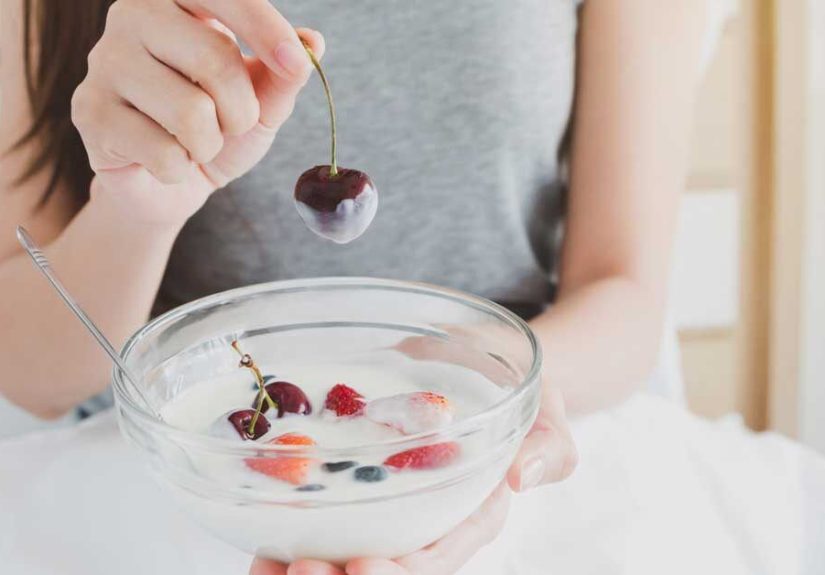
- Breakfast: eggs + fruit + gluten-free oats, or Greek yogurt + berries + nuts
- Lunch: quinoa bowl with chicken, veggies, and a gluten-free dressing
- Dinner: salmon + roasted potatoes + a big salad
- Snack: hummus + carrots, popcorn, apple + peanut butter
Label reading: your new superpower
If you’re gluten-free for celiac disease, label reading isn’t optionalit’s the job. The upside is that you get
better at it fast. Like, “I can spot malt in 0.2 seconds” fast.
Ingredients to avoid (the usual suspects)
- Wheat (including varieties like spelt, durum, farro, semolina)
- Barley (including malt, malt extract, malt flavoring)
- Rye
- Triticale (wheat/rye hybrid)
- Oats unless labeled gluten-free
Helpful shopping habits
- Start with naturally gluten-free whole foods (produce, proteins, dairy, beans).
- Use products labeled gluten-free when you’re buying packaged items.
- Re-check labels regularlybrands change ingredients more often than your favorite streaming app changes prices.
Cross-contact: the “but I didn’t even eat bread!” problem
Cross-contact happens when gluten-free food touches glutenshared toasters, cutting boards, fryer oil, condiment jars
with breadcrumb “double-dips.” If you’re managing celiac disease, even small amounts can be a problem.
Easy ways to reduce cross-contact at home
- Keep a separate toaster (yes, it’s annoying; yes, it helps).
- Use dedicated spreads or squeeze bottles to avoid crumb contamination.
- Wash surfaces and utensils thoroughly before prepping gluten-free foods.
- Store gluten-free items above gluten-containing foods in the pantry.
Eating out without panic-texting your group chat
Restaurants can be gluten-free friendly, but you’ll want to ask smart questions. “Is it gluten-free?” is a start.
“Is it cooked in a shared fryer?” is the finishing move.
- Ask about shared fryers, grills, and prep surfaces.
- Confirm sauces, marinades, and seasonings.
- Choose simpler dishes: grilled protein + veggies + rice/potato is often safest.
Do you need to go gluten-free if you don’t have celiac disease?
Some people avoid gluten for medical reasons beyond celiac (like wheat allergy or non-celiac gluten sensitivity),
but going gluten-free “just because” isn’t automatically healthier. In fact, it can reduce fiber and certain
nutrients if you rely heavily on processed gluten-free substitutes.
If you suspect gluten is causing symptoms, it’s worth talking to a clinician before you cut it outespecially
because testing for celiac disease is more accurate if you’re still eating gluten.
Conclusion: gluten-free can be delicious, practical, and normal-ish
The best gluten-free diet is built on foods that are naturally gluten-freeproduce, proteins, beans, dairy, nuts,
and smart gluten-free grains like rice, quinoa, and corn. Add carefully chosen packaged foods, read labels like a pro,
and take cross-contact seriously if you’re managing celiac disease.
You don’t need to eat “diet food.” You need a system. And maybe a separate toaster. Small price for big peace.
Real-world experiences: what going gluten-free feels like (about )
If you’re new to gluten-free eating, here’s the part nobody puts on the grocery store shelf: the experience is
equal parts empowering, annoying, and unexpectedly funny. Many people describe the first week as a weird scavenger
huntyour pantry becomes a crime scene, and every label is a suspect. You’ll pick up a bottle of sauce you’ve bought
for years and suddenly realize it contains something called “malt flavoring,” which sounds like a cozy sweater but
is, in fact, a gluten situation.
Then comes the “replacement phase.” A lot of folks try to recreate every wheat-based comfort food immediately:
pizza, pancakes, cookies, sandwich bread. Some of those attempts are great! Others taste like someone described a
muffin to a computer and the computer tried its best. The good news is that gluten-free products have improved a
lot, and once you find the brands and flours you like, it gets way easier. The even better news is that you don’t
need a perfect gluten-free croissant to eat wellyou need a few reliable meals you enjoy.
Social situations can be the trickiest at first. People mean well, but you’ll hear things like, “Oh, it’s only a
little flour,” or “Can’t you just pick the croutons off?” (Respectfully: no.) Many gluten-free eaters learn to
bring a snack “just in case,” because hunger makes everything harder and nobody wants to be stuck at a party eating
decorative grapes. Over time, most people get comfortable asking clear questions at restaurants and explaining
cross-contact without feeling like they’re delivering a TED Talk.
Travel is another common learning curve. Airports and road trips reward planning: pack nuts, fruit, jerky labeled
gluten-free, or a protein bar you trust. Many people also swear by the “simple plate strategy” when eating out in
unfamiliar places: grilled protein + veggies + rice or potatoes. It’s not glamorous, but it’s dependableand
dependable is underrated when you just want to enjoy your day.
One surprisingly positive experience people report: discovering new foods. Going gluten-free often nudges you toward
quinoa bowls, corn tortillas, roasted vegetables, lentil soups, and snack upgrades like popcorn and peanut butter
combos. You may end up eating more whole foods simply because they’re the easiest “yes.” And once you’ve got a few
wins under your beltlike a gluten-free pasta that actually slaps, or a taco night that needs zero special effort
the lifestyle starts to feel less like restriction and more like routine.
Bottom line: the learning curve is real, but so is the payoffmore confidence, fewer “mystery ingredient” disasters,
and a gluten-free menu that feels like yours (not like a punishment).

![19 Examples of Bad Website Design [+ What They Got Wrong]](https://anngonkhoe.com/wp-content/uploads/2026/03/19-examples-of-bad-website-design-what-they-got-wrong-RdjcSvWA-thumb.jpg)