Table of Contents >> Show >> Hide
- What Aloe Vera Is Actually Doing on Skin
- What Research Says by Rash Type
- Why Results Are So Inconsistent
- Safety: Yes, Mostly Safe TopicallyBut Not Risk-Free
- How to Use Aloe Vera for Rashes (Smart, Not Random)
- When Aloe Is a Bad Idea
- Common Myths About Aloe Vera for Rashes
- The Practical Verdict
- Extended Experiences: 500+ Words from Real-World Patterns
- Experience 1: “It helped the itch, but not the cause.”
- Experience 2: “A fancy aloe product made things worse.”
- Experience 3: “Aloe was useful as a sidekick in eczema care.”
- Experience 4: “The rash wasn’t eczema at all.”
- Experience 5: “Short-term win, long-term confusion.”
- Experience 6: “Aloe helped aftercare, not acute inflammation.”
- Final Thoughts
Aloe vera has a bit of a superhero reputation in skin care. Sunburn? Aloe. Itchy patch? Aloe. Mystery red spot that appeared right before your weekend plans? Definitely aloe… right?
Not so fast. While aloe vera can be soothing and may help some kinds of skin irritation, it is not a universal rash eraser. The science is promising in certain contexts and underwhelming in others.
In this deep dive, we’ll sort the hype from the evidence, explain where aloe might actually help, and show you how to use it without accidentally making your skin angrier.
What Aloe Vera Is Actually Doing on Skin
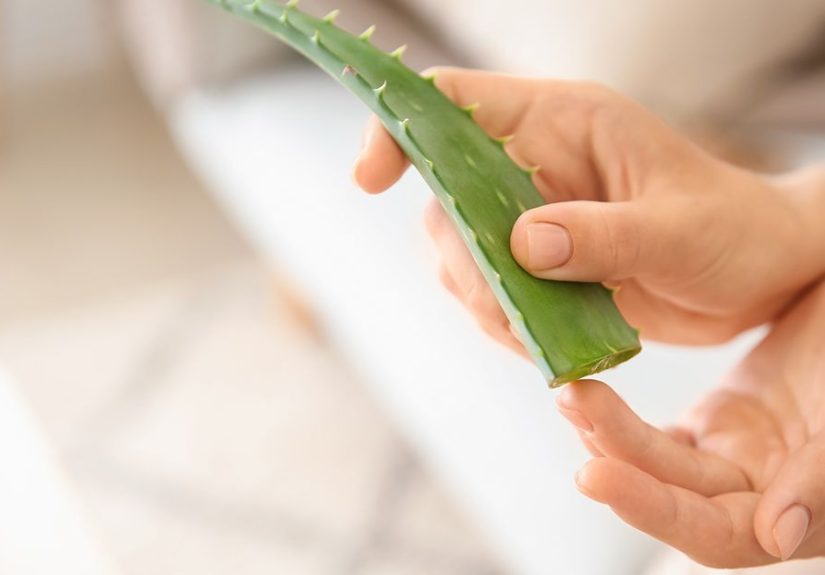
Aloe vera gel (from the inner leaf) is mostly water, plus polysaccharides and other bioactive compounds often linked to hydration and anti-inflammatory effects.
That sounds great for irritated skin, and in many people it feels cooling and calming. But “feels nice” and “clinically superior treatment” are not the same thing.
The key question is not whether aloe can soothe skin in general; it’s whether it works for your specific rash type better than, or in addition to, standard care.
Important distinction: rash vs. wound vs. burn
Many aloe studies focus on burns or wound healing, not classic rashes like eczema, allergic contact dermatitis, or fungal rashes.
If we apply burn data to all rashes, we risk overpromising. Think of skin problems like tools in a toolbox: a screwdriver is greatuntil you need a wrench.
Aloe may be one useful tool, but not every tool.
What Research Says by Rash Type
1) Contact Dermatitis (irritant or allergic)
Contact dermatitis happens when skin reacts to irritants (like detergents) or allergens (like fragrance or preservatives).
In this category, aloe may provide comfort, but treatment still centers on trigger avoidance and barrier repair.
If you keep applying the product that caused the rash, aloe won’t magically negotiate peace between your skin and that irritant.
Clinical guidance for contact dermatitis emphasizes:
- Stop exposure to the trigger immediately.
- Use bland moisturizers and cool compresses.
- Use anti-inflammatory treatment when needed (often topical steroid guidance from a clinician).
- Consider patch testing for recurring or unexplained rashes.
Aloe can fit into this plan as a supportive moisturizer/soother, but it is usually not the main treatment.
2) Eczema / Atopic Dermatitis
If you’re hoping aloe is the one-jar cure for eczema flares, current evidence is not strong enough to promise that.
Some studies suggest improvement in inflammatory symptoms, especially in formulations where aloe is combined with other agents.
But across high-quality evidence summaries, data remain limited and inconsistent for eczema specifically.
Translation: aloe might help some individuals feel better, but it should complement proven eczema basics:
daily emollients, trigger control, and targeted anti-inflammatory treatment during flares.
3) Psoriasis-like rashes
Psoriasis research on aloe is famously mixed. Older randomized trials reported impressive improvements in some groups,
while other controlled studies found modest or placebo-level outcomes. Another trial showed aloe performing similarly (or slightly better on some clinical scores) versus a topical steroid comparator.
What does that mean in practical language? Aloe might be helpful for some patients, but findings are inconsistent enough that it should not replace dermatologist-directed psoriasis treatment.
4) Radiation-related dermatitis
Research is also split here. A well-known older phase III trial found no protection with a specific aloe regimen, while newer pooled analyses of multiple randomized trials suggest a lower risk of certain grades of radiation dermatitis with prophylactic aloe.
Heterogeneity across studies is high, so results are encouraging but not definitive.
If someone is receiving radiation therapy, aloe use should be coordinated with the oncology team, since timing, product composition, and skin protocol matter.
5) Burn-associated irritation (not all rashes, but relevant)
Several reviews suggest aloe may speed healing time in some first- and second-degree burn contexts. This is one area where evidence appears more favorable.
Still, severe burns or infected skin are medical problems first, home remedy experiments second.
Why Results Are So Inconsistent
One reason aloe studies disagree: “aloe vera product” can mean wildly different formulas. Some are mostly pure inner-leaf gel; others include alcohol, fragrance, preservatives, colorants, essential oils, or barely any aloe at all.
Two bottles can both say “aloe” and behave like completely different products on reactive skin.
Other reasons include:
- Different rash diagnoses lumped together in studies.
- Small sample sizes in many trials.
- Different outcome measures and treatment durations.
- Placebo effects from cooling, hydration, and routine skin care.
Safety: Yes, Mostly Safe TopicallyBut Not Risk-Free
Topical aloe is generally well tolerated, but reactions can happen. Reports include burning, itching, rash, or eczema-like irritation.
Rare allergic contact dermatitis cases exist, especially when people use homemade or poorly formulated products.
On the flip side, some patch-testing work has found low sensitization rates to certain aloe preparations.
Bottom line: uncommon does not mean impossible.
Patch test first (seriously)
Before applying aloe to a large rash area:
- Apply a small amount to a 1-inch patch on inner forearm.
- Wait 24–48 hours.
- If no reaction, try a limited area first before full use.
Watch out for product add-ins
If your skin is reactive, avoid formulas with:
- Fragrance/parfum
- Denatured alcohol
- Essential oil blends
- Strong botanical “cocktails”
- Unclear preservative systems
Sensitive skin often prefers short ingredient lists and boring labels. Boring is beautiful when your skin barrier is in rebellion.
How to Use Aloe Vera for Rashes (Smart, Not Random)
Step 1: Identify likely rash category
Aloe may help soothe mild irritation, but if the rash is fungal, bacterial, medication-related, or autoimmune, soothing alone won’t solve the cause.
If you’re unsure what the rash is, diagnose first, optimize second.
Step 2: Keep routine minimal for 7–10 days
- Gentle cleanser (or just lukewarm water on inflamed patches).
- Bland moisturizer (ceramide-rich preferred).
- Aloe gel once or twice daily only if tolerated.
- Stop experimental products during active flares.
Step 3: Use aloe as an adjunct, not replacement
For eczema or allergic rashes, aloe can support comfort while proven anti-inflammatory therapy does the heavy lifting.
Think of aloe as the backup singer, not always the lead vocalist.
Step 4: Track outcomes like a mini clinical trial
Keep a simple daily log:
- Itch score (0–10)
- Redness score (0–10)
- Burning/stinging (yes/no)
- New areas spreading (yes/no)
- Sleep disruption from itch (yes/no)
If there is no clear improvement in 3–7 days, or symptoms worsen, move on and seek medical guidance.
When Aloe Is a Bad Idea
- Open, deep, or infected wounds (pus, foul odor, crusting, fever).
- Rapidly spreading rash.
- Rash with facial swelling, wheezing, throat tightness, or breathing symptoms (urgent/emergency care).
- Painful blistering rashes or rashes involving eyes/genitals.
- Persistent rashes that keep recurring despite “natural” care.
Common Myths About Aloe Vera for Rashes
“Natural means zero side effects.”
Nope. Natural substances can still irritate, sensitize, or interact with compromised skin.
“If one layer helps, five layers help more.”
Over-application can increase occlusion, trap heat/sweat, and irritate reactive skinespecially with additive-heavy formulas.
“If aloe helps burns, it cures every rash.”
Different skin problems have different biology. Burn-healing data cannot be copy-pasted onto every dermatitis type.
“Homemade aloe from the leaf is always safer.”
Not necessarily. Improper prep may leave irritant leaf components or contamination. Store-bought products also vary wildly.
Safety depends on formulation quality and your individual skin response.
The Practical Verdict
Aloe vera can be useful for mild irritation and may help certain skin conditions in some people.
But for many rashes, evidence is mixed, product quality is inconsistent, and diagnosis matters more than internet confidence.
Best use case: a low-risk supportive option in a broader evidence-based plan.
If your rash is persistent, painful, spreading, or recurrent, get a professional diagnosis. The fastest route to calm skin is usually not “more products”it’s the right product for the right rash.
Extended Experiences: 500+ Words from Real-World Patterns
The following experiences are composite educational examples based on common clinical-style patterns people report when trying aloe vera for rashes. They are not individual medical records, but they illustrate what tends to happen in everyday life.
Experience 1: “It helped the itch, but not the cause.”
Mia developed a red, itchy patch on her wrist after switching laundry detergent. She applied a clear aloe gel from the pharmacy and felt immediate cooling relief.
The itch dropped from an 8 to a 5 within an hour, and she thought she had solved it. Two days later, the rash was still present, just less dramatic.
She eventually realized she was still wearing the same detergent-washed sweater every day. Once she rewashes clothing, switches to fragrance-free detergent, and adds a bland moisturizer, the rash finally settles.
Her takeaway: aloe was helpful for comfort, but trigger removal did the real healing.
Experience 2: “A fancy aloe product made things worse.”
Jordan bought an “ultra-botanical aloe rescue gel” with lavender oil, peppermint extract, and a long list of plant actives.
He used it on a mild neck rash and felt a cooling sting at first“maybe that means it’s working,” he thought.
By the next morning, redness spread and the skin felt tight and prickly. He stopped the product and switched to a minimalist routine: lukewarm rinse, fragrance-free moisturizer, and no new products.
Within 72 hours, irritation calmed substantially.
His takeaway: when skin is inflamed, complicated formulas can backfire. Boring beats fancy.
Experience 3: “Aloe was useful as a sidekick in eczema care.”
Priya has recurring flexural eczema. During flares, she follows her clinician’s plan with anti-inflammatory treatment and heavy moisturization.
She added pure aloe gel once daily on hot, itchy afternoonsnot as a replacement, but as a comfort layer between prescribed treatments.
She reported less scratching and better daytime comfort, though she noticed that aloe alone did not prevent future flares.
She also learned to patch-test every new bottle because one brand worked beautifully, while another caused mild stinging.
Her takeaway: aloe can improve comfort in a structured regimen, but it is not a stand-alone eczema strategy.
Experience 4: “The rash wasn’t eczema at all.”
Leo treated a ring-shaped rash on his torso with aloe for two weeks because it looked “dry and irritated.”
It felt cooler after each application but slowly expanded outward.
At a clinic visit, he learned it was a fungal infection. Once started on the appropriate antifungal treatment, it improved quickly.
He later joked that aloe had been “a very polite bystander.”
His takeaway: symptom relief can mask progression. If a rash keeps growing or changing shape, diagnosis first.
Experience 5: “Short-term win, long-term confusion.”
Elena used aloe on mild summer heat rash and saw quick improvement. Encouraged, she started using aloe on every skin issue:
random dryness, shaving bumps, underarm irritation, even facial breakouts.
Some spots improved; others got worse. When she tracked patterns, she discovered she was reacting to one fragranced aloe product and doing fine with another fragrance-free version.
She simplified her routine, kept a symptom log, and reserved aloe for specific situations where it consistently helped.
Her takeaway: skin care is less about trends and more about reproducible personal response.
Experience 6: “Aloe helped aftercare, not acute inflammation.”
After a mild irritant flare calmed with proper treatment, Sam used aloe during recovery when skin still felt dry, tight, and heat-sensitive.
In that lower-inflammation phase, aloe felt soothing and reduced discomfort without causing irritation.
During active flares, however, even gentle products sometimes stung.
His takeaway: timing matters. Aloe may be better tolerated during recovery than during peak inflammation.
Across these patterns, the same lesson appears again and again: aloe can be genuinely helpful for comfort, but results improve most when it is paired with correct diagnosis, trigger control, and evidence-based treatment.
If your rash keeps coming back, the smartest “natural remedy” may be a dermatologist appointment and a patch-test panel.
Final Thoughts
Aloe vera deserves a place in the skin-care conversationbut not a crown. It can cool, hydrate, and sometimes support healing, yet it is not equally effective for every rash and every person.
Use it intentionally, test it cautiously, and let diagnosis guide decisions.
Healthy skin care is less magic potion, more smart method.