Table of Contents >> Show >> Hide
- What an Apple Cider Vinegar Bath Is (and Isn’t)
- Does an ACV Bath Actually Work? What the Evidence Says
- Conditions an Apple Cider Vinegar Bath May Help
- 1) Mild body odor (especially after workouts)
- 2) Dry, itchy skin (the “winter skin” crowd)
- 3) Eczema (atopic dermatitis): may soothe for some, irritate for others
- 4) Dandruff and “itchy scalp” vibes (better as a rinse than a full bath)
- 5) Athlete’s foot or mild fungal foot odor (foot soak > full bath)
- 6) Post-workout “bacne” or folliculitis-like bumps (maybe, but don’t overpromise)
- Claims You’ll See Online (But You Should Be Cautious About)
- How to Take an Apple Cider Vinegar Bath Safely (Step-by-Step)
- Who Should Skip Apple Cider Vinegar Baths (or Ask a Clinician First)
- Common Mistakes (a.k.a. “How People Accidentally Turn This Into a Problem”)
- FAQs
- Conclusion
- Extra: Real-World Experiences and Tips People Share (About )
Apple cider vinegar baths (a.k.a. “ACV baths”) are having a momentagain. If you’ve ever looked at a bottle of apple cider vinegar and thought,
“Could this help my itchy skin… or am I about to pickle myself like a human cucumber?” you’re in the right place.
Here’s the honest, evidence-informed scoop: a properly diluted apple cider vinegar bath might help certain skin and odor-related issues for
some people, mostly by supporting the skin’s natural acidity and discouraging some microbes. But it can also irritate skin (and yes, cause chemical
burns if used undiluted). So we’re going to do this the smart way: what it may help, what it probably won’t, and exactly how to take one safely.
What an Apple Cider Vinegar Bath Is (and Isn’t)
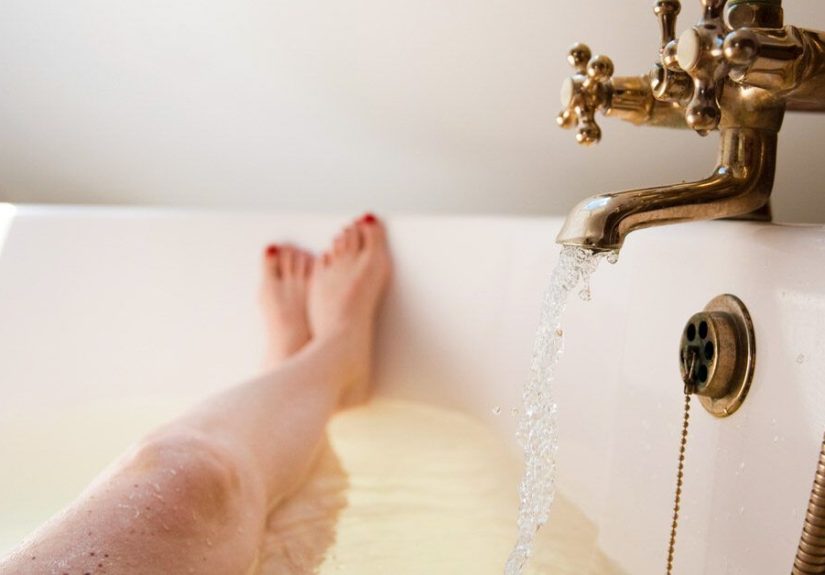
An apple cider vinegar bath is simply a warm (not hot) bath with a small amount of apple cider vinegar mixed into the water.
Most store-bought ACV is about 5% acetic acid. In a full bathtub, the goal is heavy dilutionthink “spa water,” not “salad dressing.”
Why people try it
- Skin pH support: Healthy skin is slightly acidic. Some skin conditions (like eczema) are associated with a less-acidic skin surface.
- Deodorizing: Vinegar is famous for tackling smellson counters, in laundry, and sometimes on humans.
- Antimicrobial potential: Acetic acid can inhibit some bacteria and fungi in lab settingsreal skin is more complicated, but that’s the idea.
What it isn’t
- A cure for chronic skin disease
- A substitute for prescription treatment
- A good idea on broken skin, raw eczema patches, or anywhere you’d rather not feel “spicy”
Does an ACV Bath Actually Work? What the Evidence Says
The popularity of vinegar baths is way older than TikTok. Scientific research, however, is still catching upand results are mixed.
Small clinical studies in atopic dermatitis (eczema) have found that dilute apple cider vinegar soaks did not significantly improve
skin barrier measures, and irritation was common in participants.
Translation: some people feel better after an ACV bath, but “feels better” isn’t the same as “fixed the underlying condition.”
If you try it, treat it as a low-stakes experimentcarefully diluted, short soak, stop if it stings, and don’t keep doing it if you’re not seeing a benefit.
Conditions an Apple Cider Vinegar Bath May Help
Let’s talk about the most common reasons people Google “apple cider vinegar bath benefits” at 11:47 p.m. in a towel.
For each one, you’ll see a practical takewhat might help, what to watch out for, and when to skip the DIY route.
1) Mild body odor (especially after workouts)
Sweat itself isn’t the villainodor comes from bacteria breaking sweat down. Since vinegar is acidic, it may make the skin surface less welcoming to
some odor-causing bacteria. A short, diluted ACV bath can leave some people feeling fresher.
Best for: general “I smell like my gym bag” days.
Not for: irritated, freshly shaved, or broken skin (that can turn “fresh” into “why is my skin on fire?”).
2) Dry, itchy skin (the “winter skin” crowd)
Some people report that a diluted vinegar bath helps itch and tightness, possibly by supporting skin pH. That said, dry skin is usually a moisture
problem, not a vinegar deficiency. The biggest payoff often comes from what you do after the bath: pat dry and moisturize immediately.
3) Eczema (atopic dermatitis): may soothe for some, irritate for others
Eczema is a tricky one. The theory is reasonableeczema-prone skin can have higher pH, and acidity might support barrier function. But real-life studies
haven’t shown consistent barrier improvement, and many people experience irritation.
If you have eczema and want to try an ACV bath: keep it very dilute, keep it short, and do it only when your skin is not cracked,
bleeding, or oozing. If it burns, stop immediately and rinse.
4) Dandruff and “itchy scalp” vibes (better as a rinse than a full bath)
ACV is commonly used as a scalp rinse for dandruff or product buildup. The thinking: acidity can help break down residue and may discourage yeast that
contributes to dandruff in some people. A full-body bath isn’t necessary for thisyour scalp can be treated more directly (and cautiously) with a diluted rinse.
5) Athlete’s foot or mild fungal foot odor (foot soak > full bath)
Vinegar soaks are a popular home approach for mild fungal issues on feet. If your main issue is between-the-toes itch or foot odor, a targeted vinegar
foot soak is usually more practical than turning your whole bathtub into a science project.
Tip: If the skin is cracked, raw, or bleeding, skip vinegar and talk to a clinicianfungal infections can mimic other conditions and may need proper treatment.
6) Post-workout “bacne” or folliculitis-like bumps (maybe, but don’t overpromise)
Some people try ACV baths for body breakouts, assuming the antimicrobial angle might help. The issue: acne and folliculitis have multiple causes, and vinegar
can easily irritate already inflamed skin. If you’re prone to irritation, consider gentler options (like a benzoyl peroxide wash) and save vinegar for your salad.
Claims You’ll See Online (But You Should Be Cautious About)
Yeast infections and bacterial vaginosis
You’ll see ACV baths mentioned for vaginal yeast infections and BV. Here’s the caution: the vaginal environment is delicate, and adding acids (even “natural” ones)
can worsen irritation or disrupt the normal balance. If you suspect a yeast infection or BV, it’s safer to use evidence-based treatments and get medical guidance.
UTIs
A bath won’t treat a urinary tract infection. UTIs can become serious quickly, so symptoms like burning with urination, fever, flank pain, or blood in urine
deserve medical attention.
Sunburn
Some people claim vinegar helps sunburn, but sunburned skin is already inflamed and fragileacid can sting and irritate. Cool showers, aloe, gentle moisturizers,
hydration, and time are safer bets.
How to Take an Apple Cider Vinegar Bath Safely (Step-by-Step)
If you take only one thing from this article, make it this: never use undiluted apple cider vinegar on your skin.
Dilution is the difference between “maybe soothing” and “tiny chemical burn storyline.”
What you’ll need
- Apple cider vinegar (plain, no added oils; “with the mother” is optionalcloudy is fine)
- A bathtub (or a basin for a targeted soak)
- Measuring cup (eyeballing is how kitchen fires begin; let’s not bring that energy to skincare)
- Fragrance-free moisturizer for after
Recommended dilution
- Full bathtub: Start with 1/2 cup ACV in a full tub of warm water. If well-tolerated, some people go up to 1–2 cups.
- Foot soak: Try 1 part vinegar to 2–3 parts water in a basin.
Step-by-step instructions
- Fill the tub with warm (not hot) water. Hot water can worsen dryness and irritation.
- Add vinegar after the tub is filled and swish the water to mix evenly.
- Soak for 10 minutes the first time. If you tolerate it well, you can go up to 15–20 minutes.
- Keep sensitive areas out of the “splash zone.” Avoid getting vinegar water in your eyes, and be cautious around mucous membranes.
- Rinse (optional, but often smart). If your skin is sensitive, a quick lukewarm rinse can reduce lingering acidity.
- Pat drydon’t rub. Then moisturize immediately to lock in water and reduce post-bath dryness.
How often can you do it?
For most people who tolerate it, 1–2 times per week is plenty. Daily vinegar baths are more likely to irritate than to help.
If you’re treating a foot issue, short daily foot soaks are sometimes usedbut stop if skin gets red, tender, or cracked.
Who Should Skip Apple Cider Vinegar Baths (or Ask a Clinician First)
- Anyone with open cuts, cracked skin, or weeping eczema (acid + broken barrier = pain)
- People with very sensitive skin or a history of contact dermatitis
- Kids (especially with eczema)talk to a pediatrician/dermatologist first
- People with diabetes-related neuropathy or reduced sensation (you may not feel irritation quickly enough)
- Anyone using strong actives (retinoids, exfoliating acids, benzoyl peroxide) who is already dry/irritated
Common Mistakes (a.k.a. “How People Accidentally Turn This Into a Problem”)
Using it undiluted
This is the #1 nope. Undiluted vinegar can cause chemical burns. If you see advice that starts with “just dab it on full strength,” back away slowly,
like you’re leaving a haunted house but politely.
Staying in too long
More time doesn’t equal more benefit. It often equals more irritation. Start short.
Doing it on a “bad skin day”
If your skin is already inflamed, cracked, or raw, vinegar is not the comforting friend you need right now.
FAQs
Can I use white vinegar instead of apple cider vinegar?
Some dermatology guidance discusses diluted acetic acid (often from white vinegar) in certain contexts. Apple cider vinegar gets the spotlight because it’s trendy,
but the “active” idea is the acetic acid. Either way: dilution matters, and irritation is still possible.
Should the bath smell like a salad?
Lightly, yes. If your bathroom smells like you’re marinating ribs, you probably used too much.
What if it stings a little?
Mild tingling can happen for some people, but burning is a stop sign. Get out, rinse with lukewarm water, moisturize, and don’t retry without a gentler dilution.
Conclusion
An apple cider vinegar bath can be a reasonable, low-cost experiment for issues like mild body odor, occasional itchiness, or as part of a targeted foot soak routine
if you dilute it generously and keep the soak short. For eczema and other chronic skin conditions, the evidence is mixed and irritation is common, so proceed carefully.
When in doubt, a dermatologist can help you pick options that soothe your skin without turning your bathtub into a chemistry lab.
Extra: Real-World Experiences and Tips People Share (About )
Because the internet is basically one giant group chat, you’ll find a wide range of “ACV bath experiences”from “my skin felt baby-soft” to
“I regret everything, including my life choices.” The truth is usually in the middle, and the difference often comes down to dilution, skin condition,
and timing.
Experience pattern #1: “It helped the itch… but only when I moisturized right after.”
This one comes up constantly. People hop in, hop out, feel temporarily calmer, then forget the moisturizer and wonder why they feel dry again.
Baths (any baths) can increase water loss from the skin afterward. The folks who report the best results usually do the boring-but-effective part:
pat dry and apply a thick, fragrance-free moisturizer within a few minutes.
Experience pattern #2: “The first try was too strong.”
Many people start with the “2 cups in the tub” advice they saw online, then discover their skin is not auditioning for a hot sauce commercial.
A more common success story looks like this: they restart with 1/2 cup in a full tub, limit the soak to 10 minutes, and stop immediately if stinging starts.
If you’re nervous, do a patch test firstdab a tiny amount of diluted ACV water on a small area, wait, and see how your skin behaves.
Experience pattern #3: “Feet yes, full-body bath meh.”
People trying to address foot odor or athlete’s-foot-like itching often report that a foot soak feels more targeted and easier to repeat than a full bath.
It also uses less vinegar, which is a win for your wallet and your nose. A common routine is a 10–15 minute foot soak, then thorough drying (especially between toes),
followed by clean socks. The “drying well” part sounds basic, but it’s a big deal for fungus management.
Experience pattern #4: “Eczema folks are split into two camps.”
Some people with mild eczema say a very dilute ACV bath helps them feel less itchy. Others say it makes them flare instantly.
A frequent theme: it’s more tolerable when eczema is quiet (no cracks, no oozing) and much worse during an active flare.
Many also note that other bath add-inslike colloidal oatmealfeel gentler. If you’re in the “eczema camp,” treat ACV as optional and stop quickly if you react.
Experience pattern #5: “I wanted it to be a miracle.”
Totally relatable. But ACV baths are more like a supportive side character than the hero of the story. They may reduce funk, help you feel cleaner,
and soothe mild irritation. They’re unlikely to replace proven therapies for eczema, psoriasis, infections, or persistent rashes. If symptoms are worsening,
spreading, painful, or not improving, it’s time to bring in the professionalsno shame, and definitely no pickling.