Table of Contents >> Show >> Hide
- What Is Apple Cider Vinegar (and What’s “the Mother”)?
- Before You Sip: The Safe Way to Drink Apple Cider Vinegar
- The Classic Apple Cider Vinegar Drink Recipe
- Five Flavor Variations (Because Boredom Is the Real Detox)
- When to Drink It: Timing, Frequency, and Realistic Expectations
- How to Choose the Best Apple Cider Vinegar for Drinking
- FAQ: Quick Answers Without the Wellness Fog
- Conclusion
- Real-World Experiences: What People Notice (and How to Make It Work)
Apple cider vinegar (a.k.a. ACV) is the kitchen ingredient that somehow ended up with the social life of a celebrity. People put it in salad dressings, hair rinses, andmost famouslyinto a daily drink that promises to “do things.” Some of those things are legit (like adding a bright, tangy flavor and possibly helping with post-meal blood sugar for some people), and some are… let’s call them “wishful thinking with a splash of confidence.”
This guide gives you a genuinely tasty apple cider vinegar drink recipe, plus variations that won’t make your face fold in on itself. We’ll also cover the not-so-glamorous parts: proper dilution, protecting your teeth, and who should think twice before making ACV a daily habit. Because wellness is great, but so is keeping your enamel.
What Is Apple Cider Vinegar (and What’s “the Mother”)?
Apple cider vinegar is made by fermenting apple juice: yeast turns sugars into alcohol, and bacteria turn that alcohol into acetic acid. That acetic acid is the star of the showresponsible for ACV’s sharp taste and most of the research interest around vinegar. It’s also the reason you never want to drink it straight. ACV is strongly acidic.
You’ll often see bottles labeled “with the mother”. The “mother” is the cloudy, stringy sediment that can form in unfiltered vinegar. It’s basically a mix of proteins and friendly fermentation byproducts. Some people love it, some people are suspicious of it, and everyone agrees it makes the bottle look like it’s growing a tiny jellyfish. Flavor-wise, it can add a little complexity. Functionally, it’s not a magic potionjust a sign the vinegar is less processed.
Before You Sip: The Safe Way to Drink Apple Cider Vinegar
Rule #1: Dilute like you mean it
ACV is acidic enough to irritate your throat and contribute to enamel erosion over time if you drink it frequently without enough water. For most people, the “sweet spot” is a small amount of vinegar diluted into a full glass of water. If you’re new to it, start mild and work up only if you actually enjoy the flavor.
- Beginner dilution: 1 teaspoon ACV in 12–16 oz water
- Standard dilution: 1 tablespoon ACV in 8–12 oz water
- Strong (not for everyone): 2 tablespoons ACV in 12–16 oz water
Rule #2: Teeth are not optional
Here’s your enamel-friendly playbook:
- Drink it through a straw (positioned so the liquid bypasses your front teeth as much as possible).
- Don’t swish it around your mouth like you’re tasting a fancy wine. You’re not.
- Rinse with plain water afterward.
- Wait a bit before brushingacid softens enamel temporarily, and brushing right away can be rough on it.
Rule #3: If you’re on certain meds, ask first
ACV can interact with some medications and may affect potassium levels. If you take insulin, diuretics, or medications for blood sugar or blood pressure, or if you have kidney issues, it’s smart to check with a clinician before you commit to daily vinegar drinks. (A “natural” product can still be powerfulnature invented poison ivy, too.)
The Classic Apple Cider Vinegar Drink Recipe
This is the simplest version that still tastes like something you’d voluntarily drink again. Think of it as a tangy morning tonic that’s closer to lemonade than punishment.
Ingredients (1 serving)
- 8–12 oz cold or room-temperature water
- 1 tablespoon apple cider vinegar (start with 1 teaspoon if you’re new)
- 1–2 teaspoons honey or maple syrup (optional, but highly recommended for beginners)
- 1–2 teaspoons fresh lemon juice (optional, adds brightness)
- Ice (optional, but makes it feel like a “real drink”)
Instructions
- Add water to a glass.
- Stir in the apple cider vinegar.
- Add honey (or maple syrup) and lemon juice if using. Stir until fully dissolved.
- Taste and adjust: more water if it’s too sharp, a touch more sweetener if it’s too intense.
- Drink it steadily (not as a shot). Rinse your mouth with water afterward.
What it should taste like
A good ACV drink should taste tart and refreshinglike lemonade’s more dramatic cousin. If it tastes like you licked a pickle jar and regretted your life choices, add more water.
Five Flavor Variations (Because Boredom Is the Real Detox)
1) Ginger-Lemon Morning Tonic
Ginger adds warmth and a little zing that plays beautifully with vinegar. This is the “I wake up and choose productivity” version.
- 10–12 oz water
- 1 tablespoon ACV
- 1–2 teaspoons lemon juice
- 1 teaspoon freshly grated ginger (or 1/4 teaspoon ground ginger in a pinch)
- 1–2 teaspoons honey
2) Green Tea ACV Cooler
If plain water feels boring, chilled green tea makes a great base. It tastes lighter, and it’s easy to sip. Bonus: it feels like you’re drinking “a wellness beverage” instead of vinegar-water.
- 1 cup brewed green tea, chilled
- 1 tablespoon ACV
- 1 teaspoon maple syrup
- 1 teaspoon grated fresh ginger
- Lemon wedge to finish
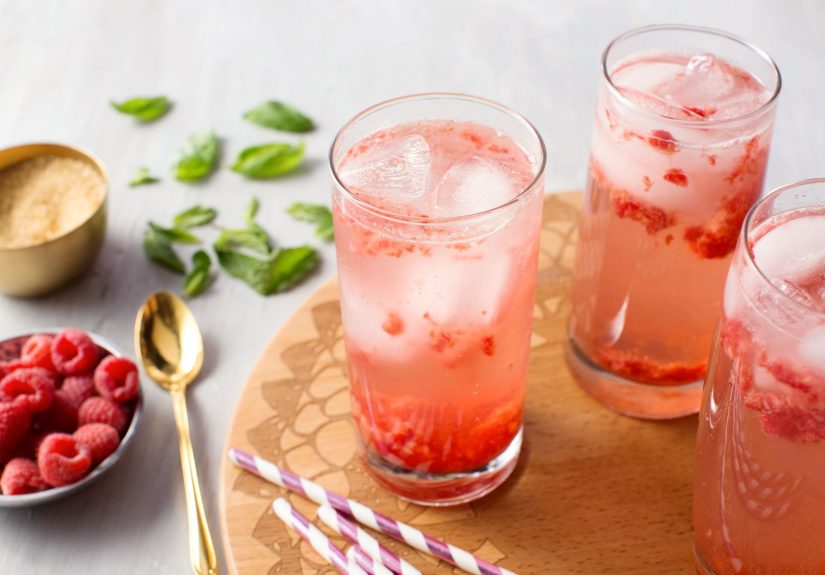
3) Sparkling Shrub-Style Seltzer (Mocktail Mode)
This is where ACV gets fun. Shrubs are old-school “drinking vinegars” used in cocktails and mocktails. You’re basically making a tangy soda that tastes fancy without trying too hard.
- 12 oz plain or citrus-flavored seltzer
- 1–2 teaspoons ACV (start smallbubbles amplify sharpness)
- 1–2 teaspoons simple syrup or honey (optional)
- Orange peel, lemon wheel, or a few crushed berries for garnish
Stir gently (to keep the fizz), sip slowly, and pretend you’re at a rooftop bar that only plays songs you actually like.
4) Warm “ACV Tea” (Cozy + Tangy)
Warm water softens the vinegar bite, and cinnamon makes the whole thing feel like a hug. Great when it’s cold out or when you want something soothing after a heavy meal.
- 12 oz hot (not boiling) water
- 1 tablespoon ACV
- 1 tablespoon lemon juice
- 1 tablespoon honey
- Pinch of cinnamon
5) Switchel-Style “Old-Timey Sports Drink”
Switchel is basically the original electrolyte drinkwater, vinegar, ginger, and a sweetener. It’s refreshing, lightly sweet, and surprisingly good over ice.
- 16 oz cold water
- 1 tablespoon ACV
- 1–2 teaspoons honey or maple syrup (or molasses if you want that deep flavor)
- Pinch of salt (optional, especially after a sweaty workout)
- Fresh ginger slices or grated ginger
When to Drink It: Timing, Frequency, and Realistic Expectations
People drink ACV for different reasons: taste, routine, digestion, or because they heard it might support blood sugar after meals. Research on vinegar suggests it may help blunt post-meal glucose spikes for some peopleespecially when taken with or shortly before a carbohydrate-heavy meal. But it’s not a replacement for medication, and it’s not a loophole that lets you “out-vinegar” a diet built on donuts and vibes.
Practical timing ideas
- Before a carb-heavy meal: A diluted ACV drink 10–20 minutes before eating is a common approach.
- With meals: Sip it alongside food to reduce throat irritation and make it easier on your stomach.
- Not on an empty stomach (if you’re sensitive): If you get heartburn or nausea, take it with food or skip it.
How often?
If you like it, once a day is plenty for most people. More isn’t automatically betterespecially with acidic drinks. Many credible medical sources suggest keeping daily intake modest (often topping out around 2 tablespoons per day), and paying attention to side effects like throat irritation or digestive discomfort.
How to Choose the Best Apple Cider Vinegar for Drinking
For an apple cider vinegar drink recipe, you don’t need a fancy bottle with a label that looks like it was designed by a woodland poet. But a few details help:
- Look for “apple cider vinegar” as the only ingredient (water may be included in some brands).
- “With the mother” is optionalchoose it if you like the taste and don’t mind the cloudiness.
- Avoid supplement hype (gummies, pills) if your goal is a simple drink routine; many contain added sugars and are regulated differently than foods and drugs.
- Storage: Keep the bottle tightly closed at room temperature; it’s shelf-stable and forgiving.
FAQ: Quick Answers Without the Wellness Fog
Can I drink apple cider vinegar straight?
Please don’t. Undiluted vinegar is harsh on your throat and teeth. Dilution is the whole game.
Does an ACV drink “detox” your body?
Your liver and kidneys already run a 24/7 detox program without charging a subscription fee. An ACV drink can be a low-calorie, flavorful alternative to sugary beverages, and it may support some people’s routines, but it’s not a magical cleanse.
What if I have acid reflux?
Vinegar can trigger symptoms for some people. If your reflux flares, stop and choose a gentler option (like herbal tea or plain water). “Listening to your body” is annoyingly good advice here.
Are ACV gummies the same?
Not really. They’re often sweetened, the vinegar amount varies, and supplements have different oversight than conventional foods and drugs. If you want ACV, a diluted drink (or using vinegar in food) is more straightforward.
Conclusion
The best apple cider vinegar drink is the one you’ll actually drinkbecause it tastes good, feels refreshing, and fits your life without causing drama. Keep it diluted, protect your teeth, and treat ACV like what it is: a tangy ingredient with some promising research and plenty of hype. If you want a simple daily ritual, start with the classic recipe, experiment with ginger or sparkling water, and keep your expectations realistic. Your health doesn’t need magic. It needs consistencyplus a beverage that doesn’t make you wince.
Real-World Experiences: What People Notice (and How to Make It Work)
Once people start making an apple cider vinegar drink at home, the first “experience” is usually emotional: surprise. Not because it’s life-changing, but because the taste is louder than expected. ACV isn’t subtle. A common beginner mistake is using too much vinegar in too little water, then deciding they “hate ACV” forever. In reality, they just made a glass of regret. The fix is simple: start with one teaspoon in a big glass of water, add a little honey, and treat it like learning coffeenobody loves espresso on day one.
Another real-world moment: figuring out your “timing personality.” Some people feel great drinking an ACV tonic in the morning; others discover that vinegar on an empty stomach turns their day into a stomach-acrobatics competition. A lot of folks end up happiest sipping it with meals or before a heavier, carb-forward meal (think pasta night, bagel breakfast, or takeout that comes in a paper bag that feels suspiciously warm). The big lesson: if it makes you feel queasy, don’t force it. Wellness shouldn’t feel like a dare.
Then there’s the “is this doing anything?” phase. Some people report they feel more satisfied after meals or that they snack less. Others notice nothing except that they’re drinking more waterwhich, honestly, is already a win. This is where expectations matter. If your goal is better hydration and a lower-sugar beverage habit, an ACV drink can help because it’s flavorful and doesn’t require a blender, protein powder, or a tiny whisk you’ll lose in the drawer. But if your goal is dramatic weight loss in two weeks, ACV is not a shortcut. It’s a condiment with a fan club.
Teeth experiences are also real. People who sip acidic drinks slowly over an hour (especially multiple times a day) may notice sensitivity over time. The “aha” moment is learning that how you drink it matters as much as what you drink: use a straw, drink it in a reasonable window, rinse with water, and don’t brush immediately afterward. Many people also find that adding lemon makes it taste brighter but also increases acidity, so they adjust by using more water and keeping it occasional, not constant.
Flavor experiments become a hobby. Once the classic recipe stops being “new,” people start customizing like they’re running a tiny beverage lab. Ginger is the most popular upgrade because it adds warmth and makes the drink feel intentional. Cinnamon is another favorite, especially in warm versions, because it gives “cozy” energy without adding sugar. Sparkling water versions (shrub-style) are where ACV becomes social: it’s the mocktail people actually want at night, especially when they’re cutting back on alcohol but still want a drink that feels special. A common win is mixing seltzer with a teaspoon of ACV and a squeeze of citrus, then adding mint or berriessuddenly it’s not “health stuff,” it’s just tasty.
Finally, people learn what “consistency” actually looks like. The most sustainable routines are simple: one diluted drink per day (or a few times per week), or using ACV in foods like salad dressing and marinades. Many end up rotating between vinegar drinks and vinegar-in-food depending on the day. That flexibility is the secret sauce. If you build your ACV habit around comfort, taste, and safety, it can stick. If you build it around punishment, you’ll quit the second a brunch menu appears. And let’s be honest: brunch always wins.