Table of Contents >> Show >> Hide
- Keto in 60 Seconds: Why Carbs Matter So Much
- Beans: Nutrition All-Star… With a Carb Price Tag
- Net Carbs 101 (and Why It’s Not Always Perfect)
- So… Which Beans Are Keto-Friendly?
- The “Best” Keto Beans Are Often… Not the Beans You Expected
- Can You Eat “Regular” Beans on Keto?
- How to Make Beans Work (Without Accidentally Eating 40g of Carbs)
- What If You Skip Beans Completely? (The Trade-Offs)
- FAQ: Beans and Keto, Answered Like a Normal Person
- Real-Life Experiences: What People Notice When They Try Beans on Keto
- Conclusion: The Bean Verdict
- Sources Consulted (No Links in Article)
- SEO Tags
Beans are the lovable overachievers of the pantry: cheap, filling, packed with fiber, and always ready to turn “I have nothing to eat”
into “I guess I’m making chili.” But keto is the diet that looks at a bean and says, “Cute… but how many carbs are you hiding in there?”
Soare beans keto-friendly? The honest answer is: some beans can fit, most beans don’t fit easily,
and how strict your keto is decides whether beans are an occasional cameo or a full-on “we need to talk” situation.
Let’s break it down with real numbers, practical portions, and a few ways to keep both ketosis and your taste buds on speaking terms.
Keto in 60 Seconds: Why Carbs Matter So Much
A ketogenic diet is generally very low carb, moderate protein, and higher fat. The goal is to encourage your body to rely
more on fat for fuel and produce ketones. Practically, this usually means keeping daily carbs low enough that there isn’t much room for
“carb-dense but healthy” foods.
Beans are healthyno question. The problem is that many common beans (black, pinto, kidney, chickpeas, lentils) come with a respectable
amount of starch. Keto doesn’t care that your carbs are polite, high-fiber carbs. Keto only cares that they’re carbs.
Beans: Nutrition All-Star… With a Carb Price Tag
Beans (and other legumes like lentils and chickpeas) are famous for:
- Fiber (great for digestion and fullness)
- Plant protein (helpful for balanced meals)
- Micronutrients like folate, potassium, magnesium, and iron
- Slow digestion compared with many refined carbs
But here’s the keto catch: many beans are “two things at once”they’re high in fiber and high in total carbs. On strict keto,
your carb “budget” is small. Beans can spend it fast.
Net Carbs 101 (and Why It’s Not Always Perfect)
In keto circles, you’ll hear “net carbs” a lot. The basic idea:
Net carbs = total carbs − fiber (and sometimes minus certain sugar alcohols).
This is useful because fiber doesn’t affect blood sugar the same way starch and sugar do. However, it’s not a flawless math trick:
different fibers and sugar alcohols behave differently in real bodies. So net carbs can be a helpful estimatebut it’s still an estimate.
So… Which Beans Are Keto-Friendly?
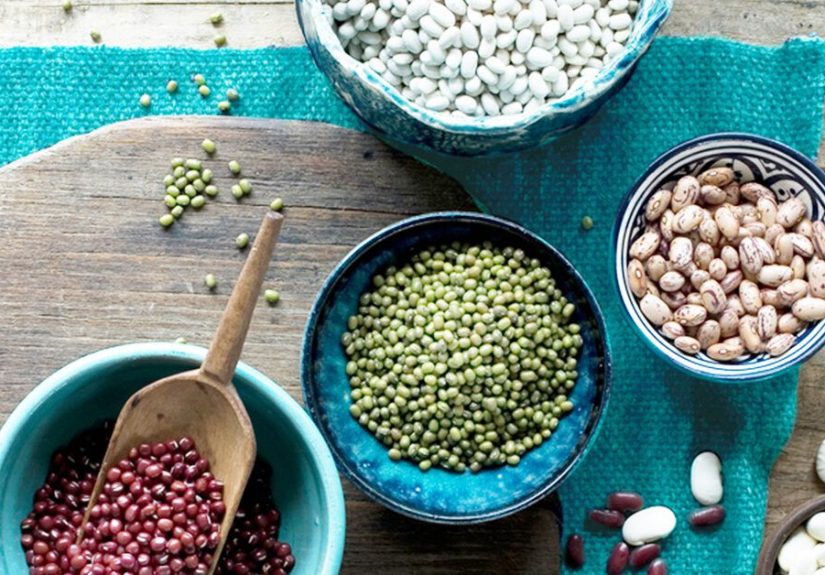
If you’re thinking of the classic “beans” (black beans, pinto beans, kidney beans), they’re usually not keto staples.
But a few options are much more keto-compatiblemainly because they’re either much lower in net carbs or eaten more like vegetables.
Quick Reference: Common Beans and Keto Compatibility
Note: Numbers vary by brand, canning liquid, and cooking method. These are practical, ballpark values for typical servings.
| Bean (Typical Serving) | Total Carbs | Fiber | Estimated Net Carbs | Keto Verdict |
|---|---|---|---|---|
| Green beans (1/2 cup cooked) | ~4g | ~2g | ~2g | Yes (very keto-friendly) |
| Black soybeans (1/2 cup canned) | ~8g | ~7g | ~1–2g | Yes (a keto favorite) |
| Edamame (1/2 cup shelled) | ~7g | ~4g | ~3g | Often yes (portion-friendly) |
| Black beans (1/2 cup cooked/canned) | ~20g | ~8g | ~12g | Sometimes (small portions only) |
| Pinto beans (1/2 cup cooked) | ~22g | ~7g | ~15g | Usually no (strict keto) |
| Kidney beans (1/2 cup cooked) | ~20g | ~6g | ~14g | Usually no (strict keto) |
| Chickpeas (1/2 cup cooked) | ~22g | ~6g | ~16g | Usually no (strict keto) |
| Lentils (1/2 cup cooked) | ~20g | ~8g | ~12g | Sometimes (careful portions) |
The “Best” Keto Beans Are Often… Not the Beans You Expected
If you want beans on keto without burning your entire carb allowance, these are your best bets:
1) Green Beans (Yes, They’re Beans… Kind Of)
Green beans behave more like a non-starchy vegetable than a starchy legume. They’re low in net carbs, easy to portion,
and fit into keto meals without drama. Think: sautéed green beans with garlic and butter, or roasted with olive oil and parmesan.
2) Black Soybeans
Black soybeans are the “secret handshake” of keto bean lovers. They tend to be extremely low in net carbs because much of the carbohydrate
is fiber. That makes them useful in keto-friendly chili, taco bowls, or saladswhere you want the bean texture without the carb hit.
3) Edamame
Edamame (young soybeans) offers a nice mix of protein, fiber, and relatively low net carbs. It’s also satisfyingone of those foods that
can keep you from hunting down snacks like a raccoon at midnight.
Can You Eat “Regular” Beans on Keto?
Here’s the practical reality: it depends on how strict your keto is and how you build the rest of your day.
If You’re Doing Strict Keto
If your daily carbs are very low, a standard serving of black beans or chickpeas can take up a big chunk of your daily allowance.
That doesn’t automatically mean “never,” but it usually means “rarely” and “tiny portion.”
If You’re Doing a More Flexible Low-Carb or “Relaxed Keto”
Some people aim for a slightly higher carb range or cycle carbs on certain days. In those approaches, beans can fit more easilyespecially
if you’re prioritizing fiber-rich carbs over refined ones.
How to Make Beans Work (Without Accidentally Eating 40g of Carbs)
If you love beans and want them to coexist with your keto goals, portion strategy matters more than bean “morality.”
Beans aren’t bad. They’re just… enthusiastic with carbs.
Use Beans as a Garnish, Not the Main Character
- Add 2–3 tablespoons of black beans to a taco salad instead of a half-cup.
- Stir a small spoonful into chili for texture, then load up on meat, peppers, and toppings.
- Use beans as a “sprinkle” in a bowl, not the base.
Pick the Right Bean for the Job
- Want a snack? Edamame often works.
- Want chili or stew? Black soybeans are usually the easiest fit.
- Want a side dish? Green beans keep carbs low and happiness high.
Watch for Sneaky Added Sugars
Some canned baked beans and “BBQ-style” beans are basically beans wearing a sugar coat. Check labels for added sugars and sauces that can
quietly raise carbs.
Rinse Canned Beans
Rinsing canned beans can reduce sodium and wash away some of the starchy liquid clinging to them. It won’t magically make them “keto,”
but it can make them a better fitespecially if you’re using a small amount.
What If You Skip Beans Completely? (The Trade-Offs)
Many people feel better on a lower-carb approach. But if you remove beans entirely, you might also remove:
- A major fiber source (which can affect digestion and comfort)
- Affordable plant protein (helpful for variety)
- Micronutrients that support overall health
If you’re keto and avoiding beans, it can help to “replace” what beans provided: get fiber from low-carb veggies, chia/flax, nuts/seeds
(in reasonable portions), and ensure your overall diet is balanced.
FAQ: Beans and Keto, Answered Like a Normal Person
Are refried beans keto-friendly?
Usually nottraditional refried beans are made from pinto beans (higher net carbs), and restaurant versions may include added starches.
A small scoop might fit for some people, but it’s easy to overshoot your carbs.
Is hummus keto-friendly?
Hummus is made from chickpeas, so it’s generally not a strict-keto staple. That said, many people can fit a small amount
(like 1–2 tablespoons) if the rest of their day is very low carb. Or consider “keto-style” dips made from cauliflower, avocado, or tahini-forward recipes.
What about peanutsare they beans?
Peanuts are legumes (surprise!). They’re often easier to fit on keto than many beans, but portions still matter.
Peanut products can also include added sugar or oils, depending on the brand.
Can beans kick you out of ketosis?
They can if the portion pushes your daily carbs beyond what your body tolerates for ketosis. Some people can stay in ketosis with a bit more carbs,
while others need to be stricter. If you’re tracking, the numbers will tell the story.
Real-Life Experiences: What People Notice When They Try Beans on Keto
The internet loves a dramatic “this food is forbidden” storyline, but real life is usually messierand funnier. When people experiment with beans on keto,
a few patterns pop up again and again.
1) The “Wait… that was my whole carb budget?” moment.
A very common experience is discovering that a “normal” serving of beans can take up most of your day’s carbs on strict keto. Someone makes a cozy bowl of chili
and thinks, “This is healthy!”then logs it and realizes the beans alone are doing the financial equivalent of buying front-row concert tickets on a ramen budget.
This is usually when portion sizes suddenly become very interesting.
2) The fiber whiplash.
People who go from eating plenty of beans to eating almost none sometimes notice digestive changes. Beans bring a lot of fiber; keto meals can become more
meat-and-cheese heavy if you’re not intentional. When beans reappear (even in a smaller portion), some people feel more “regular,” while others feel
a bit gassy at first. The takeaway: bodies like consistency. If beans have been gone for weeks, reintroducing them gently is often more comfortable than
a sudden “bean renaissance.”
3) The “black soybeans saved my chili” win.
Many keto eaters who miss hearty, comforting meals get excited when they find lower-net-carb options like black soybeans. They report that chili, taco bowls,
and soups feel more “complete” because the texture and bite is back. It’s one of those swaps that doesn’t feel like punishmentand on keto, that matters.
The emotional experience of food (satisfaction, comfort, normalcy) can be just as important as the macro count.
4) The social-food test.
Beans show up in real life: at family dinners, potlucks, burrito nights, and that one friend who always brings “famous” baked beans.
People often find that the easiest strategy is not “never touch beans,” but “take a small spoonful and build the rest of the plate smart.”
That approach feels less isolating. It also reduces the odds of the classic rebound scenario where strict rules lead to frustration and then
a sudden, suspiciously bean-heavy weekend.
5) The “I feel better with some carbs” realization.
Not everyone feels their best on ultra-strict keto forever. Some people notice better workout energy, mood, or digestion when they include modest amounts of
fiber-rich carbssometimes beans, sometimes other foods. That doesn’t mean keto “failed.” It can simply mean the most sustainable plan is the one that fits
your body and your life. (Also: your body is not a spreadsheet, even if tracking apps try to convince you otherwise.)
6) The label-reading upgrade.
Beans often nudge people into becoming better label readers. They start noticing added sugars in baked beans, carb differences between brands, and how serving sizes
can be… optimistic. That skill tends to spill over into other parts of keto: sauces, dressings, “healthy” snack bars, and anything that claims to be low-carb
while somehow tasting like dessert.
One important note: if you’re a teen, pregnant, breastfeeding, or managing a medical condition (especially diabetes), it’s smart to talk with a qualified clinician
before trying a very low-carb ketogenic diet. The goal isn’t to “win keto.” The goal is to make choices that are safe, realistic, and supportive of long-term health.
Conclusion: The Bean Verdict
Beans are nutritious, affordable, and genuinely good for many peoplebut most classic beans are not “keto-friendly” in standard portions on a strict
ketogenic diet. The good news is you’re not stuck choosing between ketosis and a life without bean-shaped joy.
- If you want the easiest keto fit: green beans, black soybeans, and edamame are typically the most compatible.
- If you love black beans, chickpeas, or lentils: treat them as small, occasional portions, not a daily staple.
- If fiber is why you miss beans: focus on low-carb fiber sources so your digestion doesn’t stage a protest.
Keto doesn’t have to be a “never again” lifestyle. With smart choices and realistic portions, you can keep beans in the conversationjust maybe not in the lead role.
Sources Consulted (No Links in Article)
- USDA FoodData Central (nutrient database)
- Dietary Guidelines for Americans (USDA & HHS)
- MyPlate (USDA) guidance on beans, peas, and lentils
- Harvard Health Publishing (keto overview and typical carb ranges)
- Harvard T.H. Chan School of Public Health (Nutrition Source: ketogenic diet review)
- Mayo Clinic (keto and low-carb guidance)
- Johns Hopkins Diabetes Info (keto macronutrients and carb ranges)
- American Diabetes Association (carbohydrates and “net carbs” considerations)
- UCLA Health (net carbs explanation)
- Cleveland Clinic (carbohydrates overview)
- NIH/NCBI clinical references on ketogenic diet applications
- Verywell Fit / Verywell Health (USDA-based nutrition summaries for beans/edamame)
- EatingWell (keto food guidance and nutrition context)
- Healthline (bean-specific keto compatibility summaries)