Table of Contents >> Show >> Hide
- What Counts as a Cold Plunge?
- What Happens in Your Body When You Go Cold?
- Potential Benefits: What the Evidence Supports (and Where It’s Wobbly)
- 1) Post-workout soreness and perceived recovery (best-supported use)
- 2) Mood, alertness, and stress resilience (promising, not settled)
- 3) Sleep (mostly anecdotal, possibly indirect)
- 4) Inflammation and pain (context matters)
- 5) Metabolism and weight loss (the most overhyped claim)
- 6) Immunity (mixed, and easy to misunderstand)
- Risks and Who Should Be Extra Careful
- Cold Plunge Myths That Need a Time-Out
- How to Think About Cold Plunges Like a Smart Person (Not a Dare)
- What Researchers Still Don’t Know
- So… Are Cold Plunges Really Good for You?
- of Real-World Cold Plunge Experiences (What People Actually Notice)
Cold plunges have officially joined the Wellness Hall of Fame right next to celery juice, weighted blankets, and
people who say “I just love a 5 a.m. workout” with a straight face. Scroll any social feed and you’ll see
someone lowering themselves into icy water like a human tea bag, insisting it’s changing their life.
But are cold plunges actually good for your healthor are they mostly a very dramatic way to feel
alive for 90 seconds?
Let’s break down what the science suggests (and what it definitely does not), what benefits seem most plausible,
who should be careful, and how to think about cold water immersion without turning it into a “no pain, no brain”
situation.
What Counts as a Cold Plunge?
“Cold plunge” is basically the trendy umbrella term for cold water immersion: placing part or all
of your body in cold water for a short period. In the real world, it can look like:
- Ice baths in a tub after workouts
- Cold plunge tanks at gyms or wellness studios
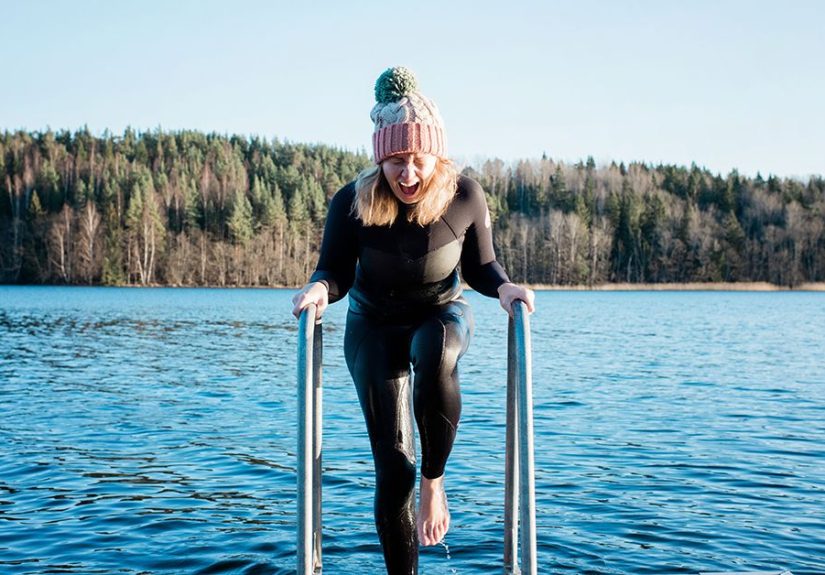
- Outdoor cold-water dips (lakes, ocean, winter swims)
- Cold showers (the “starter pack” version for many people)
People do it for different reasonsrecovery, mood, “discipline,” sleep, stress relief, metabolism, and sometimes
because their friend said it builds “mental toughness” and they didn’t want to look weak in front of the group
chat.
What Happens in Your Body When You Go Cold?
Your nervous system hits the “ALERT!” button
Sudden cold exposure can trigger a stress response. You may gasp, breathe faster, and feel your heart pound.
That’s your body reacting to the cold as a potential threat. This is one reason cold plunges can feel
instantly energizingyour system is basically yelling, “WE ARE DEFINITELY NOT NAPPING RIGHT NOW!”
Your blood vessels constrict, then rebound
In cold water, blood vessels near the skin constrict (vasoconstriction), which can reduce surface blood flow.
Afterward, rewarming can increase circulation again. This vascular back-and-forth is part of why some people
describe feeling “tingly,” warm, or flushed afterward.
Stress chemicals and neurotransmitters may shift
Cold exposure can influence stress hormones and brain chemicals involved in alertness and mood. Some small studies
and reviews suggest changes that may align with improved mood or reduced perceived stress in certain people.
Translation: it’s possible cold plunges can make you feel betterespecially in the short termbut your body is
not “resetting” into a new life form.
Potential Benefits: What the Evidence Supports (and Where It’s Wobbly)
1) Post-workout soreness and perceived recovery (best-supported use)
The most consistent evidence for cold water immersion is in the sports and exercise world. Many athletes use cold
baths after intense training to reduce muscle soreness and improve how recovered they feel.
Research reviews commonly report small-to-moderate improvements in soreness and subjective recoveryespecially
after hard endurance or repeated high-intensity efforts.
Example: If you ran hill sprints yesterday and your legs feel like two overcooked noodles today, cold exposure may
reduce the “ow” factor enough to help you function. It’s not a magic eraser, but it can be a useful tool in the
recovery toolbox.
One important nuance: soreness relief isn’t always the same as better long-term training adaptation. Some research
suggests frequent cold immersion immediately after strength training may blunt certain muscle-building signals.
That doesn’t mean “cold plunges kill gains,” but it does suggest timing and goals matter.
2) Mood, alertness, and stress resilience (promising, not settled)
Many people swear cold plunges help anxiety, mood, and focus. The science here is interesting but still developing.
Some studies report short-term improvements in self-reported mood states after cold water immersionpeople feeling
more alert, energized, and less tense.
Part of this may be biology (stress response + neurotransmitter shifts). Part may be psychology: you did something
hard, you proved to yourself you could, and your brain rewards that. Also, the post-plunge “I survived” glow is
real. It’s basically the human version of a dog zooming around the living room after a bath.
3) Sleep (mostly anecdotal, possibly indirect)
Some people report better sleepespecially if cold plunging helps them downshift stress or cool down after
exercising. But research isn’t definitive, and sleep is complicated. If your plunge is stimulating and done too
close to bedtime, you may feel amped instead of sleepy. Your nervous system didn’t sign a contract to be calm just
because a wellness influencer said so.
4) Inflammation and pain (context matters)
Cold therapy can reduce pain perception and temporarily reduce inflammation signals. That’s why ice packs exist.
But “inflammation” is not a single villain. After workouts, some inflammation is part of adaptation. For certain
people, cold may feel helpful for aches; for others, it’s unnecessary. For chronic conditions, it’s best viewed as
an adjunctnot a primary treatment.
5) Metabolism and weight loss (the most overhyped claim)
Cold exposure can increase energy expenditure because your body works to maintain temperaturesometimes including
shivering. There’s also scientific interest in brown fat activation. But the leap from “cold can raise energy
expenditure” to “cold plunges melt fat” is… ambitious.
If you love cold plunges and they help you stick to training and healthier habits, greatindirectly, that can help
with weight goals. But cold plunging alone is not a reliable fat-loss strategy. Otherwise the frozen food aisle
would be a fitness studio.
6) Immunity (mixed, and easy to misunderstand)
Cold exposure may influence immune markers, but “boosted immunity” is a messy claim. Some studies suggest fewer
reported sick days in people doing cold exposure routines, but that doesn’t always mean fewer infections. It may
reflect differences in stress, sleep, exercise, and overall lifestyle. In other words: cold plungers may also be
the type who drink water, go outside, and don’t treat sleep like an optional subscription.
Risks and Who Should Be Extra Careful
Cold plunges can be risky, especially with sudden immersion. The “cold shock” response can spike breathing rate,
heart rate, and blood pressure. Prolonged exposure can also lead to dangerous drops in core body temperature.
Be cautious (or skip it) if you have:
- Heart disease, a history of heart rhythm issues, or unexplained fainting
- Uncontrolled high blood pressure
- Circulation problems or conditions that increase cold sensitivity (like Raynaud’s)
- Diabetes with neuropathy or reduced temperature sensation
- Any medical condition where sudden stress on the body could be unsafe
Also: outdoor cold-water plunges can add risk factors like waves, currents, and slipping. If you’re doing any form
of cold-water immersion, it should be approached with caution, good judgment, and ideally guidance from a
qualified clinicianespecially if you’re new to it.
Think of it this way: a cold plunge is not a personality test. You don’t earn bonus points for suffering, and your
body doesn’t care about your grit narrative.
Cold Plunge Myths That Need a Time-Out
Myth: “If it’s uncomfortable, it must be healing.”
Discomfort can be part of training and growth, but it’s not proof of benefit. Sometimes it’s just your body
saying, “Please stop doing weird things to me.”
Myth: “Cold plunges detox your body.”
Your liver and kidneys handle detoxification. A cold plunge can make you feel refreshed, but it doesn’t “flush
toxins” like you’re a Brita filter with legs.
Myth: “More cold = more results.”
Longer and colder isn’t automatically better. Risk goes up with extremes, and benefits do not scale endlessly.
Consistency, purpose, and safety matter more than bravado.
Myth: “Cold plunges replace mental health care.”
Some people find cold exposure helps mood and stress in the moment. That’s valuablebut it’s not a substitute for
therapy, medication (when needed), or other evidence-based mental health support.
How to Think About Cold Plunges Like a Smart Person (Not a Dare)
Cold plunges make the most sense when they’re used for a specific purposeusually recovery or
short-term stress reliefand when they don’t compromise safety or your bigger goals.
Match the tool to the goal
-
For soreness after brutal training: cold exposure may help you feel less sore and more ready to
move the next day. -
For daily strength or muscle growth goals: be mindful about relying on cold immediately after
every session, since adaptation signals may be affected in some contexts. -
For stress: you might get a short-term mood lift, but pairing cold exposure with basics like
sleep, nutrition, and regular movement is usually what makes it sustainable.
Consider lower-risk alternatives
You don’t need to go full “polar expedition” to experiment with cold exposure. Some people start with cooler
showers, shorter exposures, or localized cooling (like cold packs) depending on their goal. The safest plan is the
one you can repeat without putting yourself in danger.
What Researchers Still Don’t Know
Cold plunges are popular, but research is still catching up to the hype. We need more high-quality trials that
clarify:
- Which benefits are consistent across different people (not just hardy enthusiasts)
- What “dose” (frequency, intensity) actually helps vs. harms
- How cold immersion interacts with strength gains, endurance, and long-term health markers
- Who should avoid it entirely based on health risk
Right now, the honest takeaway is that cold plunges are not a universal health hack. They’re a
tool with some plausible benefits, real risks, and a big marketing engine strapped to the back.
So… Are Cold Plunges Really Good for You?
Sometimesdepending on who you are and why you’re doing it.
If you’re generally healthy and using cold plunges primarily for post-exercise soreness or a short-term mental
reset, you may find them helpful. The best-supported benefit is improved perceived recovery and reduced soreness
after intense training. Mood and stress benefits are promising but less settled, and many “big” claims (like
effortless weight loss or immune superpowers) are often exaggerated.
The biggest mistake is treating cold plunging like a moral achievement instead of a physiological stressor. It’s
a stressor you can chooseso you should choose it wisely. If you have heart concerns, blood pressure issues,
circulation problems, or other medical risks, cold plunges can be dangerous and should be discussed with a
healthcare professional.
In short: cold plunges can be beneficial for some people in some situationsbut they’re not mandatory for health,
and they’re definitely not worth gambling with your safety.
of Real-World Cold Plunge Experiences (What People Actually Notice)
Talk to a mixed crowd of cold-plunge fansathletes, busy professionals, weekend hikers, and the occasional
“biohacker” who owns more supplements than socksand you’ll hear a surprisingly consistent set of experiences.
First, almost everyone mentions the first 15–30 seconds as the “negotiation phase,” where your
brain tries to renegotiate every life choice that led you here. People describe a burst of rapid breathing, a
strong urge to get out, and an immediate “why is water doing this to me?” feeling. Those who stick with it often
say that once breathing settles, the discomfort becomes more manageableless panic, more endurance.
Athletes commonly report that plunges feel most useful after workouts that create a lot of muscle sorenesslong
runs, high-volume legs, repeated sprints, or tournament weekends. A typical story goes like this: “I didn’t feel
magically healed, but I felt less wrecked the next morning.” Some also say it helps them keep moving on
recovery days because stiffness feels reduced. On the flip side, plenty of strength-focused lifters notice that
cold plunges right after heavy lifting can leave them feeling “flat” or less warm and looseso some shift cold to
later in the day or only after especially punishing sessions. The common theme: people experiment until the
routine matches their training goals.
For non-athletes, the most repeated “benefit” is psychological: a clean mental reset. Office workers describe it as
a hard reboot that cuts through fogginesslike coffee, but with more screaming. People who struggle with stress
often say the plunge forces them into a single task: control breathing and stay present. That can feel meditative,
especially for those whose minds run like a browser with 37 tabs open. Many also mention a post-plunge mood lift:
not euphoria forever, but a noticeable shiftcalmer, clearer, or more awake for an hour or two.
Another frequent experience is the social element. Group plunges can feel like a supportive ritual: friends keep
each other grounded, share tips, and create a sense of accomplishment. Some people say the community aspect is
secretly the biggest “health benefit,” because it helps them stay consistent with exercise and other routines.
That mattershabits stick better when they’re tied to identity and connection, not just willpower.
Of course, real-world experiences also include the downsides. Some people feel dizzy or overly stressed afterward.
Others find that plunging too often becomes draining rather than energizingespecially when sleep, nutrition, or
overall stress is already poor. And many learn an important lesson: cold plunging is not a contest. The people who
benefit most tend to treat it as an optional tool, not a daily punishment. They listen to their body, avoid
extremes, and prioritize safetybecause feeling “tough” isn’t worth feeling terrible.