Table of Contents >> Show >> Hide
- The Artist Who Made Tattooed Celebrities Go Viral
- Why This Idea Works So Ridiculously Well
- The Technique Behind the Illusion
- Why Tattoos Make Such Strong Visual Symbols
- Celebrity Examples That Make the Trend Memorable
- More Than a Gimmick: What This Trend Says About Celebrity Culture
- The Experience of Seeing Celebrities “Tattooed” in Photoshop
- Conclusion
- SEO Tags
What if Audrey Hepburn had a face tattoo, Princess Diana had a sleeve, and old Hollywood suddenly looked like it walked straight out of a tattoo convention with excellent lighting? That is the strange little magic behind Artist Tattoos Celebrities In Photoshop, a viral art concept that turns polished celebrity portraits into alternate-universe character studies. It sounds silly at first. Then you look closer. Then you zoom in. Then you start wondering why Marilyn Monroe somehow looks completely natural with heavy ink on her arms.
This is the kind of internet art that works because it hits two fascinations at once: our obsession with celebrity images and our obsession with tattoos as personal storytelling. Put those together in Photoshop, add enough realism to make people do a double take, and you get a format that is funny, stylish, slightly rebellious, and weirdly thoughtful. It is not just about slapping random ink on famous people. The best versions feel like visual fan fiction, fashion commentary, and tattoo culture appreciation rolled into one highly shareable image.
At the center of this conversation is artist Cheyenne Randall, whose celebrity tattoo manipulations helped define the genre. But the bigger reason this topic keeps circulating online is that it says something about how we now look at fame, beauty, authenticity, and body art. In other words, it is Photoshop with a side of cultural analysis, which is a very internet sentence, but also an accurate one.
The Artist Who Made Tattooed Celebrities Go Viral
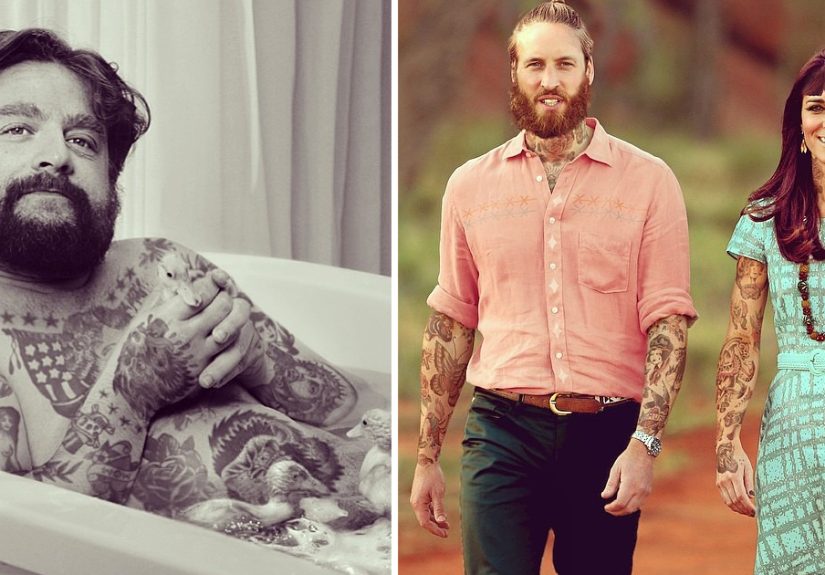
When people talk about an artist tattooing celebrities in Photoshop, they are usually talking about Cheyenne Randall’s now-famous body of work. His edited portraits took stars and public icons who were known for elegance, classic beauty, or carefully managed public images and gave them bold, dramatic tattoos. Suddenly Audrey Hepburn was less breakfast at Tiffany’s and more breakfast after an appointment at a very talented ink studio.
What made Randall’s work stand out was not just the concept, but the execution. He reportedly began by literally drawing tattoos on magazine photos with a pen before teaching himself Photoshop. Later, he started using vintage tattoo flash, isolating the artwork, reshaping it, and blending it into the body so it looked surprisingly believable. That process matters. A lazy digital tattoo looks like a sticker. A good one looks like it has lived on the skin for years, soaked up a little sunlight, and already inspired three regrettable relationships.
His celebrity edits took off because they were built on a simple but powerful question: what would these familiar public figures look like if they had lived in another era, chosen another subculture, or built a completely different visual identity? That “parallel universe” feeling is the secret sauce. The images are playful, but they are also strangely persuasive.
Why This Idea Works So Ridiculously Well
It collides elegance with rebellion
Celebrity photography often aims for polish, control, and brand consistency. Tattoos represent almost the opposite energy: personality, risk, symbolism, and visible decisions that cannot be easily shrugged off. When you place elaborate tattoo work on a face the public has known for decades, the image suddenly gains tension. It becomes familiar and unfamiliar at the same time, and that tension is what makes people stop scrolling.
It gives viewers instant storytelling
Tattoos are never just decoration. Even when they are purely aesthetic, people read them as clues. A rose, a dagger, script on the knuckles, a sacred heart on the chest, an eagle across the shoulder: these details suggest history, heartbreak, loyalty, danger, grief, swagger, or all of the above before a single caption appears. Photoshop celebrity tattoos work because they create a backstory without needing dialogue. The image says, “You know this person, but maybe you do not.”
It turns celebrity branding inside out
Stars are already curated images. Their hair, clothes, posture, and styling are all part of an ongoing performance. Adding tattoos digitally pushes that idea to its logical extreme. It is not pretending to be documentary truth. It is more like visual commentary on how flexible image-making has become. In a media world built on filters, retouching, and reinvention, tattooing celebrities in Photoshop feels less like a trick and more like an exaggerated truth.
The Technique Behind the Illusion
The reason these edits travel so well is that they look plausible at first glance. That takes more than a cool idea. It takes technical restraint. The artist has to match the direction of light, the curve of muscles and bone, the softness or sharpness of the original image, and the way real tattoos sit on skin. A tattoo on a flat poster is easy. A tattoo wrapped around a jawline, shoulder blade, or bent wrist is where the real craft begins.
The best celebrity tattoo Photoshop art usually relies on a few rules. First, the tattoo choices have to fit the person or deliberately clash in a meaningful way. Second, the size and placement must feel anatomical. Third, the ink cannot look too fresh, too crisp, or too “drag and drop.” It needs to feel embedded in the body. That is why Randall’s use of vintage flash and careful manipulation became such a big part of the conversation. The tattoos were not there just to shock. They were there to convince.
And yes, this is still photo manipulation. But as discussions around digital ethics have shown for years, context changes everything. In journalism, deceptive editing is a problem. In art, stylized manipulation can be the whole point. The difference is whether the image is pretending to be evidence or openly functioning as interpretation. Celebrity tattoo Photoshop art works because it lives in the second category. It is not saying, “This happened.” It is saying, “Imagine if this happened, and also admit it looks kind of incredible.”
Why Tattoos Make Such Strong Visual Symbols
Tattoos carry cultural weight because they have always done more than decorate skin. Across history, they have been used to signal status, devotion, protection, identity, belonging, memory, and rebellion. That long history helps explain why even fake tattoos on celebrity portraits feel emotionally loaded. A tattoo is never just a design. It behaves like a symbol system people instinctively try to decode.
That matters even more now because tattoos are far more mainstream than they once were. In the United States, tattoo culture has moved from the margins into everyday life. People get tattoos to honor loved ones, make statements, mark turning points, or simply because they like how they look. Once tattoos become common rather than shocking, digital tattoo art changes too. It stops feeling like a pure provocation and starts feeling like a believable style experiment.
That shift helps explain why tattooed celebrity edits no longer read as outrageous in the same way they might have twenty years ago. They read as possible. And possible is often more interesting than outrageous.
Celebrity Examples That Make the Trend Memorable
Audrey Hepburn
Few faces symbolize timeless refinement more than Audrey Hepburn. That is exactly why tattooing her in Photoshop works so well. The contrast is instant. Hepburn’s elegance is so fixed in public memory that adding bold ink does not erase it; it reframes it. The result feels less like vandalism and more like a remix. It asks whether grace and edge were ever really opposites in the first place.
Marilyn Monroe
Marilyn Monroe is another perfect subject because her image has always been both iconic and heavily managed. Add sleeves, script, or decorative chest pieces, and the glamour turns slightly dangerous. Suddenly she looks less like a fragile symbol and more like someone in control of the room. It is the same face, but the narrative changes completely.
Princess Diana and the royal effect
When royal figures show up in these edits, the appeal doubles. Royals are built on codes: restraint, decorum, continuity, image discipline. Tattoo them in Photoshop and the whole machine gets a little jolt. The point is not disrespect. The point is contrast. Seeing someone associated with monarchy, duty, and immaculate public presentation reimagined with body art makes the viewer confront how much of “appropriateness” is just visual habit.
James Franco and the fake Emma Watson tattoo
One of the most memorable mainstream moments tied to this trend came when James Franco posted an image featuring a fake neck tattoo of Emma Watson. It caused confusion because it looked just real enough to trigger internet panic, gossip, and detective work. That moment showed exactly why this kind of digital art spreads: it plays with believability, celebrity culture, and public reaction all at once. It was not just an image. It was bait for the modern attention economy, and the internet swallowed it whole.
Kourtney Kardashian’s faux tattoo makeover
Another reason the format stays relevant is that celebrities themselves now participate in the joke. When faux tattooed images of Kourtney Kardashian circulated, many fans had to stop and ask whether the ink was real. That confusion is part of the entertainment. In an era when celebrities constantly reshape their appearance, a digital tattoo no longer feels impossible. It feels like something that might be announced in a carousel post with the caption “new era.”
More Than a Gimmick: What This Trend Says About Celebrity Culture
At first glance, this kind of art looks like a novelty project made for fast likes. And sure, it absolutely has that energy. But it also reveals something deeper about how celebrity images function. Famous faces are not static. They are surfaces onto which audiences project fantasies, values, criticisms, and style preferences. Photoshop simply makes that projection visible.
There is also a democratic quality to it. Traditional celebrity portraiture usually flows in one direction: from magazine, studio, brand, or publicist to audience. But digital remix culture pushes back. It lets artists and viewers reinterpret those images, reframe them, and strip some of the authority from the official version. Tattooing celebrities in Photoshop is, in a strange way, a minor rebellion against image control. It says the public face is not the only possible face.
And then there is the tattoo angle itself. Tattoos have long been associated with personal agency, life narrative, and visible individuality. Applying them to famous people who are already overexposed turns them into new characters. The celebrity becomes less polished product and more imagined person. Even when the result is exaggerated, it can feel oddly humanizing.
The Experience of Seeing Celebrities “Tattooed” in Photoshop
There is a very specific experience that happens when you come across one of these images for the first time. Your brain performs a tiny stutter step. You recognize the celebrity instantly, but something feels off in the best possible way. It is like seeing a classic black-and-white movie suddenly develop a punk soundtrack. You are not confused for long, but you are fascinated long enough to stay.
The first reaction is usually visual. You notice the ink before you fully process the face. A neck tattoo changes posture. A sleeve changes attitude. Chest pieces make a portrait feel more intimate and more confrontational at the same time. The entire mood of the photo shifts. A smile can feel rougher. A stare can feel sadder. A glamorous pose can suddenly read as defiant. That is the odd power of tattoo imagery: it can rewrite tone without changing expression.
Then comes the second reaction, which is more personal. You start mentally editing the image yourself. Would this person choose traditional flash? Fine-line script? Something sentimental? Something chaotic? You become part of the creative process because tattoos invite interpretation. Even fake ones do. Especially fake ones, really, because the whole exercise is built on imagining a different version of the person.
There is also an emotional layer to the experience. For older celebrities or cultural icons, the tattoos can make them feel less like museum pieces and more like living personalities. Audrey Hepburn stops being a flawless symbol and starts looking like someone with a private history. Johnny Cash looks even more weathered and mythic. Princess Diana looks less like a formal portrait and more like a woman with her own coded language written across her body. Whether the edit is playful or dramatic, it breaks the glass around the icon.
And then there is the humor. Good celebrity tattoo Photoshop art has a wink in it. It understands how absurd the whole premise is. Nobody is claiming this is documentary truth. The fun comes from the collision between reverence and irreverence. It is affectionate mischief. It asks us to take the image seriously enough to appreciate the craft, but not so seriously that we forget the joke. That balance is hard to pull off. The best artists do it beautifully.
For people who already love tattoos, the experience can feel even richer. You begin noticing placement choices, symbolism, the style of the flash, and how the art changes the personality of the portrait. For people who do not care much about tattoos, the images still work because they operate as pure transformation. It is makeover culture, but smarter. It is celebrity commentary, but more visual. It is fan art with a bite.
That is why the trend has lasted. It is not just about “look, a famous person with fake ink.” It is about watching identity shift in real time. It is about how much meaning can be added with a few carefully placed symbols. And it is about the thrill of seeing a public image loosen its tie, roll up its sleeves, and suddenly look like it has stories it never told the press.
Conclusion
Artist Tattoos Celebrities In Photoshop is one of those concepts that sounds like a throwaway social-media gimmick until you realize how much it taps into. It blends celebrity photo manipulation, digital tattoo art, visual storytelling, and modern image culture into something instantly understandable and surprisingly layered. The best examples are funny, stylish, technically impressive, and just subversive enough to keep them interesting.
What makes the idea endure is not merely shock value. It is the way tattoos change the story of a face. They make viewers question image, identity, and public persona in one glance. When done well, the edit feels less like a prank and more like an alternate biography. And that is why these images keep circulating: not because they are fake, but because they reveal how flexible celebrity identity has always been.
In the end, Photoshop tattoos work for the same reason real tattoos do. They tell stories, suggest history, and make people look twice. The only difference is that in this version, the needle is digital, the skin belongs to a legend, and the internet is standing nearby saying, “Wait… why does this actually work?”