Table of Contents >> Show >> Hide
- Setting the Stage: What the Depp–Heard Trial Was Really About
- Why Johnny Depp’s Testimony Became a Viral Event
- 35 Types of Reactions People Had to the Trial So Far
- 1. The Hardcore “Justice for Johnny” Supporters
- 2. The Amber Heard Critics (and the Dark Side of the Backlash)
- 3. The Armchair Lawyers and Evidence Analysts
- 4. The Meme Lords and TikTok Editors
- 5. The “Wait, Should We Be Laughing at This?” Crowd
- 6. The Cultural Critics Linking It to #MeToo
- 7. The Exhausted Onlookers
- What the Reactions Reveal About Us (Not Just the Trial)
- After the Verdict: How Those Early Reactions Aged
- Experiences from Watching the Trial Unfold Online
When Johnny Depp finally stepped down from the witness stand in the 2022 defamation trial against his ex-wife Amber Heard, the courtroom in Fairfax, Virginia, went quiet. The internet, however, did the exact opposite. It yelled, memed, live-streamed, debated, stitched, duetted, subtweeted, and generally behaved like a global group chat that had just discovered the “unmute” button.
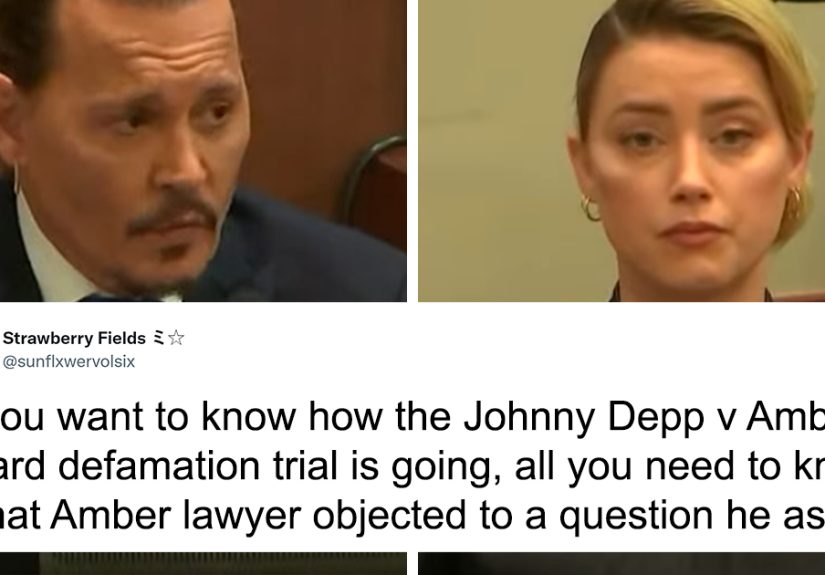
Bored Panda captured that energy in its viral piece curating 35 reactions to Depp’s testimony, showcasing everything from sharp legal analysis to chaotic memes. But those 35 posts are really a snapshot of something much bigger: how millions of people around the world reacted emotionally, morally, and sometimes hilariously to a very serious court case.
Setting the Stage: What the Depp–Heard Trial Was Really About
Before the memes, there was a lawsuit. Depp sued Heard for defamation over a 2018 op-ed she wrote in The Washington Post in which she described herself as a “public figure representing domestic abuse.” She never mentioned Depp by name, but his legal team argued that the implication was obvious and had cost him reputation, roles, and millions of dollars in potential earnings. Heard countersued for defamation over statements from Depp’s lawyer calling her allegations a “hoax.”
The trial began in April 2022 in Fairfax County Circuit Court and was televised gavel-to-gavel. Viewers watched days of testimony, including Depp’s multi-day time on the stand. He described substance use, fights, career setbacks, and his claim that the op-ed had “ruined” his life. Heard’s side painted a very different picture of the relationship. Expert witnesses, security staff, friends, doctors, text messages, and photos all entered the mix.
While the jury weighed legal definitions of defamation, the court of public opinion had already convenedon TikTok, Twitter, YouTube, Twitch, Instagram, Reddit, and, of course, Bored Panda.
Why Johnny Depp’s Testimony Became a Viral Event
Depp’s testimony hit a bizarre cultural sweet spot: true-crime binge habits, celebrity gossip, social-media fandom, and short-form video culture all rolled into one. His four days on the stand produced hours of footage that could be clipped, remixed, captioned, and reacted to.
Several things helped his testimony go viral:
- Familiar face, unfamiliar vulnerability: People knew Depp as Jack Sparrow, not as a plaintiff answering questions about his finances, his childhood, or his worst arguments.
- Dark humor and one-liners: His dry, sometimes sardonic responseswhether intentional or just his natural way of speakingtranslated perfectly into TikTok audio clips and reaction memes.
- Livestream access: Because the trial was broadcast in full, audiences didn’t have to rely solely on headlines; they could watch every eye-roll and objection in real time.
- Fandom power: Depp’s existing fanbase mobilized online, quickly turning trial clips into campaigns like #JusticeForJohnnyDepp.
By the time his testimony wrapped, it wasn’t just a legal momentit was a full-blown cultural spectacle.
35 Types of Reactions People Had to the Trial So Far
Bored Panda’s 35 featured reactions were individual tweets, posts, and memesbut they fall into a few big categories. Think of these as the “greatest hits” of how the internet processed Depp’s testimony, distilled into themes.
1. The Hardcore “Justice for Johnny” Supporters
A huge chunk of online reactions were openly pro-Depp. Supporters framed him as a wronged man finally getting to tell his side, sharing emotional clips of him describing his childhood, his career, and his relationships. Many praised his calm demeanor and viewed his testimony as credible and sincere. Hashtags and posts celebrated his “comeback,” with people claiming the trial gave him his voiceand careerback.
These reactions often highlighted moments when Depp appeared polite or self-deprecating. Screenshots of him greeting court staff, laughing at his own missteps, or politely answering awkward questions were recirculated as evidence of his “good character” and “humility.”
2. The Amber Heard Critics (and the Dark Side of the Backlash)
Many of the viral reactions in that Bored Panda roundup came from people sharply criticizing Heard. Some commenters accused her of lying, manipulating public narratives, or harming real survivors of abuse. Reaction posts mocked her anticipated testimony before she even took the stand, focusing more on tone, facial expressions, and fashion than on legal arguments.
At the same time, media critics and advocacy groups raised alarms about how brutal much of this content became. Some memes crossed the line into harassment, dehumanization, or misogynistic tropes. For many observers, the reaction to Heard was a case study in how quickly online commentary can turn into a pile-on, especially against women who talk publicly about abuse.
3. The Armchair Lawyers and Evidence Analysts
Another cluster of reactions came from people who fully embraced their inner legal nerd. They paused recordings frame-by-frame, zoomed in on text messages, and tried to decode every document shown on the court screens.
These posts:
- Argued about the definition of defamation and “actual malice.”
- Debated whether certain evidence would be more persuasive to the jury.
- Compared the case to previous high-profile trials and libel suits.
- Critiqued each side’s legal teamwho objected too much, who asked better questions, who connected with the jury.
In the Bored Panda-style reactions, these showed up as clever threads, charts, and long comment chains where people tried to predict the verdict like they were analyzing a sports playoff.
4. The Meme Lords and TikTok Editors
If you saw even a single meme from the trial, you know this category. Users took short clips of Depp’s testimonyespecially moments where he looked confused, made a joking aside, or reacted subtly to a questionand turned them into:
- Relatable TikTok audios (“Me when my boss asks if I’ve finished the thing I forgot existed…”).
- GIFs used as reaction images across Twitter and Reddit.
- Supercuts of “the funniest Depp answers on the stand.”
In the Bored Panda collection, these posts were often short but sharp: one-sentence captions that took a very heavy subject and spun it into an oddly light moment. Whether you found that cathartic or wildly inappropriate depended very much on how you felt about mixing humor and alleged abuse.
5. The “Wait, Should We Be Laughing at This?” Crowd
A different set of viewers had a very specific reaction: discomfort. They questioned why a case involving serious allegations of violence had turned into internet entertainment. Some of the 35 reactions highlighted by Bored Panda came from people calling out how surreal it was to scroll past lip-sync videos and outfit posts and then land on a meme about a psychiatric evaluation or a text about self-harm.
These commenters worried that the trial’s virality might trivialize intimate partner violence, overshadow real survivors, or send the message that public humiliation is an acceptable price of coming forwardor of being accused.
6. The Cultural Critics Linking It to #MeToo
While Bored Panda’s tone leaned toward internet culture and humor, many people used the same trial footage to talk about larger cultural shifts. Reactions in this category zoomed out from the courtroom and asked harder questions:
- Does the public “picking a side” online help clarify truthor distort it?
- Is this backlash to Heard part of a broader backlash to the #MeToo movement?
- What happens when memes rewrite the emotional tone of testimony about abuse?
Some posts argued that Depp’s popularity and decades-long fanbase gave him an advantage in the court of public opinion that Heard never had. Others argued that the trial showed how complex, messy, and case-specific abuse allegations can be, resisting simple narratives of hero and villain.
7. The Exhausted Onlookers
Finally, there were the people who were just… tired. Their reactions looked like:
- “I didn’t mean to know this much about two people I’ve never met.”
- “If this trial is on my For You Page one more time, I’m throwing my phone into the ocean.”
- “I came to the internet to escape real life, not to become a part-time juror.”
These posts captured the sense of “ambient participation” in the trial: even if you tried not to follow it, algorithms kept dropping clips into your feed like uninvited guests at a very loud party.
What the Reactions Reveal About Us (Not Just the Trial)
Taken together, those 35 Bored Panda reactions and countless others reveal more than just whether people believed Depp or Heard. They show how we consume real people’s pain as content, how we align ourselves with celebrities we’ve never met, and how easily moral debates migrate into jokes, GIFs, and trending sounds.
They also highlight a few uncomfortable truths:
- Attention is a kind of power. The side that dominates social media often feels like it’s “winning,” regardless of what the law eventually decides.
- Memes flatten complexity. A clip that was heartbreaking in context can become comic relief in a compilation video.
- We’re all armchair storytellers now. People weren’t just watching the trial; they were editing it into narratives that matched their prior beliefs, politics, or personal experiences with abuse.
The reactions to Depp’s testimony weren’t neutralthey helped shape how the world understood the entire case. For better or worse, the social media response became part of the story.
After the Verdict: How Those Early Reactions Aged
When the trial eventually ended, the jury found that Heard had defamed Depp in her op-ed and awarded him significant damages, while also awarding Heard a smaller amount in her countersuit. The mixed verdict closed one legal chapter but didn’t settle the cultural debate.
Looking back, those early reactionscaptured as Depp finished his testimonyfeel like foreshadowing. Many pro-Depp memes aged as “proof” that the internet “knew” he would win. Critics of the online pile-on saw the verdict as confirmation of how powerful pressure in the court of public opinion can be, even when jurors are instructed to ignore social media.
For survivors of abuse and advocates, the whole saga remains complicated. Some felt the case encouraged scrutiny and skepticism toward public allegations; others worried it might discourage people from speaking up at all. Either way, those 35 reactions weren’t just jokesthey were part of a larger, messy conversation about credibility, gender, fame, and justice.
Experiences from Watching the Trial Unfold Online
It’s one thing to read about the trial in retrospect. It was something else entirely to experience it in real time, when every scroll felt like a mini-hearing and every new clip threatened to change the storyline.
For many casual viewers, the experience began innocently enough: a single TikTok on the For You Page, maybe a tweet with a courtroom screenshot and a witty caption. Curiosity took over. Tapping into a livestream “just to see what this is about” turned into leaving the trial running in the background all day, like a very intense podcast. Suddenly you knew the names of lawyers, security staff, expert witnesses, and even minor side characters who became meme stars.
The emotional tone of those days shifted constantly. Some clips of Depp joking on the stand felt almost lighthearted. Moments where witnesses described injuries, mental health struggles, or incidents of violence hit like a punch in the chest. It was jarring to move from gallows humor to raw testimony in a few seconds because a creator’s edit decided that’s what the story arc needed.
It also changed how people interacted with their own communities. Group chats were suddenly full of hot takes about evidentiary rules. Coworkers compared what livestream channel they watched on their lunch breaks. Friends who had personal experience with abusive relationships sometimes found the constant coverage triggering, especially when serious allegations were turned into punchlines. Others said seeing the case play out helped them articulate feelings about their own past experienceswhether that meant recognizing patterns of control, doubting their instinctive loyalty to a favorite actor, or rethinking what “proof” looks like in private relationships.
For content creators, the trial posed a different challenge. Posting about it could bring huge spikes in views and engagementespecially for channels focused on legal commentary, celebrity news, or pop culture. But it also raised ethical dilemmas: Was it exploitative to monetize reaction videos to someone’s testimony about violence? Was there a responsible way to cover such a case while acknowledging its entertainment value to algorithm-driven platforms?
Many creators tried to thread the needle. Some added disclaimers about respecting survivors of abuse. Others focused on explaining legal terms, jury instructions, and media literacy, encouraging viewers not to take every viral claim at face value. But the loudest content was often the least nuanced: edited for maximum drama, outrage, or laughter rather than context.
Maybe the strangest part of the entire experience was how personal it sometimes felt. People spoke about Depp or Heard almost like extended family members they were defending in an argument, despite never having met either one. That intensity blurred the line between spectator and participant. You weren’t just watching history unfoldyou were quote-tweeting it, stitching it, turning it into an in-joke with your followers.
In the end, when Depp finished his testimony and eventually when the verdict came down, there wasn’t a neat sense of closure online. Some people celebrated. Others were devastated. Many silently muted keywords and moved on. But the internet doesn’t really “forget”; the memes, posts, Bored Panda roundups, and emotional reactions remain as digital fossils of how it felt to live through one of the most intensely mediated celebrity trials of our time.
Whether you saw those 35 Bored Panda reactions as hilarious, disturbing, insightful, or some confusing mix of all three, they captured something real: the way we watched, judged, and reacted together as Johnny Depp completed his testimony and the world turned a courtroom into a global stage.