Table of Contents >> Show >> Hide
- First, a quick reality check: “Iron” is a system, not a single number
- The core iron tests (and what each one is good for)
- Best at-home iron tests: what you can do without a lab visit
- Best in-lab iron tests: the most reliable way to get the full story
- Best all-purpose in-lab test: Iron, TIBC, and Ferritin Panel (with TSAT)
- Best “start here” test when anemia is suspected: CBC + Ferritin (then expand if needed)
- Best comprehensive evaluation: an “Anemia Panel” (CBC + iron markers + B12 + folate)
- Best for suspected iron overload: Iron panel + Ferritin (and follow-up testing if indicated)
- How to choose the “best” test for you (a simple decision guide)
- How to prep so your test reflects reality (not yesterday’s smoothie)
- How to interpret results without spiraling
- What to do after testing (the most important part)
- Real-world experiences with iron testing (the stuff brochures don’t mention)
- Conclusion
- SEO Tags
If your energy has been acting like a phone on 3% battery (and somehow “Low Power Mode” isn’t helping), iron might be part of the plot twist.
Iron helps your body make hemoglobinthe oxygen-carrying MVP inside red blood cells. When iron is low, oxygen delivery gets sluggish, and you can feel it:
fatigue, brain fog, shortness of breath with normal activities, brittle nails, restless legs, or cravings for ice that are way too enthusiastic.
On the flip side, too much iron can also be a problembecause your body doesn’t have a “delete iron” button.
That’s why iron testing can be so helpful: it turns a vague “Why do I feel like a deflated balloon?” into something measurable.
But here’s the trick: “iron levels” isn’t one test. It’s more like a group chat of labseach tells a different part of the story.
This guide breaks down the best at-home and in-lab iron tests, what they actually measure, who they’re best for, and how to use results without
turning into your own unlicensed hematologist.
First, a quick reality check: “Iron” is a system, not a single number
Imagine your iron status as a small business:
ferritin is inventory in the warehouse, transferrin is the delivery fleet, serum iron is what’s on the road right now,
and hemoglobin is the final product actually being shipped (oxygen delivery).
Testing works best when you look at the systemnot one lonely number trying to carry the whole conversation.
The core iron tests (and what each one is good for)
Ferritin (Iron Storage Test)
Ferritin reflects how much iron your body has stored. It’s often the most useful single marker for iron deficiencyespecially early on.
Think of ferritin as your “iron savings account.” Low ferritin usually means your stores are running dry.
One important nuance: ferritin can rise during inflammation, infection, and some chronic conditions, even if iron stores aren’t actually high.
Translation: ferritin is smart, but it can get dramatic when your immune system is busy.
Serum Iron
Serum iron measures iron circulating in the blood at that moment. It can change based on time of day, recent meals, supplements, and normal day-to-day variation.
It’s usefulbut rarely a stand-alone answer. If ferritin is the savings account, serum iron is “cash in your wallet right now.”
TIBC / Transferrin (Iron Transport Capacity)
Transferrin is the main protein that transports iron. TIBC (total iron-binding capacity) is a related measure that reflects how much iron your blood
can bind and carry. In classic iron deficiency, TIBC often goes uplike your body is saying, “We have extra trucks ready, but not enough packages to deliver.”
Transferrin Saturation (TSAT)
TSAT estimates what percentage of transferrin is actually carrying iron. It helps identify patterns of deficiency or overload and is especially helpful when ferritin is hard to interpret.
It’s one of the reasons iron testing is often done as a panel rather than a single test: TSAT adds context.
CBC (Complete Blood Count) and Red Blood Cell Indices
A CBC measures hemoglobin, hematocrit, and red blood cell indices (like MCV). It tells you whether you’re anemic and what the red blood cells “look like” statistically.
But a CBC doesn’t tell you why anemia is happeningiron deficiency, B12/folate deficiency, inflammation, blood loss, and more can look similar early on.
That’s why iron panels and ferritin often enter the chat right after a CBC.
Advanced add-ons (when needed)
In more complex caseslike chronic inflammation, kidney disease, or confusing resultsclinicians may add tests such as
soluble transferrin receptor (sTfR) or reticulocyte hemoglobin content.
These can help distinguish “true iron deficiency” from situations where iron exists but is poorly available for making red blood cells.
Not everyone needs these, but they’re the difference between “basic map” and “GPS with traffic.”
Best at-home iron tests: what you can do without a lab visit
At-home iron testing generally comes in two styles:
(1) mail-in kits (you collect a small blood sample, usually a finger prick, and send it to a certified lab),
and (2) rapid home tests (a strip-style test with results in minutes).
Mail-in tests tend to be more robust because they’re processed in a lab with standardized methods.
Rapid tests are convenient but typically offer limited info and may be best as a rough screen rather than a full evaluation.
Best overall at-home option: a mail-in “Iron Panel” kit (Ferritin + Iron + TIBC + TSAT)
If your goal is a meaningful, actionable snapshot, a multi-marker panel is usually the best place to startbecause it reduces guesswork.
Look for an at-home kit that includes:
- Ferritin (stores)
- Serum iron (current circulating iron)
- TIBC or transferrin (transport capacity)
- Transferrin saturation (how full the “iron trucks” are)
This combination is commonly used to help identify iron deficiency patterns and differentiate them from other causes of low iron-related numbers.
It’s especially useful if you have persistent fatigue, heavy menstrual bleeding, dietary risk factors (vegetarian/vegan patterns can increase risk),
endurance training, or a history of low iron.
Practical shopping checklist for a good at-home iron panel:
- Lab processing in a CLIA-certified lab (a U.S. quality standard for clinical testing)
- Clear instructions for collection, shipping, and timing
- Results that include the actual numeric values (not just “normal/abnormal”)
- Optional clinician follow-up or interpretation support (useful if you’re new to labs)
Best budget-friendly at-home option: Ferritin-only mail-in test
If you mainly want to check iron storesespecially if you’ve had low ferritin in the pasta ferritin-only test can be a cost-effective choice.
Ferritin is often the first marker to drop in iron deficiency before hemoglobin falls.
This is also a smart option for people who are monitoring response to diet changes or supplementation under clinician guidance.
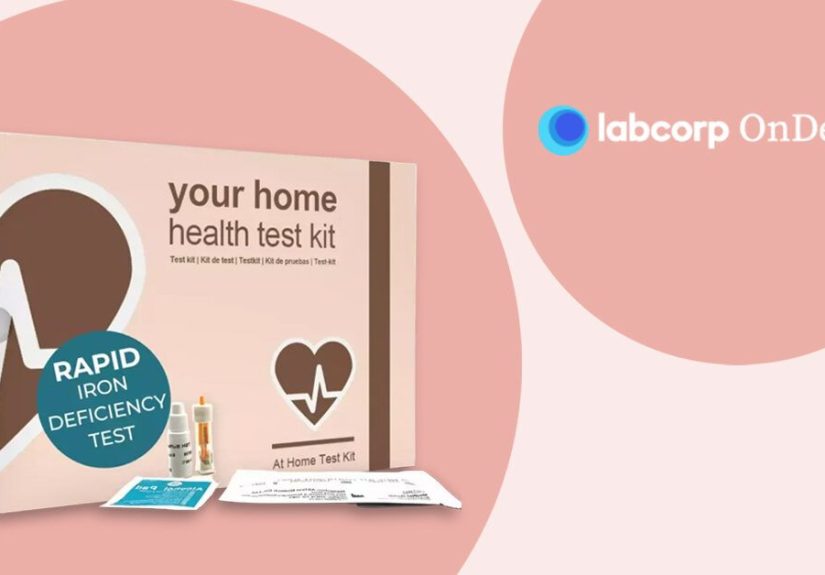
Best “quick screen” option: rapid home tests (use with caution)
Rapid tests can be appealing because they’re fast and don’t involve mailing a sample. But they usually provide limited information and may not reflect the full picture.
If you use one, treat it like a smoke alarm: useful when it goes off, not a full fire investigation.
If symptoms are significantor results are borderline or confusingfollow up with a lab-based test and a clinician conversation.
Who at-home tests are best for (and who should skip them)
At-home kits can work well if:
- You have mild symptoms and want a starting point
- You’re monitoring a known pattern with clinician oversight
- You want convenience and privacy
Consider going straight to in-lab testing if:
- You’re pregnant, have severe fatigue, chest pain, fainting, or shortness of breath with minimal exertion
- You have known gastrointestinal disease, kidney disease, or chronic inflammatory conditions
- You suspect significant blood loss (heavy periods, black/tarry stools, unexplained bleeding)
- You have a family history of iron overload conditions (or high iron results in the past)
Best in-lab iron tests: the most reliable way to get the full story
In-lab testing is still the gold standard for diagnosing iron deficiency anemia, iron overload, and the “gray zone” conditions where iron markers behave oddly.
You’ll typically get more consistent sample quality (venous blood draw), more testing options, and clearer follow-up pathways.
You can access lab testing through your clinicianor, in many areas, through direct-to-consumer lab services where you purchase a test and visit a collection site.
Best all-purpose in-lab test: Iron, TIBC, and Ferritin Panel (with TSAT)
This is the workhorse panel. It’s commonly used to assess iron deficiency or iron overload patterns and adds the context needed to interpret ferritin correctly when possible.
It’s a strong starting point if you have symptoms, a prior history of low iron, or a CBC suggesting anemia.
Best “start here” test when anemia is suspected: CBC + Ferritin (then expand if needed)
Many clinicians begin with a CBC to see whether anemia is present and then add ferritin to evaluate iron stores.
If ferritin is low, you’ve likely found a major piece of the puzzle. If ferritin is normal or high but symptoms persist, adding iron/TIBC/TSAT (and sometimes inflammatory markers)
can clarify what’s going on.
Best comprehensive evaluation: an “Anemia Panel” (CBC + iron markers + B12 + folate)
If your symptoms are strong or your CBC is abnormal, an anemia panel can save time by looking for multiple common causes at once.
It may include CBC, iron studies, ferritin, B12, folate, and sometimes reticulocyte measures. This is especially helpful if you suspect more than one issue
(for example: low iron plus low B12, which is not a rare combo in real life).
Best for suspected iron overload: Iron panel + Ferritin (and follow-up testing if indicated)
If transferrin saturation and ferritin are high, clinicians may evaluate for iron overload causes, including hereditary patterns.
This is not the moment for DIY iron supplements “just in case.” It’s the moment for professional interpretation, because the right next step may involve repeat testing,
genetic evaluation, or targeted managementdepending on the full clinical picture.
How to choose the “best” test for you (a simple decision guide)
Use these scenarios to match your goal to the right testwithout getting lost in lab alphabet soup:
-
You want a solid at-home starting point:
Choose a mail-in iron panel (ferritin + iron + TIBC + TSAT). -
You’re mainly checking iron stores (monitoring or history of low ferritin):
Choose ferritin-only. -
You suspect anemia (fatigue + dizziness + shortness of breath) or had a low hemoglobin result:
Start with CBC + ferritin, then add iron/TIBC/TSAT. -
You’re pregnant or planning pregnancy:
Follow clinician-guided screening (typically starts with anemia screening and may include iron evaluation). -
You have chronic inflammation, kidney disease, or confusing “normal ferritin but low energy” results:
Ask about TSAT and, in select cases, sTfR or other advanced markers.
How to prep so your test reflects reality (not yesterday’s smoothie)
Preparation matters more than most people expectespecially for serum iron. Different labs have different instructions, so follow the directions that come with your test.
In general, these tips help reduce noise:
- Schedule morning collection when possible for consistency.
- Ask whether fasting is recommended for iron studies (many clinicians prefer it for cleaner interpretation).
- Tell your clinician about supplements, especially iron, multivitamins with iron, and recent IV iron.
- Note recent illness (even a “minor cold”) because inflammation can affect ferritin and iron availability.
- Track menstrual timing if heavy periods are part of your storycontext helps interpretation.
How to interpret results without spiraling
Reference ranges vary by lab, age, and sex, so don’t borrow a random range from the internet like it’s a sweater. (It won’t fit. It never fits.)
Instead, focus on patterns:
Common pattern: iron deficiency
- Ferritin: low
- Serum iron: often low
- TIBC/transferrin: often high
- TSAT: low
This pattern suggests depleted iron stores and reduced circulating iron availability. The next step is usually figuring out whydietary intake,
absorption issues, or blood loss (heavy menstrual bleeding and gastrointestinal sources are common culprits).
Common pattern: inflammation-related “low iron availability”
- Ferritin: normal or high
- Serum iron: low
- TIBC/transferrin: low or normal
- TSAT: low or normal
This can happen when inflammation affects iron movement and utilization. It’s one reason a single iron number can be misleading.
In these cases, clinicians often interpret results alongside symptoms, history, and sometimes additional markers.
Common pattern: possible iron overload
- TSAT: higher than expected
- Ferritin: elevated (sometimes markedly)
This can occur for several reasons. The key point is: don’t self-treat this. Get professional guidance, because the next steps depend on the whole clinical picture
and may involve repeat testing or additional evaluation.
What to do after testing (the most important part)
Testing is only useful if it leads to smart next steps. If results suggest iron deficiency, the goal is to confirm the pattern, identify the cause,
and treat safely (which may include dietary strategies, oral iron, orwhen indicatedIV iron). If results suggest overload, the goal is careful confirmation
and targeted management. And if results are “technically normal” but symptoms persist, you may need a broader evaluation (thyroid, B12, sleep, inflammation,
medications, mood, and more can mimic “low iron” feelings).
Bottom line: iron tests are powerful, but they’re not a personality test. Don’t let one lab value define you. Let it guide the next conversation.
Real-world experiences with iron testing (the stuff brochures don’t mention)
Let’s talk about what iron testing feels like in real lifebecause the “Best Test” on paper sometimes becomes the “Why is my finger still bleeding?” test at home.
For many people, the first at-home kit is a confidence exercise. You set up a tiny lab station on your kitchen counter, sterilize your finger like you’re about to perform surgery,
and then you learn an important truth: fingers are surprisingly stingy with blood until the exact moment you don’t want them to be.
The most common at-home challenge is sample quality. If you don’t collect enough blood, if the drops smear instead of soaking properly, or if the sample isn’t packaged correctly,
you may get an “insufficient specimen” notificationaka the least emotionally supportive email a human can receive. People often do better on the second try, especially when they warm
their hands first, stay hydrated, and take their time. A lot of users also report that reading the instructions before the lancet moment is a pro move.
(It’s amazing how fast reading comprehension disappears once you’re holding medical supplies.)
On the results side, a frequent experience is surpriseespecially with ferritin. Many people feel “fine-ish” until they see low iron stores, and then suddenly their last six months of
exhaustion makes sense. Others have the opposite experience: they feel awful, their ferritin is “normal,” and they wonder if the test is gaslighting them. This is where context matters.
Ferritin can rise with inflammation, and serum iron can bounce around. People who have chronic conditionsor who recently had an infectionoften find that a single marker doesn’t tell the whole story,
and they get better clarity with a full panel (ferritin + iron + TIBC + TSAT) or repeat testing at a consistent time.
In-lab testing experiences tend to be smoother logistically, even if you’re not a fan of needles. A quick check-in, a venous draw, and you’re doneno mailing, no hoping your package
doesn’t take a scenic route across three states. People who switch from at-home to in-lab often say the biggest benefit is the ability to add related tests immediately:
CBC, B12, folate, inflammatory markers, or more specific iron studies. That “one-stop” approach can save weeks of back-and-forth, especially if symptoms are significant.
A very common storyline after iron testing is the follow-up conversation. For some, it’s a simple plan: address heavy menstrual bleeding, adjust diet, add supplements with guidance,
and retest later. For othersespecially endurance athletes, frequent blood donors, people with gastrointestinal symptoms, or those on restrictive dietsit becomes a broader strategy:
timing iron intake, pairing plant-based iron with vitamin C, checking for absorption issues, or monitoring more than once a year. Many people also learn the hard way that
“I’ll just take iron forever” can backfire (GI side effects, constipation, andrarelytoo much iron depending on the situation). The best experiences usually involve a shared plan:
test, interpret the pattern, treat the cause, and retest to confirm improvement.
The biggest takeaway from real-world testing is surprisingly simple: the “best” test is the one you can complete correctly, interpret responsibly, and follow up on.
A perfect panel isn’t helpful if it never gets done. And a quick test isn’t helpful if it delays needed care. Choose the option that fits your symptoms, your risk factors,
and your ability to act on the resultsideally with a clinician in the loop.
Conclusion
The best iron test depends on your goal. If you want convenience, a high-quality mail-in iron panel (ferritin + iron + TIBC + TSAT) is usually the most informative at-home option.
If you want maximum reliability and the ability to expand testing fast, in-lab iron studiesespecially an iron, TIBC, and ferritin panel plus a CBC when appropriateare hard to beat.
Either way, focus on patterns, not a single number, and use results as a launchpad for smart next steps (not panic-Googling at 2 a.m.).