Table of Contents >> Show >> Hide
- Who Is Bonnie Bedelia (and Why Do People Keep “Discovering” Her Like It’s a New Planet)?
- How These Rankings Work (Because “Vibes” Are Not a Scientific Unit… Yet)
- Top Bonnie Bedelia Performances: Rankings And Opinions
- 1) Heart Like a Wheel (as Shirley Muldowney): The “You Can’t Tell Me No” Performance
- 2) Die Hard (as Holly Gennero McClane): The Best “Action Spouse” Blueprint
- 3) Parenthood (as Camille Braverman): The Quiet MVP of Modern Family Drama
- 4) Fallen Angels (as Sally Creighton): Emmy-Nominated Proof She Can Go Dark
- 5) Salem’s Lot (1979): A Horror Legacy That Still Bites
- 6) Presumed Innocent (as Barbara Sabich): Controlled Fire in a Legal Thriller
- 7) The Prince of Pennsylvania: Great Acting in a Messy World (A True Indie Story)
- 8) Needful Things (as Polly Chalmers): The Stephen King Test (Passed)
- 9) Lovers and Other Strangers (1970): Early Proof She Could Lead
- 10) Late-Career Highlights: Staying Power Without the “Farewell Tour”
- What Makes Her Great: Opinions That Show Up Again and Again
- The Bonnie Bedelia Underrated Index
- Bonnie Bedelia Watch Order (Ranked for Maximum Enjoyment)
- FAQ: Bonnie Bedelia Rankings And Opinions (Search-Friendly Answers)
- Conclusion: The Real Ranking
- Experience Section: How to “Experience” Bonnie Bedelia Like a True Fan (Without Becoming Unbearable About It)
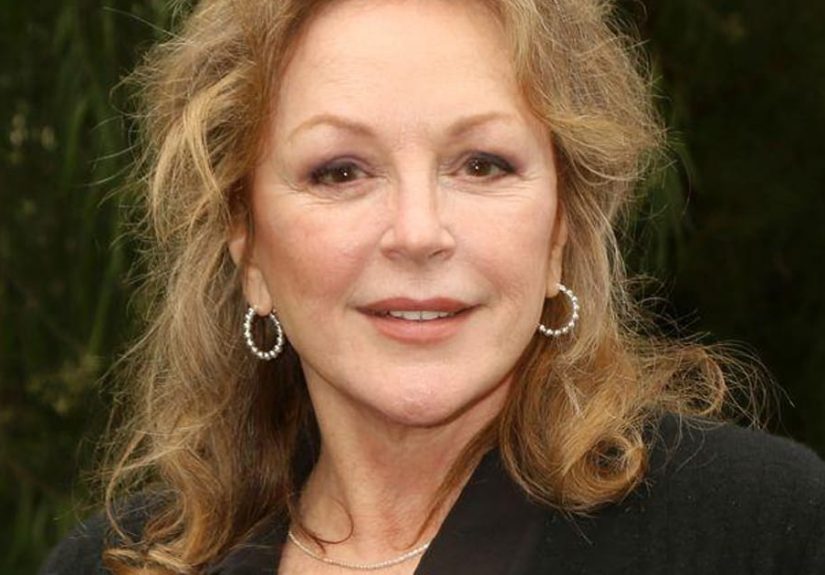
Bonnie Bedelia is one of those actors you’ve definitely watched… even if you can’t immediately place her.
She’s the calm center of a family storm, the human anchor in a building full of explosions, and the kind of performer
who can communicate “I love you, I’m disappointed, and I’m not paying for this nonsense” with one eyebrow.
This article is a deep, fun, and SEO-friendly dive into Bonnie Bedelia rankings and opinions: her best roles,
what critics and audiences tend to praise, and why her career is a masterclass in “leading-lady talent without leading-lady noise.”
We’ll rank her standout performances, share grounded opinions (with a dash of humor), and give you a watch plan
that doesn’t require a spreadsheetthough it very much deserves one.
Who Is Bonnie Bedelia (and Why Do People Keep “Discovering” Her Like It’s a New Planet)?
Bonnie Bedeliaborn in New York City on March 25, 1948started out with serious discipline: ballet training and early performance work
before shifting fully into acting. That dance foundation matters, because even when she’s standing still, she’s doing something:
controlling rhythm, breath, posture, and focus in ways that make scenes feel lived-in rather than performed.
She earned major early credibility on stage, winning a Theatre World Award for My Sweet Charliea reminder that she didn’t
“come out of nowhere.” She came out of Broadway. (Different vibe. More jazz hands. Less CGI.) On the awards side, she’s also a
Golden Globe nominee for Heart Like a Wheel, proving she could carry a film with grit, heat, and heartnot just hold her own
next to famous co-stars.
Over time, Bedelia became the rare performer who’s both recognizable and hard to stereotype. She’s known for high-profile projects
like Die Hard and Parenthood, but her best work often lives in the nuance: what she doesn’t say, what she allows
the audience to feel, and how she makes other actors look better without disappearing.
How These Rankings Work (Because “Vibes” Are Not a Scientific Unit… Yet)
These Bonnie Bedelia rankings combine a few signals that tend to matter to both search engines and actual humans:
- Critical recognition (major award nominations and industry respect)
- Audience love (rewatchability and cultural stickiness)
- Performance difficulty (range, emotional load, and degree of “this could’ve been cheesy” risk)
- Impact (did the role reshape how people talk about the story or character type?)
Translation: we’re ranking both the “big famous wins” and the “quietly incredible” performances that make you rewind a scene
and go, “Wait… she just did that with a half-smile?”
Top Bonnie Bedelia Performances: Rankings And Opinions
1) Heart Like a Wheel (as Shirley Muldowney): The “You Can’t Tell Me No” Performance
If you want the cleanest proof that Bedelia can drive a whole movie (sometimes literally), start here.
Heart Like a Wheel tells the story of drag racer Shirley Muldowney, and Bedelia plays her with a combination of
steel and vulnerability that feels earnednot packaged.
She was nominated for a Golden Globe for this role, which tracks: the performance is classic underdog fuel,
but it avoids the usual “inspirational biopic autopilot.” It’s physical, emotional, and determined without turning
Shirley into a motivational poster.
Critically, this movie is often treated as an underrated gem, and audiences who find it tend to stick the landing:
it holds a perfect Tomatometer score on Rotten Tomatoes (with a strong audience score too), which is basically the
internet’s way of standing up and clapping without leaving the couch.
2) Die Hard (as Holly Gennero McClane): The Best “Action Spouse” Blueprint
Die Hard is iconic, and yes, Bruce Willis is doing all the running and crawling and “glass in places glass shouldn’t be.”
But Bedelia’s Holly is the emotional and moral spine of the story. She’s not just “the wife.” She’s competent, employed,
pressured, andcruciallybelievable.
The film’s reputation is not subtle: Rotten Tomatoes lists Die Hard at a 94% Tomatometer, and the critic consensus frames it
as the definitive holiday action classic. That cultural status matters because Holly could’ve been written as a prop.
Bedelia refuses to play her that way.
Opinion: Holly Gennero McClane is one of the reasons the movie replays so well. Without her grounded reactions, the film risks
becoming a loud theme park ride. With her, it becomes a story about people under pressureone of whom happens to be
weaponizing office furniture and bad luck.
3) Parenthood (as Camille Braverman): The Quiet MVP of Modern Family Drama
Camille Braverman isn’t flashy. That’s the point. She’s the family matriarch who doesn’t need to shout to be heard.
Bedelia plays Camille with warmth, fatigue, humor, and the specific emotional complexity of someone who has spent decades
holding everyone else’s life together with the metaphorical equivalent of duct tape and love.
This role cemented Bedelia as a “you trust her instantly” presence on TV. She’s the type of character who can sit at a table,
listen for ten seconds, and accidentally solve the whole episode. (Not with magic. With motherhood.)
Fun detail: TV Guide notes she’s also a painter, and that she started doing portraits of the Parenthood cast in her free time
which somehow feels extremely Camille-coded.
4) Fallen Angels (as Sally Creighton): Emmy-Nominated Proof She Can Go Dark
Bedelia’s Emmy-nominated work in Fallen Angels is the kind of performance that reminds you she’s not just “likable.”
She can be dangerous, morally complicated, and intense without turning the dial into melodrama.
The Television Academy lists her as a 1994 nominee for Outstanding Guest Actress in a Drama Series for Fallen Angels.
For ranking purposes, that nomination is a credibility stamp: industry people noticed what she was doing.
Opinion: guest roles are often treated like side quests. Bedelia treats them like the main storyline.
5) Salem’s Lot (1979): A Horror Legacy That Still Bites
Bedelia’s presence in the 1979 Salem’s Lot miniseries is part of why it remains a reference point in TV horror.
The project itself has a long shadow: decades later, major outlets still talk about its most infamous scares as cultural touchstones.
And horror, when it’s done right, relies on actors who can sell fear without winking at the audience.
Bedelia plays the reality of the situationso the supernatural elements hit harder.
Opinion: she’s the kind of actor horror needs more ofsomeone who treats the story like it’s happening to real people,
not “characters in a spooky thing.”
6) Presumed Innocent (as Barbara Sabich): Controlled Fire in a Legal Thriller
In a legal thriller, everyone is lying, and the audience is basically hired as an unpaid juror.
Bedelia’s role in Presumed Innocent matters because she brings emotional precision to a story built on suspicion.
The film was a major box-office success, and Bedelia’s performance contributes to its tension by making the personal stakes
feel complicated rather than convenient.
Opinion: her greatest skill here is restraint. She lets the audience do some work, which is exactly what a good thriller needs.
7) The Prince of Pennsylvania: Great Acting in a Messy World (A True Indie Story)
Here’s the fascinating thing: Rotten Tomatoes lists this film as one of her lowest-rated projects, yet the role still earned her
Independent Spirit Awards attention. That contrast is the indie experience in a nutshell: sometimes the movie is chaotic,
but the performance is still worth the ticket.
Opinion: Bedelia’s career is full of smart risks, and this is one of them. The movie may divide people, but her willingness to play
complicated adults in complicated situations is part of why she’s lasted.
8) Needful Things (as Polly Chalmers): The Stephen King Test (Passed)
Stephen King adaptations have a special challenge: they can easily tip into “camp” or “too serious.”
In Needful Things, Bedelia helps ground the story with a human-scale performance.
Opinion: she’s a stabilizer. Put her in a town full of chaos, and she becomes the emotional reference point the audience clings to.
That’s a real skillespecially when the plot starts acting like it drank three espresso shots.
9) Lovers and Other Strangers (1970): Early Proof She Could Lead
Rotten Tomatoes lists Lovers and Other Strangers among her highest-rated work. While it’s not the first title people bring up
today, it shows the through-line: Bedelia’s ability to make relationships feel textured and realeven when the material
leans more comedic or episodic.
10) Late-Career Highlights: Staying Power Without the “Farewell Tour”
One reason Bonnie Bedelia keeps earning new fans is that she never stopped workingand she didn’t become a nostalgia act.
Entertainment Weekly notes she had a recurring role in the Amazon Prime Video series Panic and appeared in Netflix’s
holiday film The Noel Diary. Rotten Tomatoes’ filmography list also reflects a steady run of later projects with
strong audience interest.
Opinion: longevity is common; relevance is not. Bedelia managed both by choosing roles that fit her strengths:
truthfulness, intelligence, and emotional clarity.
What Makes Her Great: Opinions That Show Up Again and Again
She Makes Big Movies Feel Human
In Die Hard, the building is the spectacle, but Holly is the reality. She’s not written as helpless, and Bedelia plays her with
competence and pressurelike a real professional trapped in a nightmare. The result is a blockbuster that still feels personal,
which is one reason it’s so endlessly rewatchable.
She Does “Quiet Complexity” Better Than Most People Do Loud Monologues
In Parenthood, she’s often reacting rather than leading the conflict. That’s harder than it looks. Bedelia turns listening into acting.
She makes pauses feel like choices. She makes family tension feel lived-in, not scripted.
She’s an Emotional “Truth Detector” in Ensembles
In casts full of big personalities, Bedelia frequently becomes the calibrator. If she believes the scene, you believe the scene.
If she’s hurt, you feel the hurt. If she’s quietly amused, you suddenly realize the whole moment is funnier than you thought.
The Bonnie Bedelia Underrated Index
Here’s a spicy-but-fair opinion: Hollywood loves a “type,” and Bedelia refuses to be one. She’s glamorous but not performatively glamorous.
She’s strong but not cartoonishly invincible. She can play warmth without turning it into syrup.
That subtlety can make an actor harder to market in a world that likes easy labels. But it’s also what makes her work age well.
When you revisit her performances, they don’t feel like artifacts of their decade. They feel like people.
And yesshe has awards recognition across decades (stage awards early, Golden Globe nomination, Emmy nomination),
but she also has the kind of reputation you can’t manufacture: other actors look better when they share scenes with her.
That’s the secret handshake of great performers.
Bonnie Bedelia Watch Order (Ranked for Maximum Enjoyment)
- Start mainstream: Die Hard (for the cultural classic factor)
- Go prestige: Heart Like a Wheel (for the awards-caliber leading performance)
- Go long-form comfort: Parenthood (watch a few episodes and prepare to feel things)
- Go dark: Fallen Angels (for the Emmy-nominated edge)
- Go horror history: Salem’s Lot (for legacy chills)
FAQ: Bonnie Bedelia Rankings And Opinions (Search-Friendly Answers)
Was Bonnie Bedelia nominated for major awards?
Yes. She was nominated for a Golden Globe for Heart Like a Wheel, and she received an Emmy nomination for her guest work in
Fallen Angels. She also won a Theatre World Award for My Sweet Charlie.
What is Bonnie Bedelia best known for?
Most audiences recognize her from Die Hard as Holly Gennero McClane and from NBC’s Parenthood as Camille Braverman.
She’s also remembered for standout dramatic work across film, TV movies, and miniseries.
Is Bonnie Bedelia related to the Culkin family?
Yes. Her birth name includes Culkin, and she’s widely noted as an aunt to actors in the Culkin family.
It’s basically Hollywood’s way of reminding you nepotism sometimes comes with actual talent. (In this case: yes.)
Conclusion: The Real Ranking
If you came here for a neat “top five” list, you got it. But the bigger takeaway is this:
Bonnie Bedelia’s best work isn’t just about a single iconic roleit’s about a consistent acting philosophy.
She plays humans first. She keeps stories grounded. She turns supporting parts into structural pillars.
In the world of Bonnie Bedelia rankings and opinions, the most honest ranking is simple:
she’s one of the most reliably excellent, frequently underrated American actresses of her eraan actor’s actor
who somehow also became a pop-culture fixture without ever chasing the spotlight.
Experience Section: How to “Experience” Bonnie Bedelia Like a True Fan (Without Becoming Unbearable About It)
Let’s add something practical: the viewing experience. Not the “I watched one clip and declared myself an expert” experience.
The real kindthe one where you notice patterns, range, and why certain performances stick to your brain like a catchy chorus.
First, try the “contrast marathon.” Watch Die Hard and Heart Like a Wheel back-to-back.
In the first, Bedelia is surrounded by action chaos; in the second, she is the engine.
The experience is like tasting two totally different dishes made by the same chef: one is a blockbuster burger done perfectly,
the other is a slow-cooked meal that proves there’s serious skill behind the speed.
Next, do the “micro-acting challenge” with Parenthood. Pick a scene where Camille isn’t the loudest person in the room.
Watch how Bedelia listens. She’s constantly choosing: when to soften, when to push, when to hold back.
It’s a reminder that acting isn’t only about delivering linesit’s about managing emotional traffic in real time.
After a few episodes, you may find yourself thinking, “Wow, she just redirected that entire argument with one quiet sentence.”
That’s not luck. That’s craft.
For a different flavor, add a “legacy watch” night with Salem’s Lot. Horror is an experience genre:
lights off, volume up, snacks within reach. The fun here is noticing how an actor like Bedelia makes the supernatural feel plausible.
Great horror doesn’t start with monstersit starts with believable people. When the people feel real, the fear feels personal.
If you’ve only seen modern horror pacing, the older structure can feel slower, but that’s part of the experience: the dread has time to
build a little tent in your head and refuse to pay rent.
Want to turn this into a social experience? Try a “Holly Gennero Appreciation Screening.”
The challenge: every time someone says “she’s just the wife,” you pause the movie and point out one moment where Holly is making decisions,
negotiating, or holding the scene together. You’ll run out of patience before you run out of examples.
This is also an easy way to spot the difference between a character being in danger and a character being written like wallpaper.
Bedelia never plays wallpaper.
Finally, end with a “modern check-in.” Pick a later title (like a recent film appearance or a newer TV arc) and see how the fundamentals
stayed consistent: clarity, emotional honesty, and grounded presence. The experience you get from a career-spanning watch is not just
“she was good back then.” It’s “she’s been good the whole time,” which is rarer than it should be.
The best part of experiencing Bonnie Bedelia’s work is realizing the rankings are almost secondary. The real reward is noticing how she
elevates story after storysometimes as the lead, sometimes as the spine of the ensemble, and sometimes as the person who quietly
makes a scene feel like it actually happened to someone.