Table of Contents >> Show >> Hide
- What Exactly Is the BRAT Diet?
- Is the BRAT Diet Still Recommended?
- Hydration First: What to Drink
- BRAT FoodsAnd What to Add Next
- Foods and Drinks to Skip (At Least for Now)
- BRAT for Kids vs. Adults
- Sample 24-Hour Gentle Meal Plan
- Smart Add-Ons: Electrolytes, Probiotics & Soluble Fiber
- When to Seek Medical Care
- FAQs About the BRAT Diet
- The Big Picture: BRAT as a Bridge, Not a Destination
- Real-World Tips & Experiences
- Conclusion
- SEO Summary
If your stomach is staging a rebellionnausea, vomiting, or diarrheasomeone will inevitably whisper, “Try the BRAT diet.” And they’re not suggesting you throw a tantrum. BRAT stands for bananas, rice, applesauce, and toast, four gentle, bland foods that are famously easy on a cranky gut. But is BRAT still the gold standard? Short answer: it can help briefly, but modern guidance favors a broader, balanced “bland” approach with smart hydration. Let’s break down what BRAT is, when it helps, what to eat (and avoid), and how to get back to normal eatingwithout making your stomach mad again.
What Exactly Is the BRAT Diet?
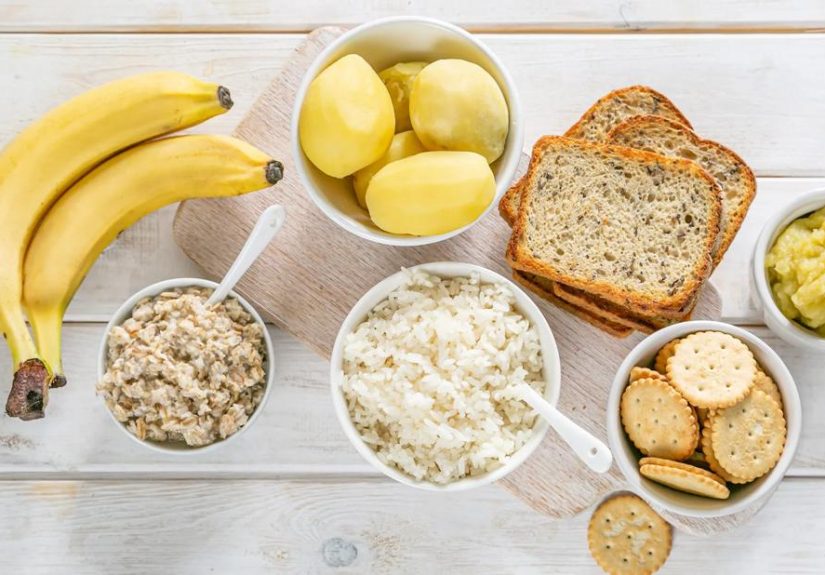
BRAT is a short-term eating pattern built around four low-fiber, easy-to-digest foods: bananas, white rice, applesauce, and white toast. These foods are simple, soft, and relatively binding, which is why they’re often recommended during the roughest part of a stomach bug or a bout of traveler’s diarrhea. The idea is not gourmet dining; it’s “can I keep this down?”
Is the BRAT Diet Still Recommended?
Yesand no. Many clinicians now emphasize that strict BRAT alone is too restrictive, especially for kids, because it’s low in protein, fat, and several key micronutrients. The more current approach: use BRAT-type foods briefly (think: 12–24 hours when you’re at your worst), then widen your menu to include other gentle options and fluids with electrolytes. For most adults, that looks like a short BRAT-style window followed by a quick return to a balanced, bland menu. For children, pediatric groups advise against sticking with BRAT for more than a day and encourage an earlier return to normal, age-appropriate foods as tolerated. Always favor hydration first.
Hydration First: What to Drink
Dehydration is the real villain during GI illness. Prioritize fluids before food. Small, frequent sips work better than big gulps, especially if you’re nauseated. Good choices include water, oral rehydration solutions (ORS), clear broths, and diluted fruit juice. If you’re losing fluids quickly, consider ORS packets mixed as directed. Aim to drink a little after each loose stool and keep an eye on signs of dehydration (very dark urine, dizziness, dry mouth, lethargy). For babies and toddlers, breast milk or formula should continue unless a clinician advises otherwise.
BRAT FoodsAnd What to Add Next
When you’re ready to eat, BRAT can be your “on-ramp.” Then build out to a more complete but still gentle menu. Use this progression:
Phase 1 (The “Be Extra Nice To Your Stomach” Phase)
- Bananas (ripe): soft, low-fiber, potassium-rich.
- White rice: plain, well-cooked, easy to digest.
- Applesauce: smooth and soothing; avoid chunky skin-on apples.
- White toast/saltine crackers: dry, simple carbs that are less likely to trigger nausea.
- Clear liquids: water, ORS, diluted juice, light teas, clear broths.
Phase 2 (The “Gentle Expansion” Phase)
- Lean proteins: baked or poached chicken (no skin), turkey, eggs (scrambled or soft-boiled).
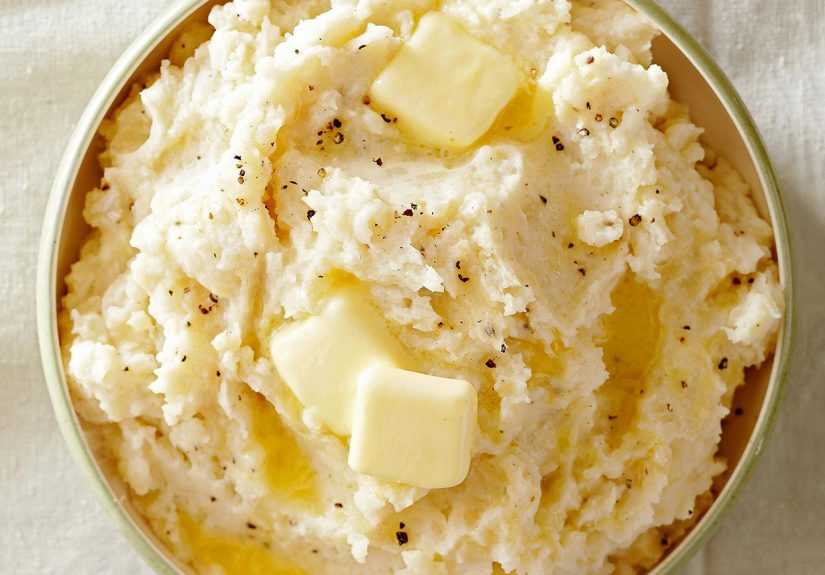
- More starchy sides: plain pasta, plain oatmeal or cream of rice, mashed potatoes (minimal butter).
- Low-fiber produce: canned peaches or pears (in juice), well-cooked carrots, peeled zucchini.
- Soups: simple chicken and rice soup, strained vegetable broth with noodles.
- Probiotic foods (as tolerated): yogurt with live cultures or kefir (skip if dairy worsens symptoms).
Phase 3 (The “Back to Normal” Phase)
Gradually reintroduce your usual foods over a day or two. Ease in fiber (oatmeal before raw kale), fat (a drizzle of olive oil before a cheeseburger), and seasoning (mild herbs before hot sauce). Listen to your gutliterally.
Foods and Drinks to Skip (At Least for Now)
- High-fat, fried, or greasy foods (burgers, fries, heavy cream sauces).
- Spicy, very acidic, or heavily seasoned foods (hot peppers, vinegar-heavy dressings, citrus in large amounts).
- High-fiber raw produce (raw salads, crucifers) until stools normalize.
- Very sugary items (full-strength juices, soda) which can worsen diarrhea for some people.
- Alcohol and caffeine while you’re actively symptomatic.
- Sorbitol and sugar alcohols (in some diet candies or gum) which can be laxative.
BRAT for Kids vs. Adults
Adults: Use BRAT briefly if it helps you eat something, but add protein and a broader variety as soon as you can keep food down. Keep drinking fluids.
Kids: Don’t rely on BRAT for more than about a day. Offer familiar, age-appropriate foods early (cereal, yogurt, rice, banana, toast, lean meats), and prioritize fluids. Contact a clinician sooner for infants, toddlers, or any child showing signs of dehydration, persistent vomiting, or blood in stool.
Sample 24-Hour Gentle Meal Plan
This plan is for a generally healthy adult with mild symptoms and no red flags. Adjust portions and timing to appetite.
- Morning (hydration first): Small sips of water or ORS; once settled, dry toast or 4–6 saltines.
- Late morning: Applesauce and half a banana.
- Lunch: Plain white rice with a little poached chicken; clear broth on the side.
- Afternoon: More fluids; plain oatmeal made with water.
- Dinner: Simple chicken-and-rice soup; a few soft cooked carrots.
- Evening: Sip fluids; if hungry, a small bowl of plain pasta.
Smart Add-Ons: Electrolytes, Probiotics & Soluble Fiber
Electrolytes: If you’re losing fluid quickly, ORS beats plain water for rehydration. Mix and sip slowly.
Probiotics: Yogurt or kefir with live cultures may help some people after the worst has passed. If dairy is a trigger, consider a non-dairy probiotic food or talk to your clinician about supplements.
Soluble fiber: Foods rich in soluble fiber (bananas, oatmeal, applesauce) can help thicken stools as you recover.
When to Seek Medical Care
- Signs of dehydration (very dark urine, dizziness, confusion, fast heartbeat, dry mouth).
- High fever, severe abdominal pain, blood or black/tarry stools.
- Symptoms lasting longer than 48 hours in adults or 24 hours in young children.
- Recent travel, immunocompromise, pregnancy, or suspected foodborne outbreak exposure.
Heads-up: This article is general education, not medical advice. If you’re unsure, call your clinicianespecially for infants, older adults, or anyone with chronic conditions.
FAQs About the BRAT Diet
How long should I follow BRAT?
Think “hours, not days.” Many people use BRAT-style foods for 12–24 hours during the peak of symptoms, then expand to other bland foods with protein and healthy carbs. Staying on BRAT too long can slow recovery because it’s not nutritionally complete.
Can I drink coffee?
It’s best to skip caffeine during active diarrhea because it may stimulate the gut. Reintroduce gently once stools normalize.
What about sports drinks instead of ORS?
Sports drinks can help a little but don’t match the glucose-to-sodium ratio of true oral rehydration solutions. If you’re moderately dehydrated, ORS is the better bet. If you don’t have ORS, dilute juice or alternate water and broth until you can obtain it.
Is applesauce better than an apple?
Usually, yesat least early on. Applesauce (without added sugar) is low-fiber and gentle. A raw apple with skin adds roughage your gut might not love yet.
Can I add peanut butter to toast?
In small amounts and if you tolerate fat, yesespecially as you enter Phase 2. Start with a thin smear. If it worsens symptoms, scale back and try again later.
The Big Picture: BRAT as a Bridge, Not a Destination
BRAT isn’t magicand it’s definitely not a long-term plan. But it can serve as a short bridge between “I can barely sip water” and “I can eat normal food again.” Focus on hydration, expand your food choices as soon as you can, and watch for red-flag symptoms. Your gut wants gentle consistency, not a marathon of dry toast.
Real-World Tips & Experiences
1) The “small sips” trick really works. When you’re queasy, half a teaspoon every minute can outperform big chugs. One runner recovering from traveler’s diarrhea found that 30 minutes of micro-sipping ORS got him from “green around the gills” to “I can stand up without wobbling.” Don’t underestimate the drip-feed method.
2) Temperature matters. Some people tolerate room-temperature liquids better than ice-cold ones when nauseated. If hot tea sounds appealing, make it weak; if cold water churns your stomach, try tepid water or a mild broth.
3) The one-bite rule. After a rough night, one or two bites of banana or a few crackers might be all you can manage. Wait ten minutes, reassess, then take a few more. This slow-roll approach lets your stomach negotiate instead of revolt.
4) Keep “sick-day staples” on hand. A basic gut-recovery kit: ORS packets, canned low-sodium broth, plain crackers, white rice, applesauce cups, ripe bananas, and a sleeve of saltines. For households with kids, add popsicles (great for sneaking in fluids) and a digital thermometer.
5) Don’t fear early protein. Once vomiting stops and liquids stay down, a soft scrambled egg or a few bites of poached chicken can speed your return to normal eating. Many people report feeling stronger (and less foggy) when they add protein within 24 hoursprovided their stomach agrees.
6) Yogurt isn’t for everyone on Day 1. Probiotic yogurt can help later, but the dairy fat or lactose may be irritating in the first 12–24 hours for some. If you want the probiotic benefit without dairy, try a non-dairy kefir or a supplement your clinician recommendswait until you’re keeping bland foods down first.
7) Flavor upgrades, carefully. A small pinch of salt on rice or a squeeze of lemon in broth can make bland foods feel less like punishment. Avoid heavy spices and acids until stools normalize, then reintroduce seasoning slowly.
8) The “too much fiber too soon” mistake. Salads and whole-grain breads are healthy, but they’re not great day-one foods after gastroenteritis. People often report a setback after a heroic bowl of raw greens. Save the kale victory lap for a couple of days later.
9) Watch the hidden sugars. Full-strength fruit juice and sweet sports drinks can sometimes worsen diarrhea for sensitive folks. Diluting them (half water, half juice) is a simple fix until the gut calms down.
10) Trust your body’s feedback. “As tolerated” is the mantra. If a food sits well, keep it. If not, step back a phase for half a day and try again. Recovery isn’t linearbut it does happen.
Conclusion
The BRAT diet can be a useful starting point for an upset stomach, especially for adults during the roughest 12–24 hours. But don’t camp out there. Hydrate first, then expand to a balanced set of gentle foods with some protein and, when ready, probiotics and soluble fiber. For children, avoid prolonged BRAT and reintroduce normal foods sooner. If symptoms linger or severe signs appear, call a healthcare professional. Your gut will thank you for playing the long game.
SEO Summary
sapo: The BRAT dietbananas, rice, applesauce, toastcan be a helpful bridge during stomach bugs, but it’s not a long-term fix. This guide explains when BRAT helps, what to eat and drink first, how to avoid common mistakes, and how to widen your menu quickly without upsetting your gut. You’ll get a simple rehydration strategy, a gentle 24-hour meal plan, kid-versus-adult guidance, and real-world tips to speed recoveryso you can go from dry toast to dinner again with confidence.