Table of Contents >> Show >> Hide
- What “A la Plancha” Really Means (and Why It’s Perfect for Squid)
- Main Keyword
- Calamari a la Plancha: Ingredients
- Equipment You’ll Need
- How to Prep Squid So It Stays Tender
- Step-by-Step: Calamari a la Plancha Recipe
- Quick Timing Guide
- Flavor Variations (Same Technique, Different Vibes)
- What to Serve With Calamari a la Plancha
- Troubleshooting: Fix the Usual Calamari Problems
- Storage and Reheating (A Gentle Reality Check)
- Real-World Experiences With Calamari a la Plancha ( of Lessons, Wins, and “Oops” Moments)
- Conclusion
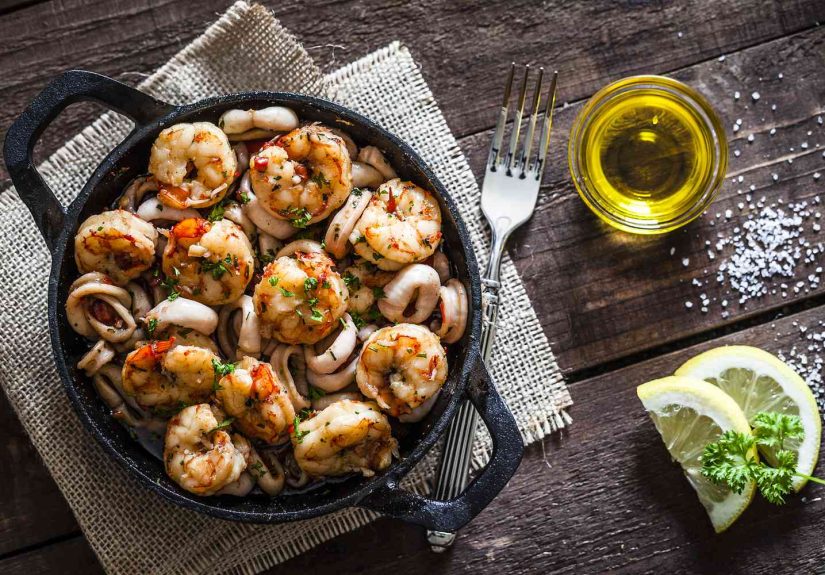
If fried calamari is the party animal of the seafood world, calamari a la plancha is its cooler cousin who
shows up in a linen shirt, orders sparkling water, and still somehow steals the show. This Spanish-style griddled squid is all
about high heat, short cook time, and a punchy garlic-parsley-lemon finish that tastes like summer vacationeven if
you’re eating it in sweatpants.
The best part: you can get restaurant-level char and tenderness at home with a cast-iron skillet, a grill pan, or a flat-top
griddle. No deep fryer. No breading confetti on your counter. Just fast, bold, tapas-style seafood that pairs beautifully with a
cold drink and a warm piece of crusty bread (aka the official mop of delicious sauces).
What “A la Plancha” Really Means (and Why It’s Perfect for Squid)
“A la plancha” means cooking on a very hot, flat metal surfacethink cast iron, carbon steel, or a flat-top grill.
The goal is quick searing: you want the squid to develop a little char and caramelized edge while staying tender inside.
Squid is famous for having two moods:
(1) tender and amazing when cooked very quickly, or (2) tender and amazing when cooked a long time
(braised/simmered). The in-between zone is where squid becomes rubbery enough to be used as a replacement gasket for your blender.
Plancha cooking stays safely in the “quick and glorious” lane.
Main Keyword
This post focuses on the phrase “calamari a la plancha recipe”, plus helpful related terms like
Spanish grilled squid, plancha cooking, garlic parsley sauce, and tender calamari.
(No keyword stuffing herejust naturally delicious writing, like olive oil on warm bread.)
Calamari a la Plancha: Ingredients
For the calamari
- 1 1/4 pounds cleaned squid (tubes and tentacles), preferably small to medium
- 1 1/2 tablespoons extra-virgin olive oil (plus more for the pan)
- 1 teaspoon smoked paprika (pimentón) or sweet paprika
- 1/2 teaspoon kosher salt (plus more to finish)
- 1/4 teaspoon black pepper
- Pinch red pepper flakes (optional, for heat)
- 1 lemon, cut into wedges
Garlic-parsley drizzle (classic tapas finish)
- 2 cloves garlic, finely grated or minced
- 1/3 cup chopped flat-leaf parsley
- 3 tablespoons extra-virgin olive oil
- 1 1/2 tablespoons fresh lemon juice
- Optional: 1 teaspoon sherry vinegar for extra zing
Optional “make it restaurant-y” extras
- Flaky sea salt
- A spoonful of lemon aioli or garlicky mayo on the side
- Chopped chives or thin-sliced scallions for a fresh finish
Equipment You’ll Need
- Cast-iron skillet, griddle, or grill pan (12-inch is ideal)
- Tongs
- Paper towels (non-negotiable for great sear)
- Sharp knife + cutting board
If you have an outdoor flat-top griddle, this dish is basically its love language. If not, cast iron still delivers.
How to Prep Squid So It Stays Tender
1) Choose the right size
Small squid tends to be more forgiving for quick-cook methods because it sears fast and stays tender. If you’re buying whole squid,
ask the fish counter to clean itor pick up pre-cleaned tubes and tentacles to keep things weeknight-friendly.
2) Dry it like you mean it
Moisture is the enemy of browning. Pat the squid dry very thoroughly. If you want extra credit,
lay it on paper towels and let it air-dry in the fridge for 15–30 minutes.
3) Cut and score (optional but helpful)
You can cook tubes as rings or open them into flat sheets. For a classic plancha look, slice the tube down one side,
open it flat, and lightly score the inside in a crosshatch pattern (don’t cut through). This helps prevent curling and
gives you more surface area for char.
4) Don’t marinate in acid forever
Lemon juice is greatbut long, acidic marinades can mess with texture. Keep lemon in the finishing sauce or use a brief toss
right before cooking.
Step-by-Step: Calamari a la Plancha Recipe
Step 1: Make the garlic-parsley drizzle
- In a small bowl, mix garlic, parsley, olive oil, lemon juice, and (optional) sherry vinegar.
- Let it sit while you cook the squid. This quick rest mellows the garlic and wakes up the parsley.
Step 2: Season the calamari
- Pat squid dry again (yes, again).
- Toss with olive oil, smoked paprika, kosher salt, black pepper, and red pepper flakes (if using).
Step 3: Preheat the pan until it’s seriously hot
Place your skillet or griddle over high heat for several minutes. You want it hot enough that the squid sizzles the moment it hits the metal.
Add a thin film of oil right before cooking.
Step 4: Cook fastreally fast
- Cook in batches so the squid sears instead of steaming. Spread pieces in a single layer with space between them.
-
Cook 45–60 seconds per side for flat pieces, or 1–2 minutes total for rings, flipping once.
Tentacles may crisp at the edges a bit fasterthis is a good thing. - Pull the squid as soon as it turns opaque with light char. Overcooking is how tenderness leaves the chat.
Step 5: Finish and serve
- Transfer cooked squid to a platter.
- Drizzle generously with the garlic-parsley mixture.
- Hit it with a squeeze of lemon and a pinch of flaky salt.
- Serve immediately while it’s hot, glossy, and living its best tapas life.
Quick Timing Guide
| Cut | Heat | Cook Time | Best Result |
|---|---|---|---|
| Flat scored tubes | High | 45–60 sec per side | Charred edges, tender center |
| Rings | High | 1–2 min total | Quick sear, no rubber |
| Tentacles | High | 1–2 min total | Crispy tips, juicy bite |
Flavor Variations (Same Technique, Different Vibes)
1) Classic Spanish tapas
Keep it simple: garlic, parsley, lemon, olive oil, and smoked paprika. Add sherry vinegar for a bright, bar-snack finish.
2) Lemon aioli dunker
Serve with a quick lemon aioli (mayo + grated garlic + lemon zest + lemon juice + pinch of salt). It’s the kind of dip that makes people
“accidentally” double-dip.
3) Chili-lime version
Swap lemon for lime, add chili flakes or a pinch of cayenne, and finish with cilantro. Still plancha, just wearing a different outfit.
4) Smoky pimentón oil
Warm olive oil gently with smoked paprika and a sliced garlic clove, then drizzle over the finished squid. It looks dramatic and tastes even better.
What to Serve With Calamari a la Plancha
This dish shines as an appetizer, but it can absolutely pull its weight as dinnerespecially if you add a couple sides.
- Crusty bread (for sauce clean-up duty)
- Patatas bravas or roasted potatoes with paprika
- Simple salad with arugula, shaved fennel, or citrus
- Olives and Marcona almonds for a tapas board feel
- Grilled vegetables (peppers, zucchini, or blistered shishitos)
Beverage note: something crisp and refreshing is your friendsparkling water with lemon works, but a chilled Spanish white or a light lager also
understands the assignment.
Troubleshooting: Fix the Usual Calamari Problems
“My squid turned rubbery.”
The most common culprit is cooking too long at medium-ish heat. Go hotter and faster, and cook in batches. Squid wants a quick sear, not a slow sauna.
“It released liquid and steamed.”
Pat it drier, preheat the pan longer, and don’t crowd the surface. Squid contains water; your job is to stop it from turning your pan into a steamer basket.
“It curled up into little tubes.”
Light scoring helps, and so does pressing gently with tongs. Curling isn’t a disasterit’s just squid doing yogabut scoring improves surface contact.
“The garlic tastes too sharp.”
Let the garlic-parsley mixture sit for 10 minutes. Or grate the garlic (finer texture mellows faster). You’re aiming for bold, not aggressive.
Storage and Reheating (A Gentle Reality Check)
Calamari a la plancha is best eaten immediately. If you must store leftovers, refrigerate in an airtight container for up to 2 days.
Reheating can toughen squid, so keep it quick: a hot pan for 20–30 seconds just to warm through. Or slice and eat cold in a salad with olive oil and lemon.
Not the same magic, but still tasty.
Real-World Experiences With Calamari a la Plancha ( of Lessons, Wins, and “Oops” Moments)
If you ask home cooks what happens the first time they try a calamari a la plancha recipe, you’ll hear a surprisingly consistent story:
the excitement is huge, the cook time is tiny, and the margin for error is… also tiny. The good news is that the “errors” are usually easy to fix once you
know what’s going on.
One common experience is the steam situation. You toss squid into a pan expecting sizzling drama, but instead you get a quiet puddle forming under it.
This isn’t you failing; it’s physics. Squid holds moisture, and if the pan isn’t hot enoughor if the pieces are crowdedwater escapes and cools the surface,
preventing browning. The “aha!” moment for most people is realizing that plancha cooking is basically a sprint: preheat longer than you think, cook in smaller
batches than you want, and pat everything dry like you’re preparing it for a photo shoot.
Another classic moment is the rubbery bite that makes you wonder if you accidentally cooked a pencil eraser. That usually comes from letting the squid
linger on the heat. Many cooks assume seafood needs several minutes “to be safe,” but squid is weirdly opposite: it needs either a blink of high heat or a long,
slow braise. When people finally trust the quick-cook methodpulling it off the pan as soon as it’s opaque with a bit of charthe texture changes instantly.
Tender calamari doesn’t come from patience. It comes from confidence.
Then there’s the surprisingly emotional debate about rings vs. flat sheets. Rings feel familiar (hello, appetizer basket), but opening the tube into a flat
sheet and scoring it gives you more contact with the pan and more caramelized edges. Many cooks report that the scored version “tastes more restaurant-y,” partly
because it gets that signature plancha char. If you’re cooking for guests, the flat scored pieces also look impressivelike you did something fancy on purpose,
which is the best kind of fancy.
Sauce is another area where real kitchens get honest. The garlic-parsley-lemon finish is simple, but people often learn that timing matters: mix it early so the garlic
mellows, then drizzle at the end so the herbs stay bright. If the garlic tastes too sharp, the usual fix is to grate it finely or add a touch more olive oil and a tiny
pinch of salt to round it out. And if someone in the house is a dip person (there’s always a dip person), a quick lemon aioli instantly turns the dish from tapas to obsession.
The most satisfying “experience” with this dish is how fast it teaches good habits. After a couple tries, you start preheating pans properly, you stop crowding food,
and you get comfortable with the idea that great cooking isn’t always about doing more. Sometimes it’s about doing lessfasteron a hotter pan. And yes, it’s also
about eating calamari while standing at the counter because you “just need to taste one more piece” for quality control.
Conclusion
Calamari a la plancha is proof that the simplest dishes can feel the most special. With a ripping-hot pan, dry squid, and a quick cook, you get tender bites with
charred edgesthen a bold garlic-parsley drizzle and lemon turns it into tapas-night perfection. Keep it fast, keep it hot, and serve it immediately. Your skillet
will be proud. Your bread will be busy.