Table of Contents >> Show >> Hide
- What Counts as Smart Sleep Technology?
- How Smart Technology Can Improve Sleep
- Where Sleep Tech Falls Short
- Which Sleep Gadgets Are Actually Worth Considering?
- Who Benefits Most From Smart Sleep Technology?
- How to Use Smart Technology Without Letting It Use You
- So, Can Smart Technology Really Improve Your Sleep?
- Real-Life Experiences With Smart Sleep Technology
- Conclusion
- SEO Tags
Smart technology has officially moved into the bedroom, and no, I do not just mean the person who remembers to turn off the hallway light. Today’s sleep gadgets promise everything from quieter nights and cooler mattresses to personalized wake-up times and glossy charts about your REM cycles. It all sounds wonderfully futuristic, like your pillow earned an engineering degree. But can smart technology really improve your sleep, or is it just giving insomnia better branding?
The honest answer is: yes, sometimes. But only when it is used in the right way. Smart sleep technology can support better rest by helping you spot patterns, improve your bedroom environment, and build healthier routines. At the same time, it can backfire if you become obsessed with the numbers, rely on gadgets instead of habits, or bring too many glowing screens into a space that should feel calm and dark.
That is what makes this topic interesting. Sleep tech is not magic. It is a tool. And like most tools, it can help you fix the problem or inspire you to spend two hours admiring the toolbox while the problem gets worse. Let’s take a closer look at what smart technology does well, where it falls short, and how to use it without turning bedtime into a data analytics conference.
What Counts as Smart Sleep Technology?
Smart sleep technology includes a wide range of devices and apps designed to monitor, influence, or improve sleep. Some focus on tracking, while others try to change your sleep environment or routine. The most common categories include:
Sleep trackers
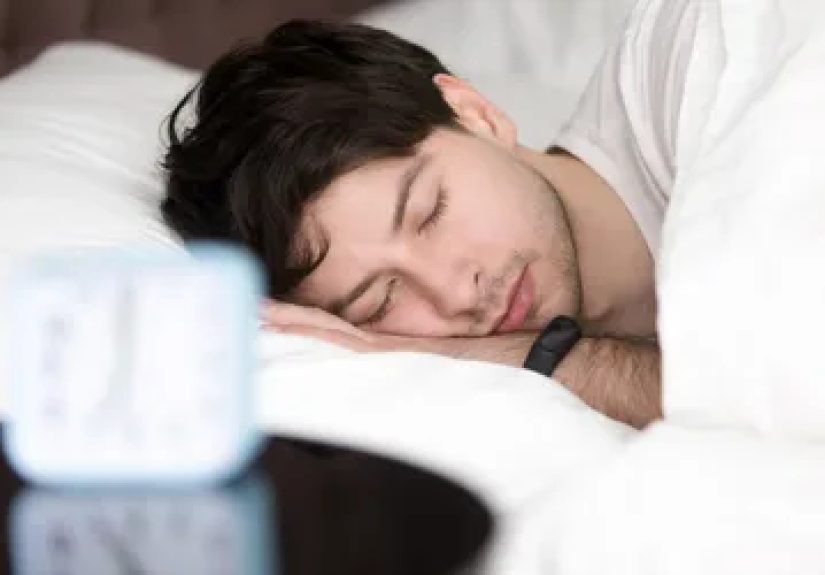
These include smartwatches, rings, under-mattress sensors, and phone apps that estimate sleep duration, sleep stages, movement, heart rate, and sometimes breathing patterns or skin temperature.
Smart beds and mattresses
These products may adjust firmness, elevate your head, track movement, reduce snoring, or regulate bed temperature. In theory, your mattress becomes less “rectangle stuffed with regret” and more “sleep assistant with upholstery.”
Smart lighting
Some lights gradually dim at night, brighten in the morning, or shift color temperature to support your circadian rhythm. This can be useful because light strongly affects when your brain feels sleepy or alert.
Smart alarms and sound machines
These devices may wake you during a lighter phase of sleep, play white noise, or create a more calming bedtime environment through soundscapes, guided relaxation, or breathing exercises.
Medical-grade and health-related features
Some wearable devices now include sleep apnea risk notifications or breathing-related insights. These features are not the same as a full sleep lab test, but they may prompt people to seek medical care when something looks off.
How Smart Technology Can Improve Sleep
1. It can reveal patterns you would otherwise miss
One of the biggest benefits of sleep tech is awareness. Many people know they feel tired, but they do not know why. A sleep tracker may show that you consistently go to bed later than you think, wake up more often than expected, or sleep less on work nights than on weekends. Even if the data is not perfect, it can still help you notice useful trends.
For example, a person may discover that late-night scrolling adds forty-five minutes of wakefulness, or that two glasses of wine lead to more fragmented sleep. Another may realize their “I function fine on five hours” speech should be submitted to the fiction section. Smart tech can turn vague impressions into something clearer and more actionable.
2. It can improve the sleep environment
Sleep is not just about willpower. Your bedroom matters. A room that is too hot, noisy, bright, or distracting can make it harder to fall asleep and stay asleep. Smart technology can help by controlling those variables more consistently.
Smart thermostats can lower nighttime temperatures automatically. Smart bulbs can dim in the evening and reduce harsh light exposure before bed. Sound machines can mask traffic, neighbors, or the mysterious 2 a.m. dog in the distance who apparently has very strong opinions. Some smart beds and mattress systems also offer temperature regulation, which may help people who sleep hot, share a bed with a human radiator, or wake up sweating.
3. It can support healthier routines
Good sleep often starts long before your head hits the pillow. Smart technology can help with consistency by sending reminders to wind down, limiting screen time, scheduling “do not disturb” modes, or using app timers to curb bedtime doomscrolling. In other words, it can stop your phone from acting like a tiny nightclub right when your brain needs a library.
Some people benefit from scheduled routines in sleep apps, meditation platforms, or wearable prompts that encourage regular bedtimes. The tech does not create discipline for you, but it can make good habits easier to repeat.
4. It may encourage earlier detection of sleep problems
Consumer devices cannot diagnose most sleep disorders. That is an important point. Still, they can sometimes raise useful red flags. If a wearable repeatedly shows disrupted sleep, unusual drops in oxygen-related signals, loud snoring trends, or signs of frequent nighttime awakenings, that information may encourage a user to speak with a doctor.
This is one of the more meaningful ways smart technology can help. Not by playing doctor, but by nudging you to see one. When it comes to conditions like sleep apnea, restless sleep, or chronic insomnia, a real medical evaluation matters far more than a pretty dashboard.
Where Sleep Tech Falls Short
It is not as accurate as many people assume
Sleep trackers are getting better, but most consumer devices estimate sleep rather than measure it directly the way a formal sleep study does. They are often pretty good at detecting when you are likely asleep versus awake, but less reliable when it comes to sleep stages or quiet wakefulness. If you lie still in bed replaying a cringey moment from 2014, a tracker may assume you are peacefully asleep. Your brain, sadly, knows otherwise.
This does not make trackers useless. It just means the data should be treated as approximate. Trend information is usually more helpful than obsessing over whether you got 58 minutes or 61 minutes of deep sleep.
More data does not always mean better sleep
There is a growing conversation around “orthosomnia,” a term used to describe an unhealthy obsession with achieving perfect sleep metrics. This happens when people become so focused on improving their sleep scores that they actually create more anxiety around bedtime. The result is wonderfully ironic and deeply unhelpful: trying harder to sleep makes sleep harder.
If your device makes you curious and informed, great. If it makes you panic because your readiness score dropped three points after eating tacos at 8:15 p.m., the gadget may be doing more harm than good.
Some tech actively sabotages sleep
Not all technology deserves a gold star. Screens, alerts, streaming, gaming, work email, and social media can disrupt sleep in obvious and less obvious ways. Bright light at night can interfere with your body’s sleep-wake rhythm. Notifications create mental stimulation. Emotional content keeps the brain engaged. And once you pick up your phone “for one second,” time becomes a myth.
This is why the question is not whether technology helps sleep in general. It is whether the right technology is replacing the wrong technology. A sunrise alarm? Helpful for some people. A twelve-tab true-crime binge in bed? A bold strategy, not a sleep plan.
Which Sleep Gadgets Are Actually Worth Considering?
Wearables and rings
These are useful for people who like trends, habit tracking, and health data. They can help identify rough patterns in sleep timing, consistency, and possible disruptions. They are best for self-awareness, not self-diagnosis.
Smart lights
These can be surprisingly practical, especially for people who struggle to wind down at night or wake up in darkness. Automated dimming in the evening and gradual brightening in the morning can reinforce a steadier sleep schedule.
White noise machines and sleep audio tools
For light sleepers or anyone dealing with city noise, snoring partners, or household chaos, sound technology can be genuinely helpful. It is simple, low drama, and often more effective than people expect.
Temperature-control systems
If you often wake up too warm, cooling systems and climate-adjusting mattress pads may improve comfort. They will not cure insomnia, but they can remove one big obstacle to staying asleep.
Smart alarms
These can help some people wake up more gently, especially if paired with light rather than blaring sound. They are less about increasing total sleep and more about making mornings slightly less hostile.
Who Benefits Most From Smart Sleep Technology?
Smart sleep tools tend to work best for people who are motivated, curious, and willing to use the information sensibly. They can be especially helpful for:
People with inconsistent sleep schedules, those trying to improve sleep hygiene, shift workers managing light exposure, individuals who sleep hot, and users who want a clearer picture of their bedtime habits. They may also help couples with different comfort preferences, thanks to split temperature controls or adjustable smart beds.
But they are not essential for everyone. If your sleep is generally good, your room is comfortable, and your routine is solid, you may not need a wrist-based night auditor. Sometimes the smartest sleep move is simply going to bed on time and keeping your phone six feet away like it owes you money.
How to Use Smart Technology Without Letting It Use You
Focus on trends, not perfection
Use your device to notice broad patterns over weeks, not to judge every night like a strict Olympic panel.
Keep screens out of the wind-down routine
If a sleep app helps you relax, great. But try to avoid browsing, texting, or watching videos once you are in bed.
Make the environment do the work
Automations are most helpful when they quietly improve the room itself: dimmer lights, cooler temperatures, white noise, and fewer interruptions.
Know when to ignore the data
If you feel rested but your tracker says your night was “poor,” trust your body over the gadget. The device is a guide, not a tiny all-knowing sleep wizard.
See a professional when symptoms persist
If you have loud snoring, gasping, chronic insomnia, extreme daytime fatigue, or persistent sleep disruption, use the tech as a prompt to get checked out. Do not let an app become your doctor, therapist, and bedtime judge all at once.
So, Can Smart Technology Really Improve Your Sleep?
Yes, smart technology can improve your sleep, but mostly by helping you support the basics rather than replace them. The best sleep tech improves awareness, environment, and routine. It can encourage healthier habits, reduce friction at bedtime, and sometimes point toward a problem worth discussing with a healthcare professional.
What it cannot do is override biology, cancel stress, erase caffeine at 5 p.m., or compensate for a nightly habit of treating your bedroom like a second office and a third movie theater. Sleep still depends on core habits: a regular schedule, a dark and cool room, limited stimulation before bed, and attention to underlying health issues.
In short, smart technology is most effective when it acts like a helpful assistant, not the star of the show. The goal is not to become the world champion of sleep statistics. The goal is to wake up feeling better. If a gadget helps you do that, fantastic. If it turns bedtime into homework, it may be time to unplug and let old-fashioned sleep do its thing.
Real-Life Experiences With Smart Sleep Technology
People’s experiences with smart sleep technology are often a mix of “this is actually helpful” and “why is my mattress sending me feedback?” That blend of promise and mild absurdity is part of what makes the category so interesting. In real life, most users do not have a dramatic overnight transformation. What they usually get is something more practical: small improvements that add up.
For many people, the first benefit is simply awareness. Someone buys a wearable because it looks sleek and vaguely futuristic, then learns they go to bed at wildly different times every night. Another person notices that they wake up feeling terrible after evenings with alcohol, late meals, or too much screen time. The tracker does not fix the habit, but it removes the illusion that the habit is harmless. That alone can be powerful.
Others have positive experiences with smart lighting. Instead of bright overhead lights at 10 p.m. making the home feel like a supermarket, their lights gradually dim and become warmer in the evening. It sounds small, but the body responds to cues. A calmer room can make bedtime feel more natural and less like a battle between exhaustion and overstimulation.
Temperature-control technology also gets strong reactions from hot sleepers. People who used to wake up sweaty or toss blankets on and off all night often describe cooling mattress systems or climate-adjusting pads as surprisingly effective. No, they do not create perfect sleep every night. But they can reduce one of the most annoying reasons people wake up in the first place.
White noise machines are another category people tend to appreciate once they try them. City traffic, thin apartment walls, hallway noise, a snoring partner, or a household with different schedules can all interfere with sleep. For these users, smart sound technology is less glamorous than a ring full of metrics, but often more useful. It is hard to overstate the beauty of not being awakened by a garbage truck that sounds like it is auditioning for an action movie.
Of course, not every experience is positive. Some users become preoccupied with scores and sleep stages. They wake up feeling decent, check the app, see a disappointing number, and immediately decide they are doomed. Others get frustrated when the tracker seems obviously wrong, such as logging sleep while they were wide awake and staring at the ceiling. In those moments, the tech feels less like a coach and more like a confident intern with incomplete information.
The most successful users usually treat sleep technology as background support. They use it to notice trends, improve the room, and strengthen routines. They do not chase perfect graphs. They do not let one bad score ruin their day. And they remember that sleeping well is still a human process, not a software update. That mindset tends to lead to the best experience of all: better sleep with less drama.
Conclusion
Smart technology can absolutely support better sleep, but it works best when it enhances proven sleep habits instead of trying to replace them. Trackers can reveal useful patterns, smart lights can help cue your body for bedtime, white noise can reduce disruptions, and climate controls can make the bedroom more comfortable. Still, none of these tools matter much if your nightly routine is chaotic, your screen time is endless, or an untreated sleep disorder is lurking in the background.
The smartest approach is to use technology selectively and strategically. Choose tools that solve a real problem, whether that problem is noise, light, heat, or inconsistent routines. Let your devices simplify your life, not increase your anxiety. Because at the end of the day, the best sleep technology is the kind that helps you forget about technology altogether and drift off like a person, not a performance report.