Table of Contents >> Show >> Hide
- What Is the TikTok Hack, Exactly?
- So, Does the TikTok Hack Actually Work?
- The Best Way to Clean a Burnt Glass Stove Top Safely
- 1. Make sure the stove is completely cool
- 2. Remove loose crumbs and debris
- 3. Spray vinegar over the burnt area
- 4. Add baking soda
- 5. Lay a hot damp towel over the mess
- 6. Wipe gently with a soft cloth or non-abrasive pad
- 7. Use a cooktop scraper for stubborn residue
- 8. Apply a glass cooktop cleaner if needed
- 9. Rinse and buff dry
- What You Should Never Use on a Glass Stove Top
- When a Burn Mark Is Not Really a Burn Mark
- Final Verdict: Can This TikTok Hack Clean a Burnt Glass Stove Top?
- Real-Life Experiences With the TikTok Stove-Top Hack
- SEO Tags
Glass stove tops are a lot like white sneakers: gorgeous when they’re clean, strangely judgmental when they’re not. One pasta boil-over, one overenthusiastic grilled cheese, or one pan that swore it was “totally not burning,” and suddenly your sleek cooktop looks like it survived a tiny kitchen volcano. So when TikTok rolls in promising a fast, fizzy, oddly satisfying fix for a burnt glass stove top, it is very tempting to believe you’ve just met your cleaning soulmate.
The viral hack usually involves some combination of white vinegar, baking soda, a hot towel, and a scraper. On video, it looks magical. Spray, sprinkle, wipe, reveal. Cue the sparkling after shot and a comment section full of people typing “RUNNING to my kitchen.” But real life is messier than a 20-second clip. Burnt residue does not care about editing. And glass cooktops, while durable, are not invincible.
So, can this TikTok hack actually clean a burnt glass stove top? Yes, sometimes. But it is not a miracle cure, and it definitely works better when you understand what the hack is doing, where it helps, and where it absolutely should not be pushed too far. Here’s the honest version: the hack can loosen grime and make cleanup easier, but the safest and most effective results usually come from pairing that viral trick with the boring grown-up advice appliance brands and cleaning experts have been giving for years.
What Is the TikTok Hack, Exactly?
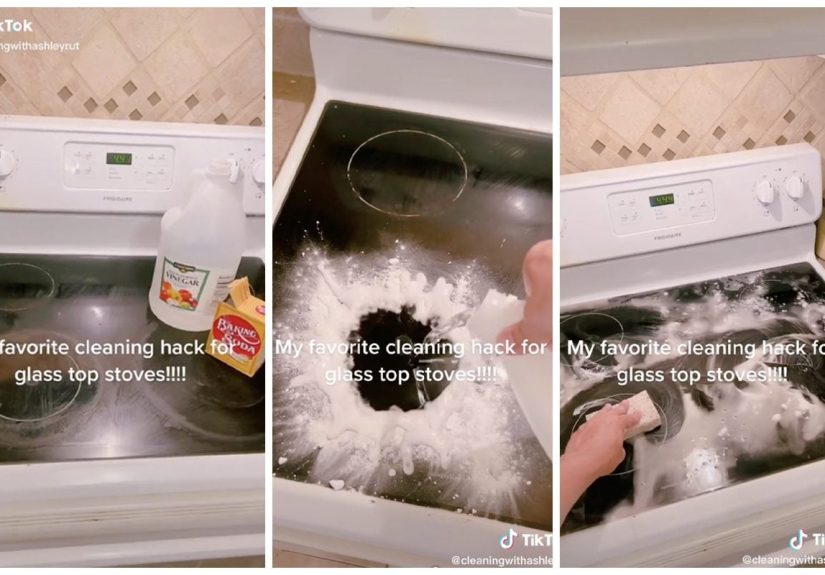
Most versions of the TikTok glass stove top hack follow the same basic script. First, the surface is allowed to cool. Then the cooktop gets sprayed with vinegar, covered with baking soda, and sometimes topped with a hot damp towel. After sitting for a few minutes, the residue is wiped away. For stubborn gunk, some people finish with a cooktop scraper or a cleaner made specifically for ceramic or glass surfaces.
The reason this hack caught on is obvious. It uses cheap pantry staples, it looks dramatic on camera, and it feels safer than attacking your stove with a steel wool pad like you’re scrubbing pirate barnacles off a ship. Baking soda is mildly abrasive, vinegar helps loosen greasy messes, and the warm towel can soften stuck-on food. In other words, the hack is not nonsense. It’s just incomplete.
And that matters, because a glass stove top is not a generic countertop. It is a glass-ceramic cooking surface that can scratch, haze, discolor, or even suffer permanent damage if you use the wrong tool or let the wrong spill bake on too long. That is why the best cleaning advice for these surfaces is less “go wild” and more “slow down, soften the mess, and use the right materials.” Not thrilling, but very effective.
So, Does the TikTok Hack Actually Work?
Yes, for many burnt-on messes it does help. If the residue is cooked-on grease, sauce splatter, or a layer of carbonized food that has not permanently etched the surface, the vinegar-and-baking-soda method can loosen it enough to wipe away or scrape off much more easily. That makes the hack a useful first step, especially for medium-level messes that look awful but are not truly catastrophic.
But no, it is not always enough on its own. If your stove top has heavy blackened buildup, sugary spill damage, deep discoloration, or marks caused by metal transfer from cookware, the hack may improve the appearance without fully removing the stain. That is where a cooktop scraper, a specialty glass cooktop cleaner, or repeated gentle treatments usually come in. In some cases, the mark may not be removable at all because the glass has been pitted, etched, or permanently stained.
That is the big reality check TikTok does not always mention. A burnt glass stove top can have residue on top of the surface, or it can have damage in the surface. Residue can often be cleaned. Damage cannot be scrubbed into nonexistence, no matter how much baking soda you throw at it. If you’ve ever cleaned for 20 minutes and the ring is still staring back at you like it pays rent, there is a good chance you are dealing with discoloration or etching rather than simple grime.
What the hack gets right
The TikTok method gets several important things right. It encourages gentle cleaning, relies on commonly safe ingredients, and softens buildup before you start rubbing. That last part is huge. Most stove-top-cleaning disasters happen when someone sees burnt residue and immediately attacks it like it personally offended their family. Softening first saves effort and helps prevent scratching.
Where the hack falls short
The hack often leaves out the most important details: use only non-abrasive cloths or pads, avoid ammonia and bleach, do not clean while the surface is hot, and use a proper cooktop scraper carefully when needed. It also tends to blur the difference between “burnt food sitting on top” and “permanent burn mark or etched damage.” One can come off. The other may become lighter, but not vanish.
The Best Way to Clean a Burnt Glass Stove Top Safely
If you want the TikTok version to actually work in a real kitchen, use it as part of a more complete cleaning routine. Here is the method most likely to give you a clean surface without turning your stove into a cautionary tale.
-
1. Make sure the stove is completely cool
This is not optional. Cleaning products can burn onto a hot surface, and some harsh products can create fumes or streaks when used on heat. A cool surface also lets you see the mess more clearly and work more safely.
-
2. Remove loose crumbs and debris
Use a soft microfiber cloth or non-abrasive pad to wipe off anything loose. This keeps you from grinding crumbs into the surface while you clean, which is basically the stove-top version of rubbing sandpaper on your sunglasses.
-
3. Spray vinegar over the burnt area
Lightly mist the affected area with white vinegar, or use a vinegar-and-water mix. For greasy residue, a few drops of dish soap can help. Let it sit for several minutes so the surface grime starts to loosen.
-
4. Add baking soda
Sprinkle a generous layer of baking soda over the wet area. This gives you mild abrasion without going full demolition mode. If you prefer, you can make a paste with baking soda and water instead of relying on the fizz factor.
-
5. Lay a hot damp towel over the mess
This is one of the smartest parts of the viral method. Place a hot, well-wrung towel over the baking soda and let it sit for 10 to 15 minutes. The heat and moisture help soften burnt residue so you do less scrubbing later.
-
6. Wipe gently with a soft cloth or non-abrasive pad
Lift the towel and wipe in small circular motions. Many messes will come up here, especially if the buildup is recent. If it starts disappearing, congratulations: TikTok did not lie to you today.
-
7. Use a cooktop scraper for stubborn residue
If burnt debris is still clinging to the surface, use a scraper designed for glass or ceramic cooktops. Hold it at about a 45-degree angle and work carefully. Keep the blade flat, use gentle pressure, and never dig the corner into the glass. This step is often what separates a decent result from a genuinely clean stove.
-
8. Apply a glass cooktop cleaner if needed
For tougher stains, use a product made specifically for glass or ceramic cooktops. These cleaners are designed to cut residue without scratching the surface. Rub with a non-abrasive pad, let the cleaner haze if directed, then buff clean.
-
9. Rinse and buff dry
Wipe away any residue with a clean damp cloth, then dry and buff with a microfiber cloth. That final buff matters more than people think. It removes streaks and makes the whole surface look cleaner, even if you were two seconds away from declaring the stove “good enough.”
What You Should Never Use on a Glass Stove Top
Here is where many cleaning experiments go wrong. A glass stove top may look sturdy, but it has a short list of enemies.
- Steel wool or abrasive scrubbers: Great for cast iron, terrible for glass cooktops.
- Harsh powdered cleansers: Too abrasive for routine use and can leave fine scratches.
- Ammonia-based glass cleaners: These can streak, stain, or release unpleasant fumes if any residue remains when the surface heats up.
- Bleach or rust remover: Overkill, and not worth the risk of surface damage.
- Random internet tools: If the hack requires a mystery scrubber from the depths of your junk drawer, maybe do not trust it with your stove.
You should also avoid sliding heavy pans across the surface. Some so-called burn marks are actually metal transfer from cookware, or scratches caused by rough pan bottoms. If a pan boils dry, especially one with softer metal on the bottom, it can leave black discoloration that should be cleaned quickly before it becomes harder to remove.
When a Burn Mark Is Not Really a Burn Mark
This is the part no one loves hearing: not every ugly spot is removable. Sometimes what looks like burnt residue is actually permanent discoloration, pitting, or etched damage. Sugary spills are particularly nasty. Syrup, candy, jelly, and similar messes can damage the surface if they cool and harden in place. Melted plastic can be even worse.
If the mark feels smooth after cleaning, does not lift with a proper scraper, and remains visible after repeated gentle treatment, the surface may be permanently changed. That does not necessarily mean the stove is unusable. It just means you are now in a committed relationship with a cosmetic flaw. Welcome. Many kitchens have one.
The upside is that routine care can stop things from getting worse. Wipe spills soon after cooking, keep pan bottoms clean and dry, and do quick maintenance instead of waiting until your stove top resembles an archaeological dig site.
Final Verdict: Can This TikTok Hack Clean a Burnt Glass Stove Top?
Yes, but with an asterisk the size of a frying pan. The TikTok hack can absolutely help clean a burnt glass stove top when the mess is mostly cooked-on residue. The combination of vinegar, baking soda, and a hot towel is effective at loosening grime. But the truly successful version of the hack also includes patience, non-abrasive materials, and, for stubborn spots, a proper cooktop scraper or glass cooktop cleaner.
In other words, the viral trick is not wrong. It is just not the whole story. Think of it as the opening act, not the entire concert. For light to moderate build-up, it can work beautifully. For thick black residue, metal marks, or damage that has already etched the surface, it may only get you part of the way there.
If you try it with realistic expectations, though, it is one of the better cleaning hacks floating around the internet. And in the wild world of social media cleaning advice, that is basically a standing ovation.
Real-Life Experiences With the TikTok Stove-Top Hack
One reason this hack keeps getting passed around is that it feels accessible. You do not need a specialty gadget, a chemistry degree, or an emergency call to your appliance brand. In many homes, the first experience goes something like this: someone notices a dark ring under a burner, remembers a TikTok they saw at 11:47 p.m., grabs vinegar and baking soda, and hopes for a dramatic reveal. The first surprise is that the hack often does improve the mess quickly. That alone makes it feel like a win, especially when the residue has been annoying you every time you walk into the kitchen.
But a second common experience is realizing the “after” shot on social media tends to skip the boring parts. In real kitchens, the towel step matters. Letting the hot damp towel sit long enough matters. Wiping gently instead of scrubbing like you are trying to erase a bad decision matters. A lot of people discover that the hack works best when they stop rushing it. The grime softens, the cloth picks up more than expected, and the stove starts looking less like a disaster and more like a neglected but salvageable adult responsibility.
Another very common experience is the halfway victory. You lift the towel, wipe once, and think, “Wow, this is actually working.” Then you wipe again and realize there is still a stubborn ring or a crusty patch refusing to leave. This is usually the moment when people learn the most useful lesson of all: the viral ingredients loosen the mess, but the scraper often finishes the job. Not aggressively. Not dramatically. Just carefully, at the correct angle, with enough patience to work the residue off without gouging the surface.
There is also the emotional journey of discovering that some marks were never going to disappear completely. Plenty of people try the hack expecting a brand-new shine and end up with a stove that looks 75 to 90 percent better. That sounds disappointing until you remember the “before” looked like it had hosted a cheese explosion and then filed no incident report. In everyday life, “vastly improved” is still a real success. A cleaner, safer, less crusty cooktop is a worthy outcome, even if one faint ring remains as a little souvenir from your overboiled oatmeal era.
Some users also notice that the hack changes their habits more than their stove. After going through the effort once, many people become much faster about wiping splatters after dinner, checking the bottoms of pans, and cleaning sugary spills before they turn into tiny acts of revenge. That might be the most valuable experience tied to this trend. The hack is not just a rescue mission; it teaches prevention. Once you have spent part of your Saturday coaxing burnt pasta sauce off a glass cooktop, future-you suddenly becomes very interested in wiping things up on Tuesday night.
And then there is the satisfaction factor, which should not be underestimated. A clean glass stove top changes the whole mood of the kitchen. It makes the room look brighter, neater, and suspiciously more expensive. It also gives you that deeply specific feeling of domestic competence that says, “Yes, I may have burned the soup, but I also handled the aftermath.” TikTok loves the transformation because it is visual, but homeowners love it because it restores order.
The most realistic takeaway from real-world experience is simple: this hack is useful when treated like a method, not a miracle. It helps most with fresh or moderate burnt-on residue, works better with patience than brute force, and becomes far more effective when paired with the right scraper or cooktop cleaner. When people are disappointed, it is usually because the stain is actually permanent damage or because the video made a tough job look instant. When people are happy, it is usually because the hack gave them a cleaner stove, a smarter routine, and one less thing in the kitchen making them feel judged.