Table of Contents >> Show >> Hide
- What Is Carob Powder?
- Carob Powder at a Glance (How It Compares to Cocoa)
- Carob Powder: 9 Nutrition Facts (and Why They Matter)
- 1) Naturally very low in fat
- 2) Naturally sweet (with carbohydrates and sugars)
- 3) A surprisingly solid fiber boost
- 4) Naturally low in sodium
- 5) Contains minerals like calcium and potassium
- 6) Also provides smaller amounts of other micronutrients
- 7) Naturally gluten-free (but cross-contact is possible)
- 8) Typically caffeine-free (and very low in cocoa-like stimulants)
- 9) Rich in plant compounds, including polyphenols and tannins
- Health Benefits of Carob Powder (What the Evidence Suggests)
- 1) Digestive support (fiber + “gentle bulk”)
- 2) May help with diarrhea in certain contexts
- 3) Heart-friendly potential via fiber and polyphenols
- 4) Supports balanced energy and fullness (without promising “weight loss”)
- 5) A caffeine-free option for late-day cravings
- 6) Antioxidant activity from plant polyphenols
- 7) Naturally fits gluten-free baking (with some recipe tweaks)
- 8) Potentially gentler for some people who avoid chocolate triggers
- 9) A “food-first” way to add flavor without relying on ultra-processed mixes
- How to Use Carob Powder (Without Ruining Dessert)
- Potential Downsides and Who Should Be Cautious
- FAQ
- Real-Life Experiences with Carob Powder (What People Commonly Notice)
- Conclusion
- SEO Tags
Carob powder is the “chocolate-ish” ingredient that shows up at the party wearing a sensible sweater: it’s sweet, cozy, and noticeably less dramatic than cocoa.
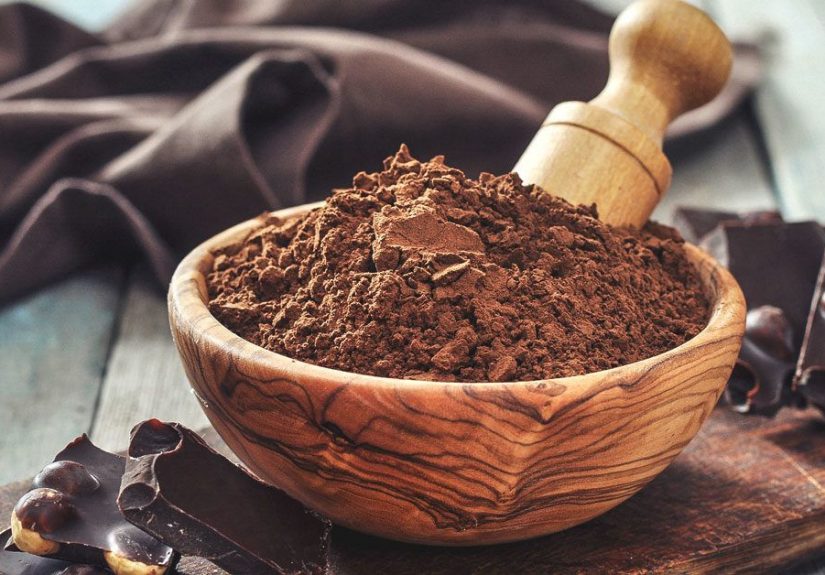
Made from roasted, ground pods of the carob tree, it looks like cocoa powder but behaves differently in recipesand in your body.
If you’re curious whether carob is just a nostalgic health-food-store relic or an actually-useful pantry staple, you’re in the right place.
Below you’ll find nine key nutrition facts (with practical takeaways), the most talked-about health benefits, smart ways to use it, and a few “hold upread this first” cautions.
(Spoiler: carob can be a great fit for some people, but it’s not a magic wand. It’s a food, not a superhero cape.)
What Is Carob Powder?
Carob powder (sometimes labeled “carob flour”) comes from the pods of Ceratonia siliqua, a Mediterranean tree in the legume family.
The pods are dried and typically roasted, then milled into a fine brown powder.
The result is naturally sweet, mildly “toasty-caramel” in flavor, and often used as a cocoa substitute in baking, smoothies, and hot drinks.
One important detail: “carob powder” can mean slightly different things depending on the brand.
Some products are made mostly from the pod pulp; others may include more of the seed components, which can shift fiber, sugar, and texture.
Translation: the nutrition label is your best friend.
Carob Powder at a Glance (How It Compares to Cocoa)
- Sweeter by nature: Carob has more natural sugars than unsweetened cocoa, so recipes often need less added sugar.
- Typically much lower in fat: Cocoa contains cocoa butter unless it’s heavily defatted; carob is naturally very low in fat.
- No caffeine “buzz”: Carob is commonly used when people want a chocolate-like flavor without stimulants.
- Flavor is not “chocolate”: It’s its own thingwarm, nutty, and caramel-likeso think “swap” not “clone.”
Carob Powder: 9 Nutrition Facts (and Why They Matter)
1) Naturally very low in fat
Carob powder contains very little fat compared with many chocolate products.
That can be helpful if you’re aiming for a lighter ingredient in baking or snacksespecially when you still want a rich-looking, cocoa-like color.
It also means carob’s mouthfeel can be less “silky,” so recipes sometimes benefit from a little added fat (like nut butter, yogurt, or milk) for creaminess.
2) Naturally sweet (with carbohydrates and sugars)
Carob is naturally sweet because the pod pulp contains sugars.
That’s why carob brownies can taste “already sweetened” even before you add much sugar.
It’s a perk for flavor, but it also means carob isn’t a “zero-sugar” ingredientpeople watching added sugars still need to pay attention to total sugar in the full recipe.
Practical tip: when swapping carob for cocoa, start by reducing the recipe’s added sugar a bit, then adjust after tasting.
3) A surprisingly solid fiber boost
Carob powder is known for its fiber content, which supports digestion and helps keep you satisfied after eating.
In some nutrition breakdowns, a small serving (like a couple tablespoons) can contribute a meaningful chunk of daily fiber.
Fiber is also one of those under-consumed nutrients that most Americans could use more ofwithout turning life into a kale-only musical.
4) Naturally low in sodium
Plain carob powder is naturally low in sodium (and some labels show essentially none).
That makes it a simple ingredient choice if you’re trying to keep sodium reasonable overallespecially in snacks where sodium can quietly stack up.
Just watch for “carob drink mixes” that may add salt or flavorings.
5) Contains minerals like calcium and potassium
Carob contains several minerals, and it’s often noted for calcium and potassium in particular.
Calcium supports bones, teeth, muscle function, and nerve signaling.
Potassium is an electrolyte involved in nerve function and muscle contraction and is part of heart-healthy eating patterns.
Amounts vary by brand and serving size, so check your label for the most accurate numbers.
6) Also provides smaller amounts of other micronutrients
Depending on the product, carob may contribute modest amounts of minerals like magnesium and iron, plus B vitamins such as riboflavin (B2) and niacin (B3).
You probably won’t eat carob solely to “hit your B2 goals,” but it can be one more small way a whole-food ingredient adds up across the day.
7) Naturally gluten-free (but cross-contact is possible)
Carob itself does not contain gluten.
That said, “gluten-free” in real life depends on processing and cross-contact.
If you have celiac disease or serious gluten sensitivity, look for products labeled gluten-free and produced in facilities that manage cross-contact.
8) Typically caffeine-free (and very low in cocoa-like stimulants)
If you love the idea of a warm, chocolate-style drink at nightbut your sleep says “absolutely not”carob is a popular choice.
It’s commonly described as caffeine-free, and it’s used as a cocoa alternative for people who are sensitive to caffeine.
(Important nuance: “carob” products can vary, and some analyses detect tiny amounts of related compounds depending on processingso read labels, especially for blended products.)
9) Rich in plant compounds, including polyphenols and tannins
Carob contains polyphenols (plant compounds associated with antioxidant activity) and tannins.
Tannins are one reason carob has a slightly “dry” tasteand they’re also part of why carob has been used traditionally in digestive contexts.
The amount and profile of polyphenols can vary based on ripeness, roasting, and how the powder is made.
Health Benefits of Carob Powder (What the Evidence Suggests)
1) Digestive support (fiber + “gentle bulk”)
The fiber in carob can support regular digestion by adding bulk and helping stools move through the gut more smoothly.
If you’re someone who feels “snack-y” right after eating, a fiber-containing ingredient can also help you feel more satisfied.
The key is to increase fiber gradually and drink enough fluidsotherwise your digestive system may file a complaint.
2) May help with diarrhea in certain contexts
Carob’s tannins (plus its fiber) have a long history in traditional use for diarrhea, and clinical research has explored carob-based preparationsespecially in children with acute diarrheaalongside oral rehydration.
This is not a DIY “skip medical care” situation, but it helps explain why carob gets mentioned as a gut-friendly ingredient.
If diarrhea is persistent, severe, or accompanied by dehydration symptoms, medical guidance matters.
3) Heart-friendly potential via fiber and polyphenols
Dietary fiberparticularly certain fiber typescan support healthy cholesterol levels as part of an overall heart-healthy eating pattern.
Some research on carob fiber preparations suggests improvements in cholesterol markers in people with elevated cholesterol.
Translation: carob isn’t a cholesterol medication, but its fiber and plant compounds fit nicely into the same nutritional “team” that cardiology organizations talk about.
4) Supports balanced energy and fullness (without promising “weight loss”)
Because carob is naturally sweet, it can help satisfy a “dessert craving” with less added sugar in some recipes.
Combine that sweetness with fiber, and you often get a snack that feels more filling than a typical sugary treat.
That can support steadier energy for some peopleespecially when carob is paired with protein or healthy fats (think yogurt, nut butter, or milk).
5) A caffeine-free option for late-day cravings
If caffeine makes you jittery, anxious, or wide awake at midnight replaying awkward middle-school memories, carob can be a helpful swap.
People often use it for “hot chocolate vibes” in the evening without stimulants.
This isn’t a medical treatment for anxiety or insomniabut it’s a practical food choice that can remove one common trigger.
6) Antioxidant activity from plant polyphenols
Carob’s polyphenols are studied for antioxidant activity in lab settings, and diets rich in plant foods are associated with better long-term health outcomes.
It’s best to interpret “antioxidants” as a pattern (eat a variety of plants) rather than a scoreboard where one ingredient wins the trophy.
Carob can be one of many plant-based ingredients that contribute to that overall pattern.
7) Naturally fits gluten-free baking (with some recipe tweaks)
Because it’s gluten-free, carob works well in gluten-free recipes that already rely on other flours for structure (like almond flour, oat flour, rice flour, or gluten-free blends).
Carob can add color and flavor, plus some fiber.
It won’t behave exactly like cocoa in every recipeso think of it as a flavor ingredient, not a structural one.
8) Potentially gentler for some people who avoid chocolate triggers
Some people avoid chocolate because of caffeine, certain biogenic amines (like tyramine), or simple personal sensitivity.
Evidence around diet triggers for migraines can be mixed and highly individual, but carob is often used as an alternative in “chocolate-free” eating patterns.
If you know you’re sensitive to chocolate, carob may be worth a cautious trial.
9) A “food-first” way to add flavor without relying on ultra-processed mixes
Carob powder can be a simple ingredient that replaces dessert drink mixes or flavored syrups in some recipes.
Choosing single-ingredient products is one way to keep an eye on added sugars and additiveswithout taking all the fun out of snacks.
(Fun matters. Your taste buds are not a punishment box.)
How to Use Carob Powder (Without Ruining Dessert)
Smart swaps in baking
- Start 1:1 by volume when swapping for cocoa powder, then adjust sugar downward because carob is naturally sweeter.
- Add moisture or fat if needed: Carob can taste “drier” than cocoa. A splash more milk, yogurt, or a bit of oil can help.
- Expect a different flavor: Carob is caramel-toasty, not chocolate-bitter. Lean into it with vanilla, cinnamon, or a pinch of salt.
Easy everyday ideas
- Hot “carob cocoa”: Warm milk (or a milk alternative), whisk in carob powder, add cinnamon and vanilla.
- Smoothies: Blend banana + milk + peanut/almond butter + a spoonful of carob.
- Oatmeal upgrade: Stir into oats with sliced fruit and a drizzle of honey (optional).
- Yogurt swirl: Mix carob into plain Greek yogurt for a dessert-ish snack with protein.
Potential Downsides and Who Should Be Cautious
It can add up in sugar if you use a lot
Carob’s sweetness is natural, but sugar is still sugar.
If a recipe uses large amounts of carob powder (or carob chips), total sugar and carbs can climb.
The good news: you can often cut added sugars in recipes because carob brings sweetness on its own.
Fiber can be “too much of a good thing” if you jump in fast
If you’re not used to fiber-rich foods, a big carob smoothie today + a giant bean bowl tonight can lead to bloating or discomfort.
Ease in, increase water, and let your gut microbiome get the memo.
Allergies are uncommon, but possible
Carob comes from a legume family plant, and rare allergic reactions have been described in the medical literature.
If you have multiple food allergies (especially to legumes) or you notice symptoms like hives, swelling, or trouble breathing after eating something new, seek medical care promptly.
Kidney stones and oxalates: don’t assume “zero”
Cocoa can be high in oxalates, and some people interested in kidney stone prevention look for alternatives.
Carob is often discussed as a lower-oxalate option than cocoa, but oxalate content can vary across foods and data sources.
If you’ve been told to follow a low-oxalate diet, discuss ingredient swaps with your clinician or dietitian for personalized guidance.
FAQ
Does carob taste like chocolate?
Kind of in the “brown powder” sense, but not in the “identical twin” sense.
Carob is sweeter and more caramel/toasty.
If you expect a perfect chocolate dupe, you’ll be disappointed. If you expect a tasty ingredient with its own personality, you’ll probably be happy.
Is carob powder healthier than cocoa powder?
It depends on what you mean by “healthier.”
Carob is typically caffeine-free and low in fat, and it can add fiber.
Cocoa has its own benefits (including different polyphenols) and is often less naturally sweet.
The “best” choice is the one that fits your needs, tastes good, and helps you build balanced meals overall.
Can I use carob powder every day?
For most people, moderate amounts as part of a varied diet are fine.
If you have a medical condition that requires specific dietary limits (like strict carbohydrate control or a specialized kidney stone plan), use your label and your healthcare team as the tie-breakers.
Real-Life Experiences with Carob Powder (What People Commonly Notice)
When people first try carob powder, the most common “aha” moment is flavor-related: it’s not bitter like unsweetened cocoa, and it doesn’t need as much sugar to taste dessert-like.
In practice, that means your first batch of carob muffins might come out unexpectedly sweetespecially if you use your usual cocoa recipe and keep the same sugar.
A lot of home bakers end up treating carob like a flavor base that pairs better with warm spices (cinnamon, nutmeg), vanilla, and even a tiny pinch of salt to make the sweetness taste more “rounded.”
Another frequent experience is that carob feels “lighter” in the body than a chocolate-heavy snack, especially for people sensitive to caffeine.
Some folks report that a nighttime hot carob drink scratches the hot-chocolate itch without turning bedtime into a staring contest with the ceiling.
This is especially noticeable when someone is used to evening chocolate and doesn’t realize how much caffeine (and cocoa-related stimulants) can affect them until they stop.
The swap can feel like changing from an action movie to a calm documentary: still interesting, just less adrenaline.
Texture is the third big learning curve.
Cocoa can be rich and “round” because it often brings more fat and a deeper bitterness.
Carob can taste a little drier or more “powdery” if you don’t give it enough liquid or fat to grab onto.
In smoothies, people often like carob best when it’s paired with banana, dates, or nut butteringredients that create creaminess and match carob’s naturally caramel-like notes.
In baking, adding yogurt, applesauce, or a touch more milk can help prevent that “why does this feel like I’m eating a delicious sandcastle?” moment.
Digestively, experiences vary.
If someone’s diet is low in fiber, adding carob can be a gentle nudge toward more regularity.
But if a person goes from “almost no fiber” to “carob chia pudding plus a giant lentil bowl” in one day, their gut may respond with bloating or extra gas.
People who do best tend to start with small amountslike a teaspoon in oatmeal or a tablespoon in a smoothieand increase gradually while drinking enough water.
It’s not glamorous advice, but it works: fiber is a long game, not a one-day sprint.
Finally, a lot of people simply enjoy carob because it makes “better-for-you” snacks feel less like a compromise.
Carob energy bites (oats + nut butter + carob + a little honey) are a common example: they taste dessert-like, travel well, and can be adjusted for different preferences.
Parents sometimes like carob-based snacks for kids who want “chocolate everything,” because the flavor is sweet and familiar without relying on chocolate.
The overall pattern is pretty consistent: when carob is treated as its own ingredientrather than a strict cocoa impersonatorpeople tend to stick with it.
Conclusion
Carob powder is a naturally sweet, typically caffeine-free cocoa alternative that brings fiber, minerals, and plant compounds to the table.
Its biggest strengths are practical: it can reduce the need for added sugar in recipes, work well in gluten-free baking, and offer a cozy “chocolate-style” option for people who don’t do well with caffeine.
The trade-off is that it’s not a perfect chocolate replicaand because it’s naturally sweet, portion and recipe balance still matter.
If you’re curious, start small: try a spoonful in oatmeal or a warm milk drink, then experiment with baking once you learn how your favorite recipes respond.
Your taste buds will tell you quickly whether carob is your new pantry staple… or just a polite guest who doesn’t get invited back.