Table of Contents >> Show >> Hide
- Why celebrities are going alcohol-free (and why it matters)
- Celebrities who quit drinking: 13 real-world sobriety stories
- 1) Anne Hathaway: “None” became the answer
- 2) Tom Holland: quitting after he felt “stuck”
- 3) Drew Barrymore: breaking a family cycle
- 4) Bradley Cooper: sobriety before superstardom
- 5) Robert Downey Jr.: the early-2000s reset
- 6) Jamie Lee Curtis: “one day at a time” stays undefeated
- 7) Eminem: long-term sobriety and consistency
- 8) Daniel Radcliffe: quitting after realizing it wasn’t “fun” anymore
- 9) Chrissy Teigen: sobriety, honesty, and the reality of relapse
- 10) Samuel L. Jackson: rehab, recovery, and rebuilding
- 11) John Mulaney: sobriety, relapse, and choosing treatment
- 12) Jason Bateman: growing up, growing out of it
- 13) Dax Shepard: long-term sobriety and staying honest
- What these celebrity sobriety stories have in common
- If you’re thinking about quitting drinking, take it seriously (and safely)
- Conclusion
- Extra: of experiences people often report after quitting drinking
- SEO tags
In Hollywood, “party culture” can look like a permanent red carpet with a never-ending open bar. But a growing number of famous people have quietly (and sometimes loudly) stepped away from alcoholand not because they suddenly fell in love with sparkling water. They quit drinking to protect their health, stabilize their mental well-being, show up for their kids, or simply because they realized booze was taking more than it was giving.
This isn’t a finger-wagging sermon. It’s a reality check: sobriety isn’t a personality trait, and it’s not a one-size-fits-all story. Some celebrities quit after scary wake-up calls. Some stopped because moderation felt like a full-time job with terrible benefits. Some tried “sober curious” living first and then decided they liked themselves better without the hangover sequel.
Why celebrities are going alcohol-free (and why it matters)
The public sees fame as accessVIP sections, after-parties, endless champagne. What we don’t see is how alcohol can become a coping tool when your schedule is brutal, your privacy is microscopic, and your mistakes are searchable forever.
When a celebrity quits drinking, it often sparks two useful conversations:
- Alcohol isn’t “mandatory fun.” You can celebrate, network, grieve, relax, or date without it.
- Recovery is health care, not gossip. People can change their habits to protect their bodies, relationships, and futures.
And yes, there’s a practical takeaway for the rest of us: if someone with unlimited access to the party chooses not to drink, that’s a pretty strong sign it can be worth rethinking what alcohol does in everyday life.
Celebrities who quit drinking: 13 real-world sobriety stories
Below are well-documented examples of public figures who have discussed quitting drinking (or choosing long-term sobriety). Each story is different, but together they highlight a pattern: the “best” reason to quit is the one that helps you live better.
1) Anne Hathaway: “None” became the answer
Anne Hathaway has spoken candidly about stepping away from alcohol, especially as parenting and work demands made hangovers feel less like a minor inconvenience and more like a multi-day flu with bad timing. Her point wasn’t moral superiorityit was logistics, clarity, and being present.
What’s relatable here is the simplicity: sometimes the best boundary is the clearest one. Not “only on weekends,” not “only wine,” not “only if it’s organic and blessed by a wellness influencer.” Just: no.
2) Tom Holland: quitting after he felt “stuck”
Tom Holland has talked about realizing alcohol had more control over him than he liked. He described the early stretch of sobriety as challenging, which is honest and importantbecause glamorizing the first weeks helps no one.
His story highlights a common turning point: when you notice your brain negotiating for the next drink a little too aggressively, it’s worth paying attention.
3) Drew Barrymore: breaking a family cycle
Drew Barrymore has described alcohol as an “awful cycle” in her life and has shared that quitting helped her feel freer and more stableespecially during difficult personal seasons. She has also framed sobriety as part of changing a larger family pattern, which many people can relate to.
The key takeaway isn’t celebrity drama; it’s the idea that quitting can be less about “willpower” and more about building a life you don’t need to escape from.
4) Bradley Cooper: sobriety before superstardom
Bradley Cooper has been open about getting sober well before his biggest fame wave hit. That matters because it undercuts a popular myth: that addiction is caused by success or spotlight alone. Often, the real issue is what alcohol is doing to your relationships, your self-control, and your ability to show up as yourself.
Cooper has also spoken about how sobriety helped him become more grounded and emotionally availabletwo benefits that rarely trend on social media but tend to improve everything else.
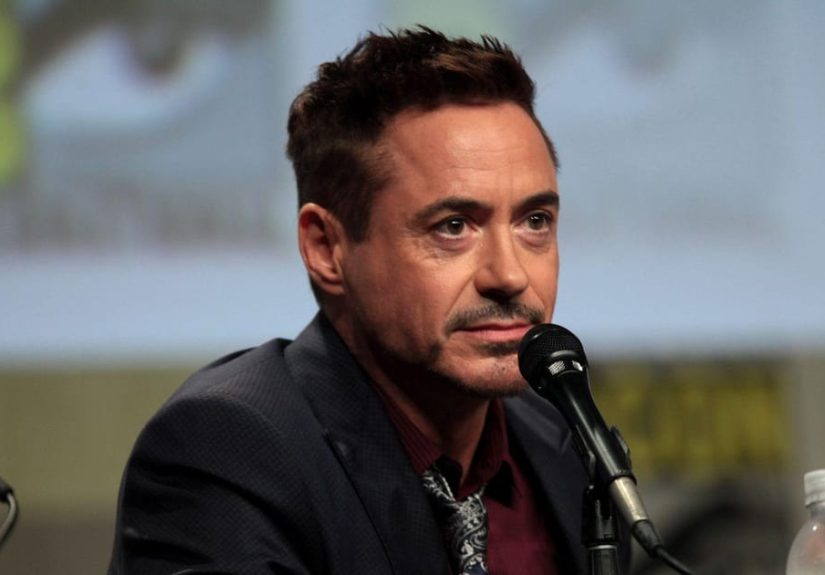
5) Robert Downey Jr.: the early-2000s reset
Robert Downey Jr. is a high-profile example of a comeback story paired with long-term recovery. He’s discussed getting sober in the early 2000s and turning his life in a radically different direction.
The sober lesson here isn’t “become Iron Man.” (Although, sure, if you can, go for it.) It’s that sobriety can create enough stability for talent and opportunity to actually stick.
6) Jamie Lee Curtis: “one day at a time” stays undefeated
Jamie Lee Curtis has spoken for years about recovery and sobriety, and she has marked major milestones publicly. What stands out is how she talks about the recovery communitysupport, honesty, accountabilityand how those pieces can keep working even when life gets chaotic.
Her story reminds people that recovery isn’t a finish line you cross; it’s a practice you keep showing up for.
7) Eminem: long-term sobriety and consistency
Eminem has publicly acknowledged long-term sobriety milestones, which underscores something many people don’t hear enough: recovery can last. Not just weeks. Not just a “dry January.” Years.
When celebrities talk openly about staying sober, it helps normalize the idea that alcohol-free living isn’t a temporary punishmentit can be a permanent upgrade.
8) Daniel Radcliffe: quitting after realizing it wasn’t “fun” anymore
Daniel Radcliffe has discussed stepping away from alcohol after noticing his drinking was no longer about enjoyment. That shiftwhen the drink stops being a treat and starts being a toolshows up in many sobriety journeys.
His story is a reminder that you don’t have to hit a cinematic rock bottom to make a healthier call. Sometimes, noticing “this isn’t helping” is enough.
9) Chrissy Teigen: sobriety, honesty, and the reality of relapse
Chrissy Teigen has been open about her sobriety journey, including milestones and setbacks. That transparency matters because relapse is part of many people’s realityand shame tends to keep people stuck.
The most useful message is this: if you slip, it doesn’t erase progress. It’s data. It’s feedback. It’s a reason to strengthen support and adjust the plan, not to declare yourself “broken.”
10) Samuel L. Jackson: rehab, recovery, and rebuilding
Samuel L. Jackson has spoken about entering rehab in the early 1990s and building a long career in sobriety. His story is a strong counterargument to the idea that recovery ends your momentum.
For many, sobriety doesn’t remove personality or creativityit removes the chaos that steals time, energy, and trust.
11) John Mulaney: sobriety, relapse, and choosing treatment
John Mulaney has discussed sobriety in different phases of his life, including periods of recovery and relapse. What stands out is the public acknowledgment that treatment, support, and accountability can be necessarynot optional.
It’s also a reminder that “functioning” is not the same as “healthy.” You can be talented, employed, and still need help.
12) Jason Bateman: growing up, growing out of it
Jason Bateman has described heavy partying earlier in life and has talked about sobriety and changing priorities. That arcoutgrowing alcoholdoesn’t get enough attention because it’s not dramatic. It’s just quietly life-saving.
Not everyone quits because everything exploded. Some people quit because they want peace more than they want the next wild story.
13) Dax Shepard: long-term sobriety and staying honest
Dax Shepard has spoken openly about sobriety milestones and, at times, relapse with prescription medication. His openness reflects an important reality: recovery is not a straight line, and honesty is often the difference between a stumble and a spiral.
The takeaway is not “celebrity confession.” It’s that support systems and accountability matterespecially when life, injuries, stress, or mental health challenges complicate things.
What these celebrity sobriety stories have in common
Different lives, different details, same themes:
- Clarity beats chaos. Many describe better sleep, better moods, and fewer regrets.
- Boundaries get simpler. “None” is easier to manage than “some, but only sometimes, unless…”
- Relationships improveor get more honest. Quitting often reveals who supports you and who only likes the “party version” of you.
- Relapse isn’t rare. People often learn through trial, reset, and stronger support.
- Community helps. Whether it’s therapy, recovery groups, family support, or sober friends, going alone is harder.
If you’re thinking about quitting drinking, take it seriously (and safely)
If alcohol is part of your daily routineor you think your body depends on itdon’t treat quitting like a casual challenge. Alcohol withdrawal can be dangerous for heavy drinkers. A clinician can help you stop safely.
For everyone else who’s simply feeling curious or concerned, a few grounded steps can help:
- Pick a clear goal. A 30-day break, “no weekday drinking,” or full sobrietyclarity reduces decision fatigue.
- Plan your “hard moments.” Stress after work, social events, lonelinessname your triggers before they surprise you.
- Swap the ritual, not just the liquid. A walk, a shower, a mocktail, gum, teayour brain likes routines.
- Tell one safe person. Not everyone deserves your personal business, but someone should be in your corner.
- Track what improves. Sleep, skin, anxiety, workouts, money, moodprogress becomes motivating when you can see it.
Conclusion
Celebrities who quit drinking aren’t trying to be saints. They’re trying to be functional humansjust with better lighting and more paparazzi. Their stories show that sobriety is less about deprivation and more about trading a short buzz for a longer, steadier life.
Whether you’re sober-curious, cutting back, or fully done with alcohol, the big message is the same: you’re allowed to choose the version of life that feels calm, clear, and yours.
Extra: of experiences people often report after quitting drinking
Most people imagine sobriety as one dramatic moment: you pour a bottle down the sink, cue the inspirational music, and immediately become a morning person who journals in perfect handwriting. Real life is less cinematicand more interesting.
In the first couple of weeks, a common experience is emotional loudness. Alcohol can dull stress, sadness, and anxiety (temporarily), so when you stop, feelings may show up like they’ve been waiting in the lobby. That doesn’t mean sobriety is “making you worse.” It often means you’re finally experiencing your baseline again. Many people describe learning new coping skillswalking, calling a friend, therapy, breathing exercisesbecause the old tool (drinking) is no longer on the table.
Another frequent shift is sleep quality. Some people initially sleep awkwardly, then notice deeper rest and fewer 3 a.m. wake-ups. Waking up without the fog can feel strangely powerfullike you got extra hours added to your day. That clearer morning can lead to better workouts, better breakfasts, and fewer “What did I text last night?” mysteries.
Social life can be the trickiest part. Many report a period of social recalibration: figuring out how to attend a wedding, a work happy hour, or a friend’s party without drinking. The surprising discovery is that most events are still enjoyablejust different. You might leave earlier. You might talk more intentionally. And you might notice that some conversations were never that interesting; alcohol just made them feel like a blockbuster. (This is both disappointing and extremely useful information.)
People also talk about identity. If your routine included “wine nights,” “beer with the game,” or “cocktails to unwind,” sobriety can feel like you’re losing a version of yourself. Over time, many describe finding a new identity that’s not smaller, just steadiersomeone who remembers the night, keeps promises, and feels less anxious about what happened. Confidence often grows from consistency, not from being the life of the party.
And then there’s the quiet win: self-respect. Not the loud, performative kindjust the internal sense that you’re taking care of yourself. Many people say sobriety doesn’t solve all problems, but it makes problems solvable. Bills still exist. Stress still happens. But you stop playing life on “hard mode” with a hangover penalty.
The most realistic experience is this: sobriety is a skill. It gets easier with practice, support, and honest reflection. And if you slip, it doesn’t cancel your progressit simply shows you where you need more care, more structure, or more help.