Table of Contents >> Show >> Hide
- Table of Contents
- What Exactly Is Chia Seed Water?
- Why People Think It Helps With Weight Loss
- What the Science Says (And What It Doesn’t)
- How to Make Chia Seed Water (So You’ll Actually Drink It)
- How to Use Chia Water for Realistic Weight Loss
- Side Effects, Risks, and Who Should Skip It
- FAQ
- Bottom Line: Does Chia Seed Water Work for Weight Loss?
- Real-World Experiences (500+ Words): What People Usually Notice
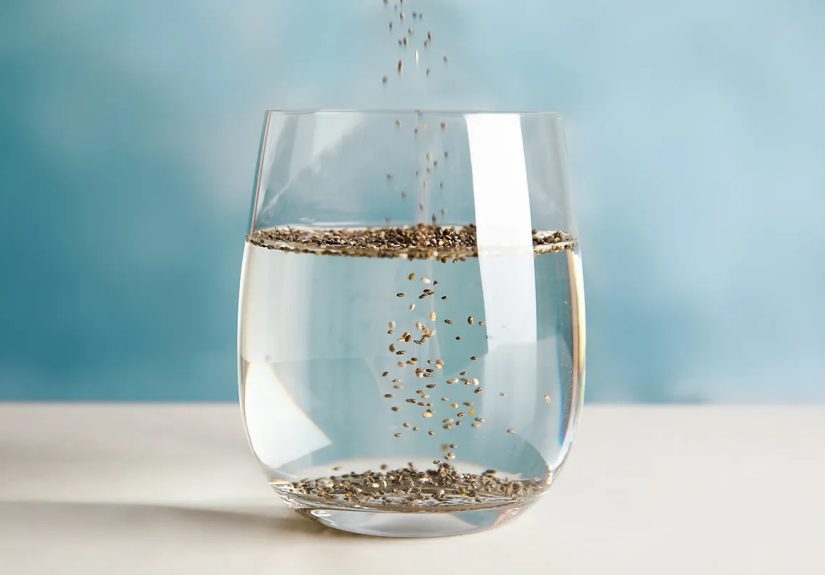
If you’ve ever watched chia seeds hit water, you know the vibe: tiny specks become a gel-like constellation that looks
suspiciously like “frog eggs” (affectionately!). TikTok calls it a weight-loss hack. Your friend calls it “life-changing.”
Your brain calls it “Is this… lunch?”
Here’s the real deal: chia seed water can be a helpful tool for weight managementbut it’s not
a magic potion that melts fat while you scroll. It works (when it works) because it can help you feel fuller, drink more
water, and replace higher-calorie drinks or snacks. The rest is still the unglamorous stuff: calories, consistency, and
habits you can live with.
In this guide, we’ll break down what chia water is, why people swear by it, what research actually shows, how to make it
taste good on purpose, and how to use it safely (because yes, there are a few “please don’t do that” moments).
What Exactly Is Chia Seed Water?
Chia seed water is simply chia seeds soaked in water until they form a gel around each seed. That gel comes
from soluble fiber (and a natural compound called mucilage) that absorbs liquid and thickens the drink.
Think of it as a “fiber-forward” beverage. It’s not a detox, it’s not a cleanse, and it won’t evict all your problems
overnight. But it can be a low-effort way to add fiber, hydration, and a bit of structure to your day.
What’s in chia seeds, nutritionally?
Chia seeds are small, but nutritionally loud: they contain fiber, some protein, and omega-3 fats (mostly ALA). A common
serving is around 1 ounce (roughly 2–3 tablespoons), which lands around ~140 calories and roughly ~10 grams of fiber,
depending on the source and measurement style.
Translation: chia seeds can be helpful, but they’re not “free.” If you’re aiming for fat loss, the portion you use
mattersbecause calories still count, even when they come wearing a wellness halo.
Why People Think It Helps With Weight Loss
Most of chia water’s alleged weight-loss powers can be explained without mysticism, moon phases, or celebrity endorsements.
Here are the main reasons it might help:
1) It can increase fullness (aka “satiety”) for some people
Soluble fiber absorbs water and forms a gel-like mass. In the stomach, that can slow digestion and help you feel full
longer. If you tend to snack because you’re genuinely hungry (not bored-hungry), this can be a real advantage.
2) It can make “portion control” feel less like punishment
Many people struggle with the “I ate lunch… and I’m already thinking about second lunch” problem. A fiber-rich add-on can
reduce the urgency to graze, which can make a calorie deficit easier to maintain.
3) It nudges hydration upward
If your baseline water intake is basically “coffee + vibes,” adding a daily chia drink may help you hydrate more
consistently. Better hydration won’t directly cause fat loss, but it can improve workout performance, digestion, and the
ability to tell thirst from hunger.
4) It can replace higher-calorie drinks and snacks
A big reason some people lose weight with chia water is simply substitution. If chia water replaces a sugary latte, a soda,
or a “just one cookie” that turns into six, the math starts to work in your favor.
5) It creates a tiny habit anchor
Weight loss is rarely about one magical food. It’s about patterns. A consistent “chia water moment” can act as a daily cue
to also pack a better lunch, walk after dinner, or stop treating chips like a side quest.
What the Science Says (And What It Doesn’t)
Chia’s “mechanism” makes sense… but outcomes are modest
From a physiology standpoint, the satiety story is plausible: soluble fiber can slow digestion and increase fullness, which
can reduce calorie intake. That’s the theory.
The reality in human studies is more “maybe a little” than “wow, my jeans just apologized.” Some trials show small
improvements in waist circumference or modest changes in weight within groups, while others find no meaningful difference
versus placebo.
What human studies suggest about weight loss
-
Some studies show no significant weight-loss effect when chia is added to the diet without other major
changes. -
Some studies show small changes (like slight reductions in weight or waist circumference), but not always
significant compared with a control group. -
Meta-analyses and reviews often conclude that chia may help certain cardiometabolic markers (like blood
pressure or waist circumference in some populations), but effects on body weight/BMI can be inconsistent or minimal.
So why do some people still lose weight with chia water?
Because behavior beats biology more often than we’d like to admit. If chia water helps you:
- eat fewer calories without feeling miserable,
- stay fuller between meals,
- reduce liquid calories,
- or build a consistent routine…
…then it can absolutely support weight loss. Not because it “burns fat,” but because it helps you run your day in a way
that makes a calorie deficit more doable.
Important note: chia has calories
A tablespoon here and there? Totally reasonable. But if your “chia water” becomes “chia slurry with honey, juice, and
a splash of denial,” you can accidentally add a few hundred calories a day and wonder why nothing changes. Portion size is
the quiet hero of this story.
How to Make Chia Seed Water (So You’ll Actually Drink It)
The internet will tell you to dump chia into water and “shake.” The internet also told people to eat detergent pods, so
let’s use a slightly safer method.
Basic chia seed water recipe
- Add chia: Start with 1 teaspoon to 1 tablespoon of chia seeds.
- Add water: Pour in 12–16 ounces of water.
- Stir like you mean it: Stir immediately, then again after 1–2 minutes to prevent clumps.
- Wait: Let it sit 10–15 minutes (or longer) until it thickens.
- Stir again: Because clumps are not a personality trait.
Make it taste better (without turning it into dessert)
- Lemon or lime juice: Bright, refreshing, helps with “I’m drinking seeds” psychology.
- Cold brew vibe: Add cucumber slices or mint for spa-water energy.
- Unsweetened flavor: A splash of unsweetened iced tea works surprisingly well.
- Light sweetness (optional): If you must, use a small amount of fruit (like muddled berries) instead of heavy sugar.
When to drink it
There’s no magic time, but here are the most practical options:
- 15–30 minutes before a meal: Useful if you tend to overeat at lunch or dinner.
- Mid-afternoon: Great for the “snack o’clock” danger zone.
- With breakfast: Helpful if mornings are chaotic and you need something that keeps you steady.
How to Use Chia Water for Realistic Weight Loss
Strategy 1: Use it as a “bridge” between meals
If you’re consistently ravenous between meals, chia water can act as a low-effort bridgeespecially when paired with a
protein-forward meal plan. You’re aiming for “pleasantly satisfied,” not “so full you can’t bend over.”
Strategy 2: Pair it with a protein + produce meal
Fiber helps fullness, but protein helps it even more. If your meals are mostly refined carbs, chia water may not be enough
to keep cravings calm. A better combo looks like: eggs + fruit, Greek yogurt + berries, chicken salad + veggies, tofu bowl
+ greens, etc.
Strategy 3: Start small (your gut will thank you)
Chia is fiber-dense. Going from “low fiber” to “chia every day” can cause bloating, gas, constipation, or diarrhea if you
ramp up too fast. Start with 1 teaspoon, hydrate well, then increase gradually.
Strategy 4: Make it a swap, not an add-on
Chia water works best when it replaces something higher-calorie or helps you avoid a snack you didn’t truly want. If you
simply add chia water on top of everything else, it may do nothingor even slow progress.
Strategy 5: Keep the “extras” honest
Adding lemon? Great. Adding a tablespoon of honey and a cup of juice? That’s not a health hack; that’s a beverage with a
marketing degree. If weight loss is the goal, keep add-ins light.
Side Effects, Risks, and Who Should Skip It
Chia seeds are generally safe for most people, but “generally safe” is not the same as “do whatever you want forever.”
Here’s what to watch for.
Digestive issues (the most common complaint)
Because chia is high in fiber, increasing intake too quickly can cause bloating, gas, constipation, or diarrhea. The fix is
simple: start small, increase slowly, and drink enough water.
Choking risk if you eat chia seeds dry
Chia seeds expand dramatically when exposed to liquid. Eating large amounts dry (or letting them clump) is not a good idea,
especially for kids or anyone with swallowing issues. Soak them properly before drinking.
Kidney stones and oxalates
If you’re prone to calcium oxalate kidney stones, be cautious. Some sources note chia can be high in oxalates, which may be
relevant for stone-formers. Talk with a clinician if this is your history.
Medication interactions
Chia’s fiber and potential effects on blood sugar/blood pressure may matter if you take medications for diabetes,
hypertension, or blood thinning. If you’re on these meds, check with your healthcare provider before making chia a daily
habitespecially at higher doses.
When you should be extra cautious
- History of swallowing problems (dysphagia) or choking episodes
- IBS flare-ups or sensitive digestion
- Chronic kidney disease or kidney stone history
- Taking blood thinners or blood sugar/blood pressure medications
- Known seed allergies (rare, but possible)
FAQ
Does chia seed water “detox” your body?
Your liver and kidneys are already doing that job. Chia water can support digestion and regularity because it adds fiber
and hydration, but it isn’t a detox drink in the medical sense.
Will chia water burn belly fat?
No food targets one body area. If chia water helps you maintain a calorie deficit, you may lose fat overall, and some of
it may come from your midsectioneventually. But it’s not a localized fat burner.
Is chia water better than eating chia in oatmeal or yogurt?
Not necessarily. Chia in a meal can be even more satisfying because you’re combining fiber with protein and volume. Chia
water is just a convenient formatespecially if you like drinks and need help staying full between meals.
How much chia seed water should I drink per day?
Many people do well with 1 teaspoon to 1 tablespoon of chia seeds in water daily, increasing slowly based on tolerance.
Some sources discuss higher intakes, but more isn’t always betterespecially for digestion.
Do I need to grind chia seeds?
Whole chia seeds still provide fiber and gel formation. Grinding can change texture and may affect how nutrients are
accessed, but for weight-loss purposes (satiety + routine), whole soaked seeds are perfectly fine.
Can I use warm or hot water?
Warm water can speed up gel formation. Hot water isn’t “wrong,” but many people find the texture less pleasant. If you’re
new, start cold and keep it simple.
Bottom Line: Does Chia Seed Water Work for Weight Loss?
Sometimesindirectly. Chia seed water can support weight loss when it helps you feel fuller, reduces
snacking, and replaces higher-calorie drinks or foods. The science doesn’t paint it as a dramatic fat-loss miracle on its
own, but the satiety + fiber + habit angle is real.
If you treat chia water as a tool in a larger strategybalanced meals, protein, movement, sleep, and a sustainable calorie
deficitit can be genuinely useful. If you treat it like a spell, it will behave like one: entertaining, but not
evidence-based.
Real-World Experiences (500+ Words): What People Usually Notice
Let’s talk about the part the internet loves most: the “I tried chia seed water and here’s what happened” stories.
Since everyone’s body and routine are different, the most helpful way to look at experiences is as patterns people
commonly reportwhat tends to show up in week one, what changes by week two, and what usually determines whether
chia water becomes a habit or gets banished to the back of the pantry.
Week 1: Texture shock, appetite curiosity, and a gut “meeting”
The first experience is usually the texture. Some people love the gel immediately. Others say it feels like drinking a
science experiment. If you’re in the second camp, the best move is to add lemon/lime and keep the seeds well dispersed
(stir twice). A lot of first-timers also find that using less chia makes it easier to commitstarting with
1 teaspoon instead of jumping to 2 tablespoons like you’re training for the Fiber Olympics.
Appetite-wise, many people report a subtle effect: they’re not suddenly disinterested in cookies, but they feel less
“urgently snacky” in the hour or two after drinking it. This tends to be most noticeable for people who were low on fiber
previously. If your diet was already high in fiber and protein, chia water might feel like… water with ambitions.
Meanwhile, the gut sometimes has opinions. A common experience is mild bloating or extra gas if chia is introduced too
quickly or with not enough fluids. People who do better usually ramp up slowly and drink water consistently throughout the
day. In other words, they treat fiber like a houseguest: introduce it politely, don’t overwhelm it, and make sure it has
enough water to behave.
Week 2: The “swap effect” becomes obvious
If chia water helps with weight loss, it’s often because it changes what happens around it. Many people naturally start
using it as a swap: replacing soda, replacing a sugary afternoon drink, or replacing “snack roulette” while
working. This is where experiences diverge:
-
People who lose weight often describe fewer unplanned snacks, smaller portions at meals, or fewer liquid
calorieswithout feeling like they’re white-knuckling hunger. -
People who don’t see results often describe adding chia water on top of their usual routine (and sometimes
adding sweeteners or juice), which keeps overall calories the sameor higher.
The “I’m full but still want snacks” scenario
Another common experience: chia water reduces physical hunger, but cravings still show up. That’s normal. Cravings are
often driven by stress, habit, sleep deprivation, or dopamine-seekingnot just an empty stomach. People who stick with chia
water successfully often pair it with a second tool, like a protein snack (Greek yogurt), a walk, or a planned treat in a
portion they actually enjoy.
Longer-term: It either becomes a habit… or it doesn’t
After a few weeks, chia water tends to fall into one of three “real life” categories:
-
The Daily Driver: People who like routine keep it as a simple pre-lunch or mid-afternoon habit. They use
modest portions, keep flavoring light, and feel more in control of appetite. -
The Occasional Tool: Some only use it on high-risk daystravel days, buffet situations, stressful work
weekswhen they want extra satiety support. -
The Pantry Artifact: People who hate the texture (or get GI issues from going too fast) stop using it.
And honestly? That’s fine. A helpful tool is only helpful if you’ll use it.
The most consistent “success experience” isn’t dramatic weight loss overnight. It’s the quieter win: less mindless eating,
steadier hunger, better hydration, and a routine that makes a calorie deficit feel less like a punishment and more like a
plan you can actually live with.