Table of Contents >> Show >> Hide
Cuban cuisine is a vibrant fusion of flavors, with the soulful taste of sofrito at the heart of many iconic dishes. This classic Cuban sofrito recipe is the aromatic base used in a variety of recipes, from rice and beans to stews and roasts. Understanding how to make sofrito is like learning the secret to many Cuban culinary masterpieces. Whether you’re cooking up a storm in your kitchen or exploring new flavors, mastering sofrito will open the door to authentic Cuban cooking.
What is Sofrito?
Sofrito is a flavor-packed base that’s found in many Latin American and Caribbean cuisines, but Cuban sofrito stands out due to its combination of garlic, onions, bell peppers, and tomatoes. It’s essentially a mix of aromatic ingredients that are sautéed in oil, creating a deep, rich flavor foundation that infuses dishes with a savory essence.
Key Ingredients for Classic Cuban Sofrito
To make a traditional Cuban sofrito, you’ll need the following ingredients:
- Onions: Yellow onions are most commonly used for their mild flavor.
- Green bell pepper: Adds sweetness and a slight bitterness, which balances the overall taste.
- Garlic: A key component for depth and richness in the sofrito.
- Tomatoes: Often added in the form of fresh tomatoes or tomato paste for a subtle acidity and sweetness.
- Cilantro: Fresh cilantro leaves bring a herbaceous quality that brightens the flavor.
- Olive oil: The oil helps to cook and meld the ingredients together, adding richness.
- Oregano and cumin: These spices enhance the earthy flavors of the sofrito, contributing to its signature taste.
- Salt and pepper: For seasoning and balancing the flavors.
How to Make Classic Cuban Sofrito
Making sofrito is simple, but it’s all about cooking the ingredients just right to extract maximum flavor. Here’s how to make your own classic Cuban sofrito:
Step-by-Step Instructions
- Prepare your vegetables: Begin by finely chopping the onion, bell pepper, and garlic. If you’re using fresh tomatoes, chop them into small pieces as well.
- Heat the oil: In a medium-sized skillet, heat about 2-3 tablespoons of olive oil over medium heat. Make sure the oil is hot enough to sauté the vegetables without burning them.
- Sauté the onions and bell peppers: Add the chopped onions and bell peppers to the skillet. Cook them for about 5-7 minutes, stirring occasionally until they soften and become fragrant.
- Add garlic and tomatoes: Once the onions and peppers are softened, add the garlic and cook for an additional 1-2 minutes. Then, stir in the tomatoes (or tomato paste), allowing the mixture to cook down for 5 more minutes. This step will help create a rich, tomato-based sauce.
- Season the sofrito: Add cilantro, cumin, oregano, salt, and pepper to the skillet. Continue to cook for another 3-4 minutes, allowing the herbs and spices to meld into the mixture.
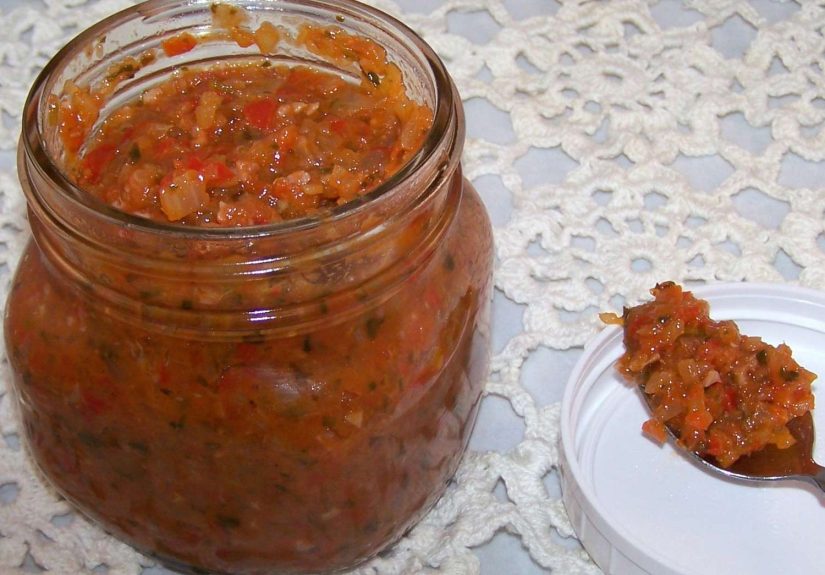
- Let it simmer: Lower the heat and let the sofrito simmer for a few minutes to allow all the flavors to come together. You’ll know it’s done when the vegetables are tender and the sofrito has a thick consistency.
Where to Use Sofrito
Sofrito can be used as a base for many Cuban dishes. It’s an essential component of recipes like Cuban black beans, arroz con pollo (chicken with rice), and Cuban stews. You can also use it as a marinade for meats or as an enhancer for soups and sauces.
Cuban Black Beans
Black beans are a staple of Cuban cuisine. Using sofrito as a base will infuse the beans with rich flavor, creating a hearty and satisfying dish. Simply add the sofrito to cooked beans, along with water or broth, and let it simmer until the flavors are well combined.
Arroz con Pollo
This classic Cuban dish, which translates to “rice with chicken,” uses sofrito as the starting point for a flavorful rice and chicken combo. Add the sofrito to the chicken as it browns, then stir in rice, peas, and spices. Let everything cook together for a dish that’s both comforting and full of flavor.
Marinades
Sofrito can also be used as a marinade for pork, chicken, or beef. The mixture of onions, garlic, and spices helps to tenderize the meat while imparting a deep, savory flavor that makes the dish irresistible.
Variations of Cuban Sofrito
While the classic Cuban sofrito recipe sticks to the ingredients mentioned above, some variations exist based on regional preferences or family traditions. For example, some Cuban chefs might add a bit of ham or bacon to their sofrito to add richness and depth. You might also find sofrito recipes that include a touch of vinegar for a little extra tang.
Why Cuban Sofrito is the Heart of Cuban Cooking
The magic of sofrito lies in its ability to bring together seemingly simple ingredients to create a complex and flavorful base. It’s the foundation for many dishes, and its versatility makes it an indispensable component of Cuban cuisine. By mastering sofrito, you unlock the key to many other recipes, turning everyday ingredients into something extraordinary.
Conclusion
Classic Cuban sofrito is more than just a recipe; it’s a key component of Cuban cooking that brings depth and richness to a wide variety of dishes. By using fresh ingredients like onions, bell peppers, garlic, and tomatoes, you can make this aromatic base to elevate your cooking. From Cuban black beans to arroz con pollo, sofrito will become your go-to tool for infusing your meals with flavor. Whether you’re a seasoned chef or a beginner, mastering the art of sofrito will undoubtedly add an exciting layer to your culinary repertoire.
Personal Experiences with Cuban Sofrito
As I began exploring Cuban cooking, the first thing that caught my attention was how much attention was paid to the sofrito. Growing up in a household where flavors were passed down through generations, I quickly realized that the secret to so many beloved Cuban dishes began with this humble yet flavorful base. I remember making my first batch of sofritothere was something so satisfying about the way the vegetables softened and melded together in the pan. It was as if I was unlocking a secret that generations of Cuban cooks had known before me.
As I began using sofrito in different dishes, I found that it truly elevated the flavors in ways I hadn’t expected. Adding a spoonful of sofrito to my beans made them taste richer and more savory. Even something as simple as roasted chicken became an exciting adventure in flavor when I marinated it in sofrito. The more I experimented, the more I understood why this flavor-packed base is at the heart of so many Cuban meals.
One of the most exciting things about making Cuban sofrito is the fact that it’s so versatile. I’ve adapted it for my vegetarian dishes by adding extra bell peppers and tomatoes, making it lighter while still keeping all the essential flavors. Whether you stick to the classic version or explore your own variations, sofrito will transform your cooking and bring an authentic taste of Cuba into your home.