Table of Contents >> Show >> Hide
- What Makes a Classic Potato Salad “Classic”?
- Ingredients for the Best Classic Potato Salad Recipe
- Step-by-Step: How to Make Classic Potato Salad
- Flavor Upgrades That Still Keep It “Classic”
- Common Mistakes and How to Avoid Them
- Make-Ahead, Storage, and Food-Safety Essentials
- How to Serve Classic Potato Salad
- Conclusion
- Kitchen Stories: of Real-Life Potato Salad Experiences
There are side dishes, and then there are cookout celebrities. Classic potato salad is absolutely in the second category. It shows up at backyard barbecues, birthday parties, church picnics, office potlucks, and any table where someone says, “Don’t forget the good stuff.” And by “good stuff,” they mean creamy potato salad with that perfect balance of tang, richness, and crunch.
This guide gives you a true classic potato salad recipe with clear technique, smart troubleshooting, and practical make-ahead advice. You’ll get the kind of recipe that works whether you’re feeding four people on a Wednesday or twenty on a holiday weekend. No gimmicks. No weird “secret” ingredients you have to order from a moonlit spice market. Just great potatoes, a creamy mustard-mayo dressing, and the right method so your salad turns out flavorful, not watery, mushy, or bland.
If your past potato salads were “fine” but not unforgettable, this is your upgrade. Let’s make the bowl that gets scraped clean first.
What Makes a Classic Potato Salad “Classic”?
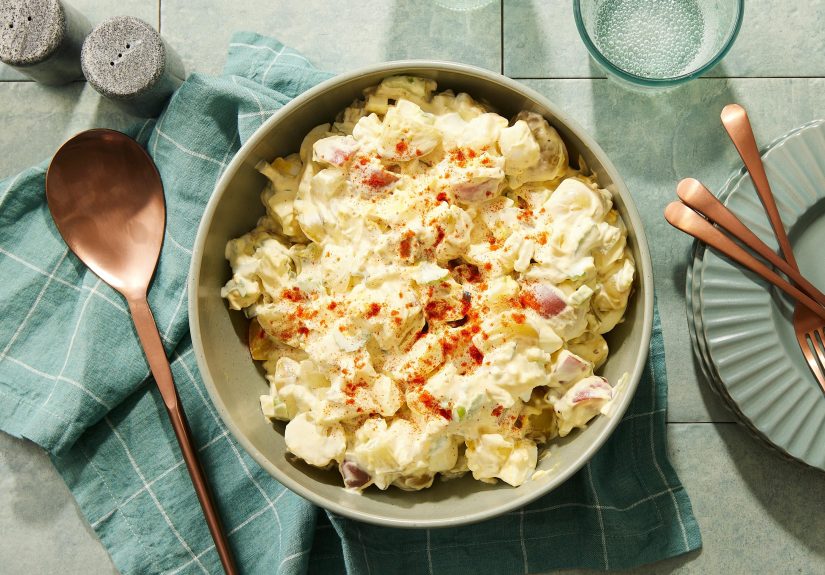
A true American classic potato salad usually includes these flavor anchors:
- Cooked potatoes with tender centers and intact edges
- A creamy dressing built from mayonnaise and mustard
- Acid from vinegar, lemon juice, relish, or pickles
- Crunch from celery and onion
- Hard-boiled eggs for body and old-school charm
- Paprika and black pepper for finishing depth
The texture contrast is what makes this side dish so lovable: soft potatoes, creamy coating, bright tang, and crisp little pops from vegetables. When done right, it tastes rich but not heavy, savory but lively.
Ingredients for the Best Classic Potato Salad Recipe
For the salad
- 3 pounds potatoes (Yukon Gold, red potatoes, or a mix)
- 4 large eggs
- 1 cup celery, finely chopped
- 1/2 cup onion, finely chopped (sweet or red onion works well)
- 1/3 to 1/2 cup pickle relish or finely chopped dill pickles
- 2 tablespoons chopped chives or scallions (optional, but excellent)
- Paprika for garnish
For the dressing
- 1 to 1 1/4 cups mayonnaise
- 1 to 1 1/2 tablespoons Dijon or yellow mustard
- 1 to 2 tablespoons apple cider vinegar (or lemon juice)
- 1 teaspoon sugar (optional, for balance)
- 1 1/4 teaspoons kosher salt, plus more to taste
- 1/2 teaspoon black pepper
Ingredient note: If you love a sharper profile, lean into vinegar and mustard. If you like a softer deli-style profile, use a touch more mayo and a little sugar. Classic potato salad is traditional, yesbut still flexible.
Step-by-Step: How to Make Classic Potato Salad
Step 1: Cook the eggs
Place eggs in a saucepan, cover with water, bring to a gentle boil, then remove from heat and cover for about 10–12 minutes. Transfer to ice water, peel, and chop once cool.
Step 2: Prep and boil the potatoes correctly
Cut potatoes into even, bite-size chunks. Place them in a pot and cover with cold water by about an inch. Salt the water generouslythis matters more than people think. Bring to a boil, then reduce to a simmer. Cook until fork-tender but not collapsing, usually 10–15 minutes depending on size.
Pro move: Drain thoroughly and spread potatoes briefly on a tray or in a wide bowl so excess steam escapes. Less surface moisture means better dressing cling and no watery puddle at the bottom of the bowl later.
Step 3: Build the dressing
In a large mixing bowl, whisk mayonnaise, mustard, vinegar (or lemon juice), sugar (if using), salt, and black pepper until smooth. Taste it now. Yes, now. It should taste a little punchier than you think, because potatoes mellow everything out.
Step 4: Dress at the right temperature
Add potatoes when they are warmnot piping hot, not fridge-cold. Warm potatoes absorb flavor better, but scalding-hot potatoes can break down too much and thin your dressing. Fold gently to coat.
Step 5: Add texture and final mix-ins
Fold in chopped eggs, celery, onion, relish, and optional chives/scallions. Mix with a light hand. Potato salad should look creamy and cohesive, not like mashed potatoes with identity confusion.
Step 6: Chill and finish
Cover and refrigerate for at least 1 hour (2–4 hours is even better for flavor). Before serving, taste and adjust salt, pepper, or acidity. Dust lightly with paprika for classic color.
Flavor Upgrades That Still Keep It “Classic”
- More tang: add a splash of pickle brine or a little extra vinegar.
- More herb freshness: stir in dill or parsley just before serving.
- Lighter texture: replace a small portion of mayo with plain Greek yogurt.
- Southern-style vibe: use sweet relish, a pinch of celery seed, and yellow mustard.
- Deli-style vibe: emphasize dill pickle and black pepper.
Notice the strategy: adjust edges, keep the core. That’s how you personalize a classic potato salad recipe without turning it into a completely different dish.
Common Mistakes and How to Avoid Them
1) Undersalting potatoes
If the potato itself is bland, no amount of dressing can fully save it. Salt the cooking water, then season again at the end.
2) Overcooking potatoes
Once chunks start breaking apart in the pot, your salad texture is already heading toward gluey. Start checking early and drain promptly.
3) Dressing potatoes while they are soaking wet
Wet potatoes dilute flavor. Let steam escape after draining so the dressing stays creamy and concentrated.
4) Not balancing richness with acid
Mayo without acid can taste heavy. A good potato salad needs brightness from vinegar, mustard, lemon, or pickles.
5) Serving at unsafe temperatures
Potato salad is perishable. Keep it cold, especially outdoors. Put the serving bowl over ice for long parties.
Make-Ahead, Storage, and Food-Safety Essentials
Classic potato salad is one of the best make-ahead sides. In fact, it often tastes better after chilling because flavors have time to blend.
- Best make-ahead window: make it 4–24 hours in advance.
- Refrigeration: store in an airtight container.
- Serving outdoors: keep cold and return to the fridge promptly.
- Leftovers: use within a few days for best quality and safety.
If your gathering is in hot weather, split the salad into two bowls. Keep one chilled while the other is out, then rotate. It looks organized and protects your guests. Also makes you look mysteriously professional.
How to Serve Classic Potato Salad
This dish pairs with almost anything off a grill or from a picnic basket:
- Burgers, hot dogs, grilled chicken, ribs
- BBQ brisket or pulled pork
- Fried chicken and sandwiches
- Corn on the cob, baked beans, slaw, watermelon
Want a full menu? Build a “red-white-and-BBQ” spread: smoked meat, classic potato salad, crunchy slaw, and fruit for contrast. It’s timeless for a reason.
Conclusion
A great classic potato salad recipe isn’t complicatedit’s disciplined. Choose the right potatoes, season them properly, build a balanced mayo-mustard dressing, and keep texture in mind at every step. Once you nail those fundamentals, you can tweak flavors to match your family style while preserving the classic character everyone expects.
Whether you’re making it for a backyard cookout, a holiday table, or a random Tuesday because carbs are a love language, this version is dependable, creamy, tangy, and crowd-ready. If your bowl comes home empty, congratulations: you did it right.
Kitchen Stories: of Real-Life Potato Salad Experiences
Ask ten people about potato salad and you’ll hear twelve opinions, at least three family feuds, and one dramatic declaration like, “If there are no eggs in it, it’s not real.” That’s the beauty of classic potato salad: it’s a recipe and a memory container at the same time.
One home cook shared that her first batch for a summer block party was technically “edible,” but very quiet on flavor. She used enough mayo, but forgot to salt the potato water. Her fix the next weekend was simple: salted water, a touch more mustard, and a tablespoon of apple cider vinegar. Same ingredients, completely different result. Her neighbors asked for the recipe. She wrote it on a napkin that still lives in her recipe drawer.
Another cook learned the hard way that potato size matters. He chopped some pieces tiny, others chunky, and ended up with a bowl that was partly creamy and partly awkwardly crunchy. Now he lines potatoes on a board and cuts everything roughly the same size. It sounds minor, but even cooking solved half his texture problems instantly.
A third story came from a family reunion where the host set out a massive bowl in direct sun and left it there “for convenience.” Two hours later, everyone got nervous, and the bowl was retired early. Since then, that family uses the two-bowl method: one cold bowl out, one backup bowl in the fridge. When the first bowl is halfway gone, they swap. Same recipe, smarter handling, zero stress.
There are also flavor identity stories. One grandmother insists on sweet relish and yellow mustard because that’s how her mother made it. Her daughter prefers dill pickles and Dijon for a sharper profile. Their compromise? Two half-batches. They share prep, argue cheerfully, and everyone wins. If you’ve ever watched relatives debate potato salad with courtroom intensity, you already know this is very normal behavior.
Many cooks mention that potato salad improves after resting. One potluck regular now makes it the night before every event, then tastes and adjusts the next day with a pinch of salt and a squeeze of lemon. That tiny final adjustment is often the difference between “good” and “Can I take some home?”
Perhaps the most relatable experience is the “panic dilution moment.” You stir, and suddenly it looks thinner than expected. Usually the potatoes were still wet or too hot. The rescue technique is practical: chill briefly, then fold in a spoonful of mayo and a teaspoon of mustard at a time until texture returns. No drama, no waste, just a calm comeback.
In nearly every story, the same lesson appears: classic potato salad rewards attention to basics. Salt the water. Don’t overcook. Balance rich and tangy. Chill before serving. Then make it yours. The dish may be old-school, but the joy is current every single time someone says, “Okay, who made the potato salad?” and reaches for seconds.