Table of Contents >> Show >> Hide
- What Are Collagen Peptides (and Why Are They Different From “Collagen”)?
- What’s Inside Collagen Peptides: The Amino Acid Story
- Why People Take Collagen Peptides
- What the Science Actually Says (No Sparkles, Just Facts)
- How to Choose a Collagen Peptides Supplement Like a Responsible Adult
- How to Take Collagen Peptides (Without Turning Your Life Into a Supplement Ritual)
- Safety, Side Effects, and Who Should Ask a Clinician First
- Food-First Collagen Support: The Unsexy Stuff That Works
- FAQs About Collagen Peptides
- Real-World Experiences With Collagen Peptides (The Extra )
- Conclusion: Should You Take Collagen Peptides?
Collagen peptides are basically the “protein confetti” version of collagen: smaller, easier-to-mix pieces that people
stir into coffee, smoothies, oatmeal, andif we’re being honestsometimes just a sad shaker bottle of water at their
desk. The hype? Smoother-looking skin, happier joints, stronger nails, better recovery. The reality? More nuanced,
more modest, and a lot more interesting than the marketing makes it sound.
This guide breaks down what collagen peptides are, what the research actually supports, how to choose a quality
product, how to use it, and what to expect (including the very real possibility that you’ll feel nothing at all,
which is, scientifically speaking, still a data point).
What Are Collagen Peptides (and Why Are They Different From “Collagen”)?
Collagen is the most abundant protein in your body and a key structural building block for skin, tendons, ligaments,
cartilage, bones, and connective tissue. Think of it as the scaffolding that helps hold everything together.
Collagen’s structure is famously sturdymade of amino acids arranged into a “triple helix” shape.
Here’s the catch: when you eat collagen, your digestive system doesn’t magically ship an intact triple helix straight
to your cheekbones. Proteins get broken down into smaller pieces before absorption. That’s where collagen peptides
come in.
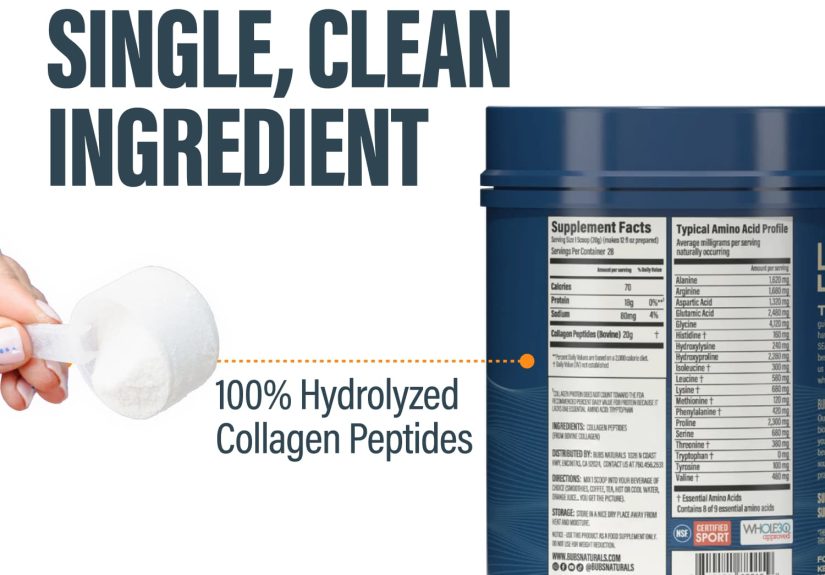
Hydrolyzed collagen = collagen peptides
Most collagen peptide supplements are made by taking animal-based collagen (often from bovine hide, fish skin/scales,
chicken, or porcine sources) and hydrolyzing itbreaking it into smaller peptide chains. Smaller peptides
generally dissolve better and are easier for your gut to absorb than a big, intact protein.
Collagen types matter (sometimes)
You’ll often see references to Type I, II, and III collagen:
- Type I: common in skin, tendons, bones
- Type II: associated with cartilage
- Type III: found alongside Type I in skin and blood vessels
Many “beauty” collagen powders emphasize Types I and III, while joint-focused formulas sometimes highlight Type II
(often from chicken cartilage). In real life, many products blend types or don’t clearly specifyso you’ll rely on
brand transparency and third-party testing (more on that soon).
What’s Inside Collagen Peptides: The Amino Acid Story
Collagen’s amino acids are part of its reputation. Collagen is rich in glycine, proline, and hydroxyproline.
These are the “greatest hits” that show up repeatedly in collagen’s structure. Your body uses amino acids as raw
material, but it also needs co-factors to build collagen correctlyespecially vitamin C, plus minerals like zinc and copper.
That’s why a collagen supplement can make sense as a convenient protein source, but it doesn’t replace the basics:
adequate dietary protein, fruits/vegetables (vitamin C), and overall nutrition.
Why People Take Collagen Peptides
Most people buy collagen peptides for one of these goals (or all of them, because ambition is free):
1) Skin: hydration, elasticity, and fine lines
Several clinical trials and reviews suggest collagen peptide supplementation can modestly improve skin hydration and
elasticity and may reduce the appearance of wrinkles for some peopletypically after consistent daily use for weeks.
However, experts also emphasize that the evidence varies in quality, and the effects are not the same as “anti-aging
in a tub.” If you’re expecting a time machine, you’re going to be disappointed (and also possibly dehydrated, which
does not help).
2) Joints: comfort during activity and osteoarthritis symptoms
Joint health is another common reason. Some research suggests collagen peptides may help with joint pain or function,
particularly in osteoarthritis or in people who experience activity-related joint discomfort. Results vary by study,
dose, and the specific collagen ingredient used.
3) Bones and connective tissue support
Collagen plays a role in bone structure, and some early research suggests collagen supplementation could support bone
health markers. But it’s not a replacement for calcium/vitamin D adequacy, resistance training, and medical treatment
when needed.
4) Muscle and recovery (especially when paired with training)
Collagen peptides are still protein, and protein plus resistance training is a classic combo. Some studies suggest
collagen may support body composition or training adaptations when used with strength trainingthough it’s not
“better than protein,” and collagen is relatively low in certain essential amino acids compared with complete
proteins like whey. In practice, people often use collagen peptides in addition to a balanced protein intake.
What the Science Actually Says (No Sparkles, Just Facts)
The fairest summary is: collagen peptides may help some outcomes modestly, in some people, with consistent use.
And: the evidence is still developing.
-
Skin outcomes: Multiple randomized controlled trials and reviews report improvements in skin hydration,
elasticity, and wrinkle measures after several weeks of daily collagen peptides. -
Joint outcomes: Some trials show improvements in pain/function measures, especially in osteoarthritis or
activity-related joint discomfort, but results vary. -
Study limitations: Many studies are small, use different formulations and doses, run for different durations,
and some are industry-fundedso you’ll see mixed conclusions depending on the source.
Also important: reputable medical sources frequently note that collagen supplements are not guaranteed to deliver
dramatic results, and lifestyle factors (sun exposure, smoking, overall diet, sleep) can matter more than any powder.
How to Choose a Collagen Peptides Supplement Like a Responsible Adult
The supplement aisle can feel like a carnival game designed by someone who majored in “Vibes.” Here’s how to pick
something sensible.
1) Look for “hydrolyzed collagen” or “collagen peptides”
These terms usually indicate the collagen is broken into smaller peptides for easier mixing and digestion.
2) Check the serving size in grams
Many studies use doses in the range of a few grams up to around 15 grams daily. If a product gives you 1 gram per
serving and suggests you take one gummy, you’re basically paying premium prices for an inspirational quote.
3) Consider the source (and your allergies)
- Bovine: common, often Types I/III
- Marine: fish-derived, often Type I-heavy; avoid if you have fish allergies
- Chicken: sometimes used for Type II cartilage formulas
- Porcine: also used in some products
4) Don’t be dazzled by “collagen + 47 bonus ingredients”
Some products add vitamin C, hyaluronic acid, zinc, biotin, probiotics, herbsbasically a whole wellness group chat.
Add-ons aren’t automatically bad, but they can:
- raise the risk of stomach upset
- create unnecessary overlaps with other supplements
- make it harder to tell what’s actually helping (if anything)
5) Quality matters: look for credible third-party testing
In the U.S., dietary supplements are regulated differently than medications. The FDA does not “pre-approve” supplements
for effectiveness before they’re marketed, which is why independent quality verification can be valuable.
Look for reputable third-party programs that test for identity, purity, and contaminants, such as:
USP Verified or NSF certification (including NSF Certified for Sport for athletes concerned about banned substances).
These marks don’t guarantee the supplement will work, but they can increase confidence that what’s on the label is
actually in the container.
How to Take Collagen Peptides (Without Turning Your Life Into a Supplement Ritual)
How much should you take?
Research and expert guidance commonly reference a daily range of about 2.5 to 15 grams of hydrolyzed collagen peptides,
depending on goals and the specific product. Many people start around 10 grams daily and give it time.
If you’re sensitive, start lower (like 5 grams) and work up.
When should you take it?
There’s no universally “magic” time. The best time is the time you’ll actually remember. Consistency matters more than
clock precision.
Easy ways to use it (real-life examples)
- Coffee or tea: Stir in unflavored collagen peptides (many dissolve best in warm liquid).
- Smoothies: Blend with berries/citrus (vitamin C bonus) and yogurt or milk.
- Oatmeal: Mix into oats with cinnamon and a scoop of peanut butter.
- Soup: Stir into broth-based soupscollagen is already “on brand” there.
Pair it with vitamin C (food is fine)
Vitamin C plays a role in collagen formation. You don’t necessarily need a combo supplement; pairing collagen peptides
with vitamin C-rich foods (citrus, strawberries, bell peppers, broccoli) is an easy, budget-friendly strategy.
How long until you notice anything?
Many studies assessing skin outcomes run for 8–12 weeks. Joint studies can run longer. A practical approach:
commit to daily use for about two to three months before you decide if it’s “worth it” for you.
Safety, Side Effects, and Who Should Ask a Clinician First
Collagen peptides are generally considered low-risk for most healthy adults at typical doses. Still, “generally safe”
isn’t the same as “universally perfect.”
Possible side effects
- GI discomfort: bloating, heartburn, or an unsettled stomach (often dose-related)
- Aftertaste/smell: especially with marine collagen (the “ocean whisper” effect)
- Allergic reactions: if you’re sensitive to the animal source (fish, bovine, etc.)
Check with a clinician if you:
- are pregnant or breastfeeding
- have significant kidney or liver disease
- have food allergies (especially fish/shellfish for marine collagen)
- take multiple supplements/medications and want to avoid interactions or excessive add-ons
Also: topical collagen in creams is widely marketed, but the skin’s barrier makes it hard for large collagen molecules
to penetrate deeply. If your goal is “skin structure,” oral approaches have been studied more than topical collagen
itselfthough sun protection and not smoking remain the biggest heavy hitters.
Food-First Collagen Support: The Unsexy Stuff That Works
If you want to support collagen naturally, the basics are undefeated:
- Protein adequacy: collagen is protein; you need amino acids from your diet.
- Vitamin C: essential for collagen formation (fruits/vegetables are clutch).
- Minerals: zinc and copper play supporting roles.
- Sun protection: UV exposure contributes to collagen breakdown over time.
- Avoid smoking: smoking is strongly associated with skin aging and collagen damage.
- Strength training: supports muscle and connective tissue function overall.
Collagen peptides can be an add-on, not a substitute for these fundamentals. If your lifestyle is a tire fire, collagen
powder is not the fire extinguisher. It’s more like… a nice, soothing cup of water near the fire.
FAQs About Collagen Peptides
Are collagen peptides vegan?
Collagen itself is animal-derived. Products marketed as “vegan collagen” are typically collagen boosters (nutrients
that support collagen production) rather than collagen peptides.
Powder vs capsules vs gummies vs liquiddoes form matter?
The best form is the one you’ll consistently use. Powders often deliver higher gram doses per serving and can be
more cost-effective. Gummies may taste great but sometimes provide lower collagen amounts and added sugars.
Can I take collagen peptides with protein powder?
Usually yes, but remember collagen is not a complete protein like whey or soy. Many people use collagen alongside
complete proteins rather than as their primary protein source.
Real-World Experiences With Collagen Peptides (The Extra )
Since collagen peptides are easy to use and widely marketed, a lot of “evidence” you’ll hear about is informal:
comments from friends, product reviews, gym chatter, and “my cousin’s coworker’s hair grew three inches overnight.”
So let’s talk about what people commonly reportwithout pretending anecdote is the same thing as a clinical trial.
The “I’m tracking my nails like a scientist” crowd
One of the most common experiences is noticing nail changes firstusually because nails are visible, measurable, and
emotionally satisfying. People often describe nails feeling less brittle or growing a bit faster. The practical
tip here: take a quick photo of your nails every two weeks and note breakage. Otherwise, your memory will be wildly
influenced by whether you’ve had a good day or got cut off in traffic.
The “skin glow” expectation vs. the “skin hydration” reality
People who feel benefits for skin usually describe subtler changes than ads promise: skin feeling less dry, makeup
sitting better, or a slight improvement in “plumpness.” Many say they notice it after several weeks of consistent use.
Others report no difference at all. A useful approach is to treat collagen as one part of a routine:
stay hydrated, wear sunscreen daily, prioritize sleep, and consider whether dryness is really about humidity,
harsh cleansers, or not enough moisturizer.
The joint comfort experiment (especially for active adults)
Some active adults report that knees or shoulders feel a little more comfortable during workouts, or that they recover
a bit better after long walks or runs. Others notice nothing. A smart way to test this is to rate joint discomfort on
a 0–10 scale once or twice a week and keep your training consistent. If you change your workout program, your shoes,
your sleep, and your collagen at the same time, you won’t know what did whatexcept that your calendar looks very
ambitious.
The “my stomach said absolutely not” moment
A surprisingly common experience is mild digestive discomfort when startingespecially at higher doses or with
flavored products that include sweeteners or extra ingredients. Many people do better by starting at 5 grams daily,
taking it with food, and choosing a simpler ingredient list. If you’re using marine collagen and notice an aftertaste,
mixing it into a smoothie or soup often helps.
The label detective phase
After a few weeks, many people move from “whatever is on sale” to “wait, what exactly is in this?” That’s a good sign.
People often report switching to products that are third-party tested, clearly list serving size in grams, and avoid
unnecessary add-ons. This is also where allergies show up: anyone with fish allergies learns quickly that marine collagen
is not a cute personality quirkit’s a no.
The most honest experience: nothing dramatic happens
Plenty of people take collagen peptides for 8–12 weeks and don’t notice meaningful changes. This doesn’t mean the
supplement is “fake,” but it may mean the effect is too modest for your body, your goal, or your expectations. In that
case, it’s reasonable to stop and redirect your budget toward proven basics: protein-rich foods, resistance training,
and a dermatologist or physical therapist if you’re dealing with specific skin or joint concerns.
Conclusion: Should You Take Collagen Peptides?
Collagen peptides are a convenient, generally low-risk supplement that may offer modest benefits for skin hydration/
elasticity and joint comfort for some peopleespecially with consistent use over weeks. They are not a miracle cure,
not a substitute for sunscreen, strength training, or good nutrition, and not automatically “better” than simply
meeting your daily protein needs.
If you try collagen peptides, choose a quality product with a meaningful dose, consider third-party testing, give it
8–12 weeks, and track outcomes you actually care about. Best case, you notice small improvements. Worst case, you’ve
added an easy protein boost to your day. Either way, you’ll have learned something real about how your body responds
which is more useful than any influencer discount code.