Table of Contents >> Show >> Hide
- Why Concrete Letters Work So Well in Home Decor
- Safety First (Because Cement Doesn’t Care About Your Weekend Plans)
- Supplies You’ll Need
- Choosing the Right Concrete Mix (Tiny Molds = Different Rules)
- Concrete Letters Tutorial: Step-by-Step
- Step 1: Prep Your Mold Like You Mean It
- Step 2: Measure Water Carefully (Concrete Is Dramatic About This)
- Step 3: Mix Until Uniform (No Dry Pockets Allowed)
- Step 4: Fill the Mold in Layers (A Bubble-Busting Strategy)
- Step 5: Optional Add-Ons (Before It Cures)
- Step 6: Cure and Wait (The Hardest Craft Supply Is Patience)
- Step 7: Demold Gently
- Step 8: Sand and Refine the Look
- Finishing Options: From Raw Minimalist to “I Have a Fancy Studio”
- How to Display Concrete Letters (Without Cracking Your Shelf… or Your Toe)
- Troubleshooting: Fixes for the Most Common “Oops” Moments
- Concrete Letters: Time, Cost, and What to Expect
- FAQ
- Conclusion: Make It Simple, Make It Solid, Make It Yours
- Guest Experiences: What Makers Commonly Learn (and Laugh About) Along the Way
If your home decor vibe is “cozy… but also could survive a small earthquake,” concrete letters are your people.
They’re the perfect mix of modern, minimalist, and “Wow, you made that?”with a side of satisfying, squishy mold-filling fun.
This guest-style tutorial walks you through making concrete letters that look boutique-y (without boutique pricing),
plus how to get crisp edges, fewer air bubbles, and a finish that won’t shed chalky dust all over your shelves.
Why Concrete Letters Work So Well in Home Decor
Concrete is naturally neutral, which is decorator-speak for “it goes with everything and never argues with your throw pillows.”
Small concrete pieces also feel substantial in the handlike a paperweight with a personality. Use them to spell a name,
a word (HELLO, HOME, YES), initials, or even a single oversized letter as a focal point on a mantel or bookshelf.
The best part: this project is flexible. You can keep it raw and matte for an industrial look, sand it silky-smooth for a
“designer showroom” feel, or paint and gild it until it looks like it belongs in a fancy boutique that sells $18 candles.
Safety First (Because Cement Doesn’t Care About Your Weekend Plans)
Cement-based mixes can irritate skin and eyes, and the dust is not something you want to inhale for fun.
Wear waterproof gloves, eye protection, and a dust mask when handling dry mix. Work in a well-ventilated area,
and keep kids and pets away from the mixing station (wet concrete and curious fingers are not a cute combo).
Also: don’t wash leftover slurry down a sink drain. Let the residue harden in a disposable container and toss it,
then rinse tools outside in a bucket if needed. Concrete is great in your decorless great in your plumbing.
Supplies You’ll Need
Option A: The Easiest (Silicone Letter Molds)
- Silicone letter molds (individual letters or a full alphabet set)
- Craft concrete mix or a fine-aggregate concrete mix (more on choosing below)
- Water (clean, cool)
- Mixing cup/bucket + stir stick or small trowel
- Gloves, dust mask, eye protection
- Cooking spray or mold release (optional, but helpful)
- Sandpaper (120–220 grit) or sanding block
- Sealer (optional but recommended)
Option B: The Budget DIY Mold (Cardboard or Paper Mâché Letters)
- Cardboard/paper letters (the kind you can buy at craft stores)
- Packing tape or clear tape (to seal surfaces)
- Hot glue (to close gaps) or extra tape
- Everything else from Option A
Choosing the Right Concrete Mix (Tiny Molds = Different Rules)
For letter molds, you’ll usually get the best results with a fine-aggregate mix. Regular “big gravel” concrete mix is
designed for slabs and posts, not delicate corners of an “A” or the skinny leg of an “R.” The chunkier the aggregate,
the harder it is to pack into small details, and the more likely you’ll see voids or crumbly edges.
Look for words like “sand mix,” “topping mix,” “countertop mix,” “mortar mix,” or “craft concrete.”
If your mix seems a little coarse, you can sometimes improve detail by stirring thoroughly and packing carefully
or by choosing a finer mix next time. (And yes, “next time” is real. Concrete crafts have a way of multiplying.)
Concrete Letters Tutorial: Step-by-Step
Step 1: Prep Your Mold Like You Mean It
Set your molds on a flat tray or baking sheet you can move without wobbling. Silicone molds are flexible (great for demolding),
but they can also sag if they’re not supported. A tray keeps everything level so your letters don’t cure with a slant like
they’re trying to lean into a conversation.
If your silicone molds are brand-new, a quick light spray of cooking spray (then wiped to a thin film) can help release.
For cardboard letters, seal every surface that might touch wet mix using tapeespecially edges and seamsso the cardboard
doesn’t drink the water out of your concrete and leave you with a crumbly mess.
Step 2: Measure Water Carefully (Concrete Is Dramatic About This)
Concrete’s strength and finish depend heavily on water. Too little water makes it hard to pack into details.
Too much water makes a weaker, more porous letter and increases the chance of surface dusting.
Aim for a thick, scoopable consistencythink “oatmeal that lifts on a spoon,” not “pancake batter.”
A smart approach: start with less water than you think you need, mix thoroughly, then add tiny splashes until it becomes workable.
You can always add more water, but it’s frustrating to fix an over-watered batch once it’s soup.
Step 3: Mix Until Uniform (No Dry Pockets Allowed)
Put on gloves and your dust mask. Add dry mix to your container, then add water gradually. Stir slowly at first to avoid kicking up dust.
Scrape the sides and bottom as you mix. You’re looking for a consistent color and texture with no dry clumps hiding like surprise rocks.
If you’re coloring your concrete, add pigment according to product directionsoften it’s easier to blend color into the mixing water first,
then combine with the dry mix. Keep notes so you can repeat the color in later batches without playing “guess that shade of gray.”
Step 4: Fill the Mold in Layers (A Bubble-Busting Strategy)
Spoon or pour the mix into your mold in two or three small layers instead of one big dump. After each layer:
- Tap the tray firmly on the table to vibrate air bubbles upward.
- Use a popsicle stick to push mix into corners and thin strokes.
- Run a toothpick along tight spots (like the inner angles of “M” and “W”).
When the mold is full, level the back with a straight edge (a craft stick works) so the letter sits flat when displayed.
Don’t obsess over perfectionyou can sand minor ridges later.
Step 5: Optional Add-Ons (Before It Cures)
Want to hang letters on a wall? You have two popular options:
- Embed hardware: Press a small D-ring or a short piece of wire into the back while the mix is still wet.
- Glue later: Attach a hanger with strong adhesive after curing and sealing.
If you embed anything, make sure it’s fully surrounded by mix (not just sitting on the surface) so it doesn’t pop out later.
Step 6: Cure and Wait (The Hardest Craft Supply Is Patience)
Let the letters cure undisturbed. Many small concrete pieces can be demolded after about 24–48 hours, but curing continues longer than that.
Silicone molds can slow drying because they trap moisture, so don’t be surprised if a letter feels cool or slightly damp at the 24-hour mark.
If you want stronger letters with fewer chips, give them more time. A good rule: demold when the letter feels firm and no longer easily scratches
with a fingernail. Then let it continue curing in open air for several more days before heavy sanding, painting, or sealing.
Step 7: Demold Gently
For silicone molds, peel the mold away from the letter rather than yanking the letter out. Go slowly, especially on skinny parts.
For cardboard molds, you’ll typically tear the mold away (which is finecardboard molds are often “one and done”).
Step 8: Sand and Refine the Look
Once demolded, let letters dry a bit more, then sand sharp edges and any bumps. Start with 120 grit and move to 220 for a smoother finish.
If your letter has pinholes, you can either embrace the raw concrete vibe (it’s trendy!) or fill them with a thin cement slurry,
let it dry, then sand again.
Finishing Options: From Raw Minimalist to “I Have a Fancy Studio”
Option 1: Leave It Raw (But Seal It Lightly)
Raw concrete looks modern and matte, but unsealed concrete can shed dust and absorb stains. A clear, low-odor, water-based acrylic sealer is a common
choice for indoor decor, especially if you want something easy to apply and clean up. Use thin coats and let each coat dry fully.
Option 2: Paint It (Acrylics + Patience)
Acrylic craft paint works well for small decor. If you want crisp color, apply a primer first (especially on porous concrete),
then paint in thin coats. Metallic paints and “rub-on wax” finishes look amazing on raised letters and edges.
After painting, seal again with a compatible clear coat so the finish doesn’t scuff when you move the letters around.
Option 3: Add a Luxe Touch
- Gold leaf vibe: Metallic wax or foil on edges for a glam-industrial mix.
- Two-tone: Tape off half the letter and paint a color block.
- Terrazzo look: Sprinkle small colored chips into the mold (fine pieces work best), then seal.
How to Display Concrete Letters (Without Cracking Your Shelf… or Your Toe)
- Bookshelf styling: Lean letters against stacked books or framed photos.
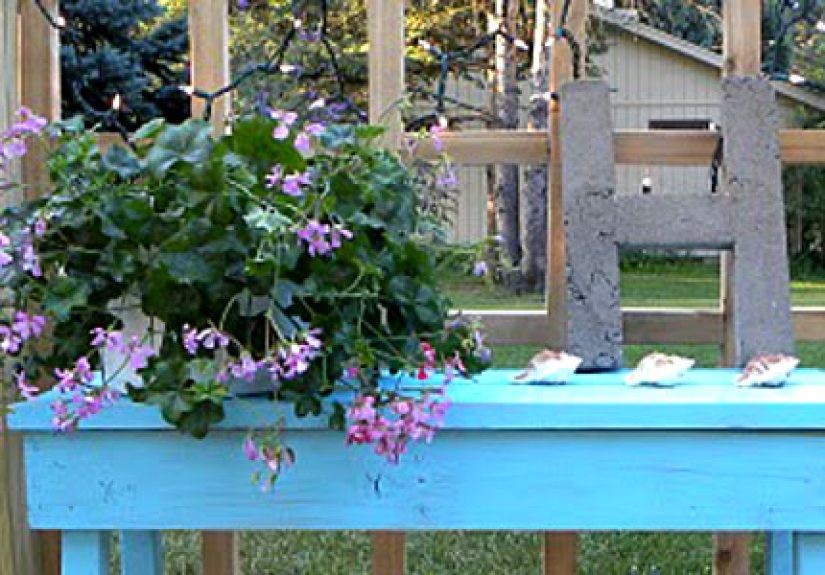
- Entryway moment: Spell “HI” or “HOME” on a console table with a plant beside it.
- Nursery name: Use smaller letters for a subtle, modern name display.
- Party/wedding: Initials as table decor or place markers (bonus: they won’t blow away).
- Desk duty: A single letter makes a great paperweight that feels oddly important.
Add felt pads underneath to protect furniture and keep the letters from sliding. It’s a tiny detail that makes the whole thing feel finished.
Troubleshooting: Fixes for the Most Common “Oops” Moments
My letter has lots of bubbles/pinholes.
Tap the mold more (seriously, it helps), fill in layers, and push mix into corners with a stick. A slightly creamier mix can reduce trapped air,
but don’t overdo water. If pinholes happen anyway, call them “character” or fill with slurry and sand.
Edges are crumbly.
Often caused by a mix that’s too dry or a mold that absorbed moisture (cardboard without tape sealing is a repeat offender).
Next time, seal cardboard molds thoroughly and pack mix firmly into details.
My letter is weak or chalky.
Too much water can weaken concrete. Also, concrete needs time to cure. Let it cure longer before heavy handling and seal it to reduce dusting.
It won’t come out of the mold.
Don’t force it. Flex silicone slowly, peel it back, and work around the letter. If you didn’t use release, it may still come out
just more slowly (and with more dramatic sighing).
Concrete Letters: Time, Cost, and What to Expect
This is a low-cost project with a high “looks expensive” payoff. Silicone molds are usually the biggest investment, but they’re reusable.
Most letter projects can be made in an afternoon, but curing time is the real timeline: you’ll mix and pour quickly, then wait a day or two to demold,
and ideally several more days before sealing or gifting.
FAQ
Can I use straight cement instead of concrete mix?
You can, but it’s trickier. Many premixed products include aggregates that help strength and reduce shrinkage.
For small decor, a fine-aggregate mix is usually more beginner-friendly than experimenting with pure cement.
Do I really need to seal concrete letters?
If they’re purely decorative and you like the raw look, sealing is still a good idea to reduce dusting and staining.
If the letters will be handled often (kids’ rooms, desk decor, bookends), sealing helps a lot.
When is it safe to paint?
Wait until the letter feels dry and no longer cool to the touch. If you paint too early, trapped moisture can affect adhesion and finish.
When in doubt, wait another daydecor is patient; peeling paint is not.
Conclusion: Make It Simple, Make It Solid, Make It Yours
Concrete letters are the kind of DIY that looks modern and intentionaleven if you made them in yesterday’s T-shirt and an apron you found in a drawer.
Keep the mix thick and workable, pack it into details, tap out bubbles, and give it time to cure.
From minimalist gray to painted glam, you’ll end up with decor that feels custom, sturdy, and honestly kind of proud of itself.
Guest Experiences: What Makers Commonly Learn (and Laugh About) Along the Way
Since this is the kind of project people love to share as a “guest” tutorial, here are some real-world experiences and patterns makers commonly report
the little lessons that don’t show up on the front of a concrete bag, but absolutely show up in your first batch.
First: almost everyone underestimates how much tapping matters. You fill your mold, smooth the back, and think, “Looks perfect.”
Then you demold and discover the surface resembles a tiny lunar landscape. The usual reaction is a dramatic pause, followed by, “Ohhhthose were bubbles.”
The second batch gets tapped like it owes you money: tap the tray, tap the table, tap the mold sides, then tap again for good luck.
People often say the biggest quality upgrade came from filling in layers and taking an extra minute to push mix into corners with a stick.
Second: the water situation becomes a personality test. Many beginners add water until it “feels easier,” and the mix turns runny.
It pours beautifully… and cures with softer edges, more dusting, and sometimes hairline cracks. After that, most makers switch to the
“start dry, add tiny splashes” method and notice the letters come out stronger and sharper. The fun part is discovering the sweet spot:
thick enough to hold shape, but not so dry it refuses to fill the skinny leg of a “K.”
Third: silicone molds are both magical and slightly sneaky. People love how cleanly silicone releases, but many also notice that letters can feel
damp longer than expected. A common story is demolding at 24 hours, feeling confident, then lightly sanding… and realizing the piece isn’t ready for
that kind of pressure. After one chipped corner, makers tend to adopt a new motto: “If it can wait, it should wait.”
Letting letters sit a couple more days usually leads to fewer dings and a smoother sanding experience.
Fourth: finishing becomes its own creative rabbit hole. Someone starts with “I’ll just make gray letters,” then sees a metallic wax tutorial,
then tries a matte black paint, then experiments with a terrazzo sprinkle, and suddenly they have enough letters to spell three different motivational
phrases and the dog’s nickname. A frequent takeaway: sealing is less about shine and more about making the piece feel done.
Even a subtle, natural-look sealer can reduce dust, deepen the color slightly, and make the letter feel like a real decor object rather than
“something that might still be drying.”
Finally: the best “guest” tip is that imperfections often read as handmade charmespecially in concrete. Tiny pinholes can look intentional,
edges can be softened into a modern, sculptural style, and uneven color can feel organic. Makers often say their favorite letters weren’t the most perfect;
they were the ones that looked like they belonged in a home with actual life happening in it. And if you do want perfection? Great news:
concrete letters are cheap to remake, and practice looks surprisingly stylish on a shelf.