Table of Contents >> Show >> Hide
- What “Coronavirus Hoarding” Really Meant
- Why People Hoard When the World Feels Unstable
- Why Toilet Paper Became the Mascot of Panic
- The Domino Effect: When Hoarding Creates the Shortage
- Price Gouging, Scams, and the Legal Response
- What Retailers and Communities Did to Calm the Chaos
- How to Prepare Without Becoming “That Person”
- What We Learned (and Why It Still Matters)
- Experiences from the Hoarding Era (What It Looked Like, Felt Like, and Taught People)
- Conclusion
If you ever want a crash course in human psychology, skip the textbook and walk straight into a grocery store during the first wave of COVID-19.
The scene was surreal: shelves stripped bare, carts stacked like people were building a fort out of paper towels, and that one person clutching the
last pack of toilet paper like it was a golden ticket. “Coronavirus hoarding” became a headline, a meme, andat timesa genuine problem for families
who just needed basics.
But hoarding wasn’t just about selfishness or bad manners. It was a predictable collision of fear, misinformation, supply-chain math, and the human
tendency to copy whatever the crowd is doing (especially when the crowd is sprinting). Let’s unpack what happened, why certain items became the
unofficial currency of 2020, how price gouging fit into the mess, and what “reasonable preparedness” looks like without turning your hallway into a
warehouse.
What “Coronavirus Hoarding” Really Meant
During the pandemic, the word hoarding got used for several different behaviors, and mixing them up made the conversation noisier than
a group chat with 47 notifications.
Preparedness (the sensible version)
Preparedness is planning for disruptions: staying home if you’re sick, reducing shopping trips, or keeping enough basics so you don’t have to panic if
schools close or work schedules change. In early 2020, public health guidance encouraged households to think aheadespecially if someone in the home
was at higher risk or needed regular medication.
Panic buying (the emotional version)
Panic buying is what happens when fear flips the “logic switch” and replaces it with “GET IT NOW” energy. It often looks like buying far more than you
need because you’re worried the item will disappeareven if you didn’t care about the item last week.
Profiteering and price gouging (the predatory version)
Some people didn’t just buy extra; they bought extra to resell at outrageous prices. That’s where consumer protection and enforcement entered
the chat, and it’s a very different story than a family trying to minimize trips to crowded stores.
Why People Hoard When the World Feels Unstable
Hoarding behaviors during COVID-19 weren’t random. They followed patterns psychologists and economists recognizebecause humans are wonderfully
consistent at being inconsistent.
1) Control is comforting
A pandemic is the ultimate uncertainty machine. When you can’t control the virus, you control what you can: your pantry, your medicine cabinet, your
cleaning supplies. Buying something tangible can feel like “doing something,” which reduces anxiety in the short termeven if it creates new problems
for everyone else.
2) Scarcity cues hijack decision-making
Empty shelves act like a loud alarm bell: “This is scarce!” Scarcity cues make people buy more than they normally would, because the brain treats
availability as a sign of safety. When the shelf is empty, your brain doesn’t calmly whisper, “Supply will replenish.” It shouts, “IT’S THE END TIMES.”
3) Social proof is powerful (and contagious)
If you see ten people buying a product, you assume they know something you don’t. That’s not stupidity; it’s a basic shortcut called social proof.
Unfortunately, social proof plus uncertainty can create a feedback loop: people buy because other people are buying, which makes the shortage real even
if it didn’t start that way.
4) Loss aversion beats convenience
Humans hate running out of essentials more than we enjoy having just enough. The fear of “not having” can outweigh the rational thought that you
probably don’t need a year’s supply of disinfecting wipes (and if you do, please explain your cleaning routine because it sounds exhausting).
Why Toilet Paper Became the Mascot of Panic
Toilet paper didn’t become famous because it’s glamorous. It became famous because it’s bulky, it’s visible, and it’s emotionally loaded. Nobody wants
to imagine not having it, and that mental image is enough to make people do wild things.
Bulk + “just-in-time” retail = fast empty shelves
Many modern supply chains are designed for efficiency, not apocalyptic surges. Retailers often stock “enough” for normal demand, then replenish quickly.
That works beautifully when demand behaves like a calm river. It fails when demand acts like a fire hose.
Demand shifted from businesses to homes
One underappreciated detail: when offices, schools, and restaurants changed operations, consumption moved. The country wasn’t necessarily “using more
toilet paper” in total; people were using it in different places. Products made for commercial buildings don’t always slot neatly into the
retail packaging and distribution system. The result was awkward, temporary mismatchesmade much worse by panic buying.
It’s low-cost, high-storage, and “can’t hurt to have”
Toilet paper is relatively affordable per unit, doesn’t spoil, and feels universally useful. That combination makes it a prime candidate for
over-purchasing: people tell themselves, “I’ll use it eventually,” which turns “a little extra” into “a small mountain.”
The Domino Effect: When Hoarding Creates the Shortage
Early in the pandemic, the U.S. food system and consumer goods system didn’t collapsebut they did experience stress. A key reason: sudden demand spikes
ripple through the chain. Suppliers, distributors, and stores can’t instantly scale every product, every package size, and every delivery route.
The bullwhip effect (yes, it sounds like a rodeo move)
When consumers suddenly buy more, retailers order more, wholesalers react to those orders, and manufacturers attempt to ramp up. Small changes at the
consumer level can become huge swings upstream. This “bullwhip effect” increases costs, creates temporary gaps, and pushes stores to implement purchase
limitsespecially for goods like paper products, sanitizers, and cleaning supplies.
Labor and safety constraints mattered, too
Supply chains aren’t only trucks and factories; they’re people. COVID-19 disrupted staffing through illness, safety protocols, and childcare issues.
Even if a factory could produce more, it still needed workers and safe conditions. That’s why the most responsible messaging from retailers emphasized
buying what you need and leaving the rest for othersespecially vulnerable people who couldn’t shop as often.
Price Gouging, Scams, and the Legal Response
Where there’s fear, there’s someone trying to monetize it. During COVID-19, enforcement agencies warned about fraud (fake cures, fake tests, sketchy
products) and moved against hoarding-for-resale and price gouging. The idea is simple: during a declared emergency, you shouldn’t be able to corner the
market on critical goods and then charge desperate people whatever you feel like.
Federal actions and state laws
In 2020, federal authorities publicly described efforts to address hoarding and price gouging of designated critical supplies, and many states also had
their own anti-price-gouging rules tied to emergency declarations. Enforcement varied by jurisdiction, but the message was consistent: exploiting a
public health crisis is not “entrepreneurship.” It’s predation.
Online marketplaces added fuel
E-commerce made it easier for opportunistic sellers to list essentials at extreme markups. Even years later, legal disputes continued in connection
with allegations about pandemic-era pricing practices. The broader lesson is that a crisis can expose weak spots not only in logistics, but also in how
platforms monitor and police bad actors.
What Retailers and Communities Did to Calm the Chaos
Retailers didn’t just watch shelves empty like it was a spectator sport. They adaptedfast.
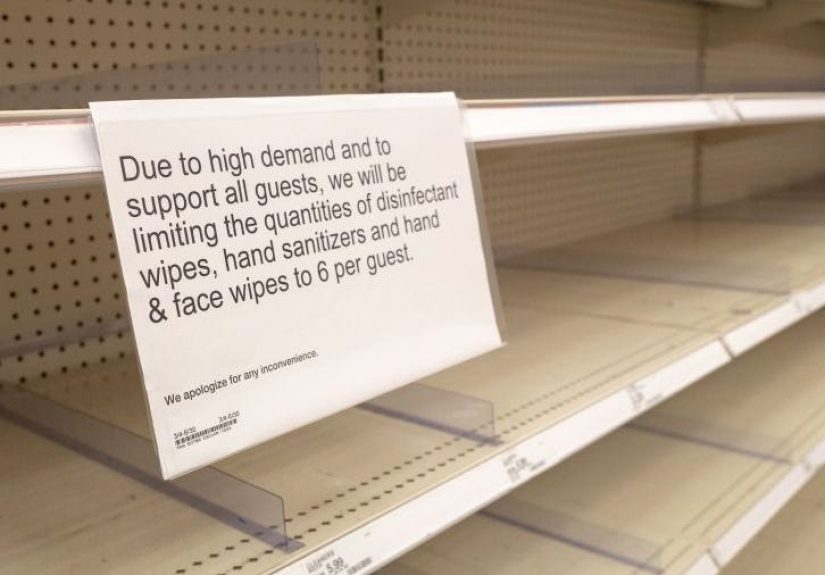
- Purchase limits: “One per customer” became a public service announcement in sticker form.
- Adjusted restocking and production: Companies prioritized high-demand items and simplified product variety to move volume.
- Senior shopping hours and accessibility efforts: Many stores tried to protect higher-risk shoppers by offering specific times or support.
- Clearer communication: As messaging improved (“The food supply is stable,” “Trucks are still running”), panic eased for many people.
Communities also stepped up with mutual aid: neighbors sharing extra supplies, local groups organizing grocery drops for people who couldn’t safely shop,
and families swapping what they had (like trading flour for disinfecting wipes, which sounds like a weird bartering economy but was surprisingly common).
How to Prepare Without Becoming “That Person”
Preparedness is not the enemy. Panic is. The goal is to reduce stress and shopping trips without depriving others.
Build a “calm pantry,” not a bunker
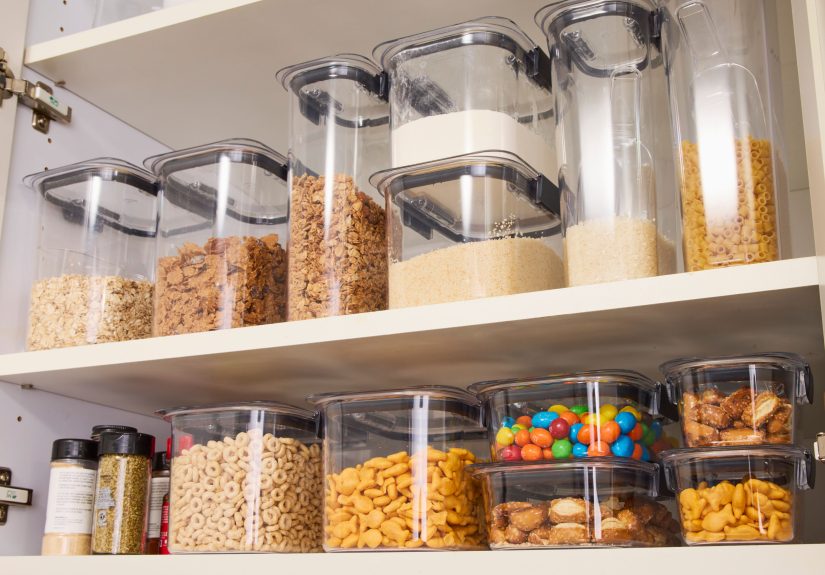
A practical approach is keeping a modest buffer of what you already usethink days to a couple of weeks, not months of speculative buying. Rotate items
so nothing expires, and avoid stocking products you don’t normally consume (unless you’re genuinely prepared to learn how to cook them).
Think in categories, not viral items
Instead of chasing whatever the internet is yelling about, cover basics:
- Foods you routinely eat (shelf-stable and frozen options can help)
- Household essentials (soap, detergent, trash bags)
- Health needs (prescriptions, a basic first-aid kit)
- Cleaning supplies you’ll actually use safely
- Contingency plans for kids, work changes, and caregiving
Use a “one in, one out” rule
If you buy an extra item, make sure you’re using and replacing, not stacking and forgetting. This keeps spending in check and reduces wastebecause
nobody wants to find 2020-era mystery cans in 2026.
Buy less frequently, not more aggressively
One reason people stocked up was to minimize store trips. That goal can be met by shopping less often and planning betterwithout clearing shelves.
A list, a budget, and a plan beat a cart full of panic every time.
Leave room for others (especially the vulnerable)
Retail industry messaging during the pandemic emphasized a simple moral math: if you don’t need it soon, leave it for someone who does. That matters
because some people can’t shop early, drive far, or visit multiple stores. A community is only as resilient as its most inconvenienced neighbor.
What We Learned (and Why It Still Matters)
Coronavirus hoarding wasn’t only a quirky pandemic chapter. It was a real-time lesson in how fragile our sense of security can beand how quickly group
behavior can shape outcomes.
- Communication matters: Clear information reduces panic; vague rumors accelerate it.
- Supply chains are resilient, but not instant: They can adapt, but they can’t teleport.
- Fairness is a stability tool: Purchase limits and anti-gouging actions weren’t just “rules”they were pressure valves.
- Preparedness is healthiest when it’s boring: If your pantry plan looks dramatic, it’s probably not a planit’s a performance.
The best long-term takeaway is surprisingly simple: build habits that make you less vulnerable to disruption (a modest buffer, a plan, a rotation
system), and keep enough empathy to remember that “my family” isn’t the only family in the store.
Experiences from the Hoarding Era (What It Looked Like, Felt Like, and Taught People)
If you talk to people who lived through the early COVID-19 buying frenzy, you’ll hear a mix of comedy, frustration, and a little disbelieflike
remembering a weird dream that was somehow also your real life.
Many shoppers describe the first “empty shelf moment” as the spark. You go in for normal groceries and suddenly the paper aisle looks like it’s been
vacuumed. Even if you didn’t plan to buy toilet paper that day, your brain does a quick calculation: Empty shelf equals danger. That’s when
people started grabbing whatever they could findsingle rolls, off-brand packs, industrial-size bundles, anything. Some families ended up with a strange
assortment: one fancy pack from an expensive store, a couple rolls from a convenience shop, and a random case from a warehouse club that could double as
a coffee table.
Then came the “substitution Olympics.” No disinfecting wipes? People bought spray cleaner. No spray cleaner? They bought soap. No soap? They bought dish
detergent. Somewhere, a perfectly innocent bottle of lemon-scented dish soap became the MVP of household hygiene. In kitchens, flour and yeast shortages
pushed people into improvisation. Some learned to bake bread; others learned that baking bread is 10% baking and 90% patience. Sourdough starters got
names, were treated like pets, and occasionally “mysteriously died” when their owners realized feeding a jar daily is a commitment.
The social side was just as memorable. Neighbors who barely waved before suddenly swapped supplies like it was a polite underground economy. One person
might text, “I found baby wipesanyone need some?” Another would reply, “I can trade you rice or pasta.” It wasn’t all wholesome, though. Some people
saw carts piled high and felt angernot only because it was unfair, but because it signaled that the community could turn on itself under pressure.
That emotional whiplashbetween solidarity and selfishnesswas one of the clearest “human nature” lessons of the pandemic.
Families also remember how rules changed daily. One week there were no purchase limits. The next week, there were signs everywhere: one per customer,
two per customer, “please be kind.” Some stores created special hours for seniors or higher-risk shoppers, and many people realized for the first time
how much timing matters. If you could shop early, you had choices. If you worked long shifts or relied on public transit, you often got the leftovers.
That unevenness wasn’t always intentionalbut it was real, and it shaped how people talked about fairness.
And yes, there were moments of pure absurdity that helped people cope. Toilet paper memes. Jokes about “luxury two-ply.” Photos of pantries posted like
trophy displays (which, to be honest, did not help). Humor became a pressure release valve: if you can laugh at something, you can survive it. The best
stories often end with a lesson people still use now: keep a reasonable buffer, don’t wait until the last roll, don’t buy like the apocalypse is
scheduled for Thursday, and remember that your choices ripple outward. In a crisis, being prepared is smartbut being considerate is what keeps the
system from snapping.
Conclusion
Coronavirus hoarding was never just about toilet paper. It was a stress test of trusttrust in supply chains, trust in institutions, trust in each other.
When fear rose, some people tried to buy certainty by the cartload. Over time, the steadier approach proved more effective: plan calmly, shop
responsibly, and treat “enough” as the real goal.
If another disruption comeswhether it’s public health, weather, or something no one predictedyour best defense isn’t a basement full of supplies.
It’s a balanced plan, accurate information, and the kind of community mindset that makes sure everyone can get what they need.