Table of Contents >> Show >> Hide
- What Is the Cottage Cheese Diet?
- Why Cottage Cheese Became Diet Famous
- Potential Benefits of a Cottage Cheese Diet
- The Biggest Cons of the Cottage Cheese Diet
- Is the Cottage Cheese Diet Actually Healthy?
- Who Might Benefit From It?
- Who Should Be More Careful?
- How to Make a Cottage Cheese Diet Smarter
- A Balanced One-Day Example
- Bottom Line
- Common Experiences People Have With a Cottage Cheese Diet
- SEO Tags
Note: Body-only HTML, English content, ready for direct web publishing.
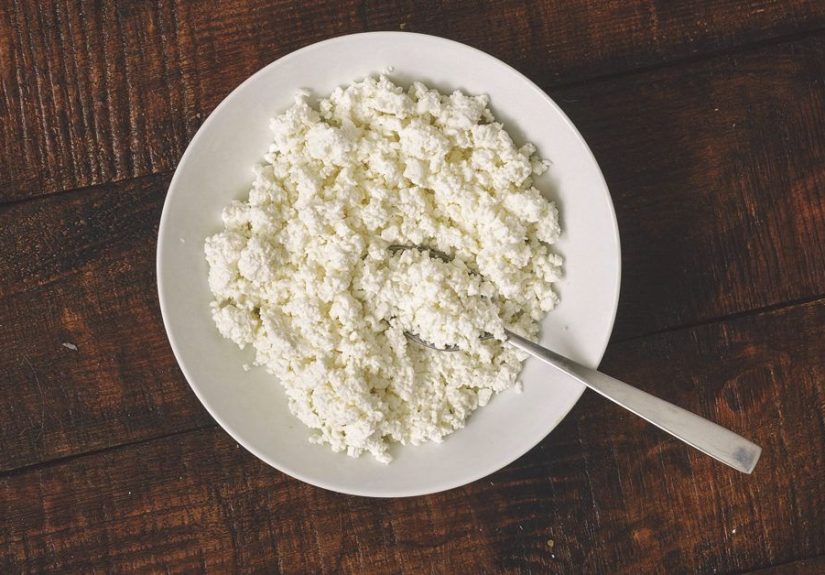
Cottage cheese has pulled off one of the strangest comebacks in modern food culture. For years, it was the slightly lumpy dairy product hiding in the back of the fridge like a retired aerobics instructor from 1987. Then suddenly, it became trendy again. Social media started blending it into dips, pancakes, ice cream bowls, pasta sauces, and “high-protein everything.” And from there, the idea of a cottage cheese diet took off.
But is this actually a smart way to eat, or just another shiny nutrition obsession wearing gym clothes? The honest answer is somewhere in the middle. Cottage cheese can absolutely fit into a healthy eating pattern. It is high in protein, relatively low in calories, and easy to pair with fruits, vegetables, grains, and other whole foods. At the same time, building your diet too heavily around it can create problems, especially if you ignore sodium, saturated fat, fiber, food variety, or lactose tolerance.
This guide breaks down what the cottage cheese diet really means, its biggest advantages and drawbacks, whether it is healthy, and how to use cottage cheese without turning your meal plan into a one-note dairy monologue.
What Is the Cottage Cheese Diet?
There is no official medical program called the cottage cheese diet. In real life, the term usually refers to an eating style where cottage cheese becomes a major “anchor food” because it is convenient, protein-rich, and often lower in calories than many other cheese-based choices.
Some versions are mild and reasonable. For example, someone may eat cottage cheese for breakfast, use it as a snack, and add it to a lunch bowl or smoothie. Other versions are much more extreme and lean into the old-school fad diet mindset: lots of cottage cheese, very few calories, limited variety, and the hope that the scale will cooperate out of fear.
That difference matters. Using cottage cheese as one helpful food is not the same as trying to live on it. A balanced eating pattern is still the goal.
Why Cottage Cheese Became Diet Famous
It is high in protein
One of the biggest selling points of cottage cheese is protein. A typical half-cup serving of plain cottage cheese often delivers roughly 11 to 14 grams of protein, depending on the brand and fat level. That makes it appealing for people trying to feel fuller, maintain muscle, or build meals around protein without eating a huge portion.
It is relatively low in calories
Plain low-fat cottage cheese is not a calorie bomb. Many brands land somewhere around the 80-to-100-calorie range per half-cup serving. That gives it a lot of “nutrition for the space it takes up,” which is why it shows up in weight-loss conversations so often.
It works in sweet and savory meals
Cottage cheese can go in either direction. You can top it with berries and cinnamon, or black pepper and cucumbers. You can blend it into pasta sauce, spoon it onto toast, add it to scrambled eggs, or use it in a grain bowl. That flexibility makes it easier to stick with than foods that only belong in one meal lane.
It feels like a shortcut
No cooking. No marinating. No meal-prep drama. Open container, grab spoon, add topping, continue existing. For busy people, that simplicity is half the appeal.
Potential Benefits of a Cottage Cheese Diet
1. It may help with fullness
Protein tends to be more satisfying than highly refined carbs alone, and cottage cheese contains casein, a slower-digesting milk protein. That does not make it magic, but it can help meals feel more substantial. If your current breakfast is basically a sugar rush with a receipt, swapping in a protein-rich option may help you stay fuller for longer.
2. It can support muscle maintenance
When people cut calories, one major goal is to lose fat while hanging on to as much lean mass as possible. Protein helps with that. Cottage cheese is not the only food that can do the job, but it is an easy one. For active adults, it can be a practical addition after workouts or as part of a higher-protein meal pattern.
3. It provides useful nutrients
Cottage cheese is more than just protein in a tub. It can also supply calcium, phosphorus, vitamin B12, selenium, and other nutrients that support bone health and normal body function. It is still dairy, and dairy can absolutely have a place in a healthy diet.
4. It can fit low-carb preferences
Plain cottage cheese is relatively low in carbohydrates compared with many breakfast cereals, granola bars, pastries, and flavored yogurts. For people who prefer lower-carb meals, it can be a helpful ingredient without requiring a full diet overhaul.
5. It is easy to portion
A bowl, a measuring cup, a few toppings, done. That can be genuinely useful for people trying to build more awareness around serving size and calories. The Nutrition Facts label also makes it easier to compare versions side by side.
The Biggest Cons of the Cottage Cheese Diet
1. Sodium can sneak up on you
This is the biggest catch. Cottage cheese can be fairly high in sodium, and the amount varies a lot by brand. Some regular versions can hit roughly 300 to 450 milligrams per half-cup serving, sometimes more. That is not catastrophic on its own, but it adds up quickly if you eat multiple servings a day, especially with crackers, deli meat, sauces, or other packaged foods.
If you are following a cottage cheese-heavy plan and not checking labels, you may accidentally turn your “healthy” diet into a sodium side quest.
2. Fat content depends on the version
Not all cottage cheese is created equal. Fat-free, 1%, 2%, and 4% versions all exist, and the difference matters. Full-fat types may be more satisfying for some people, but they also add more saturated fat. That is not a reason to panic over a spoonful of dairy, but it is something to factor into your overall daily pattern.
3. It does not give you much fiber
Cottage cheese brings protein, but it does not bring much fiber. So if your “diet” becomes cottage cheese plus more cottage cheese plus emotionally complicated cottage cheese pancakes, you may end up short on one of the most important nutrients for fullness, digestion, blood sugar management, and heart health.
That is why pairing cottage cheese with berries, vegetables, beans, oats, nuts, seeds, or whole grains is so important.
4. It may not work well for lactose intolerance
Cottage cheese is a fresh cheese, and fresh cheeses usually contain more lactose than aged hard cheeses. Some people tolerate it fine. Others get bloating, gas, stomach discomfort, or other symptoms. Lactose-free versions do exist, which can make a big difference.
5. It can get boring fast
Let us be honest: even if you like cottage cheese, there is a limit. Over-relying on any one food can make meals feel repetitive, and boredom is one of the fastest ways to abandon a diet. If the plan makes you dread lunch by day four, it is probably not a long-term strategy.
6. Extreme versions are not well balanced
A diet built around one food tends to crowd out other essentials. You still need fruits, vegetables, whole grains, healthy fats, and a variety of protein sources. A plate full of white dairy curds is not a personality, and it is definitely not a complete nutrition plan.
7. It may not be appropriate for some medical conditions
People with kidney disease may need individualized guidance on protein intake. Others may need to monitor sodium more carefully. And anyone with a milk allergy should avoid cottage cheese entirely, because milk allergy is different from lactose intolerance.
Is the Cottage Cheese Diet Actually Healthy?
It can be healthy, but only when it is part of a balanced eating pattern. That is the key. Cottage cheese itself is not the villain, and it is not the hero either. It is one food with useful nutrition qualities and a few drawbacks.
A sensible version of a cottage cheese diet might look like this:
- Plain or lower-sodium cottage cheese used once or twice a day
- Paired with fruit, vegetables, beans, nuts, seeds, or whole grains
- Total calories kept at a realistic level, not crash-diet territory
- Other protein foods still included, such as fish, eggs, yogurt, tofu, chicken, or beans
- Attention paid to sodium, saturated fat, and overall food variety
An unhealthy version is the one that treats cottage cheese like a miracle weight-loss loophole. That kind of plan usually becomes too repetitive, too restrictive, and too disconnected from how real people actually eat for months and years.
Who Might Benefit From It?
- People who want more protein at breakfast: Cottage cheese can be faster and more balanced than a pastry or sugary cereal.
- People trying to manage hunger: Protein-rich meals may help some people feel fuller.
- Active adults: It can be an easy recovery snack or part of a muscle-supportive meal.
- Busy eaters: It is convenient, portable, and easy to portion.
- People looking for a versatile dairy option: It works in both savory and sweet dishes.
Who Should Be More Careful?
- People with lactose intolerance: Symptoms may show up unless you choose a lactose-free version.
- People with kidney disease: Higher-protein patterns may need professional guidance.
- People watching sodium: Brand comparison is essential.
- People with a milk allergy: Cottage cheese is not safe.
- Anyone drawn to crash diets: Extreme restriction is not a sustainable path to better health.
How to Make a Cottage Cheese Diet Smarter
Choose plain first
Plain cottage cheese gives you more control. Flavored versions may add sugar or unnecessary extras.
Compare labels
This is non-negotiable. Check serving size, calories, protein, sodium, saturated fat, and whether the product contains live and active cultures if probiotics matter to you.
Add fiber on purpose
Pair cottage cheese with berries, peaches, tomatoes, cucumbers, carrots, chia seeds, oats, or whole-grain toast. Protein plus fiber is a much more satisfying duo than protein alone.
Do not let it replace all your protein foods
Variety matters. Beans, lentils, fish, eggs, yogurt, tofu, chicken, and nuts all bring different nutrient packages.
Keep weight loss realistic
Sustainable fat loss usually comes from an overall eating pattern you can repeat, not from white-knuckling your way through a highly restrictive week.
A Balanced One-Day Example
Breakfast: Cottage cheese with berries, walnuts, and cinnamon, plus a slice of whole-grain toast.
Lunch: Grain bowl with cottage cheese, cherry tomatoes, cucumber, chickpeas, olive oil, and herbs.
Snack: Apple slices with peanut butter.
Dinner: Salmon, roasted vegetables, and brown rice.
Optional evening snack: A small serving of cottage cheese with sliced kiwi or a few whole-grain crackers.
Notice the pattern: cottage cheese is present, but it is not running the entire show.
Bottom Line
The cottage cheese diet is healthy only when it stops pretending to be a miracle and starts acting like a normal part of a balanced eating plan. Cottage cheese can support satiety, help increase protein intake, and offer useful nutrients in a convenient package. But it also comes with real limitations, especially sodium, lactose, lack of fiber, and the risk of turning meals into a repetitive dairy loop.
In other words, cottage cheese is a solid supporting actor. It should not be forced to carry the whole movie.
If you like it, use it. If you tolerate it, enjoy it. Just do not confuse one nutritious food with a complete dietary strategy. The healthiest approach is still the least glamorous one: a varied pattern built around whole foods, realistic calorie goals, and habits you can maintain after the internet moves on to its next nutrition crush.
Common Experiences People Have With a Cottage Cheese Diet
One of the most common early experiences is surprise, and not always because of the taste. Many people start a cottage cheese diet expecting it to feel like punishment food, then realize it is more versatile than they assumed. Breakfast bowls with fruit feel easy. Savory bowls with tomatoes, black pepper, and avocado feel more substantial than expected. Some people even enjoy blending it into sauces or smoothies. The first takeaway is often this: cottage cheese is less “diet food” and more “blank canvas” than people expect.
Another common experience is improved fullness, especially compared with lighter breakfasts that are mostly refined carbs. Someone who normally grabs toast and jam or a sugary granola bar may notice that a meal built around cottage cheese keeps them satisfied longer. Mid-morning snacking may decrease. Energy can feel steadier. That said, fullness is not guaranteed just because protein is present. If the meal lacks fiber, produce, or enough total calories, hunger can still come roaring back like it never got the memo.
Then there is the sodium discovery. This is where many cottage cheese success stories become more complicated. At first, people focus on protein and calories. A few days later, they finally check the label and realize their “healthy” portion contains a meaningful chunk of their daily sodium intake. Anyone eating cottage cheese twice a day may start noticing that brand choice matters a lot. Lower-sodium versions often become the hero of the second grocery trip.
People with lactose sensitivity often have mixed experiences. Some do fine with modest portions, especially when cottage cheese is eaten as part of a meal. Others notice bloating, gas, or stomach discomfort within hours. For them, the experience tends to shift quickly from “This is my new high-protein staple” to “Absolutely not.” Lactose-free options can help, but they are not always the first product people buy. This is why the most successful experiences usually involve a little self-awareness instead of blind diet enthusiasm.
Boredom is another predictable chapter. Week one feels creative. Week two starts to feel repetitive. Even fans of cottage cheese usually do better when they rotate it with Greek yogurt, eggs, beans, tofu, fish, or other protein foods. The people who have the best long-term experience are usually the ones who stop treating cottage cheese like a dietary religion. They use it strategically, not constantly.
There is also a mindset lesson hidden in many of these experiences. People often begin with the question, “Can cottage cheese make me lose weight?” but end up with a better question: “Can this food help me build meals that are more balanced and satisfying?” That shift matters. When cottage cheese is used as a practical tool, it tends to work well. When it is used like a shortcut, disappointment usually shows up right on schedule.
So the most realistic experience with a cottage cheese diet is not dramatic transformation. It is usually something quieter and more useful: easier protein intake, better meal structure, more awareness of labels, and a clearer understanding that health is built by patterns, not by one trendy tub in the refrigerator.