Table of Contents >> Show >> Hide
- What Is Courtly Rose Classico?
- Why Courtly Rose Classico Fits Today’s Interior Trends
- Where Courtly Rose Classico Works Best in Your Home
- How to Pair Colors and Materials With Courtly Rose Classico
- Practical Tips for Painting With Courtly Rose Classico
- Is Courtly Rose Classico Right for Your Style?
- Real-Life Style Experiences With Courtly Rose Classico
- Final Thoughts
If you’ve ever scrolled past a photo of a dreamy, terracotta-pink room and thought,
“Okay, but what is that color?” there’s a good chance it looked a lot like
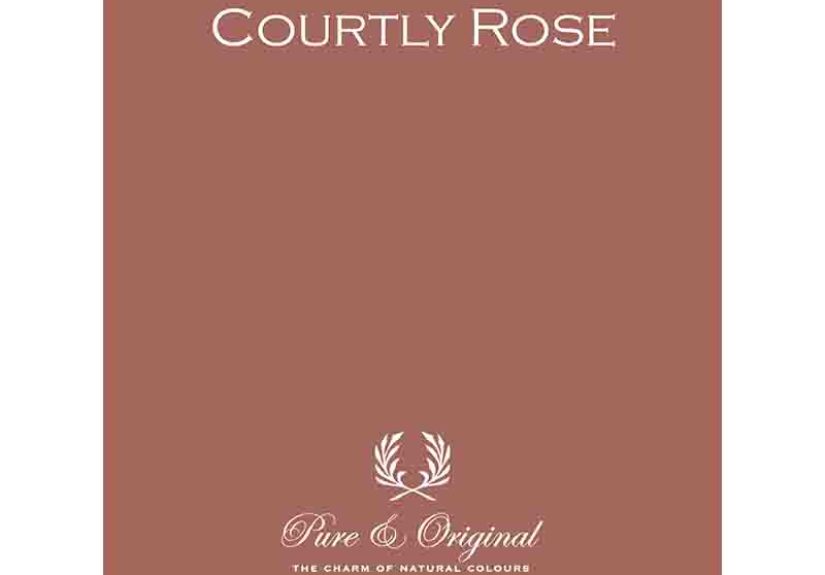
Courtly Rose Classico. This warm, rosy shade sits somewhere between
blush, terracotta, and soft clay. It’s cozy without feeling heavy, sophisticated
without being stuffy, and just bold enough to make your walls feel dressed up
instead of just… there.
In this guide, we’ll dive into what Courtly Rose Classico actually is, why designers
are obsessed with this kind of terracotta-rose tone, where it works best in your
home, how to pair it with other colors and materials, and practical tips for getting
the most out of a chalk-based, ultra-matte paint finish. At the end, you’ll also
find real-world style experiences and ideas inspired by this shade to help you
picture it in your own space.
What Is Courtly Rose Classico?
A warm terracotta-rose with serious personality
Courtly Rose is a nuanced color: imagine a sunbaked terracotta pot, a dusty rose
petal, and a hint of soft desert sunset all mixed together. It’s not bubblegum pink
and it’s not brick red. Instead, it lives in that sweet spot where earthy and romantic
collide. That’s why it reads differently depending on light:
- In bright natural light: it feels fresh, warm, and slightly pink.
- In low or evening light: it deepens into a mellow, cocooning terracotta.
- Under warm artificial light: it leans cozy, almost candlelit.
Interior designers love these “chameleon” shades because they change gently throughout
the day, adding subtle movement and character to a room without relying on bold patterns.
What “Classico” means in this context
The “Classico” part refers to a chalk-based, very matte interior paint finish known for:
- Ultra-matte, velvety look that diffuses light and softens hard edges.
- Deep, rich pigmentation thanks to natural and organic pigments.
- Beautiful coverage that works especially well on walls and ceilings.
Chalk-based paints like Classico are ideal when you want walls that feel soft,
tactile, and quietly luxurious instead of shiny or plasticky. In Courtly Rose,
that velvety finish adds to the “old-world meets modern boutique hotel” vibe.
Why Courtly Rose Classico Fits Today’s Interior Trends
From cool gray to warm, earthy comfort
For years, cool grays and stark whites dominated Instagram and real estate listings.
Lately, though, the mood has shifted. People want homes that feel inviting, personal,
and a little bit slowermore “home” than “lobby.” Warm pinks, plaster tones, and
muted terracottas are stepping in as the new neutrals, offering:
- Soft warmth that makes a room feel cozy without closing it in.
-
Better harmony with natural materials like wood, linen, rattan,
stone, and woven textures. -
A flattering backdrop for skin tones, which is why these shades
work so well in bedrooms, dining spaces, and bathrooms.
Courtly Rose Classico rides this wave perfectly. It’s warm and earthy, but still
refined. It looks equally at home in a modern townhouse, a cottage-style kitchen,
or a minimal apartment that needs just a touch of color.
A “new neutral” with character
Unlike beige or greige, Courtly Rose adds personality while still behaving nicely
with other colors. Think of it as a “talkative neutral”: it definitely has something
to say, but it doesn’t shout over your furniture, art, and textiles. If plain white
walls feel too cold and gray feels too flat, this kind of terracotta-rose tone is
an excellent middle path.
Where Courtly Rose Classico Works Best in Your Home
1. Living room: warm, social, and photogenic
In a living room, Courtly Rose Classico can set the tone for a relaxed, social space.
Use it on all four walls if you want a cozy, enveloping atmosphere, especially if you
have good natural light. For a more contemporary look:
-
Pair Courtly Rose walls with a soft gray or cream sofa and light
wood furniture. -
Layer in black accents (like picture frames or a metal coffee table)
to keep things sharp and modern. -
Add textiles in rust, blush, or olive green to keep the palette
grounded and cohesive.
Because the finish is ultra-matte, it also photographs beautifullyno harsh glare,
just soft, even color that looks great on camera and in real life.
2. Bedroom: a calm, cocooning retreat
Courtly Rose really shines in bedrooms. Warm, pinkish terracotta tones tend to feel
nurturing and restful, especially when paired with layered textiles. Some ideas:
- Paint the walls and ceiling in Courtly Rose for a true cocoon effect.
-
Keep bedding lightthink ivory, sand, or soft flax linenso the room
doesn’t feel heavy. -
Use natural elements like a wood nightstand, woven basket, or jute
rug to keep the palette earthy.
If you’re nervous about committing to full color, paint just the wall behind the bed
as an accent. It frames the headboard, visually anchors the room, and lets you test
how you feel about the shade over time.
3. Kitchen and dining: a soft, appetite-friendly backdrop
Warm tones tend to play nicely with food. In a kitchen or dining area, Courtly Rose
Classico can:
- Soften the look of white or cream cabinets.
- Compliment warm metals like brass or brushed gold hardware.
- Pair beautifully with natural oak, walnut, or butcher-block counters.
For a chic café vibe, you could paint just the lower half of the wall in Courtly Rose
and keep the upper half and ceiling white, then run a simple rail or narrow shelf along
the color break.
4. Bathroom or powder room: boutique hotel energy
Small spaces are where bolder color really earns its keep. A powder room in Courtly Rose
Classico with a pretty mirror, brass tapware, and a patterned floor tile can feel like
a boutique hotel tucked into your hallway. Because the paint is ultra-matte, it adds an
understated, plaster-like softness that feels expensive without being flashy.
5. Accent walls and furniture
If you’re renting or just testing the waters, Courtly Rose is also great for:
- Accent walls behind a sofa, bed, or dining table.
- Built-in shelving or a small niche that needs definition.
- Furniture makeovers, like a sideboard, console, or even a headboard.
The chalky Classico finish adds character to older pieces of furniture and can make
a simple IKEA piece look surprisingly custom with the right color and hardware.
How to Pair Colors and Materials With Courtly Rose Classico
Color pairings that rarely fail
Courtly Rose Classico lives happily in a range of palettes. Some tried-and-true
combinations include:
- Creamy whites and soft beige for a calm, airy look.
-
Soft gray for a contemporary, balanced feel that keeps the warmth
in check. -
Navy or deep teal for bold contrast in smaller doses (pillows,
lamps, artwork). - Olive or sage green for a natural, garden-inspired palette.
-
Mustard or ochre accents if you like a slightly bohemian or
eclectic energy.
The trick is to balance warmth and coolness. Courtly Rose is warm, so pairing it with
cool undertones (like soft gray or navy) keeps the space from feeling too “sweet,” while
adding a few warm neutrals (like sand, camel, or taupe) makes everything feel grounded.
Materials and textures that love this color
To really bring Courtly Rose Classico to life, think in layers:
- Wood: oak, ash, and walnut look especially good against warm pinks.
- Natural fibers: linen, jute, wool, and rattan enhance the earthy feel.
- Metals: brass and brushed gold add warmth; black metal modernizes the look.
- Ceramics and stone: off-white pottery, travertine, or marble provide contrast.
The ultra-matte finish of Classico loves texture. A chunky knit throw, a woven pendant
lamp, or a vintage rug will deepen the sense of warmth and make the room feel collected
rather than staged.
Practical Tips for Painting With Courtly Rose Classico
1. Test it in your actual light
Courtly Rose is a nuanced color, so always sample it on your wall before committing:
-
Paint a large swatch (at least 18 x 18 inches) in two or three
spots around the room. - Look at it morning, midday, and evening.
-
Check it under your actual light bulbs, especially if you use
warm or cool LEDs.
You’ll see it shift between rosier, more terracotta, and deeper tones throughout the
daythat’s part of the charm.
2. Prep matters (especially with ultra-matte finishes)
With chalk-based, ultra-matte paint, surface prep is your best friend. Because the
finish is forgiving in terms of glare but honest about texture:
- Fill any holes or cracks, then sand lightly for a smooth surface.
- Make sure the wall is clean and dust-free before you start.
- Use a suitable primer if you’re covering a dark color or a glossy surface.
The reward is a soft, uniform finish that looks intentional rather than patchy.
3. Think about durability and traffic
Classico is best suited for:
- Living rooms, dining rooms, and bedrooms.
- Ceilings and walls that don’t take a lot of direct abuse.
In high-traffic hallways, kids’ playrooms, or behind frequently used dining chairs,
you might want to either:
- Use Courtly Rose in a more washable finish on the lower half of the wall.
- Reserve Classico for upper walls and ceilings, where scuffs are less likely.
4. Don’t fear a second (or third) coat
Rich pigments often look their best after two coats, sometimes three if you’re
going from a very dark or very bright previous color. Take your time, keep edges
wet as you work, and resist the urge to judge the color mid-way through the first coat.
Is Courtly Rose Classico Right for Your Style?
Courtly Rose Classico can adapt to a surprising number of aesthetics:
-
Modern minimalist: Pair with crisp white trim, simple silhouettes,
and black accents. -
Boho or eclectic: Mix with patterned rugs, vintage wood furniture,
plants, and layered textiles. -
Scandi cozy: Combine with light woods, clean lines, and a neutral
palette of beiges and grays. - Romantic classic: Add velvet cushions, brass details, and framed art.
If you like spaces that feel warm, relaxed, and quietly interesting rather than stark
or hyper-minimal, this color will probably make you very happyespecially in the rooms
where you slow down at the end of the day.
Real-Life Style Experiences With Courtly Rose Classico
To help you picture how Courtly Rose Classico behaves in the wild, it helps to look at
how similar terracotta-rose tones are being used in real homes and projects. While the
exact paint name might vary, the overall look and feel are very close.
A small bedroom that suddenly feels like a retreat
Imagine a compact city bedroom that used to be painted a chilly off-white. The furniture
was fine, but the space never felt truly inviting. When the walls were repainted in a
warm, terracotta-pink shade similar to Courtly Rose, everything shifted:
- The room felt visibly warmer, even in the morning light.
-
Simple cream bedding and a light wood headboard suddenly looked styled,
not random. - A few green plants popped beautifully against the rosy background.
The owner described it as going from “cold Airbnb energy” to “my favorite place in the house.”
That’s the power of a warm, well-chosen wall color.
A living room that balances modern and cozy
In another home, a couple with a modern sofa and a love of clean lines felt their light gray
walls were making the space look flat in photos and in person. They decided to repaint the
main wall behind the sofa in a terracotta-pink tone akin to Courtly Rose Classico.
The result:
- The gray sofa suddenly had depth and contrast instead of blending into the wall.
- Their existing wood coffee table and woven rug looked warmer and more intentional.
- The room felt more finished without adding more furniture or décor.
They kept the other walls a warm white, so the color reads as an accent but still has a big
impact on the vibe of the room.
A bathroom glow-up on a budget
A small bathroom with basic white tile and a plain vanity is prime territory for color.
In one makeover, the walls above white tile were painted in a rose-terracotta shade close
to Courtly Rose. The materials didn’t change muchsame tile, same vanity, same mirrorbut:
- The walls added soft warmth and flattered skin tones in the mirror.
- A new brass faucet and sconces looked luxe against the matte rosy backdrop.
- The space looked like a thoughtfully designed powder room instead of a basic builder-grade bath.
The project proves that color alone, especially in a rich matte finish, can deliver a
boutique look without a full renovation.
Lessons learned from using Courtly Rose–type colors
Whether people use Courtly Rose Classico specifically or a similar terracotta-rose shade,
a few consistent lessons come up:
-
Sample size matters: tiny paint chips are misleading. Larger swatches
tell the truth. -
Lighting changes everything: what feels pink in a north-facing room
may lean more terracotta in a sunny, south-facing space. -
It pairs better with “real” materials: wood, linen, and stone feel
more at home with this shade than super-shiny, high-gloss finishes. -
Less pattern, more texture is often the sweet spotlet the wall color
be the main “pattern” and lean on textures for interest.
Overall, the feedback is surprisingly similar: once people commit to a warm, rose-terracotta
wall color in at least one room, they rarely go back to plain white in that space. The color
feels lived-in immediately, as if the room had always meant to look that way.
Final Thoughts
Courtly Rose Classico is more than just a pretty paint name. It represents a broader
movement toward warm, human-centered interiors: spaces that are soft rather than sterile,
layered rather than empty, and quietly expressive instead of aggressively trendy.
If you’re craving a home that feels like a hug at the end of the day, this terracotta-rose,
chalky matte color is a strong contender. Start with a sample, live with it for a few days,
and don’t be surprised if you end up planning your next room around it.