Table of Contents >> Show >> Hide
- What is creative therapy?
- Why use creative therapy? (Yes, it’s more than finger‑painting)
- Types of creative therapy
- How does creative therapy work? (Mechanisms in plain speak)
- Who might benefit from creative therapy?
- Things to keep in mind (aka “fine print” and practical tips)
- Real‑life example (just to bring it down to earth)
- Conclusion
- Personal experiences and deeper reflections on creative therapy
Imagine if your therapist handed you a paintbrush instead of a clipboard. Sounds fun, right? That’s basically what creative therapy is all aboutusing art, music, movement or drama as your emotional cheerleader (and maybe your secret avatar in a healing quest). In this article we’ll dive into what creative therapy is, explore its many types, highlight the benefits (yes, there are many!), and sprinkle in some real‑life experiences at the end for good measure. If you’ve ever thought “there must be a more fun way to do therapy,” this piece is for you.
What is creative therapy?
Creative therapy (sometimes called “arts and creative therapies” or “creative arts therapies”) is a form of treatment that uses non‑verbal, art‑based methods (think drawing, dancing, playing music) alongside a trained therapist to explore thoughts, feelings, and behaviours.
The key point: you don’t need to be the next Picasso or Beyoncé. It’s not about making a masterpiece. It’s about channeling emotions through a medium that isn’t just talk. According to one review, creative arts therapies “use the creative and expressive process of art making to improve and enhance psychological and social well‑being” for people of all ages.
Why use creative therapy? (Yes, it’s more than finger‑painting)
Here are some of the core benefits:
- Expression when words fail: For some folks, putting feelings into sentences is like trying to juggle spaghetti. Creative therapies offer another route: symbol, texture, rhythm.
- Reduce stress and anxiety: Engaging in art or music can lower stress markers and help you shift into a calmer state of mind.
- Improve self‑awareness and self‑esteem: When people create something and reflect on it, they often deepen their understanding of themselvesand that gives a boost to confidence.
- Support for trauma, chronic illness, and rehabilitation: Creative therapies have shown promise as adjuncts (not always as standalone fixes) for pain, trauma, dementia, cancer, brain injury, etc.
- Enhance cognitive and sensorimotor function: Especially for people recovering from injury or living with neuro‑conditions, creative therapy may help restore or engage the brain and body.
Types of creative therapy
Below are some of the main modalities you’ll encounter. Each has its own flavour but they share the idea of using an art form to promote healing.
Art therapy
In art therapy, you might draw, paint, sculpt or collage. The point is not “make a museum‑worthy piece” but to externalize inner experiences, then process them with a therapist. A review found it helps mental health patients with expression, communication and self‑awareness.
Music therapy
Here the tool is sound: listening to music, improvising, songwriting, playing instruments, discussing lyrics. According to an article, music therapy can be useful across ages and conditions (developmental disabilities, Alzheimer’s, brain injury) to relax, process emotion and support cognitive goals.
Dance/movement therapy
This modality integrates body movement, dance and somatic experience. The idea: our bodies know things our words don’t. Moving can unlock trapped emotion or shift energy. It is part of the umbrella of creative arts therapies.
Drama / psychodrama / expressive writing therapy
Drama therapy uses role‑play, storytelling, improvisation. Expressive writing might involve journaling, poetry, metaphor. These non‑traditional therapies allow metaphorical and symbolic expression of issues.
Multimodal expressive arts / integrated creative therapy
Some therapists combine elements (art + drama + music) in what is called “expressive arts therapy” or “creative arts therapy”. These integrate multiple modalities for more flexible intervention.
How does creative therapy work? (Mechanisms in plain speak)
While we don’t have a giant button that says “activate healing now,” research gives us hints about how creative therapy may work:
- Non‑verbal expression: Creative media allow expression of thoughts/feelings that are hard to articulate. For example, someone can sculpt their fear rather than talk about it.
- Flow and focus: Engaging in art can reduce ruminative thinking and move someone into a present‑moment “flow” state, which is restorative.
- Mind‑body connection: Movement, rhythm, tactile engagement stimulate brain and body systems, integrating emotional, cognitive, sensorimotor components.
- Externalising internal states: By putting feelings out into art/music, individuals can observe them, reflect, and develop new perspectives on them.
- Social engagement and safe exploration: In group formats, creative therapy fosters connection, sharing of experience, and safe risk‑taking.
Who might benefit from creative therapy?
Creative therapy isn’t just “one size fits all,” but there are many contexts where it’s shown up with good results:
- People with mental health conditions (anxiety, depression, trauma, PTSD).
- Those with chronic physical illnesses (cancer, heart disease, neurological rehab).
- Children, adolescents and adults who have difficulty verbalising feelings (e.g., developmental disabilities).
- Individuals recovering from injury, brain trauma or surgery, for whom standard talk therapies may not sufficiently engage sensorimotor or creative parts of their experience.
- Anyone who wants to explore growth, resilience, or creativity in a therapeutic context (even without major pathology). Many people find these therapies enriching.
Things to keep in mind (aka “fine print” and practical tips)
Before you dive into paint, drum or dance your way to healing, here are some helpful caveats:
- Creative therapy is normally *adjunctive*, not always a wholesale replacement for traditional therapies (e.g., CBT, medication). The science is promising but still growing.
- Access and credentialing matter: In the U.S., certified creative arts therapists are credentialed and trained.
- It won’t magically solve everything overnightbut it offers a different route, especially if words feel insufficient.
- Find a therapist whose modality you resonate with. Just because someone does “art therapy” doesn’t mean they’re the right match; talk, vibe, safety, and trust still count.
- Be open‑minded about the form: If something feels awkward at first (drumming, movement, collage), give it a little time. The uncomfortable may become the doorway.
Real‑life example (just to bring it down to earth)
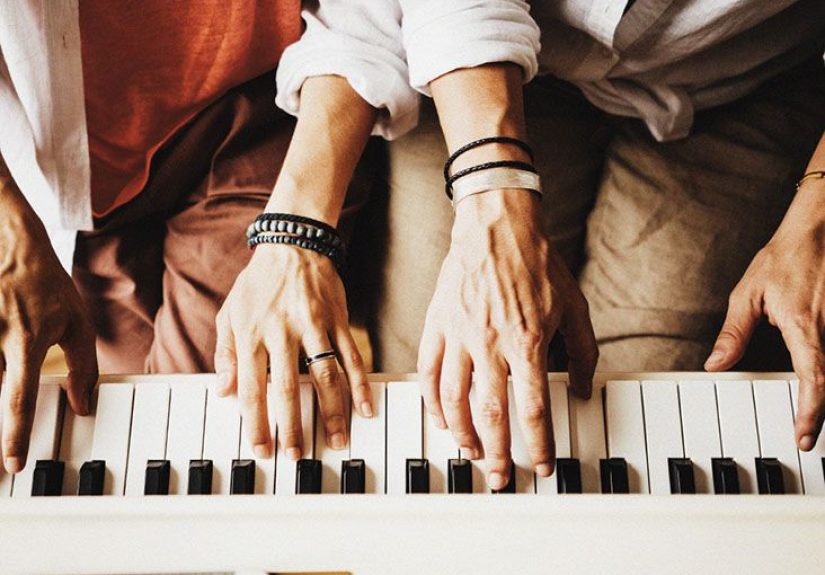
Let’s say Maria is a 35‑year‑old who survived a car accident and now has chronic pain plus some panic-related flashbacks. Talk therapy helpedbut sometimes she felt stuck, like she couldn’t find the right word for what she was going through. Her therapist suggested trying music therapy. In those sessions, she and the music therapist improvised on a keyboard, recorded a short tune, and then discussed how the rhythm represented her body’s tension and “revving engine” memories of the accident. Over weeks, she reported she could identify when her body was “revving” and consciously shift into a slower rhythm (that she learned via the keyboard). While this is anecdotal and not guaranteed, it illustrates how creative therapy can add layers of meaning, expression and embodiment that purely talking might miss.
Conclusion
In short: creative therapy offers smart, playful and powerful options for healing. Whether you paint your feelings, move your story, drum your anxiety out or write the rhythm of your heartthere’s a path that might resonate. It may not replace traditional therapy, but it can enrich it, open new doors, and give voice to the unspoken. If you’re curious, reach out to a certified creative arts therapist, explore a session, and see if it lights a spark. Your inner artist (Therapeutic Edition) might just thank you.
Experiences Section:
Personal experiences and deeper reflections on creative therapy
Let me walk you through what it *really* feels like (and why it matters) when you dip your toes into creative therapywarts and all.
First, imagine you’re asked in a session: “Choose colours that represent how you felt this week.” You pick muddy browns, flicks of red, a touch of gold. And then… you sit. The silence of the art studio is different from the chat‑room silence of talk therapy. There’s potential energy in that blank canvas that doesn’t judge. You’re not just describing feelingsyou’re colouring them, embodying them.
After the piece is done, your therapist says: “Tell me what you ended up choosing and why.” For me, that was when realization hit: the smear of red wasn’t anger, it was the rush of adrenaline when my phone rang after the accident. The gold wasn’t optimismit was the fleeting hope I allowed myself once I realised I was okay. The art became a mirror. I didn’t need to *find* the wordsmy painting did part of that for me.
Then there’s music therapy. I’ll confess: I was sceptical. Me, making noise? But when my therapist asked me to pick a percussion instrument and play the “heartbeat” rhythm of how I felt during social anxiety, I realised something weirdly magical: my body remembers rhythms my rational brain forgets. And playing that rhythm with another person (the therapist) created a synchronicitya sense of connection which words alone didn’t give. Over time, I noticed that when anxiety crept in, I unconsciously tapped the rhythm I’d practisedand the tapping calmed me.
In dance/movement therapy, the experience can feel a bit silly at first. But there’s power in awkwardness. One session asked me to “move how your sadness would walk into a room.” So I shuffled in slow motion, shoulders rounded, silent tears. And then I asked the therapist: “Now move how your resilience would walk into that room.” Suddenly I stomped in, arms wide, feet firm. That felt empowering. The contrast between the two movements made the story visible. Others in the group noddedshared resonance. The group format added a layer of “you’re not alone” without saying so.
At one point I wondered: is this just artsy fluff? But the research backs up those vibes. A recent meta‑analysis found that creative arts therapy was associated with improved emotional regulation, better interpersonal relationships and positive body image perception. And the neural science suggests these therapies activate brain regions that traditional talk therapies don’t fully reach.
One big takeaway: creative therapy isn’t “easier” than traditional therapy; it’s just a different lane. You’ll still confront stuff, still feel vulnerable. In fact the medium might make it more visceral. But if you’re willing to engage in non‑verbal expression, the payoff is often new insight. For me, it unlocked parts of my psyche I’d negotiated around for years.
Another reflection: the relationship with the therapist matters. A good creative arts therapist isn’t just “paint with me”they hold space, ask questions, guide reflection. They understand that what you’re making is meaningful. Without that safe container, the experience can feel aimless. The credentialing and training of therapists matter. In the U.S., for example, creative arts therapists are trained professionals with defined standards.
Also: timing matters. If you start creative therapy *after* you’ve done heavy talk therapy, you may find you’re ready to “play” with the parts of yourself you already understand. If you jump in when you’re in crisis and haven’t established stability, you might feel overwhelmed. In my experience, a blended approach works best: some talk, some creative expression. You lean into what feels alive.
Last, here’s a tip: carry the medium into daily life. For me it became a little sketchbook. Whenever I felt a strong emotion I’d doodle for ten minutes. It wasn’t about “beautiful art”it was about externalising and noticing. Over time, I noticed I was more attuned to shifts inside me. That’s the magic: the therapy doesn’t end when you leave the session. It seeps into how you live.
If you’re still reading: good job. You’ve already taken a step. Maybe your next session looks like picking up a brush, a drum, or dancing in your living room. And maybe, just maybe, you’ll discover that creative therapy is less about “treatment” and more about “remembering you’re human.”