Table of Contents >> Show >> Hide
- What Refined Living Really Means in 2026
- The Look: Softer, Warmer, and More Layered
- Personality Over Perfection
- Wellness Is Now Built In
- Organization Is the Secret Luxury
- Refined Hospitality: Entertaining Without the Circus
- How to Create Refined Living Without Blowing the Budget
- Why This Obsession Is Sticking Around
- Experiences That Capture the Feeling of Refined Living
- Conclusion
- SEO Tags
Refined living used to sound like something wrapped in cashmere, perched on a marble countertop, and judging your snack choices from across the room. Not anymore. Today, refined living is less about looking expensive and more about feeling intentional. It is the art of making daily life look polished without becoming precious, stylish without becoming sterile, and elevated without turning your home into a museum where no one is allowed to touch the cushions.
That shift matters because people are tired of copy-and-paste interiors, trend-chasing shopping carts, and spaces that look gorgeous online but feel oddly lifeless in person. The new obsession is a calmer, smarter, more personal version of luxury. Think warm neutrals instead of cold minimalism. Think natural materials instead of shiny nonsense. Think rooms that work hard, breathe easy, welcome friends, and still leave enough visual space for your brain to stop doing acrobatics at 10 p.m.
In other words, refined living is not about having more. It is about choosing better. Better textures. Better routines. Better storage. Better lighting. Better conversations around the table. Better reasons to stay home on a Friday night and say, “Actually, this is fabulous.”
What Refined Living Really Means in 2026
At its core, refined living is elevated everyday living. It is a lifestyle philosophy built on curation, comfort, and restraint. Not deprivation. Restraint. There is a difference. Deprivation says, “You may not own decorative pillows.” Restraint says, “Maybe you do not need seventeen decorative pillows that collapse the second a guest makes eye contact with the sofa.”
The refined home is edited, but not empty. It has personality, but not chaos. It values craftsmanship over clutter and comfort over performance. That means the modern version of luxury does not scream with glossy surfaces and matching furniture sets. It whispers through tactile finishes, collected objects, timeless silhouettes, and spaces designed for real use.
This is why so many homeowners and designers are leaning away from showroom sameness. The all-white, ultra-minimal room had a long run, but now people want homes that tell a story. A refined interior feels lived in, not staged. It carries warmth, memory, and a little wit. One antique chair, one hand-thrown vase, one beautifully imperfect wood bench can do more for a room than a truckload of trendy decor with names ending in “-core.”
The Look: Softer, Warmer, and More Layered
If refined living had a visual mood board, it would probably feature warm taupes, soft stone, muted greens, dusty blues, rich woods, linen, leather, ceramic, and a lamp that glows like it knows your secrets. The look is grounded, tactile, and welcoming.
Warm neutrals are still in, but colder minimalism is out
Refined living still loves a neutral palette, but not the icy kind that makes a room feel like it was designed by a tax attorney. Today’s neutrals are softer and more nuanced: off-white, sand, mushroom, camel, oat, clay, and deep earthy browns. These shades create a calm backdrop while leaving room for character. A sage green wall, an oxblood accent, a moody charcoal trim, or a burgundy chair can add depth without hijacking the whole room.
The goal is not blandness. It is atmosphere. Warm color stories make a home feel tailored and grounded. They also play beautifully with natural light, which is helpful because refined living worships good lighting like it is a civilized religion.
Lighting is doing the heavy lifting
One overhead light in the middle of the ceiling is not refined living. That is interrogation-room living. A polished home uses layers of light: ambient light for general glow, task lighting for work and reading, and accent lighting for architecture, art, and mood.
Table lamps on dimmers, picture lights over art, sconces in hallways, warm bulbs in the living room, and a pendant that adds sculptural drama over a dining table all create the kind of atmosphere that feels expensive without needing to mortgage your soul. Great lighting softens edges, flatters textures, and makes the room feel intentional. It is the visual equivalent of very good tailoring.
Natural materials are the new status symbols
Refined living is increasingly defined by what things are made of, not just what they look like. Wood, stone, rattan, linen, wool, leather, ceramic, and grasscloth all bring depth and quiet elegance. They age well, feel grounded, and create a home that looks better the closer you get.
This is also where craftsmanship enters the chat. Handmade pieces, carved details, natural imperfections, visible grain, woven texture, and thoughtful finishes all add a sense of permanence. The refined home is moving away from disposable decor and toward pieces that can survive both trends and accidental coffee spills.
Personality Over Perfection
One of the biggest changes in modern home design is that refined living is no longer about looking anonymous. In fact, the most stylish homes now feel collected rather than copied. They reflect the people who live there instead of the algorithm that sold them a beige boucle bench at 1:14 a.m.
This means vintage is valuable again. Antique wood furniture, framed art with a little history, family heirlooms, handmade pottery, and travel finds are all fair game. A refined room often blends tailored lines with soulful objects. That combination keeps a home from feeling too stiff or too trendy.
You do not need every piece to match. You need them to relate. A vintage chest can sit under modern art. A sleek sofa can share a room with a carved stool from a flea market. A polished dining room can still include inherited silver, mixed candlesticks, or patterned china used on a random Wednesday because life is short and the cabinet should not be the only thing enjoying the nice plates.
Wellness Is Now Built In
Perhaps the strongest thread running through refined living is wellness design. But this is not just about buying an expensive diffuser and calling it a lifestyle. The trend now is invisible wellness: design choices that quietly support better sleep, calmer routines, cleaner air, healthier materials, and everyday restoration.
The bathroom is no longer just a bathroom
Bathrooms are becoming personal retreats. Spa-inspired design is especially popular because it turns a functional room into a recovery space. Think soaking tubs, upgraded lighting, steam showers, natural stone, wood accents, warmer finishes, and storage that keeps counters from looking like a dermatology lab exploded.
Even small bathrooms can embrace refined living. A linen shower curtain, plush towels, a wooden stool, better bulbs, a tray for essentials, and a scent you genuinely enjoy can shift the entire feel of the room. The point is to create a place that supports your daily rituals instead of rushing them.
Bedrooms are becoming sleep sanctuaries
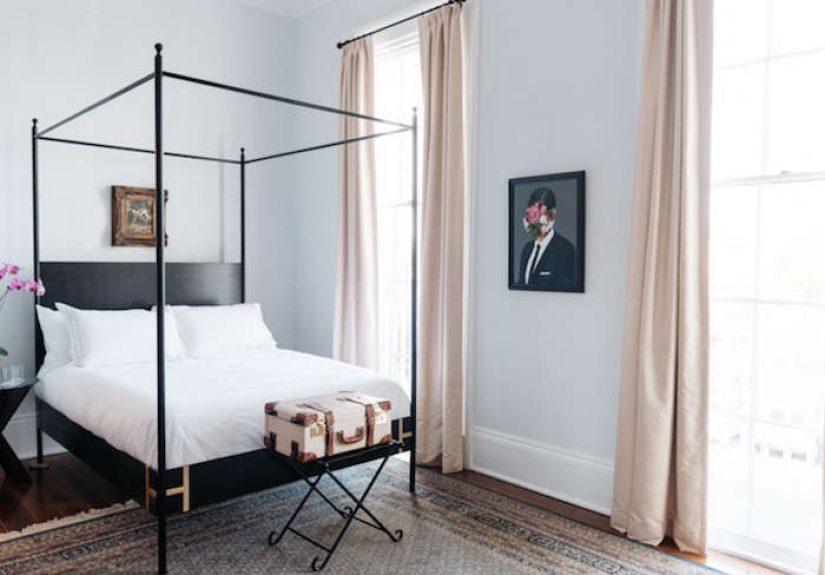
Refined living also shows up in the bedroom through calm layouts, layered bedding, better blackout solutions, softer palettes, and less visual clutter. Bedrooms are being treated as spaces for recovery, not storage units with pillows. That means choosing fewer but better pieces, improving light control, and prioritizing textures that make the room feel quiet before you even get under the covers.
The whole house is getting smarter about health
Across the home, wellness now includes better ventilation, healthier finishes, organized routines, quiet corners for rest, and flexible spaces that support movement, focus, and calm. A meditation nook, a reading chair by a window, a tucked-away workout area, or simply a kitchen arranged so it is less stressful to cook on a Tuesday all count. Refined living understands that the home should help regulate your life, not just impress your visitors.
Organization Is the Secret Luxury
Let us be honest. Nothing ruins the fantasy of refined living faster than opening a junk drawer that looks like it lost a fight with a stapler. Organization may not be the flashiest part of elevated living, but it is one of the most important.
Calm spaces depend on functional systems. That means drawer dividers, labeled bins, edited shelves, concealed storage, and practical layouts that make daily tasks easier. The kitchen should help you cook, not make you perform archaeological digs for a measuring spoon. The laundry room should support the process, not sabotage your will to live. The entryway should absorb bags, shoes, keys, and coats without staging a visual rebellion.
Refined living is deeply connected to this kind of practical order. It is hard to feel luxurious when your countertops are doing too much. It is much easier when everything has a place and the home supports the rhythm of your life instead of constantly interrupting it.
Refined Hospitality: Entertaining Without the Circus
Another current obsession in refined living is the return of relaxed hosting. People still want beautiful tables, lovely glassware, and memorable gatherings. They just do not want to spend twelve stressed-out hours performing for a roast chicken.
The new ideal is simple, thoughtful hospitality. Comfortable seating. Soft lighting. Good music. A table with character. Maybe linen napkins, maybe inherited china, maybe a very decent cake from the neighborhood bakery that you artfully place on your own platter and suddenly everyone thinks you have your life together.
Refined entertaining is not about theatrical perfection. It is about making guests feel welcome. That often means choosing one or two details to elevate, then letting the rest breathe. A gorgeous floral arrangement, a well-set bar cart, or a beautifully layered table can do the job. No one needs twelve courses and hand-calligraphed place cards unless that genuinely sparks joy for you and not just your social media story.
How to Create Refined Living Without Blowing the Budget
The good news is that refined living does not require private-chef money. It requires discernment. Here are the most effective ways to get the look and feel.
1. Edit first, shop second
Before buying anything new, remove what does not serve the space. Refined rooms are usually improved by subtraction. Declutter surfaces, simplify shelves, and keep only what earns its spot.
2. Upgrade the lighting
If you do one thing, do this. Add lamps. Swap harsh bulbs for warmer ones. Use dimmers where possible. Lighting changes everything.
3. Prioritize texture over quantity
One linen curtain panel, one wool throw, one ceramic lamp, or one solid wood side table can create more elegance than a dozen trendy accessories.
4. Mix old and new
Vintage pieces add character. Contemporary pieces keep things current. The combination feels layered and expensive in the best way.
5. Make everyday rituals prettier
Decant soap. Use the nice mug. Keep fresh towels in the bathroom. Store fruit in a beautiful bowl. Refined living lives in these small decisions.
6. Focus on function
If a room is frustrating to use, it will never feel luxurious. Better flow, better storage, and smarter layouts are often more transformative than a new sofa.
Why This Obsession Is Sticking Around
Some trends burn hot and disappear the moment we collectively realize we never wanted a neon mushroom lamp in the first place. Refined living has more staying power because it responds to how people actually want to live now. They want comfort, but with polish. Simplicity, but with depth. Homes that feel restorative, expressive, and practical all at once.
That makes refined living more than a design trend. It is a correction. A move away from visual noise, fast furniture, and performative luxury. A move toward homes that are warmer, wiser, and genuinely enjoyable to live in. In a noisy world, that is not just stylish. It is survival with better lamps.
Experiences That Capture the Feeling of Refined Living
The easiest way to understand refined living is to notice how it feels in real life. It feels like waking up in a bedroom that is quiet in every sense of the word. The curtains soften the morning light instead of slapping you awake. The bedding is crisp but inviting. There is enough empty space on the nightstand for a book, a glass of water, and your thoughts. Nothing is shouting for attention, which is funny because that is exactly why the room feels memorable.
It feels like walking into a kitchen at 7 a.m. and finding that the counters are clear, the coffee station is ready, and the mug you reach for first is the one you actually love using. Not because it cost a fortune, but because it feels good in your hand and has somehow become part of your daily rhythm. The cutting boards are where they should be. The olive oil is in reach. The fruit bowl is full. You are not wrestling your own house before breakfast, and that, frankly, is its own kind of luxury.
It feels like having friends over and realizing halfway through the evening that no one is trying to impress anyone. The candles are lit. The music is low. The table is beautiful but not uptight. One guest is leaning back in a chair that is actually comfortable, another is reaching for seconds, and nobody is whispering nervously around a “formal” room that feels off-limits. Refined living makes space for ease. It understands that elegance is more convincing when people can laugh in it.
It feels like opening a closet and knowing where things are. Not because the closet is the size of a studio apartment, but because it has been edited with some respect for reality. Shoes are visible. Sweaters are folded. You are not rediscovering three identical black T-shirts you panic-bought during different personality phases. A refined life is full of tiny moments like this, where friction disappears and your day becomes just a little smoother.
It feels like noticing the materials around you. The cool touch of stone. The grain of wood. The weight of a ceramic bowl. The softness of linen napkins on a weeknight dinner table. These details do not demand applause, but they quietly improve the experience of being home. They remind you that beauty does not always need a spotlight. Sometimes it just needs good placement and decent lighting.
Most of all, refined living feels personal. It is the framed photo that makes you smile every time you pass it. The antique lamp that belonged to your grandmother. The chair you found secondhand and had reupholstered in fabric that makes no practical sense except that you absolutely love it. These things create a home with a pulse. They keep it from becoming generic, even when the palette is calm and the styling is restrained.
That is why this obsession resonates so deeply right now. People are not chasing perfection anymore. They are chasing peace, beauty, usefulness, and a little pleasure in the routines that fill ordinary days. Refined living is not about pretending life is always polished. It is about creating an environment that supports you when life is messy, busy, funny, tiring, and wonderfully real. That may be the most sophisticated thing of all.
Conclusion
Current obsessions in refined living are not random cravings for prettier sofas and moodier lamps, though to be fair, those are having a very strong year. They reflect a larger desire for homes and habits that feel intentional, restorative, and genuinely livable. The refined life is curated but never cold, elevated but never exhausting, and stylish without becoming a hostage to trends.
If you want to bring this philosophy home, start small. Clear a surface. Add a lamp. Choose better materials. Use what you already love. Let comfort and character lead. The goal is not to manufacture a perfect life. The goal is to make ordinary life feel a little more beautiful, a little more functional, and a lot more yours.