Table of Contents >> Show >> Hide
- What Is “Speed Bump,” Exactly?
- Who Is Dave Coverly (And Why Does He Get Our Weird Little Lives)?
- Why Funny Animal Comics Hit So Hard
- How “Speed Bump” Turns Everyday Life Into Comedy Gold
- 30 “Speed Bump-Style” Comic Moments You’ll Recognize Instantly
- Why These One-Panel Cartoons Feel So Shareable Right Now
- How to Get More Out of “Speed Bump” (Without Overthinking It)
- What Writers and Creators Can Learn From Coverly’s Approach
- Conclusion: A Small Laugh That Fits in One Frame
- Extra: of Everyday Experiences That Feel Like “Speed Bump” Moments
If you’ve ever laughed at something so small and oddly specific that you immediately looked around to make sure nobody saw you do itcongratulations. You’re exactly the kind of human Speed Bump was made for. Dave Coverly’s long-running, single-panel cartoon doesn’t need elaborate story arcs or a cast list longer than a movie credit roll. It shows up, raises one eyebrow, hands you a perfectly timed visual twist, and leaves you with that “Wait… ohhhh” smile you can’t quite explain.
This post is a fresh, spoiler-free tour through the kind of everyday humor and animal chaos that makes Speed Bump so wildly shareable. Instead of reproducing any panels, we’ll break down the comedy DNA: the setups, the visual misdirection, and the animal characters who behave like tiny furry philosophers (with questionable impulse control). Then you’ll get a list of 30 “Speed Bump-style” comic moments you’ll recognize instantlyplus a longer reader-style “experience” section at the end to capture why these cartoons feel like a miniature vacation for your brain.
What Is “Speed Bump,” Exactly?
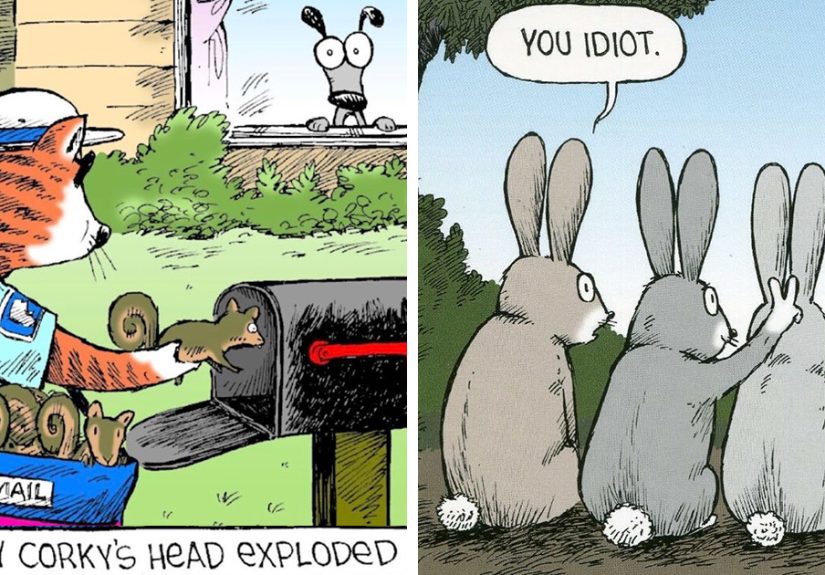
Speed Bump is a single-panel cartoon series created by Dave Coverly and syndicated widely in newspapers and on major comics platforms. The format matters: one panel means every line, every expression, every background detail has to work overtime. There’s no room for filler. The joke has to land cleanlike a cat who didn’t mean to jump on the counter but is now pretending it was always part of the plan.
Coverly has described the spirit of the strip with a line that gets quoted for good reason: “If life were a movie, these would be the outtakes.” That’s the vibe. Not the big, heroic momentmore like the awkward pause, the weird misunderstanding, the unexpected animal reaction, and the tiny social detail that makes you laugh because it’s painfully true.
Who Is Dave Coverly (And Why Does He Get Our Weird Little Lives)?
Dave Coverly is an award-winning cartoonist known for sharp observational humor, a gentle but sly comedic tone, and an ability to make animals feel hilariously “human” without turning them into cheesy mascots. His work has been recognized by the National Cartoonists Society (including major honors), and his cartoons have been collected in multiple book volumes over the years.
Part of Coverly’s appeal is that the jokes don’t require you to know niche lore. You don’t need to keep up with a storyline. You just need to be alive in modern societystanding in line, arguing with your GPS, overthinking a text, and wondering why your pet is staring at you like it pays rent.
Why Funny Animal Comics Hit So Hard
Animals are comedy cheat codes, but the best cartoonists use them with purpose. In Speed Bump, animals often do one of three things:
1) They mirror us (and it’s uncomfortable)
An animal can say or do what humans won’t. It can be blunt, petty, dramatic, or deeply confusedwithout the scene feeling cruel. The animal becomes a safe way to admit what we’re thinking.
2) They expose the absurdity of human rules
Traffic patterns, social etiquette, workplace rituals, modern parenting, restaurant behavioranimals don’t “get” these things, which makes the rules look as strange as they sometimes are.
3) They make the visual punchline stronger
One-panel cartoons live and die by the final reveal. A dog’s expression, a cat’s posture, a bird’s confidence, or a bear’s calmness can deliver the punchline before the caption even finishes its job.
How “Speed Bump” Turns Everyday Life Into Comedy Gold
Even when a panel is about a talking squirrel (which is already a strong start), the humor tends to come from recognizable human stuff: ego, impatience, social awkwardness, and the constant negotiation between “What I should do” and “What I absolutely did anyway.” Here are a few techniques Speed Bump is known foruseful whether you’re a comedy fan, an aspiring cartoonist, or someone who just enjoys feeling seen.
Visual misdirection
The first glance suggests one story. The second glance reveals the real story. The third glance is you realizing there was a tiny detail in the corner that made the entire thing funnier. (Yes, your brain will request a rewatch.)
Anthropomorphism with restraint
Animals act “human” just enough to make a point, but they still feel like animals. That balance keeps the joke clever instead of corny.
Everyday settings, unexpected logic
The humor lands because the world looks normalan office, a park, a living roomuntil the characters behave according to a weird internal rule that somehow makes perfect sense.
Soft edges, sharp observations
Even when the joke is about human flaws, it usually feels playful rather than mean. The comedy points at the absurdity, not at a specific person’s worst day.
30 “Speed Bump-Style” Comic Moments You’ll Recognize Instantly
Note: These are not reproductions of any published panels. Think of them as a guided tasting menu of the kinds of everyday humor and hilarious animals that fans lovelittle scenes that feel like they could happen in the same universe.
- The Dog Who Thinks It’s HR: A pup silently judges your “business casual” from the couch like it’s about to schedule a “quick chat.”
- The Cat’s Invisible Contract: Your cat acts like you signed a lease agreement with the sunbeamand you’re in violation.
- The Bird With Main-Character Energy: A tiny bird demands respect in a way that suggests it has a podcast.
- The Squirrel Heist Committee: Squirrels plan an acorn operation with the seriousness of a bank robbery movie.
- The Office Printer as a Wild Animal: Everyone approaches the printer cautiously, like it might bite if startled.
- The Bear With Better Boundaries Than You: A bear politely declines nonsense and somehow becomes your role model.
- The “I’m Fine” Household Meeting: A family meeting where everyone is “fine,” and the dog is the only honest attendee.
- The GPS That Sounds Passive-Aggressive: Your navigation app doesn’t yellit just sighs in digital disappointment.
- The Rabbit Who Thinks It’s a Influencer: A rabbit poses dramatically next to a carrot like it’s a lifestyle brand.
- The Fish With Big Opinions: A fish stares through the glass like it’s grading your life choices.
- The “Help” Desk at the Vet: Pets trade notes in the waiting room like they’ve been here before (because they have).
- The Raccoon With a Gourmet Palate: Trash can cuisine gets reviewed like a five-star restaurant.
- The “Neighborhood Watch” Cat: A cat monitors the street like it’s protecting national secrets.
- The Duck Who Doesn’t Respect Personal Space: A duck waddles straight into a human conversation like it owns the place.
- The Penguin Who’s Over Winter: A penguin stares at snow with the emotional fatigue of a Monday morning.
- The Cow’s Existential Moment: A cow has a deep thought at exactly the wrong time, and it’s weirdly relatable.
- The Dog Park Politics: The dogs are friendly; the humans are negotiating alliances like a tiny senate.
- The Cat vs. The Laser Pointer Economy: A cat questions the fairness of chasing light for free labor.
- The Owl With “I Told You So” Eyes: An owl observes human chaos with quiet, ancient judgment.
- The Hamster’s Tiny Midlife Crisis: The wheel becomes a metaphor. The hamster is not okay.
- The “Open Concept” Wildlife Issue: A house’s open layout works greatuntil a raccoon also gets the concept.
- The Pet That Thinks You’re the Pet: Your animal “walks” you to the kitchen and watches you eat, satisfied.
- The Mail Carrier vs. The Guard Dog: A daily rivalry with more drama than a streaming series finale.
- The Bird Feeder’s Customer Service Line: Birds complain about seed quality like they paid for premium.
- The Dog Who Learns One Word Too Well: You say “treat” once. Now your dog is basically a lawyer.
- The Cat That Won’t Make Eye Contact: The cat refuses to acknowledge the embarrassing thing you did. It’s not madjust disappointed.
- The Animal That Understands Your Social Anxiety: A pet witnesses you wave at someone who wasn’t waving at you and quietly offers emotional support.
- The “Nature Documentary” Moment in the Suburbs: Two squirrels duel over a bird feeder while humans pretend it’s normal.
- The Pet’s Interpretation of “Work From Home”: Your laptop becomes a heated nap zone. You become an employee of the cat.
- The Animal That Outsmarts the Rules: A clever pet finds a loophole in your “no dogs on the couch” policyand you can’t even be mad.
Why These One-Panel Cartoons Feel So Shareable Right Now
Single-panel comics are basically engineered for modern attention spans in the best possible way. You get a full story instantly: a setup, a twist, and a visual “button” that lingers. That makes them perfect for:
- Quick mood boosts: A small laugh can reset a whole afternoon.
- Group chats: One panel can spark a thread of “This is literally you” messages.
- Low-effort connection: Sharing a cartoon is an easy way to say, “I thought of you” without writing a novel.
- Universal humor: Pets, awkward moments, and human quirks translate fast.
How to Get More Out of “Speed Bump” (Without Overthinking It)
Do the second glance
Many panels reward a quick re-check. The background detail is often where the joke fully blooms.
Notice the “logic flip”
A lot of the humor comes from one character treating something ridiculous as totally normal. That straight-faced confidence is half the punchline.
Watch for the human truth hiding inside the animal joke
Even when the subject is a talking bear, the joke is usually about us: our habits, our worries, our pride, our denial, our weird little rituals.
What Writers and Creators Can Learn From Coverly’s Approach
You don’t have to be a cartoonist to appreciate the craft. If you write, make videos, create content, or just enjoy clever humor, Speed Bump offers a few evergreen lessons:
- Start with something ordinary (a park, a kitchen, a routine).
- Add one surprising rule (animals have opinions, objects have feelings, humans misunderstand reality).
- Keep the language clean and sharp so the idea is the star.
- Let the audience connect the dots; the “aha” moment is where the laugh lives.
Conclusion: A Small Laugh That Fits in One Frame
Dave Coverly’s Speed Bump has stayed popular because it doesn’t chase huge, complicated jokes. It catches the tiny stuff: the everyday awkwardness, the strange logic of modern life, the way animals seem to understand us better than we understand ourselves. Whether you’re in it for the hilarious animals, the smart visual punchlines, or the “how is this so accurate?” moments, the strip delivers a quick laugh that feels earnedlike finding five dollars in a jacket pocket you forgot you owned.
If you want a daily smile without committing to a 12-season storyline, Speed Bump is the kind of humor that fits neatly into your daylike a speed bump you actually appreciate, because it slows you down long enough to notice the funny.
Extra: of Everyday Experiences That Feel Like “Speed Bump” Moments
You know that feeling when something mildly ridiculous happens and your brain instantly captions it? That’s basically the Speed Bump experience: life hands you a tiny absurdity, and you realize the world is running on vibes, misunderstandings, and animals who have clearly been watching us too closely.
Take the classic “pet as supervisor” situation. You sit down to work, determined to be productive, and your cat strolls across the keyboard like it’s clocking in. Not aggressively. Not loudly. Just calmly, as if your laptop is the most natural cat-warming device ever invented. You move the cat. The cat returns. You move the cat again. The cat looks at you like you’re the one being unreasonable. Suddenly you’re negotiating with a creature who contributes nothing to the electric bill but acts like it owns the entire grid.
Or the dog who becomes a full-time emotional journalist. You laugh at something on your phone, and your dog lifts its head like, “What are we laughing at, and should I also be outraged?” You sigh, and your dog sighs back, matching your tone like a supportive roommate. You stand up to get a snack, and your dog rises toobecause if you’re moving, it might be the beginning of something important. The dog doesn’t know what’s happening, but it’s committed to the plot.
Then there are the public moments that feel like a one-panel cartoon waiting to happen. You wave at someone who isn’t waving at you. You try to recover by turning the wave into a “stretch,” as if you were always planning to stretch your arm directly at a stranger. Meanwhile, a pigeon nearby watches this whole performance with the judgment of an ancient philosopher. The pigeon doesn’t even blink. It’s seen worse. It has opinions.
Modern technology adds its own special flavor of “outtake.” Your GPS tells you to make a turn that absolutely does not exist. You question reality. You question cartography. You question whether your phone is gaslighting you for fun. A squirrel darts across the road and somehow looks more confident than you do. Nature: 1. You: spiritually rerouted.
The funniest part is how these moments are universal. Everyone has been outsmarted by a pet, humbled by an automatic door that refuses to open, or defeated by a printer that suddenly develops a personality. That’s why Speed Bump-style humor feels so comforting: it’s not laughing at youit’s laughing with you, at the strange little theater we’re all improvising in. And sometimes, the animals really do look like the only characters who read the script.