Table of Contents >> Show >> Hide
- What Is Diabetes, Exactly?
- Diabetes Symptoms: What It Can Look Like
- Diabetes Diagnosis: Tests, Numbers, and What They Mean
- Diabetes Treatment: What Actually Works
- Preventing Complications: The “ABCs” and Regular Checkups
- Low Blood Sugar (Hypoglycemia): The Other Side of the Coin
- When to Talk to a Clinician (and What to Ask)
- Conclusion: Diabetes Can Be Managed (Without Becoming Your Full-Time Job)
- Experiences With Diabetes: What It’s Like in Real Life (and What People Wish They’d Known)
“Diabetes” is one of those words that can sound scary, confusing, and weirdly common all at once. Maybe you’ve heard it in your family. Maybe your doctor mentioned “blood sugar.” Maybe you saw someone check a glucose monitor and thought, “Is that a tiny robot that lives on your arm?” (It kind of is.)
In plain English: diabetes is a condition where your body has trouble managing glucose (sugar) in your blood. Glucose is fuel. Insulin is the “key” that helps move that fuel from your bloodstream into your cells. When insulin is missing, not working well, or not enough for your body’s needs, blood sugar risesand that’s where the diabetes story begins.
This guide covers the big three: symptoms, diagnosis, and treatment. You’ll also get practical examples, what to watch for, and how people actually live with it day to daywithout turning your life into a spreadsheet (unless you love spreadsheets, in which case… respect).
What Is Diabetes, Exactly?
Diabetes isn’t one single thingit’s a group of conditions that lead to high blood glucose. The most common types are:
Type 1 diabetes
Type 1 diabetes happens when the body’s immune system attacks the insulin-producing cells in the pancreas. The result: the body makes little to no insulin. Type 1 can show up in kids, teens, or adults, and it typically develops quickly.
Type 2 diabetes
Type 2 diabetes is more common. The body still makes insulin, but it doesn’t use it effectivelythis is called insulin resistance. Over time, the pancreas may not keep up. Type 2 often develops gradually, and many people have it for a while before they notice symptoms.
Prediabetes
Prediabetes means blood sugar is higher than normal but not high enough for a diabetes diagnosis. It’s a flashing yellow lightnot a life sentence. Lifestyle changes (and sometimes medication) can prevent or delay type 2 diabetes.
Gestational diabetes
Gestational diabetes develops during pregnancy (usually in the second or third trimester). It often goes away after delivery, but it increases the risk of type 2 diabetes later for the parentand raises certain risks for the baby if blood sugar isn’t well managed.
Diabetes Symptoms: What It Can Look Like
Symptoms happen because extra glucose in the blood changes how your body handles fluids and energy. But here’s the tricky part: type 2 diabetes can be subtlesome people feel fine until a routine lab test says otherwise.
Common symptoms of high blood sugar (hyperglycemia)
- Frequent urination (especially waking up at night to pee)
- Increased thirst (like your mouth is auditioning to be a desert)
- Increased hunger
- Fatigue (tired even after sleeping)
- Blurry vision
- Unexplained weight loss (more common in type 1)
- Slow-healing cuts and more frequent infections
How symptoms can differ by type
Type 1 tends to show up fastweeks to monthswith more dramatic symptoms. Someone might suddenly lose weight, feel very thirsty, and run to the bathroom constantly.
Type 2 can creep in quietly. A person might just feel “off”: a little more tired, a little more thirsty, maybe getting up to pee more ofteneasy to blame on stress, aging, or that giant iced coffee.
When symptoms mean “don’t wait”
Some diabetes-related problems require urgent medical help. Examples include signs of severe dehydration, confusion, vomiting, or breathing that feels unusually labored. If someone with diabetes (or suspected diabetes) seems seriously unwell, it’s time to seek emergency care.
Diabetes Diagnosis: Tests, Numbers, and What They Mean
Diabetes is diagnosed with blood tests that measure glucose directly or estimate average glucose over time. Your clinician may repeat a test to confirm results, especially if you don’t have symptoms.
The A1C test
A1C reflects your average blood sugar over about the past 2–3 months. It’s popular because you don’t need to fast, and it gives a bigger-picture view.
- Normal: below 5.7%
- Prediabetes: 5.7% to 6.4%
- Diabetes: 6.5% or higher
Real-life example: If your A1C is 6.2%, you’re in the prediabetes range. That’s a strong signal to focus on nutrition, activity, sleep, and weight management (if applicable) to reduce the risk of progression.
Fasting plasma glucose (FPG)
This test measures blood sugar after you haven’t eaten for at least 8 hours (water is usually okay). Typical thresholds:
- Normal: 99 mg/dL or below
- Prediabetes: 100 to 125 mg/dL
- Diabetes: 126 mg/dL or above
Oral glucose tolerance test (OGTT)
OGTT checks your blood sugar before and after you drink a measured glucose drink. The 2-hour value is used for diagnosis.
- Normal: 139 mg/dL or below (2-hour)
- Prediabetes: 140 to 199 mg/dL (2-hour)
- Diabetes: 200 mg/dL or above (2-hour)
Random plasma glucose
If you have classic symptoms of high blood sugar, a random glucose test can help diagnose diabetes without waiting for fasting.
Who should get screened?
Screening recommendations can vary based on age and risk factors (family history, history of gestational diabetes, certain health conditions, weight, and more). In the U.S., routine screening for adults is commonly recommended starting in mid-adulthood, and earlier for those with higher risk. Your clinician can tailor the timing based on your situation.
Diabetes Treatment: What Actually Works
Diabetes treatment is not one-size-fits-all. The goal is to keep blood sugar in a safer range while protecting long-term healthespecially the heart, kidneys, eyes, and nerves.
1) Lifestyle foundations (yes, even if you take medication)
Think of lifestyle as the “operating system” and medications as “apps.” Apps help, but the operating system matters.
- Nutrition: Many people do well focusing on balanced meals, fiber-rich carbs, lean proteins, and healthy fats. You don’t have to ban carbs forever like they’re a villain in a superhero movie. The key is portion, timing, and quality.
- Physical activity: Movement improves insulin sensitivity. A walk after meals can reduce blood sugar spikes for many people.
- Weight management (if needed): Even modest weight loss can improve insulin resistance and reduce risk in prediabetes and type 2 diabetes.
- Sleep and stress: Poor sleep and chronic stress can push glucose higher. This is not “in your head.” Hormones are real and dramatic.
2) Monitoring: know your numbers without becoming your numbers
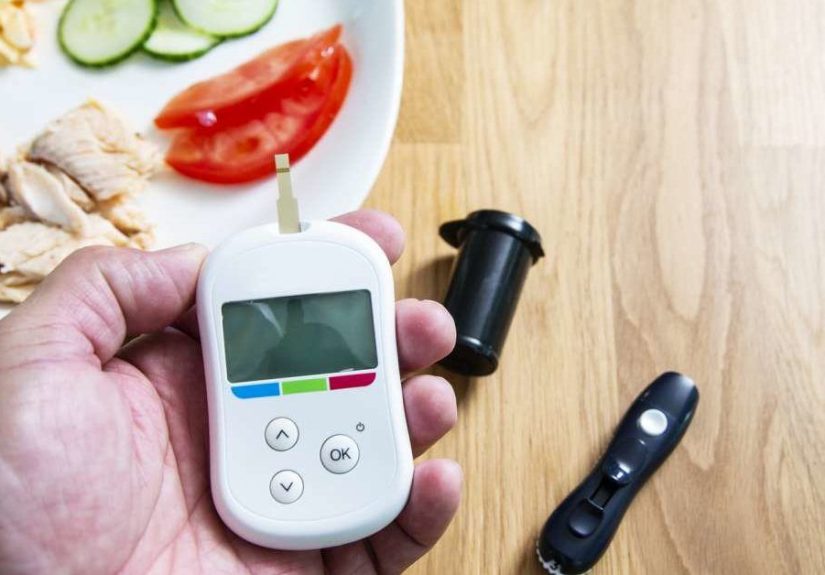
Monitoring may include home finger-stick testing, a continuous glucose monitor (CGM), and regular lab work like A1C. Monitoring helps you learn patternslike whether pasta night needs a strategy, or whether morning stress spikes your glucose even before breakfast.
3) Medications for type 2 diabetes
Medication choices depend on your glucose levels, other health conditions, side effects, cost/coverage, and personal preferences.
- Metformin: Often used early for type 2 diabetes; it lowers glucose production by the liver and improves insulin sensitivity.
- GLP-1 receptor agonists: These can improve glucose control and often support weight loss; some are also used for weight management in certain cases.
- SGLT2 inhibitors: These help the kidneys remove glucose through urine and may offer heart and kidney benefits for some people.
- Other options: There are additional medication classes that may be appropriate depending on the situation.
4) Insulin (essential for type 1; sometimes needed for type 2)
Type 1 diabetes requires insulin because the body isn’t making it. For type 2 diabetes, insulin may be added if other treatments aren’t enough, during illness, or if blood sugars are very high at diagnosis.
Insulin isn’t a “failure.” It’s a tool. If your pancreas isn’t doing the job, store-bought is fine.
5) Diabetes self-management education and support (DSMES)
Education programs (often led by certified diabetes care and education specialists) teach practical skills: meal planning, medication use, monitoring, and problem-solving. This can be a game-changer for confidence and results.
Preventing Complications: The “ABCs” and Regular Checkups
Good diabetes care isn’t only about glucose. Many clinicians emphasize the “ABCs” of diabetes health:
- A: A1C (average glucose over time)
- B: Blood pressure
- C: Cholesterol
- S: Smoking status (not smoking is a major win)
High blood sugar over time can harm blood vessels and nerves, which is why diabetes is linked to complications affecting the heart, brain, kidneys, eyes, and feet. The good news: many complications are preventable or delayable with consistent care.
Helpful “don’t skip” appointments
- Eye exams: to check for diabetic retinopathy and other eye issues
- Kidney checks: urine and blood tests as recommended
- Foot checks: especially if there’s numbness or nerve symptoms
- Dental care: gum health matters more than most people realize
Low Blood Sugar (Hypoglycemia): The Other Side of the Coin
Some diabetes treatmentsespecially insulin and certain medicationscan cause hypoglycemia (low blood sugar). Symptoms can include shakiness, sweating, fast heartbeat, irritability, dizziness, or confusion.
Mild lows are often treated with fast-acting carbohydrates (like glucose tablets or juice) and then rechecking glucose. Severe lows may require emergency help and glucagon (available as injection or nasal spray) if a person can’t safely swallow or treat themselves.
When to Talk to a Clinician (and What to Ask)
If you’re newly diagnosedor worried you might bethese questions help you get clear answers fast:
- What type of diabetes do I have (or am I in prediabetes)?
- What are my targets for A1C and home glucose readings?
- Should I use a CGM?
- Which medication is best for meand why?
- What lifestyle change would give me the biggest benefit right now?
- What complications should I be screened for this year?
Conclusion: Diabetes Can Be Managed (Without Becoming Your Full-Time Job)
Diabetes is seriousbut it’s also manageable. Diagnosis comes from clear blood tests like A1C, fasting glucose, and OGTT. Symptoms can range from obvious (especially in type 1) to sneaky (often in type 2). Treatment usually combines lifestyle changes, monitoring, education, and medicationssometimes insulintailored to the person.
If there’s one takeaway, it’s this: you don’t have to do everything perfectly to get meaningful benefits. Small improvementsmore movement, smarter meals, consistent meds, regular checkupsstack up. Diabetes is a long game, and you’re allowed to learn as you go.
Experiences With Diabetes: What It’s Like in Real Life (and What People Wish They’d Known)
Medical facts are helpful, but real life is where diabetes actually happensat the grocery store, at school or work, at family dinners, and yes, sometimes at 2:00 a.m. when your body decides to be “interesting.” The experiences below are common themes many people describe, written as practical, realistic snapshotsnot as medical advice, but as “here’s what it can feel like.”
1) “I didn’t feel sick… until I looked back and realized I did.”
A lot of people with type 2 diabetes say the diagnosis surprised them because nothing felt dramatic. Then, after learning the symptoms, they connect the dots: the afternoon crashes, the constant thirst, the extra trips to the bathroom, the blurry vision that came and went. It’s not that they ignored their healthit’s that the signs were easy to blame on normal life. The lesson many share: routine checkups and lab work are underrated superheroes.
2) The “numbers” can mess with your mooduntil you learn what they really mean
At first, glucose readings can feel like grades you didn’t study for. People often describe frustration: “Why is it high? I ate ‘healthy’!” Over time, many learn to treat numbers as data, not judgment. Stress, sleep, illness, hormones, and even a tough workout can change glucose. Once someone sees patternslike “white rice spikes me more than beans” or “I run higher on mornings after bad sleep”the numbers start to feel useful instead of personal.
3) Food becomes a strategy, not a punishment
Many people fear they’ll never enjoy food again. In reality, successful diabetes eating often looks like smarter combinations: pairing carbs with protein, fiber, or healthy fat; choosing portions that don’t overwhelm the body; and finding swaps that still feel satisfying. Some people keep favorite foods and adjust the “supporting cast.” Example: pizza night staysmaybe with a big salad, a smaller slice count, and a walk afterward. Nobody wins a gold medal for suffering through dinner.
4) Devices can feel weirdthen they feel normal
Finger sticks, CGMs, insulin pens, pumpsthese tools can feel intimidating at first. People often describe a “gear learning curve,” then relief: fewer surprises, better confidence, and more freedom. A CGM, for example, can show how a specific breakfast behaves in your body (and can end arguments with yourself like “Was it really the cereal?”). For some, the hardest part is not the deviceit’s giving themselves permission to use support tools without guilt.
5) The best progress is usually boring (and that’s a compliment)
In real life, diabetes management often becomes a set of routines: refilling prescriptions on time, scheduling labs, keeping quick sugar nearby if you’re prone to lows, learning what “normal-for-me” looks like. People who do well long-term often describe it as “not dramatic.” That’s the goal. Consistency beats perfection. And if you have a rough week? You reset. Diabetes doesn’t require flawless behaviorit requires a plan and a comeback.