Table of Contents >> Show >> Hide
- What the science actually says about diet and ADHD
- What to eat: a practical ADHD-friendly pattern
- What to avoid or limit: the “don’t poke the bear” list
- Supplements and elimination diets: smart caution, not hype
- ADHD-friendly eating strategies that actually work in real life
- Sample 1-day meal plan (flexible, not fussy)
- When to talk to a professional
- Bottom line
- Experiences related to ADHD diet changes (real-world patterns people report)
ADHD (attention-deficit/hyperactivity disorder) can make everyday tasks feel like juggling flaming to-do lists while riding a scooter. And because ADHD affects attention, impulse control, and energy regulation, it’s totally normal to wonder: Can food help?
Here’s the honest answer: there’s no single “ADHD diet” that cures ADHD. But nutrition can still mattera lot. The right eating pattern can support steadier energy, better sleep, more consistent mood, and fewer “hanger-powered” brain glitches. And for some people, specific ingredients (like certain food dyes) may worsen symptoms.
This guide breaks down what the research and major health organizations generally agree on, plus practical “do-this-today” ideas. No fearmongering. No magic smoothies. Just real-world, brain-friendly eating.
What the science actually says about diet and ADHD
Diet isn’t a replacement for evidence-based treatment
Behavior therapy, skills training, school supports, and (when appropriate) medication are the main evidence-based treatments. Nutrition is better viewed as a symptom-support tool: it can reduce friction in daily life, but it’s not a stand-alone “fix.”
Food can affect the things that affect ADHD
Even when diet doesn’t directly “treat ADHD,” it can influence:
- Blood sugar stability (crashes can look like irritability or restlessness)
- Sleep quality (sleep loss worsens focus and impulse control)
- Iron, zinc, and other nutrients involved in brain function
- Gut comfort (yes, a stressed stomach can distract a stressed brain)
Some dietary strategies show modest benefits for some people
Research on omega-3 fats and elimination approaches is mixed: some studies show small improvements, others show no meaningful change. Translation: these strategies can be worth consideringbut ideally in a structured way, and not with a “throw out your pantry” panic.
What to eat: a practical ADHD-friendly pattern
If you only remember one thing, make it this: aim for a balanced, minimally processed eating patternsimilar to Mediterranean-style or “whole-food” patterns. It’s the nutrition equivalent of putting your brain on a stable Wi-Fi connection instead of random café internet.
1) Protein at breakfast (and at lunch) for steadier focus
Protein can help with satiety and steadier energy. Many clinicians suggest a protein-rich breakfast because mornings set the tone for the dayespecially if medication affects appetite later.
Easy options:
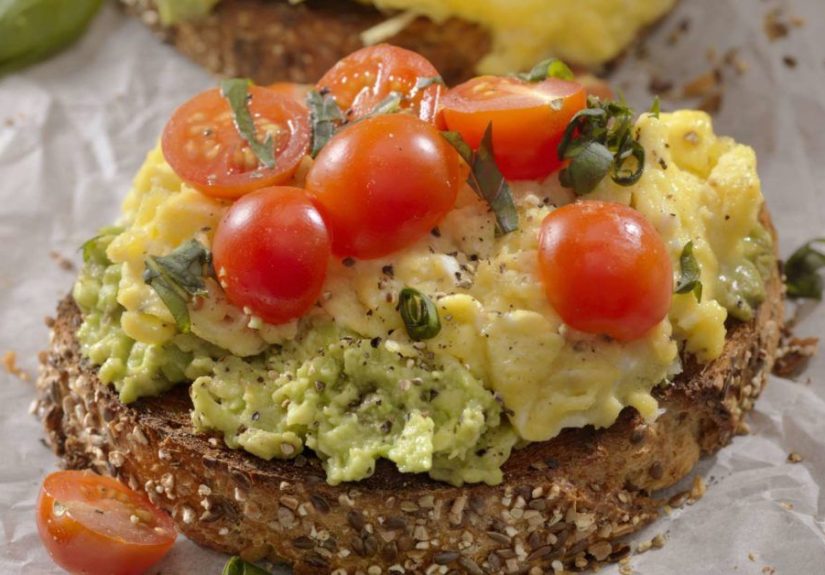
- Eggs + whole-grain toast + fruit
- Greek yogurt + berries + nuts
- Peanut butter on whole-grain bread + banana
- Tofu scramble + avocado + salsa
- Overnight oats with milk/soy milk + chia + walnuts
2) Complex carbs for “slow energy,” not sugar rockets
Carbs aren’t the villain. The goal is choosing carbs that digest more slowly and come with fiber.
- Best bets: oats, brown rice, quinoa, whole-grain pasta, beans, lentils, sweet potatoes
- Fiber helpers: berries, apples, pears, chia, flax, vegetables, beans
3) Omega-3 fats (food first)
Omega-3s (especially EPA and DHA) are important for brain health. Studies on supplements are inconsistent, but eating omega-3-rich foods is widely considered a smart move for overall health.
Food sources:
- Fatty fish 2x/week (salmon, sardines, trout)
- Walnuts, chia seeds, flaxseed (ALA omega-3)
- Omega-3-enriched eggs (optional)
Tip: If fish is a hard sell, try salmon cakes, tuna salad with Greek yogurt, or “sneaky sardines” mashed into tomato sauce (your pasta will never snitch).
4) Iron, zinc, magnesium, and vitamin D: check the basics
Some people with ADHD have low levels of certain nutrients (like iron or zinc). If you suspect deficiencies, the best path is testing and guidance from a cliniciannot random supplement roulette.
Food sources:
- Iron: lean red meat, beans/lentils, spinach, fortified cereals (pair plant iron with vitamin C foods)
- Zinc: meat, pumpkin seeds, dairy, beans
- Magnesium: nuts, seeds, beans, leafy greens, whole grains
- Vitamin D: fatty fish, fortified dairy/plant milks; sunshine and supplements only with medical advice if needed
5) Fruits and vegetables (yes, even if you’re “not a salad person”)
Produce supports fiber intake and micronutrients. If your brain rejects the idea of “a big bowl of leaves,” try lower-effort formats:
- Pre-cut veggies + hummus
- Frozen berries in yogurt
- Microwaved steam-in-bag vegetables with olive oil
- Smoothies (but include protein/fat so it’s not just a sugar drink)
What to avoid or limit: the “don’t poke the bear” list
This section isn’t about perfection. It’s about reducing the stuff most likely to create energy crashes, sleep problems, or symptom flare-ups.
1) Ultra-processed foods as a default diet
Highly processed snacks can be low in fiber and protein and high in refined carbs, salt, and additives. A diet built mostly from ultra-processed foods can make it harder to maintain steady energy and focus.
Realistic swap: Replace one packaged snack per day with something protein + fiber based (nuts + fruit, cheese + crackers, yogurt, edamame, trail mix).
2) Sugary drinks and “naked carbs”
Sugar doesn’t “cause ADHD,” but big sugar hits (especially in drinks) can lead to fast spikes and crashes. For many people, that feels like jitters followed by fog.
Better choices: water, sparkling water, unsweetened tea, milk/soy milk, or diluted juice.
3) Artificial food dyes (especially if you notice a pattern)
Research suggests artificial food colors can worsen behavior in some childrenoften those who may be more sensitive. This doesn’t mean dyes “cause ADHD,” but if you notice a consistent link, it’s reasonable to trial dye reduction for a few weeks.
Where dyes hide: brightly colored candies, some cereals, neon drinks, frosting, certain snack foods.
4) Caffeine (especially for teens) and late-day stimulants
Caffeine can be tricky. Some adults feel it helps focus; others feel more anxious or sleep gets wrecked (and then ADHD symptoms get worse). For teens, energy drinks are a common problem because of high caffeine plus sugar and late-day use.
Rule of thumb: protect sleep like it’s your brain’s charging cable. If caffeine messes with sleep, it’s not “helping focus”it’s borrowing focus from tomorrow.
5) Skipping meals (a.k.a. “accidental fasting because I forgot food exists”)
ADHD can make regular meals hard: you hyperfocus, forget to eat, then suddenly you’re starving and ready to argue with a lamp. Skipping meals can worsen irritability and concentration.
Fix: plan “default” foods you can eat even when you don’t feel like eating (yogurt, smoothies with protein, nuts, a sandwich, a microwavable rice + beans bowl).
Supplements and elimination diets: smart caution, not hype
Omega-3 supplements: possibly modest, not miraculous
Omega-3 supplements show mixed results. Some studies suggest a small benefit, others find little difference. If you’re considering supplements, talk with a clinicianespecially for kids and teensso dosing and safety are handled properly.
Elimination diets (Feingold, “few foods,” gluten/casein): not DIY territory
Restrictive diets can reduce nutrient intake, increase stress, and make social eating harderespecially for kids and teens. Some elimination approaches may help a subset of people, but the safest way to try them is with professional guidance (doctor or dietitian), and with a plan to reintroduce foods and monitor results.
Micronutrients: treat deficiencies, don’t “mega-dose”
If labs show low iron or other nutrients, correcting that deficiency can support overall functioning. But “more is better” is not true with supplements. Over-supplementing can cause side effects or be unsafe.
ADHD-friendly eating strategies that actually work in real life
1) Build meals with the “PFF” formula
PFF = Protein + Fiber + Fat. This combo tends to keep energy steadier.
- Apple + peanut butter (protein/fat) + fiber
- Chicken burrito bowl: chicken + beans + brown rice + salsa + avocado
- Greek yogurt + berries + walnuts
2) Create “autopilot” grocery lists
Decision fatigue is real. Keep a short list of repeatable foods:
- Proteins: eggs, yogurt, chicken, tofu, beans, canned tuna/salmon
- Carbs: oats, whole-grain bread, brown rice, tortillas
- Produce: bananas, berries (frozen), spinach, baby carrots, apples
- Healthy fats: olive oil, nuts, chia/flax
3) Use “visible foods” and “friction hacks”
ADHD brains often eat what they see and what’s easiest.
- Put fruit on the counter, not in a drawer that time forgot.
- Pre-portion snacks (nuts, trail mix, veggies + dip).
- Keep a protein option ready (hard-boiled eggs, rotisserie chicken, tofu cubes).
4) If medication reduces appetite, front-load nutrition
Some ADHD medications lower appetite midday. A common strategy is eating a solid breakfast and planning a nutrient-dense evening meal, plus easy snacks as appetite returns.
Sample 1-day meal plan (flexible, not fussy)
Breakfast
- Scrambled eggs (or tofu scramble)
- Whole-grain toast
- Orange slices or berries
Snack
- Greek yogurt + chia seeds
Lunch
- Turkey or hummus wrap with veggies
- Side: apple or baby carrots
Snack
- Trail mix (nuts + dried fruit) or cheese + whole-grain crackers
Dinner
- Salmon (or beans/lentils) + quinoa/brown rice
- Roasted vegetables or a simple salad with olive oil
Evening option (if hungry)
- Warm milk/soy milk + a banana, or peanut butter toast
When to talk to a professional
Consider getting help from a clinician or registered dietitian if:
- You’re thinking about a restrictive elimination diet
- There’s picky eating that limits major food groups
- Medication is affecting appetite or weight
- You suspect nutrient deficiencies (iron, zinc, vitamin D)
- You want a structured way to track symptoms and dietary changes
Bottom line
The best “ADHD diet” usually looks like a healthy, balanced pattern: regular meals, protein early in the day, plenty of fiber-rich plants, and omega-3 sourceswhile limiting ultra-processed foods, sugary drinks, and (for some) artificial dyes. It’s not about being perfect; it’s about making the next good choice easier than the next chaotic one.
Experiences related to ADHD diet changes (real-world patterns people report)
When people experiment with diet and ADHD, the most common “success story” is not a dramatic movie montage where someone eats a walnut and suddenly files their taxes. It’s usually smallerand more usefulchanges that reduce daily chaos.
Experience #1: “Breakfast changed my whole morning.” Many families and adults report that adding protein at breakfast reduces the late-morning crash. The pattern often looks like this: a sweet breakfast (pastry, sugary cereal, juice) leads to a quick energy spike, then a slumpfollowed by restlessness, irritability, or “I can’t focus” complaints. Switching to eggs, yogurt, or nut butter with whole grains doesn’t feel magical, but it can make the morning less bumpy. People describe it as “more even energy” and fewer urgent snack demands before lunch.
Experience #2: “I didn’t realize thirst and hunger were driving my mood.” A surprisingly common story is that ADHD makes it easy to ignore body cues until they’re loud. People forget to drink water, skip lunch while hyperfocused, then suddenly feel anxious, cranky, or overwhelmed. Once they start using simple supportslike a visible water bottle, phone reminders, or pre-set snack timesthey notice fewer emotional blowups that were actually fueled by low energy and dehydration.
Experience #3: “Food dyes weren’t an issue… until they were.” Some people try reducing artificial dyes and notice nothing. Others notice a repeatable pattern: after brightly colored candy, drinks, or certain packaged snacks, behavior gets more impulsive or sleep becomes harder. The most helpful approach people describe is a short, calm trial (2–3 weeks) while keeping everything else steady. If there’s a change, they keep it. If not, they move onno villain narrative required.
Experience #4: “Meal prep only works if it’s ADHD-proof.” Many people discover that traditional meal prep (two hours on Sunday, twenty identical containers) doesn’t stick. What does stick is “minimum effective prep”: washing fruit, stocking easy proteins, buying frozen vegetables, or making one big flexible base (like rice, quinoa, or chili) that can become multiple meals. The win isn’t culinary perfectionit’s reducing decision fatigue on busy days.
Experience #5: “Medication and appetite created a new puzzle.” Teens and adults taking stimulant medication often report appetite changes, especially midday. The practical experience shared most often: eat a strong breakfast before medication kicks in, keep small nutrient-dense snacks available, and plan dinner as a key nutrition moment when appetite returns. People also mention that forcing big meals when appetite is low can backfire; smaller, frequent options (smoothies with protein, yogurt, nuts, soups) feel more doable.
Experience #6: “I stopped chasing perfect and started chasing consistent.” The biggest mindset shift many people describe is moving from strict rules (“no sugar ever!”) to patterns (“protein + fiber at meals,” “limit soda,” “more whole foods most days”). That shift reduces guilt and increases follow-through. And when follow-through improves, symptoms often feel easier to managebecause the basics (sleep, energy, mood, and hunger) are less chaotic.
In other words: the most helpful ADHD diet experiences tend to be about stabilitystable meals, stable energy, stable routinesso the brain has fewer fires to put out before it can focus on what matters.