Table of Contents >> Show >> Hide
- What “Disease Transmission” Really Means
- Direct Contact Transmission: Germs Take the Express Route
- Indirect Contact Transmission: Germs Use a “Middleman”
- Direct vs. Indirect Contact: A Clear Side-by-Side Comparison
- Why This Gets Confusing: Most Germs Don’t Pick Just One Route
- How to Think Like a Germ (Without Becoming One)
- Prevention Strategies That Actually Match the Route
- Common Myths (and the More Accurate Reality)
- Conclusion: Direct vs. Indirect Isn’t a DebateIt’s a Map
- Real-World Experiences: How Direct vs. Indirect Contact Plays Out (500+ Words)
If germs had a personality, direct contact would be the bold extrovert: handshakes, hugs, high-fivesboom, instant networking.
Indirect contact would be the sneaky introvert: it doesn’t bother you directly, it just leaves a calling card on your phone,
your faucet handle, your gym mat, or that pen everyone “borrowed for one second.”
Understanding the difference between direct contact transmission and indirect contact transmission
isn’t just trivia for science class. It helps you figure out what actually reduces riskwhether you’re dealing with a stomach bug in a household,
a skin infection on a sports team, or a wave of respiratory illness at school or work.
What “Disease Transmission” Really Means
Infectious diseases spread when a germ (like a virus, bacteria, fungus, or parasite) moves from a source to a new person and finds a way in.
Public health often explains this using the “chain of infection”: a germ, a reservoir (where it lives), a way out, a way to travel, a way in,
and a susceptible host. Break one link in the chain, and transmission gets a lot harder.
Contact transmission is one of the most common ways germs move around. It comes in two flavors:
direct (person-to-person) and indirect (person-to-object-to-person).
Real life can be messier than a neat diagram, but the core distinction stays useful.
Direct Contact Transmission: Germs Take the Express Route
Direct contact transmission happens when germs move straight from an infected (or colonized) person to another person
without a “middle object.” Think of it like passing a note hand-to-handno desk, no locker, no group chat involved.
1) Skin-to-skin contact
Some germs spread best through close physical contactespecially those that live on the skin or in superficial layers.
Classic examples include certain skin infections and infestations (like head lice or scabies), which often spread through close contact
in households, childcare, and crowded settings.
2) Contact with mucous membranes and body fluids
Germs also spread when infected fluids reach someone else’s eyes, nose, mouth, or broken skin. This can happen through kissing,
sharing items that touch the mouth, or exposure to blood or other infectious fluids. Sexual contact can be a route for some infections,
but the key idea is simple: germs need a pathway to a vulnerable entry point.
3) Bites and needlesticks
Some transmissions are direct because the germ is introduced through a puncture (like a bite) or a sharps injury.
In healthcare and workplace safety, needlesticks and exposure to blood are treated seriously because direct access to tissue or bloodstream
can raise the chance of infection with certain pathogens.
Direct contact examples you’ve probably seen (or heard about)
- Skin infections that spread through close contact in sports, dorms, or households.
- “Pink eye” (conjunctivitis) spreading when hands move germs from one face to another.
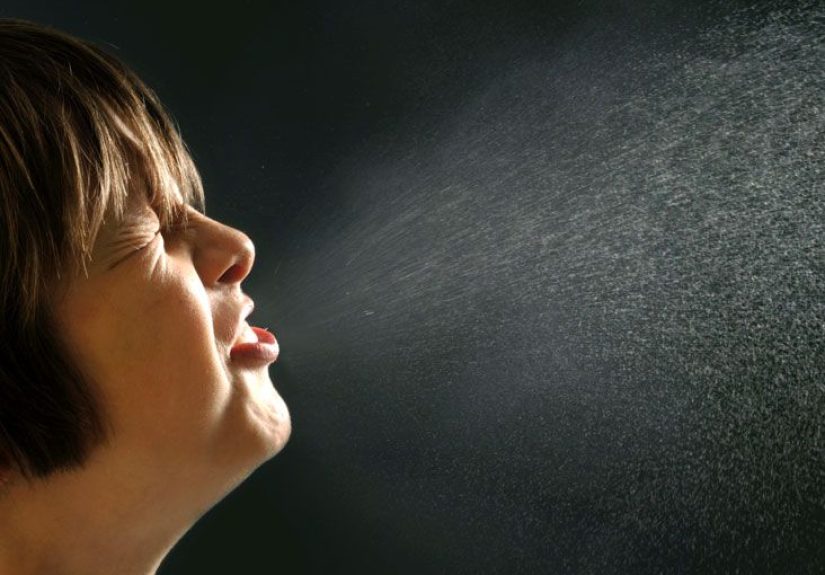
- Some respiratory illnesses when droplets land directly on someone’s eyes, nose, or mouth at close range.
- Bloodborne infections spreading through direct exposure to blood in specific high-risk scenarios.
Indirect Contact Transmission: Germs Use a “Middleman”
Indirect contact transmission happens when germs hitch a ride on something elsean object, a surface, equipment, food, water,
or another “vehicle”and then reach a new person. This is where the word fomite shows up: an inanimate object that can carry germs.
1) Fomite transmission (surfaces and objects)
This is the classic “doorknob to face” storyline. Someone coughs into their hand, touches a phone, and the phone becomes a temporary germ Airbnb.
Another person touches the phone and then rubs their eyes or eats a snacknow the germ has a new address.
Important nuance: surface transmission risk depends on the germ, the amount of germ deposited, how long it survives on that surface,
and whether it makes it from hand to a vulnerable entry point. Some germs are fragile; others are stubborn.
2) Shared equipment and healthcare settings
Indirect contact can be especially relevant when lots of people share equipment (gym machines, keyboards, phones, medical devices),
or when cleaning and hand hygiene aren’t consistent. In healthcare, contact transmissionboth direct and indirectis a major focus because
patients may be more vulnerable and high-touch surfaces are everywhere.
3) Vehicleborne transmission (food, water, and biologic products)
Some frameworks group food and water under indirect transmission because the germ travels through a “vehicle.”
Foodborne illness is a clear example: contamination occurs somewhere along production, preparation, storage, or handling,
and then infection spreads when people consume contaminated food or drink.
Biologic products (like blood) can also act as vehicles in rare but important scenariosthis is why screening, safe handling,
and standard precautions matter.
Indirect contact examples that show up in real life
- Common cold and other respiratory viruses spreading through a mix of close contact, droplets, and contaminated surfaces.
- Stomach bugs spreading when contaminated hands touch shared items (faucets, remotes, phones) or when food is handled while sick.
- School outbreaks where shared supplies and high-touch surfaces help germs circulate.
- Workplace spread through shared breakroom areas, time clocks, tools, and devices.
Direct vs. Indirect Contact: A Clear Side-by-Side Comparison
| Category | Direct Contact Transmission | Indirect Contact Transmission |
|---|---|---|
| How it spreads | Person-to-person transfer with no intermediate object | Person-to-object-to-person (or via food/water/equipment “vehicles”) |
| Common pathways | Skin-to-skin, mucous membranes, body fluids, bites, sharps injuries | Fomites (phones, doorknobs), shared equipment, contaminated food/water |
| Where it thrives | Crowded close-contact settings (households, childcare, sports) | Shared spaces and high-touch environments (schools, gyms, workplaces) |
| Best prevention levers | Hand hygiene, avoiding close contact when sick, protective barriers, covering wounds | Hand hygiene + cleaning/disinfection + not sharing personal items + safe food handling |
| Common misconception | “If I don’t touch people, I’m safe.” | “Surfaces are always the main risk.” |
Why This Gets Confusing: Most Germs Don’t Pick Just One Route
People love asking, “Is it direct or indirect?” Many germs respond, “Yes.”
A respiratory virus might spread through close-range droplets (direct-ish), contaminated hands (direct contact),
and shared surfaces (indirect contact). Some infections spread mainly one way, but plenty use multiple routes depending on the setting.
That’s why infection prevention often stacks strategies: hand hygiene, cleaning, staying home when sick, and targeted precautions in higher-risk spaces.
You don’t need to correctly guess the exact route every timeyou need habits that block several routes at once.
How to Think Like a Germ (Without Becoming One)
When you’re trying to assess risk, focus on three practical questions:
-
What’s the likely “exit” and “entry”?
If a germ leaves through mucus and enters through eyes/nose/mouth, hands become a major player. -
Is there a shared object or surface?
Phones, remotes, faucets, and gym equipment are high-touch “transfer stations.” -
How much close contact is happening?
Crowding, caregiving, contact sports, and childcare increase direct contact opportunities.
This mental model helps you avoid two extremes: (1) ignoring indirect contact completely, or (2) panic-scrubbing your entire home like you’re
preparing for a microscope-themed reality show. (Nobody wins that season.)
Prevention Strategies That Actually Match the Route
Stopping direct contact transmission
- Hand hygiene after contact with bodily fluids, tissues, diapers, or anything “germy.”
- Keep your hands off your face (harder than it sounds, but wildly effective).
- Cover cuts and scrapes so germs have fewer easy entry points.
- Avoid close contact when sickespecially hugging, kissing, and sharing drinks or utensils.
- Use appropriate protective barriers in high-risk settings (healthcare, caregiving, certain jobs).
- Vaccination where recommended, because fewer infections = fewer chances to transmit.
Stopping indirect contact transmission
- Clean high-touch surfaces (phones, handles, faucets, remotes, countertops) more often when someone is sick at home.
- Don’t share personal items like towels, razors, lip balm, water bottles, and makeup.
- Laundry matters: wash items that are visibly soiled and handle them with clean hands afterward.
-
Food safety basics:
wash hands before cooking, avoid preparing food while sick with vomiting/diarrhea, and store foods at safe temperatures. - Be strategic: focus on the “transfer stations” instead of disinfecting every single wall like a medieval castle.
Extra tips for schools, gyms, and workplaces
- Shared devices: wipe down between users or assign individual equipment when feasible.
- Hand access: soap, water, or sanitizer should be easy to find and actually usable.
- Stay-home culture: normalize staying home when sick instead of “heroically” sharing germs.
Common Myths (and the More Accurate Reality)
Myth: “Indirect contact is basically the same as airborne.”
Not quite. Indirect contact is typically about touching contaminated objects or vehicles.
Airborne transmission involves tiny particles suspended in air. They’re different routes, and the best prevention strategies can differ.
(That said, many respiratory illnesses involve multiple routes, which is why layered prevention works.)
Myth: “If something touched a doorknob, I’m doomed.”
A contaminated surface doesn’t automatically mean infection. For transmission to happen, enough germ has to transfer to your hand,
survive, and then reach an entry point. This is why hand hygiene and not touching your face are such powerful everyday defenses.
Myth: “Handwashing is just hygiene theater.”
Hand hygiene is one of the best “multi-route blockers” we have. It disrupts both direct and indirect contact transmission,
especially for infections that spread through hand-to-face contact or contaminated surfaces.
Conclusion: Direct vs. Indirect Isn’t a DebateIt’s a Map
Think of direct contact transmission as germs traveling by handshake, hug, kiss, or direct exposure to infectious fluids.
Think of indirect contact transmission as germs taking a detour through surfaces, objects, shared equipment, or vehicles like food and water.
Many diseases use more than one route, which is exactly why the best prevention plans are layered and realistic.
If you remember just one thing, make it this: focus on the habits that break the chainclean hands, smart surface cleaning,
and staying home when you’re sick. Germs love shortcuts. Don’t provide the transportation.
Real-World Experiences: How Direct vs. Indirect Contact Plays Out (500+ Words)
Let’s take this out of textbook territory and into the places where transmission actually happens: kitchens, classrooms, locker rooms,
breakrooms, and living rooms. These “experiences” are common scenarios people recognizenot dramatic movie plotsbecause most transmission
happens in boring, everyday moments.
1) The household “remote control relay”
Someone in the house catches a stomach bug. They feel rough, camp out on the couch, and the remote becomes their emotional-support device.
If handwashing is rushed (because, frankly, they feel awful), germs can end up on the remote, the couch arm, and the snack bowl.
That’s indirect contact transmission in action: the germ doesn’t need a handshakeit needs a high-touch object and a
second person who later eats chips and forgets to wash their hands first.
The fix is not “sanitize every square inch forever.” It’s targeted: clean the high-touch objects, wash hands after bathroom trips,
and keep food prep in the hands of someone who isn’t actively sick.
2) The “team sport” handshake dilemma
Contact sports are basically a festival of close physical contact. Skin-to-skin contact, shared gear, shared benches,
and sweaty high-fives create opportunities for both routes. A skin infection might spread through direct contact during play,
while the same germ can spread through indirect contact when teammates share towels or reuse uncleaned protective gear.
The real-world lesson: don’t share personal items, keep wounds covered, shower after practice, and clean shared equipment regularly.
No one wants to be “Patient Zero,” and no one wants to be “Patient Thirty-Seven” either.
3) The classroom pencil economy
In many classrooms, pencils and supplies circulate like currency. One student uses a pencil, chews the end (we’ve all seen it),
puts it down, and another student grabs it later. That can turn into a small indirect contact pipelineespecially for germs that spread
easily through hand-to-mouth behavior.
Teachers and schools often manage this by encouraging hand hygiene, reducing shared supplies when illness is going around,
and cleaning high-touch surfaces like desks and shared devices. It’s not about making school sterile; it’s about reducing the easiest paths.
4) The office breakroom “mystery sponge”
The shared kitchen sponge is a legendary objectmostly because nobody knows where it’s been and everyone suspects it has a backstory.
Shared kitchen spaces add indirect contact opportunities: refrigerator handles, microwaves, coffee machine buttons, communal snacks,
and dishware. A person with a respiratory infection can contaminate surfaces with unwashed hands, and others can pick up germs
and transfer them to their face or food.
The practical experience here is boring but effective: wash hands before eating, avoid sharing utensils, and keep cleaning supplies visible
and easy to use. A clean breakroom is not just niceit’s transmission prevention that doesn’t require a single dramatic announcement.
5) Caregiving moments: direct contact is sometimes unavoidable
When you’re caring for a younger sibling, an older adult, or someone who’s sick, direct contact can be part of the job:
helping them move, assisting with hygiene, or handling laundry. In these moments, the goal isn’t to avoid contact entirelyit’s to
make contact safer by using hand hygiene, appropriate protective barriers when needed, and thoughtful cleaning of high-touch areas.
People often find that a few consistent habitswashing hands at the right times, keeping tissues and trash accessible,
and cleaning shared touchpointsdo more than extreme measures that are hard to maintain.
The takeaway from all these everyday experiences is surprisingly hopeful: you don’t need to outsmart every germ.
You just need to stop giving germs the easiest, most convenient routeswhether that route is a direct high-five or an indirect doorknob detour.