Table of Contents >> Show >> Hide
- Why Dip-Dyed Wooden Spoons Are Such a Smart DIY
- What You’ll Need
- How to Choose the Right Wooden Spoons
- Before You Start: The Food-Safe Rule That Matters Most
- Step-by-Step: How to Make Dip-Dyed Wooden Spoons
- Color Ideas That Actually Look Good
- Common Mistakes to Avoid
- How to Care for Dip-Dyed Wooden Spoons
- Gift Ideas and Styling Tips
- The Real Experience of Making Dip-Dyed Wooden Spoons
- Final Thoughts
Note: For the safest everyday use, keep decorative paint on the handle only and leave the spoon bowl, neck, and any area that touches food unpainted.
There are two kinds of kitchen projects in this world: the ones that take all weekend and leave you emotionally attached to a glue gun, and the ones that are fast, cute, useful, and suspiciously satisfying. DIY dip-dyed wooden spoons belong firmly in the second camp. They look charming in a crock on the counter, make inexpensive gifts, and add just enough color to your kitchen to say, “Yes, I have taste,” without forcing you to repaint the cabinets.
Best of all, this is a beginner-friendly craft. You do not need a workshop, an art degree, or a mystical ability to make painter’s tape line up perfectly on the first try. You just need a few unfinished wooden spoons, a handful of supplies, and a healthy respect for one important rule: pretty is great, but kitchen tools still have to be practical.
This guide walks you through how to make dip-dyed wooden spoons that are stylish, giftable, and actually usable. We’ll cover the best materials, food-safe common sense, step-by-step instructions, color ideas, mistakes to avoid, and a longer section on what the experience of making them is really like. Because sometimes the difference between “adorable craft” and “why is there paint on my elbow?” is simply knowing what to expect.
Why Dip-Dyed Wooden Spoons Are Such a Smart DIY
Dip-dyed wooden spoons hit the sweet spot between home decor and practical craft. They’re inexpensive, visually appealing, and useful enough that they won’t end up living in the mysterious drawer where lonely curtain hooks and dead batteries go to retire.
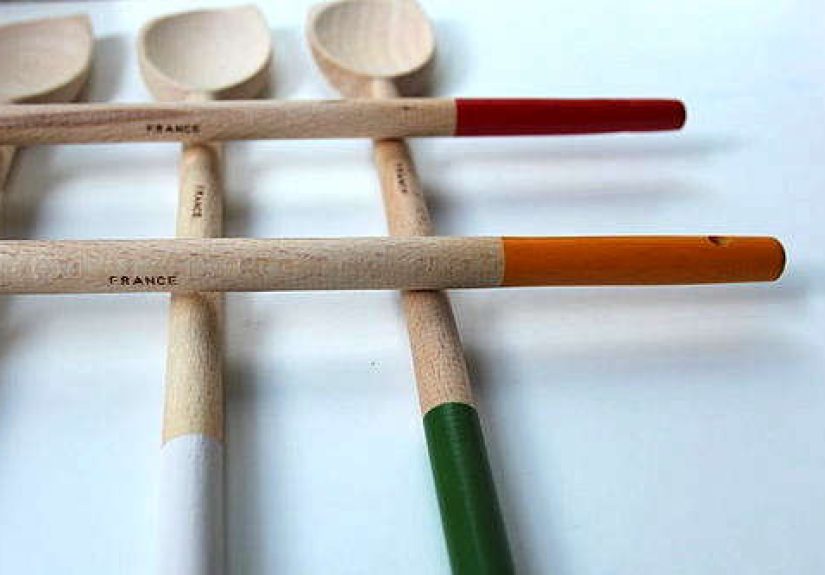
They also work for almost any aesthetic. Want a Scandinavian-style kitchen? Go with pale wood and muted white, sage, or dusty blue. Prefer something cheerful and bold? Try coral, mustard, or cobalt. Like the natural look? A tiny painted tip with most of the wood left exposed is clean, modern, and wonderfully low drama.
And unlike some trendy projects, this one does not require a dozen specialty supplies. A wooden spoon is already a beautiful object. The dip-dyed effect just gives it a little personality, like putting earrings on a very hardworking friend.
What You’ll Need
Basic materials
- Unfinished wooden spoons or a wooden utensil set
- Fine-grit sandpaper, around 220 grit
- Painter’s tape
- Acrylic craft paint for the handle area
- Small jars, cups, or narrow containers for dipping
- Foam brush or small paintbrush
- Paper towels or a lint-free cloth
- Drop cloth, kraft paper, or newspaper to protect your surface
- Food-grade mineral oil for the unpainted wood
Optional extras
- Beeswax-based board cream for extra conditioning
- Ruler for consistent dip height
- Rubber gloves if you prefer not to wear your paint decisions
- Multiple paint colors for an ombré or layered look
- Gift tags and ribbon if you’re making a set for someone else
How to Choose the Right Wooden Spoons
Not every spoon is equally craft-worthy. The best wooden spoons for this project are smooth, sturdy, and unfinished or lightly finished. If the spoon already feels slick, glossy, or sealed, paint may not adhere as neatly without extra prep.
Look for spoons with a comfortable handle and a clean silhouette. A rounded or gently tapered handle creates a classic dip-dyed look, while flatter handles feel a little more modern. If you are buying a set, make sure the spoons are consistent in size if you want them to look coordinated in a utensil crock.
Skip any spoon with cracks, splits, splinters, or rough patches that won’t sand out easily. A spoon that is already damaged is not a great candidate for a makeover. It’s a great candidate for retirement.
Before You Start: The Food-Safe Rule That Matters Most
Let’s keep this simple. The decorative paint should stay on the handle portion only. Do not paint the bowl, the inner curve, the rim, or the area near the bowl that could regularly touch food, batter, sauce, or your heroic pot of Sunday chili.
Why? Because kitchen tools are food-contact items, and that changes the stakes. Decorative craft paint may be perfectly fine for the non-food-contact part of a project, but the surface that actually touches food deserves a more cautious approach. That is why the smartest DIY version of this craft keeps the artistry on the handle and the working end plain wood.
Once the paint is fully cured, you can condition the unpainted portion of the spoon with food-grade mineral oil. That helps keep the wood from drying out and gives the finished project a polished, cared-for appearance.
Step-by-Step: How to Make Dip-Dyed Wooden Spoons
1. Prep your workspace
Cover your table or countertop first. Paint has a special talent for finding the only unprotected inch of surface in the room. Set out your spoons, tape, paint, and drying area before you start. This is a quick project, but it moves more smoothly when everything is within reach.
2. Lightly sand the handles
Use fine-grit sandpaper to lightly smooth the part of the handle you plan to paint. You are not trying to reshape the spoon or sand it into another identity. You just want to remove any roughness and give the surface a slightly better grip for paint.
Wipe away all dust with a dry cloth. If the wood is dusty, the paint line may look uneven or grainy.
3. Decide where the “dip” will stop
One of the keys to a great-looking set is consistency. Decide how far up the handle the color will go. For a subtle look, paint just the last 1 to 2 inches of the handle. For a bolder style, go 3 to 4 inches. If you’re making a mixed set, you can vary the lengths deliberately, but make it look intentional rather than accidental.
Wrap painter’s tape around the handle where you want the paint line to stop. Press the edge down well. Crisp tape lines are the quiet heroes of painted projects.
4. Pour and test your paint
Pour a small amount of paint into a narrow jar or cup. If the paint is extremely thick, a tiny bit of water may help it coat more smoothly, but don’t over-thin it into colored soup. The goal is a creamy consistency that clings to the wood without dripping everywhere.
Test on the back of one spoon first if you’re unsure about the opacity. Some woods absorb paint differently, and one quick test can save you from creating a whole set of “rustic surprises.”
5. Dip or fake the dip
You have two good options here. The first is literal dipping: lower the taped end of the handle into the paint and lift it straight out slowly. The second is the cheat code: use a foam brush to paint the handle up to the tape line for a controlled dip-dyed look.
Both methods work. Literal dipping feels delightfully dramatic. Brushing is often tidier and easier when spoon handles are uneven or the paint container is too shallow. The finished look is similar, so choose the method that causes you the least emotional wear and tear.
6. Let the first coat dry
Lay the spoon flat on protected paper, or prop it so the painted handle does not stick to the surface. Let the first coat dry thoroughly before you decide whether it needs a second pass. Thin coats usually look better than one thick coat, especially on wood grain.
If the coverage looks streaky, add a second thin coat rather than globbing on more paint. This is a kitchen DIY, not frosting a cake.
7. Remove the tape carefully
Once the paint has set enough not to smear, peel the tape off slowly and at an angle. If you yank it off like you are starting a lawn mower, you risk lifting paint or blurring the line. A patient peel gives a cleaner finish.
If you notice a small bleed, don’t panic. Let the paint dry, then lightly sand or touch up the edge with a tiny brush.
8. Cure, then condition
Allow the spoons to dry fully, ideally overnight or according to the paint label. Once cured, rub a small amount of food-grade mineral oil onto the unpainted wood with a soft cloth. This deepens the natural color of the wood and helps the spoon look finished instead of “fresh from a craft emergency.”
Wipe away any excess oil and let the spoons rest before use.
Color Ideas That Actually Look Good
The beauty of a dip-dyed wooden spoon is that the wood itself does half the aesthetic work. You do not need complicated patterns or a rainbow explosion unless you truly want your utensil crock to look like it joined a music festival.
Classic and minimal
- Matte white
- Soft black
- Dusty gray
- Muted sage
Warm and cheerful
- Terracotta
- Coral
- Mustard yellow
- Rust
Cool and modern
- Navy
- Slate blue
- Deep teal
- Olive green
You can also create an ombré effect by making one spoon the lightest color, one the medium tone, and one the darkest. Another easy variation is double-dipping with two colors on the handle, though that works best if you let the first band dry completely before taping and painting the second.
Common Mistakes to Avoid
Painting too close to the spoon bowl
This is the big one. A dramatic, oversized dip may look cute in a photo, but if the painted area reaches food-contact zones, the project becomes a lot less practical.
Using thick coats
Heavy paint tends to pool, drip, and obscure the nice texture of the wood. Two thin coats almost always look cleaner than one chunky one.
Skipping surface prep
Even a quick sanding makes a difference. Paint adheres better, edges look neater, and the final spoon feels more polished.
Soaking or dishwashing after you finish
Your new spoons are still wooden spoons, which means they do not want a long bath or a trip through the dishwasher. Hand wash them gently and dry them promptly.
How to Care for Dip-Dyed Wooden Spoons
Once you’ve made them, treat them like the hard-working little kitchen stars they are.
- Wash by hand with mild soap and warm water.
- Do not soak them.
- Do not put them in the dishwasher.
- Let them dry completely after washing.
- Reapply food-grade mineral oil to the unpainted wood occasionally.
- Replace any spoon that develops cracks, splinters, or a rough, damaged surface.
With good care, a set of decorative wooden spoons can stay attractive for a long time. And because the painted portion is on the handle, everyday use feels much less fussy than you might expect.
Gift Ideas and Styling Tips
DIY dip-dyed wooden spoons make excellent host gifts, housewarming gifts, teacher appreciation gifts, and “I saw this plain kitchen and took it personally” gifts. Tie three spoons together with ribbon, add a linen towel, and suddenly you look wildly thoughtful.
They also style beautifully in the kitchen. Place them in a ceramic crock, a glass jar, or a stoneware pitcher near the stove. Match them to your dish towels, your backsplash, or your coffee setup if you are the kind of person who enjoys color coordination and would like the kitchen to know it.
The Real Experience of Making Dip-Dyed Wooden Spoons
Here’s the part many short tutorials skip: the actual experience of making dip-dyed wooden spoons is half craft project, half tiny domestic makeover, and that is exactly why people love it. It feels productive without being exhausting. You sit down with a few plain wooden utensils that look perfectly fine but a little generic, and an hour later they somehow look boutique. That transformation is weirdly satisfying.
The first thing most people notice is how calm the process feels once the setup is done. There is no complicated measuring, no power tools, and no moment where you suddenly realize you need a specialty attachment from a hardware store 40 minutes away. You sand, tape, paint, dry, repeat. It is simple enough to do on a quiet afternoon, but the result still feels stylish and intentional.
There is also a small thrill in choosing the colors. A spoon is such a humble object that it can carry surprisingly bold color without becoming overwhelming. A bright coral tip on pale wood feels cheerful. A black-dipped handle feels sleek. A row of spoons in soft earthy shades can make a kitchen corner look pulled together even if the rest of the room is currently being held together by coffee and optimism.
Another real experience people have is learning that neatness matters more than artistic talent. You do not need to paint like a professional. What makes these spoons look polished is careful taping, thin coats, and patience during drying time. In other words, success is less about talent and more about resisting the urge to rush. This is mildly annoying but deeply true.
There is usually one spoon in every batch that becomes the “test spoon.” Maybe the paint line is slightly crooked. Maybe you dipped it too far. Maybe you got bold with the color choice and created something best described as “pumpkin latte energy.” Oddly enough, that spoon is useful. It helps you loosen up, adjust your method, and realize the project does not need perfection to look great.
The finished spoons also change how the kitchen feels. That sounds dramatic for utensils, but it is real. Handmade details make a space feel warmer and more personal. When a wooden spoon you decorated yourself is sitting on the counter, the room feels less like a generic cooking zone and more like home. It is a small visual cue that says somebody cared enough to make ordinary things a little more beautiful.
And finally, there is the practical joy of a DIY that does not become clutter. These spoons are not just decorative. You can actually use them, display them, gift them, and enjoy them daily. That makes the experience more rewarding than many crafts that are fun for 20 minutes and then spend the next decade hiding in a closet. Dip-dyed wooden spoons earn their keep. They stir, they serve, they look cute, and they quietly remind you that not every home project has to be expensive or complicated to feel special.
Final Thoughts
DIY dip-dyed wooden spoons are proof that a small project can still make a big visual difference. They’re easy enough for beginners, stylish enough for gifting, and practical enough to justify the tiny mess you’ll make along the way. As long as you keep the decorative finish on the handle, use thin coats, let everything dry properly, and care for the wood with a little common sense, you’ll end up with a set of kitchen tools that look custom without costing custom money.
So yes, go ahead and make the spoons. Your utensil crock has been waiting for its glow-up.