Table of Contents >> Show >> Hide
- Why Bugs Love BBQs (and Why You’re the Main Course)
- The Safety Reality Check (Before We Get Crafty)
- Why Vicks Is in the Bug-Repellent Conversation
- DIY Vicks Bug-Repellent Spray (Two BBQ-Friendly Versions)
- BBQ-Proof Application Tips (So You Don’t Spray a Fireball)
- Make Your DIY Spray Work Better: Stack These BBQ Bug Defenses
- 1) Put a fan on the table like it’s a centerpiece
- 2) Delete standing water (the mosquito nursery)
- 3) Set up seating in the “least buggy” part of the yard
- 4) Use clothing strategy (the underrated hero)
- 5) Keep food and sweet drinks covered
- 6) Time it right
- 7) Use an EPA-registered repellent when you need real protection
- When to Skip DIY and Use Proven Repellents
- Quick FAQ
- Real-World BBQ Experiences & Lessons Learned (About )
- Wrap-Up
Every BBQ has that one guest who shows up uninvited, ignores social cues, and goes straight for the snacks.
Unfortunately, that guest is a mosquito… and you are the snack.
If you’ve ever heard the backyard rumor that “Vicks keeps bugs away,” you’re not alone. The menthol-and-eucalyptus
smell is strong enough to clear a sinus, so it’s tempting to believe it can also clear a patio.
In this guide, we’ll build a DIY Vicks bug-repellent spray you can use as a “BBQ defense layer,”
explain what it can (and can’t) do, and share smarter ways to stack protection so your cookout stays fun instead of itchy.
Why Bugs Love BBQs (and Why You’re the Main Course)
Bugs aren’t attending for your brisket technique. They’re there because a BBQ is basically a buffet of “mosquito GPS signals”:
- Carbon dioxide (CO₂): Every exhale is a flashing “food this way” sign.
- Body heat: Warm skin is easier to locate than a cold soda can.
- Sweat and skin chemistry: Exercise, humidity, and summer heat turn you into a scented candlejust… not the relaxing kind.
- Low wind: Mosquitoes are weak fliers; calm air makes it easier for them to land and linger.
Translation: the minute you start grilling, laughing, and sweating a little, you’re broadcasting your location like a Wi-Fi router with no password.
The Safety Reality Check (Before We Get Crafty)
Let’s be clear and smart: a DIY spray made with Vicks is not an EPA-registered insect repellent.
That matters because EPA registration generally means the product’s effectiveness and safety data were reviewed for the labeled use.
If you’re in an area with a high risk of mosquito- or tick-borne illness, or you’re camping, hiking, or out at dusk in peak season,
your best bet is an EPA-registered repellent with proven active ingredients (commonly including DEET, picaridin,
IR3535, oil of lemon eucalyptus/PMD, and others) plus physical protections like long sleeves and nets.
So where does a DIY Vicks spray fit? Think of it as a comforting, scent-based “bonus layer” for casual backyard hangs
not your only line of defense when the bite pressure is intense.
Why Vicks Is in the Bug-Repellent Conversation
Vicks VapoRub is famous for its “menthol blast” because it contains strong-smelling ingredients like camphor, menthol, and eucalyptus oil,
plus other aromatic oils in a petroleum-based ointment.
People associate those sharp botanical scents with “keep bugs away,” partly because some plant-derived compounds can reduce insect attraction in lab settings.
Here’s the practical takeaway: the scent can help mask some of the human odors insects like, and it may discourage bugs from landing
right where that smell is strongest. But it’s not guaranteed, and it often won’t last as long as a tested repellent.
DIY Vicks Bug-Repellent Spray (Two BBQ-Friendly Versions)
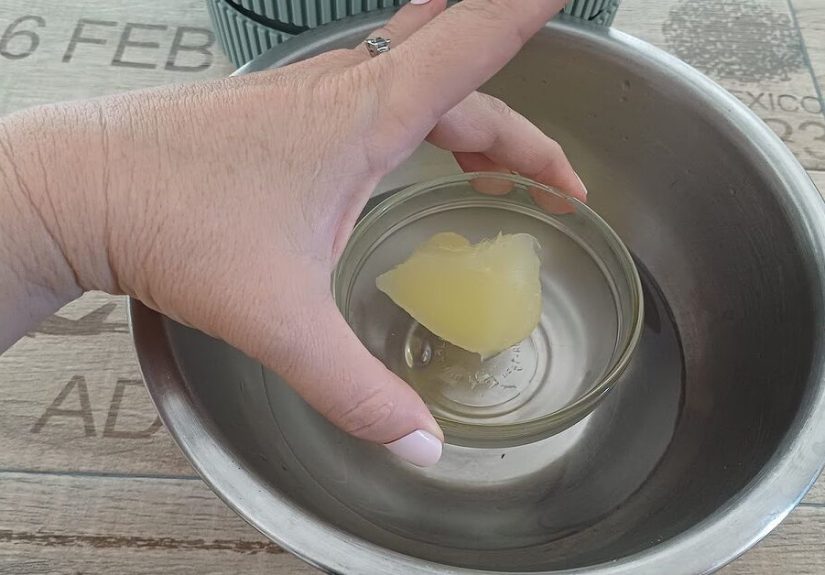
Vicks is an ointment, which means it doesn’t naturally mix with water. To turn it into a spray, you need to create a simple “shake-and-use” emulsion.
These recipes are designed to be easy, inexpensive, and realistic for a backyard setup.
Version 1: The “Patio Perimeter” Vicks Spray (Best for Chairs, Table Legs, Coolers)
This is the version I recommend for a BBQ because it’s meant for surfaces and fabrics, not your skin.
It helps create a lightly scented zone around seating areas.
What you’ll need
- 1 cup room-temperature water (distilled if you have it)
- 1 tablespoon witch hazel (optional, helps it feel less “watery” and can reduce residue)
- 1 teaspoon mild liquid soap (Castile soap works; this helps emulsify the ointment)
- 1/2 teaspoon Vicks VapoRub (start smallmore is not always better)
- Optional: 10–15 drops citronella, lemongrass, or eucalyptus essential oil (skip if you’re sensitive to fragrance)
- Clean spray bottle (8–12 oz works great)
How to make it
- Add the water and witch hazel to the spray bottle.
- Add the liquid soap.
- Spoon in the Vicks (yes, it looks weird at firststay with it).
- If using essential oil, add it now.
- Cap tightly and shake hard for 30–45 seconds. You want the mixture cloudy and mostly uniform.
How to use it
- Shake before each use (it can separatetotally normal).
- Lightly mist chair backs, chair legs, table legs, coolers, and the outside of a tablecloth.
- Do a fabric spot test firstVicks has an oily base that can stain delicate fabrics.
- Reapply every 45–90 minutes, especially if it’s hot, breezy, or you’re wiping surfaces a lot.
Version 2: The “Light Touch” Vicks Outdoor Spray (For Adults & Older Kids, With Caution)
If you want something you can use on clothing or on a small area of skin (like ankles), keep it gentle.
Vicks is not meant to be used like full-body bug spray, and it can irritate sensitive skin.
What you’ll need
- 2 ounces witch hazel (or water)
- 1/4 teaspoon mild liquid soap
- 1/4 teaspoon Vicks VapoRub
- Optional: 5–8 drops citronella or lemongrass essential oil (less is more)
- Small spray bottle (2–3 oz)
How to make it
- Add witch hazel and soap to the bottle.
- Add Vicks, cap, and shake until cloudy.
- Let it sit 5 minutes, then shake again.
How to use it (smartly)
- Patch test first: Spray your forearm, wait 15–20 minutes. If it tingles or gets red, don’t use it on skin.
- Spray clothing (socks, pant cuffs, sleeves) rather than spraying large areas of skin.
- Avoid eyes, mouth, hands, and broken skin.
- Don’t use on children under 2, and be extra careful with anyone who has asthma, fragrance sensitivity, or eczema.
BBQ-Proof Application Tips (So You Don’t Spray a Fireball)
Outdoor bug prevention should not involve surprise pyrotechnics.
Even with DIY mixes, treat any spray like it could be flammableespecially if you ever swap in alcohol for faster drying.
- Spray away from the grill, smoker, candles, and fire pits. Apply, then let things dry before you sit down or light anything.
- Use it like a zone tool, not a perfume. Hit chair legs, table edges, and the perimeternot your face.
- Reapply on a schedule. Plant-based scents fade faster than tested repellents; set a “shake-and-spray” reminder between burger batches.
- Wash off when you’re done. Especially if you sprayed skin or your kid hugged your leg and got some on them.
Make Your DIY Spray Work Better: Stack These BBQ Bug Defenses
The most reliable “mosquito repellent” is rarely one product. It’s a plan.
Here are practical moves that make your Vicks spray more effective because they lower the number of bugs trying to crash the party.
1) Put a fan on the table like it’s a centerpiece
A box fan or oscillating fan aimed at the seating area creates airflow mosquitoes struggle to fly through.
Bonus: it also keeps smoke from marinating your eyeballs.
2) Delete standing water (the mosquito nursery)
Dump water from trays, buckets, toys, planters, and birdbaths. Do it weekly in summer.
If water sits, mosquitoes can multiplyfast.
3) Set up seating in the “least buggy” part of the yard
Mosquitoes rest in shady, humid spotsthink tall grass, dense shrubs, under decks, and near wood piles.
Put the party where it’s open, breezy, and sunny if possible.
4) Use clothing strategy (the underrated hero)
Lightweight long sleeves, socks, and light-colored clothing reduce bite access and help you spot ticks faster.
If you’re hosting, it’s totally acceptable to make “socks encouraged” part of the dress code.
5) Keep food and sweet drinks covered
The Vicks spray is for biting insects. For flies and yellowjackets, coverage and cleanup do more than any scent hack.
Lids, mesh tents, and a quick trash routine are your best friends.
6) Time it right
If your yard turns into Mosquito Coachella at dusk, start earlier.
Brunch BBQ? Bold. Also effective.
7) Use an EPA-registered repellent when you need real protection
If the bugs are intense, use a proven repellent on exposed skin and reserve the Vicks spray for chairs and surfaces.
This “combo approach” is often the best of both worlds: comfort plus tested effectiveness.
When to Skip DIY and Use Proven Repellents
Use a registered repellent (and follow the label) when:
- You’re in an area with tick exposure (tall grass, woods, brush).
- Mosquitoes are biting aggressively even in full sun.
- You’re traveling or spending long hours outdoors.
- You’re protecting kids, pregnant people, or anyone at higher risk from bite-related illness complications.
DIY scent sprays can be a fun hack, but they shouldn’t be the only shield when the stakes are higher than “annoying itch.”
Quick FAQ
Will this actually repel mosquitoes?
It can help some people in some settings, mainly by adding a strong scent that may interfere with attraction.
But results vary, and it’s not as reliable or long-lasting as EPA-registered repellents.
Will it stain my clothes or patio cushions?
It might. Vicks has an oily base. Always do a small test spray on fabrics, especially light colors and delicate materials.
Is it safe for pets?
Don’t use it on pets, and avoid spraying where pets will lick or rub heavily.
Many essential oils and strong fragrances can be irritating (and some can be dangerous) for animalsespecially cats.
Can I make it stronger by adding more Vicks?
Stronger isn’t always better. Too much Vicks can separate, clog the nozzle, leave greasy residue, and increase skin irritation risk.
Start small, test, then adjust slowly.
Real-World BBQ Experiences & Lessons Learned (About )
People who try a DIY Vicks bug-repellent spray usually have the same first moment: they shake the bottle, spray a chair leg,
and think, “Wowthis smells like a cold remedy and a campsite had a baby.” That scent is the point.
In casual backyard situations, the spray often feels like it creates a little comfort bubbleespecially if you’re already using smart setup choices
like fans and keeping the party out of heavy shade.
One common “BBQ win” looks like this: the host sprays chair legs and the underside of the tablecloth, then puts a box fan near the seating area.
The result isn’t a mosquito-free miracle, but it can reduce the constant landing and hovering that drives people nuts.
Guests stop doing the awkward slap dance mid-conversation. Someone finally finishes a sentence. Peace returns to the patio.
Another typical discovery is that placement matters more than volume. Spraying the air like you’re fogging a haunted house tends to disappoint.
Mosquitoes don’t read vibes; they follow cues. A better approach is to treat the “touch points” where bugs aim to landankles, chair legs, table edges,
and the perimeter around where people sit. That’s also why many folks prefer the “patio perimeter” version for fabrics and surfaces:
it’s less irritating than putting anything menthol-heavy directly on skin.
The biggest surprise? Heat and food activity make the scent fade faster than you expect.
Between warm air, people moving around, and the general chaos of serving food, the effect can drop off in under an hour.
Hosts who feel happiest with this hack treat it like a routine: spray before guests arrive, again when the first round of food goes out,
and once more after sunset if the party runs late. It becomes part of the hosting rhythmlike refilling ice or flipping burgers.
There are also predictable “oops moments.” The most common one is over-spraying fabrics and then realizing the seat feels a little oily.
That’s why testing a small spot matters. Another is spraying too close to the grill area (or near citronella candles) and suddenly remembering:
“Right, we’re dealing with a mist… and fire exists.” The safest move is always to apply away from flames and let everything dry before people sit down.
Finally, experienced DIYers often land on the same conclusion: this is a supporting actor, not the star.
The star is your overall bug strategyeliminating standing water, using airflow, choosing where you sit, and pulling out a proven repellent when the bug pressure is real.
When you treat the Vicks spray as a fun extra layer (and not your only shield), it can make your BBQ feel noticeably more comfortable
without turning your backyard into a chemistry experiment or your guests into pin cushions.
Wrap-Up
A DIY Vicks bug-repellent spray can be a surprisingly useful “BBQ helper” when you use it the right way:
lightly, strategically, and as part of a bigger plan that reduces mosquito pressure in the first place.
Keep expectations realistic, prioritize safety (especially around flames and sensitive skin), and don’t hesitate to use an EPA-registered repellent
when you need reliable protection.