Table of Contents >> Show >> Hide
- The Short Answer: Yes, Bleach Can Kill Weeds (and Grass)
- Why Bleach “Works” on Plants
- Why Using Bleach as a Weed Killer Is Usually a Bad Idea
- Will Bleach Kill Grass?
- Will Bleach Kill Weeds Permanently?
- Bleach on Driveway or Patio Weeds: “No Soil, No Problem”… Right?
- Better (and Safer) Alternatives to Bleach for Weed Control
- What If Bleach Accidentally Gets on Your Grass?
- FAQ: Quick Answers People Google at 2:00 a.m.
- Conclusion: Bleach Can Kill Weeds, But It Can Also Kill Your Plans
- Real-World Experiences: What People Learn the Hard Way About Bleach and Weeds
- The Patio Crack Victory That Turned Into Lawn Damage
- The “Spot Treatment” That Became a Spotted Lawn
- The Bleach Smell That Ruined the “Quick Outdoor Job”
- The Perennial Weed That Came Back Like a Movie Sequel
- The Soil “Hangover” Effect
- The “I’ll Never Do That Again” Moment
- A Practical, Experience-Tested Rule
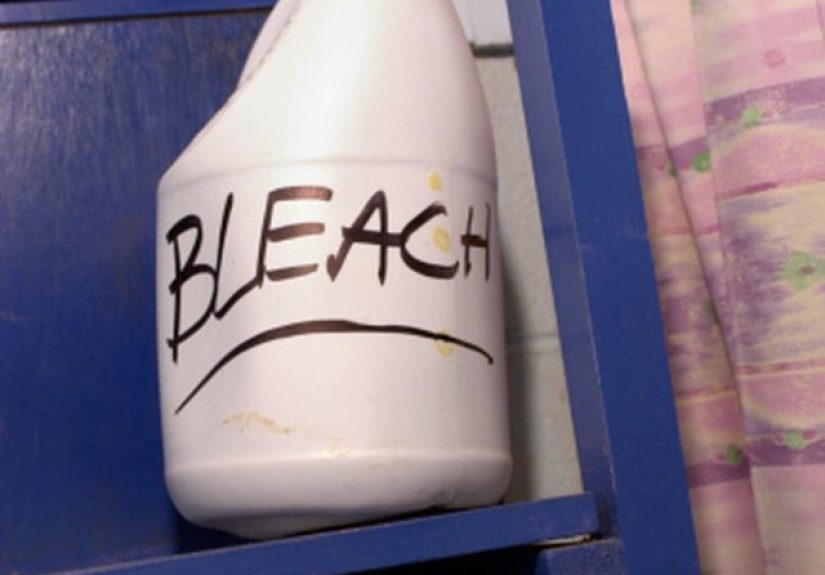
Bleach is one of those “I have it under the sink, so it must solve my outdoor problems” ideas. And yesbleach can absolutely kill weeds.
It can also kill the grass you like, scorch nearby plants you didn’t mean to target, and make your soil throw a tiny tantrum (high pH, salt stress, and
long-lasting “nothing wants to grow here” vibes).
If you’re here because a weed jungle is taking over your patio cracks or your lawn is starting to look like a botanical debate club,
let’s break down what bleach really does, why it’s a risky “weed killer,” and what works better for grass and weeds without turning your yard into a chemistry
experiment.
The Short Answer: Yes, Bleach Can Kill Weeds (and Grass)
Household chlorine bleach (most commonly sodium hypochlorite) is designed to be a strong oxidizer. In plain English: it’s good at breaking
down living cells. That’s why it disinfects surfacesand why it can burn plant tissue on contact.
If bleach reaches leaves and stems, it can damage cell membranes and proteins. The result is usually fast-looking injury: discoloration, wilting, and
“this plant is having a very bad day” symptoms. And because bleach is not selective, it does not care if the plant is a weed, your lawn, your
hydrangea, or the world’s cutest basil.
So: bleach can kill grass and weeds. The bigger question is whether you should use it. (Spoiler: most experts say no.)
Why Bleach “Works” on Plants
1) It’s caustic and reactive
Bleach solutions are alkaline and chemically aggressive. Plant tissues are basically tiny water balloons made of delicate cells. Bleach damages those cells,
which can cause quick “burn” symptoms.
2) It can mess with soil chemistry
When bleach gets into soil, the story gets less “instant results” and more “long-term consequences.” Two big issues often show up:
- Higher pH (alkalinity): Too-high pH can reduce nutrient availability and stress plants.
- Salt/sodium effects: Sodium can contribute to salt stress. Salty soils make it harder for plants to take up waterkind of like trying to drink through a clogged straw.
That’s why bleach misuse can lead to bare patches that don’t bounce back quickly. You didn’t just hit the weedsyou may have changed the growing
conditions.
3) It’s a contact “burn,” not a targeted weed strategy
Many effective herbicides are designed to be either selective (targeting broadleaf weeds but sparing grass) or systemic (moving through the plant to reach
roots). Bleach is generally a contact injury tool: it harms the tissue it touches. Deep-rooted or established perennial weeds may recover
because the “engine” (roots/rhizomes) is still intact.
Why Using Bleach as a Weed Killer Is Usually a Bad Idea
It can damage soil and surrounding plants
The biggest problem with bleach isn’t that it fails to harm weedsit’s that it can harm everything else. It can leave the soil less friendly for future
planting, and runoff can move it where you don’t want it.
Runoff risks are real
Outdoor applications don’t stay neatly in one spot. Rain, irrigation, and slope can move bleach into lawns, garden beds, storm drains, and nearby water.
Chlorine compounds are known to be harmful to aquatic life, which is why dumping reactive chemicals outdoors is a “no thanks” from environmental guidance.
It’s not labeled for weed control (and labels matter)
In the U.S., pesticide and herbicide labels are legal documents. If a product isn’t labeled for weed control, using it that way can be considered misuse.
That’s one reason universities and extension services routinely recommend choosing products intended and tested for weed control instead of DIY chemical
hacks.
It comes with human safety issues
Bleach isn’t just hard on plants. It can irritate or burn skin and eyes, and the fumes can be irritatingespecially in enclosed or low-airflow areas.
And one safety rule deserves its own spotlight:
- Never mix bleach with ammonia, vinegar, acids, or other cleaners. Dangerous gases can form.
Even if your goal is outdoors, people often handle bleach in ways that increase exposure risk. A “quick yard fix” shouldn’t come with a side of chemical
injury.
Will Bleach Kill Grass?
Yes. Grass is a plant, not a superhero. If bleach contacts grass blades or roots (via soil soaking), you can see bleaching (the color kind), browning,
thinning, and dead patches.
How severe the damage looks depends on several factorsconcentration, amount, contact time, and how quickly the area is diluted by water or rain.
But the practical takeaway is simple: bleach does not discriminate. If you “spot treat” weeds in a lawn with bleach, you’re basically
playing a game called Guess Which Plant Dies Next.
Will Bleach Kill Weeds Permanently?
Sometimes it kills the visible top growth quickly. Permanently? Not reliably.
Many weedsespecially perennialsstore energy underground. If the roots or rhizomes survive, the weed can regrow. This is why contact-only approaches
often turn into a frustrating cycle of “dead today, back next week.”
If you’re dealing with tough repeat offenders (bindweed, bermudagrass creeping into beds, nut-sedge-type problems, woody vines, etc.), the best results
usually come from:
- Physical removal (when possible) that gets roots
- Smothering methods (mulch, cardboard-and-mulch layering in beds)
- Targeted, labeled herbicides used correctly (and only when needed)
Bleach on Driveway or Patio Weeds: “No Soil, No Problem”… Right?
It’s tempting to think bleach is safer on hardscapes because you’re not “spraying the garden.” But the outdoor world has this annoying habit called
water movement.
Rain can wash bleach residue into nearby soil or storm drains. If the treated area slopes toward your lawn, flowerbeds, or a street drain, the chemical can
travel. That’s why many gardening and extension sources warn against using bleach outdoors even for crack weeds.
A safer mindset for hardscapes is: remove the weed, reduce the conditions that help it return (debris-filled cracks, open seams), and choose methods meant
for that job.
Better (and Safer) Alternatives to Bleach for Weed Control
The best alternative depends on where the weeds live and what you’re trying to protect (lawn, garden bed, patio, gravel path). Here are options that
generally make more sense than bleach:
For lawns (where you want grass to live)
- Hand pulling for small patchesespecially after rain when soil is softer.
- Healthy turf practices: mowing at the right height, fertilizing appropriately, and overseeding thin areas so weeds have less room.
- Selective broadleaf herbicides (lawn-safe) used according to the label when weeds are widespread and persistent.
- Pre-emergent products (where appropriate) to reduce annual weed germination.
For garden beds
- Mulch (2–3 inches is common in guidance) to block light and suppress new weeds.
- Cardboard + mulch for larger resets, especially around shrubs and non-delicate plantings.
- Targeted weeding tools (stirrups/hoes) for quick maintenance.
For patio/driveway cracks
- Mechanical removal (crevice tools, crack brushes) followed by crack maintenance.
- Weed torch / heat tools can work, but they come with burn/fire riskuse extreme care and follow local rules.
- Labeled non-selective herbicides for hardscapes when needed, used exactly as directed.
If you’re trying to keep things “low-chemical,” focus on prevention: stop weeds from seeding, block light with mulch, and keep surfaces
clean so cracks don’t fill with soil and organic debris.
What If Bleach Accidentally Gets on Your Grass?
Accidents happen. Maybe you spilled laundry bleach walking to the washer, or you cleaned outdoor furniture and splashed some on the lawn. The main goal is
to reduce ongoing exposure and limit spread.
- Safety first: Protect skin and eyes. Ventilate if you’re in a semi-enclosed area.
- Don’t mix chemicals: Avoid combining with other cleaners to “neutralize” itthis can create hazardous reactions.
- Rinse and dilute: If safe and practical, flushing the affected area with plenty of water can help reduce concentration in one spot.
- Watch and wait: Turf may recover if injury is light; severe patches may need reseeding or repair later.
If someone is exposed to bleach in a way that causes symptoms (especially breathing trouble or eye injury), seek medical advice promptly.
FAQ: Quick Answers People Google at 2:00 a.m.
Is bleach a “natural” weed killer?
No. Bleach is a manufactured chemical (typically sodium hypochlorite). “Household product” doesn’t automatically mean “gentle” or “eco-friendly.”
Does bleach kill weeds down to the root?
It can injure roots if enough reaches the root zone, but it’s not a reliable systemic killer. Many established weeds can regrow.
How long does bleach last in soil?
It can break down over time, but soil effects (like altered pH or salt-related stress) may linger depending on how much was used and local conditions.
Is it legal to use bleach as a weed killer?
Products used as pesticides in the U.S. are governed by labeling rules. Using a product in a way that’s inconsistent with its labeling can be considered
misuseanother reason experts recommend choosing labeled weed-control methods instead.
Conclusion: Bleach Can Kill Weeds, But It Can Also Kill Your Plans
So, does bleach kill grass and weeds? Yes. It can scorch plant tissue and create damage that looks like “problem solved.”
But the side effects are the real headline: bleach can disrupt soil conditions, harm nearby plants, and create safety and runoff concernsespecially when
used outdoors in ways it wasn’t designed for. If you want weeds gone and a yard that stays healthy, you’ll get better results using methods meant
for weed control: physical removal, mulch and prevention, and labeled herbicides when appropriate.
In other words: keep bleach doing what it’s good at (laundry and disinfection), and let weed control be handled by tools that won’t accidentally turn your
flowerbed into a science fair project.
Real-World Experiences: What People Learn the Hard Way About Bleach and Weeds
Let’s talk about the “experience gap”the space between what a quick internet tip promises and what actually happens in a real yard with real weather,
real pets, and real consequences.
The Patio Crack Victory That Turned Into Lawn Damage
A common story goes like this: someone spots weeds in driveway cracks, wants a fast fix, and grabs bleach because it’s already in the house. The weeds
look rough within a day or two, so it feels like a win. Then it rains. Water runs off the driveway edge, and a week later there’s a pale, struggling strip
along the border where the lawn meets concrete.
The lesson people take away isn’t “bleach doesn’t work.” It’s “bleach works everywhere I didn’t mean it to.” Outdoor surfaces aren’t sealed systems.
Everything drains somewhere.
The “Spot Treatment” That Became a Spotted Lawn
Another experience: someone tries to aim carefully at weeds in a lawn, thinking a tiny bit won’t matter. But grass blades are dense, and liquids spread.
A small splash hits turf, wicks down, and suddenly the weed-free zone is also grass-free. The yard ends up with little dead constellationslike the lawn is
trying to communicate in Morse code.
Most people who’ve seen this happen come away realizing that lawns need selectivity. If you want grass, you need a method that targets weeds
without nuking everything green.
The Bleach Smell That Ruined the “Quick Outdoor Job”
Some folks report that the worst part wasn’t plant damageit was the fumes. Even outside, bleach odor can feel harsh, especially on still, humid days or in
semi-enclosed spaces (like a fenced side yard). The experience tends to reset priorities fast: “This doesn’t feel like a casual gardening hack.”
That’s usually when people start looking for solutions that don’t come with a warning label energy strong enough to make you reconsider your life choices.
The Perennial Weed That Came Back Like a Movie Sequel
A very relatable experience: the weed “dies,” then returns. This is especially common with established perennials that have deep roots or spreading
underground parts. Bleach may burn the visible growth, but if the plant’s underground reserves survive, it can rebound.
People often describe this as the moment they realized weed control is less about dramatic short-term destruction and more about strategy: remove the root,
block regrowth, or use a labeled systemic approach when appropriate.
The Soil “Hangover” Effect
Some gardeners who used harsh household products in beds describe a frustrating follow-up: replanting fails. Seeds don’t sprout well. New transplants stall.
The bed acts like it’s holding a grudge.
Whether it’s pH disruption, salt stress, or general soil imbalance, the experience reinforces a key idea: the soil is a living system, not just dirt that
politely ignores what we pour on it.
The “I’ll Never Do That Again” Moment
The most consistent experience-based takeaway is surprisingly boring (which is also why it’s wise): prevention beats panic. People who’ve had bleach-related
yard damage often become the biggest fans of low-drama weed controlmulch, proper mowing, pulling before weeds seed, and repairing thin turf so weeds have
fewer openings.
It’s not flashy, but it works. And it keeps your weekend from turning into a lawn-repair miniseries.
A Practical, Experience-Tested Rule
If a product is meant for laundry and bathroom tile, it usually doesn’t belong in your soil. Weed control tools exist for a reason: they’ve been tested,
labeled, and designed for that job. The best “life hack” is using the right tool so you don’t have to hack your way out of the consequences later.