Table of Contents >> Show >> Hide
- Mold 101: Why That Fuzzy Stuff Keeps Coming Back
- So… Does Hydrogen Peroxide Kill Mold?
- Step-by-Step: How to Use Hydrogen Peroxide on Mold
- Is Hydrogen Peroxide Safe?
- Hydrogen Peroxide vs Bleach vs Vinegar vs Commercial Mold Cleaners
- When Hydrogen Peroxide Is Not Enough: Time to Call the Pros
- Prevention: The Real Secret to “Killing” Mold Problems
- Real-Life Experiences: What Actually Works (and What Doesn’t)
- Final Takeaway
Mold is like that one guest who shows up uninvited, eats all your snacks, and refuses to leave.
It creeps into bathrooms, basements, window sills, and anywhere else moisture hangs around.
So it’s totally fair to ask: does hydrogen peroxide actually kill mold, or is it just another overhyped cleaning hack from the internet?
The short answer: yes, hydrogen peroxide can kill mold on many hard or semi-porous surfaces.
The longer answer: it depends on the surface, the size of the problem, and whether you fix the moisture issue that caused the mold in the first place.
Used right, hydrogen peroxide can be a powerful, budget-friendly part of your mold-fighting toolkit. Used wrong, it can give you a false sense of security while mold quietly keeps growing behind the scenes.
Let’s break down when hydrogen peroxide works, when it doesn’t, what to use instead, and how to keep mold from coming back for an encore.
Mold 101: Why That Fuzzy Stuff Keeps Coming Back
Mold is a type of fungus that loves moisture, warmth, organic material (like wood, paper, drywall, or dust), and a little bit of time.
Spores are basically everywhere, just waiting for the right conditions.
Once they find a damp spot, mold starts to grow, digesting whatever it’s sitting on.
Common places mold shows up include:
- Bathroom tiles and caulk
- Window sills with condensation
- Basements and crawl spaces
- Behind furniture against exterior walls
- Areas with past leaks or flooding
Besides being ugly and smelly, mold can trigger or worsen allergy symptoms, asthma, and other respiratory issues in sensitive people.
That’s why experts recommend dealing with it quickly and safely and not just painting over it or pretending it’s “patina.”
So… Does Hydrogen Peroxide Kill Mold?
Hydrogen peroxide (H₂O₂) is an oxidizing agent. At the typical household strength of 3%,
it can help kill bacteria, viruses, and fungi, including many types of mold on surfaces.
When you pour or spray hydrogen peroxide on mold, it bubbles as it breaks down into water and oxygen.
Those bubbles aren’t just for showthey help mechanically disrupt the mold colony while the chemical reaction damages the mold’s cell structures.
However, hydrogen peroxide isn’t magic. Its effectiveness depends heavily on:
- Surface type (non-porous vs porous)
- Contact time (how long you leave it on before wiping)
- How deep the mold has penetrated
- Whether you fix the underlying moisture problem
Where Hydrogen Peroxide Works Best
Hydrogen peroxide shines on hard, non-porous or lightly porous surfaces, such as:
- Ceramic tile and grout
- Glass and mirrors
- Metal fixtures and shower frames
- Sealed countertops
- Some painted or sealed walls
On these surfaces, peroxide can:
- Help kill mold on the surface
- Lighten or remove some mold staining
- Deodorize that musty smell
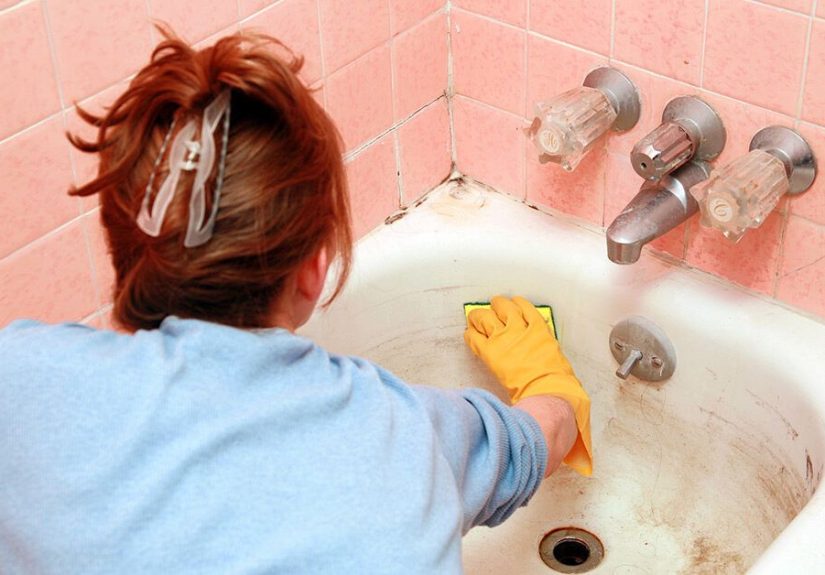
Think of a speckled shower corner, moldy silicone around a tub, or a patch of mold on a bathroom ceiling that’s still solidnot crumbling or sagging.
In these cases, hydrogen peroxide can be a very practical first line of defense.
Where Hydrogen Peroxide Doesn’t Work (Or Barely Does)
Mold is sneaky. On porous materials, it doesn’t just sit on topit sends tiny thread-like structures (hyphae) deep into the material, like roots.
Hydrogen peroxide is not a great solution for:
- Unsealed or water-damaged drywall
- Ceiling tiles
- Carpet and padding
- Insulation
- Unfinished wood that’s deeply damp or rotting
You might wipe the surface mold away with peroxide and feel victorious, but deeper growth can remain in the material.
That means the mold may quietly return once conditions are right again. In many official guidelines,
heavily moldy porous materials are labeled as “remove and replace,” not “spray and pray.”
Step-by-Step: How to Use Hydrogen Peroxide on Mold
If you’re dealing with a small area of mold on a hard or lightly porous surface (often described as less than about 10 square feet),
hydrogen peroxide can be a good DIY option. Here’s a detailed, practical approach.
1. Gear Up for Safety
Even if you’re “just” cleaning the shower, mold and cleaning fumes are not something you want in your lungs or eyes. Use:
- Non-porous gloves (rubber, nitrile)
- Goggles or safety glasses
- A snug-fitting mask or respirator rated for particulates (e.g., N95)
- Old clothes you can wash on hot right after
Open windows or turn on exhaust fans to ventilate the area while you clean.
2. Test an Inconspicuous Spot
Hydrogen peroxide can sometimes lighten or discolor certain materials, especially fabrics or darker paints.
Before spraying it everywhere, test it on a small hidden patch and check for damage after 10–15 minutes.
3. Pre-Clean the Area
Mold loves dirt and soap scum, so you’ll want to remove as much grime as possible first.
- Scrub the area with warm water and a mild detergent.
- Rinse and wipe away loose debris and slime.
- Blot dry lightlydon’t saturate porous surfaces.
4. Apply Hydrogen Peroxide Generously
Use a 3% hydrogen peroxide solution (the standard brown-bottle pharmacy kind):
- Pour it into a spray bottleno diluting needed.
- Spray the moldy area until it’s thoroughly wet.
- Let it sit for 10–15 minutes so it has time to work.
This isn’t a “spray and immediately wipe” situation. Contact time is key for killing mold.
5. Scrub, Wipe, and Dry
- Scrub the area with a brush or non-scratch pad to loosen mold and staining.
- Wipe away residue with disposable towels or rags you can wash on hot.
- If needed, repeat the spray-and-wait process on stubborn spots.
- When you’re done, dry the surface thoroughlyfans help a lot.
Throw away heavily contaminated rags and keep them out of reach of kids and pets until trash day.
Is Hydrogen Peroxide Safe?
Compared with harsh chemicals like chlorine bleach, hydrogen peroxide has a nicer resume:
- It breaks down into water and oxygen.
- It doesn’t usually leave behind strong fumes like bleach.
- It’s widely used as a disinfectant on surfaces in homes and healthcare settings.
But “safer” doesn’t mean “harmless.” Hydrogen peroxide can still:
- Irritate skin and eyes
- Bleach or weaken some fabrics and surfaces
- Cause breathing irritation in poorly ventilated spaces if misted heavily
And one important rule:
don’t mix hydrogen peroxide with other cleaners (especially vinegar, bleach, ammonia, or “mystery” bathroom sprays).
Mixing chemicals can create irritating or even hazardous fumes, and you won’t get any better cleaning performance from doing it.
Hydrogen Peroxide vs Bleach vs Vinegar vs Commercial Mold Cleaners
Mold-removal advice can get confusing fast, especially when one expert says “use bleach,” another says “never use bleach,”
and your neighbor swears by a spray bottle of white vinegar. Let’s compare the main options.
Hydrogen Peroxide
- Best for: Small mold patches on hard or lightly porous surfaces (tile, grout, glass, some paints).
- Pros: Kills many molds, less harsh than bleach, breaks down into water and oxygen, widely available.
- Cons: May discolor some materials, limited penetration into porous surfaces, still needs good ventilation and protective gear.
Bleach
- Best for: Disinfecting hard, non-porous surfaces (like glazed tile or sinks) when used carefully and according to directions.
- Pros: Strong disinfectant, can kill surface mold and lighten stains.
- Cons: Harsh fumes, can irritate lungs and skin, doesn’t penetrate porous materials well,
and some expert guidelines do not recommend routine bleach use for everyday household mold cleanup.
In many cases, soap, water, and elbow grease are preferred for small mold problems at home,
with bleach reserved for specific situations and used with caution.
Vinegar
- Best for: Homeowners who want a low-toxicity cleaner for small mold spots on certain surfaces.
- Pros: Can inhibit mold growth on some materials, widely available, no harsh chemical fumes.
- Cons: Strong smell, not officially endorsed by all agencies, and may not be effective for bigger or deeper mold problems.
Commercial Mold Cleaners
- Best for: Stubborn mold on surfaces that are otherwise salvageable, when you want something specifically labeled for mold.
- Pros: Some are registered as fungicides and designed for mold and mildew removal.
- Cons: Cost more than basic cleaners, may contain harsher chemicals, and still require protective gear and ventilation.
Bottom line: hydrogen peroxide can earn a solid spot in your cleaning caddy as a safer, effective option for small mold jobs,
especially where you don’t want that classic bleach smell drifting through the house.
When Hydrogen Peroxide Is Not Enough: Time to Call the Pros
DIY mold cleanup has limits. Hydrogen peroxide, bleach, or any other home remedy is not a substitute for professional help when:
- The moldy area is large (often described as more than about 10 square feet).
- You see mold in multiple rooms or across whole walls or ceilings.
- The building has had major water damage or flooding.
- There’s a strong moldy odor but you can’t see the source.
- Someone in the home has asthma, severe allergies, or a compromised immune system.
Professionals can evaluate hidden mold, remove contaminated materials safely, set up proper containment,
and use specialized equipment to dry and clean the space without spreading spores through the rest of your home.
Prevention: The Real Secret to “Killing” Mold Problems
You can scrub with hydrogen peroxide until your arms feel like noodles, but if moisture keeps returning,
mold will too. The real long-term strategy is moisture control.
Key prevention steps include:
- Fix leaks fast: Roof leaks, plumbing drips, and window leaks are all mold invitations.
- Control humidity: Keep indoor humidity around 30–50%. Use dehumidifiers in damp basements and bathrooms.
- Vent bathrooms and kitchens: Run exhaust fans during and after showers and cooking.
- Dry spills and wet materials within 24–48 hours: That’s the sweet spot where mold likes to get started.
- Insulate cold surfaces: This can reduce condensation on windows and walls.
- Declutter damp areas: Cardboard boxes, stacks of papers, and fabric piles in basements are mold buffets.
Hydrogen peroxide is great for removing existing mold from many surfaces,
but prevention keeps you from needing to use it every weekend.
Real-Life Experiences: What Actually Works (and What Doesn’t)
Cleaning guides are helpful, but nothing beats seeing how mold control plays out in real homes.
Here are some common “stories” that echo what many homeowners report when they go head-to-head with mold using hydrogen peroxide and other methods.
1. The Bathroom That Kept Growing a “Mold Mustache”
A typical scenario: a family notices recurring mold along the caulk line where the bathtub meets the wall.
They scrub it with regular bathroom cleaner and it goes awayuntil next month, when it returns like a bad sequel.
When they switch to 3% hydrogen peroxide in a spray bottle, things get better. They:
- Scrub off soap scum first.
- Spray peroxide and let it sit for a full 15 minutes.
- Scrub with a small brush and rinse.
- Run the bathroom fan for 20–30 minutes after showers.
The peroxide helps remove staining and reduce mold regrowth on the caulk, but the real game-changer is a combination of better ventilation and consistent drying.
Without that, the mold “mustache” would probably keep coming back, no matter what product they used.
2. The Basement Wall That Looked Fine… Until It Didn’t
Another common story: someone notices a faint musty smell in the basement but doesn’t see much until they finally pull a shelf away from an exterior wall.
Behind it? A large, discolored patch on drywall, with visible mold in several spots.
Spraying hydrogen peroxide on this kind of problem might lighten the surface, but it won’t fix what’s happening inside the wall.
When mold has invaded porous building materialsespecially after chronic dampnessremoval and replacement are usually the only reliable fix.
In real-life cases like this, homeowners often end up:
- Calling a professional to assess the extent of hidden mold.
- Removing moldy drywall, insulation, and sometimes flooring.
- Fixing exterior drainage problems or foundation leaks.
- Installing a dehumidifier to keep basement humidity under control.
Hydrogen peroxide might still play a role in cleaning non-porous surfaces and tools, but it’s no replacement for structural repairs and proper remediation.
3. The Window Sill That Finally Stayed Clean
In homes with older windows, condensation is a frequent guest in colder months.
That moisture collects on sills, and mold shows up like clockwork. Many people start with bleach, only to:
- Deal with strong fumes.
- See mold return within a few weeks.
Switching to hydrogen peroxide can make the routine less harsh:
- They wipe dust and dirt first.
- Spray 3% hydrogen peroxide, let it sit, then scrub and dry.
- Use a towel to quickly dry condensation on cold mornings.
- Add weatherstripping or insulation film to reduce condensation overall.
The combo of gentle but effective cleaning with peroxide plus daily condensation control is what finally keeps the sill clean.
It’s not just the productit’s the habit.
4. The “Everything Cleaner” Trap
It’s tempting to treat hydrogen peroxide as a universal, one-size-fits-all mold killer.
But many frustrated homeowners find out the hard way that:
- Spraying peroxide on deeply moldy carpet doesn’t solve the problem.
- Using it on crumbling drywall just brightens the surface while mold continues inside.
- Relying on peroxide alone after a significant leak or flood can leave hidden moisture and mold behind.
The lesson from these experiences is clear: hydrogen peroxide is a tool, not a miracle cure.
It works best as part of a broader strategy that includes:
- Assessing how big and deep the mold problem really is.
- Removing unsalvageable porous materials when necessary.
- Fixing leaks, improving ventilation, and controlling humidity.
Used wisely, hydrogen peroxide can absolutely help you win smaller battles in the war against mold.
Just don’t expect a small brown bottle to undo years of moisture problems on its own.
Final Takeaway
Hydrogen peroxide does kill mold on many hard and lightly porous surfaces, and it can be a safer, less irritating alternative to bleach for small household mold problems.
It’s affordable, widely available, and effective when you give it enough contact time and combine it with good cleaning and thorough drying.
But its limits matter: it won’t reliably rescue heavily moldy drywall, carpet, insulation, or deep structural issues.
For large infestations or hidden mold, you’ll want professional helpand for lasting results, you must fix leaks, control humidity, and keep moisture in check.
Think of hydrogen peroxide as your handy sidekick in mold cleanup, not the superhero.
The real hero is a dry, well-ventilated home that mold simply can’t stand.