Table of Contents >> Show >> Hide
- Why Timing Matters (A.K.A. The Bulb’s Secret Schedule)
- So… When Is the Best Time to Plant Allium Bulbs in the U.S.?
- Pick the Right Alliums (Because Not All “Alliums” Act the Same)
- How to Plant Allium Bulbs (Step-by-Step, No Guessing)
- 1) Choose a sunny spot with excellent drainage
- 2) Prep the soil like you’re making a nice bed (for a very picky guest)
- 3) Plant at the right depth (deep enough to anchor, not so deep they need a map)
- Depth and spacing cheat sheet
- 4) Pointy side up (and if you can’t tell, plant sideways)
- 5) Water once, then don’t turn the bed into a swimming pool
- 6) Mulch lightly (optional, but helpful in harsh winters)
- Common Allium Bulb Mistakes (And How to Dodge Them)
- Container Planting: The “I Have a Patio but Still Want Glory” Option
- Design Tips: Making Alliums Look Intentional (Not Accidental)
- FAQ: Quick Answers to the Questions Gardeners Google at 11:47 p.m.
- Conclusion: Plant Now, Brag Later
- Real-World Experiences: What Gardeners Learn After Planting Alliums
- SEO Tags
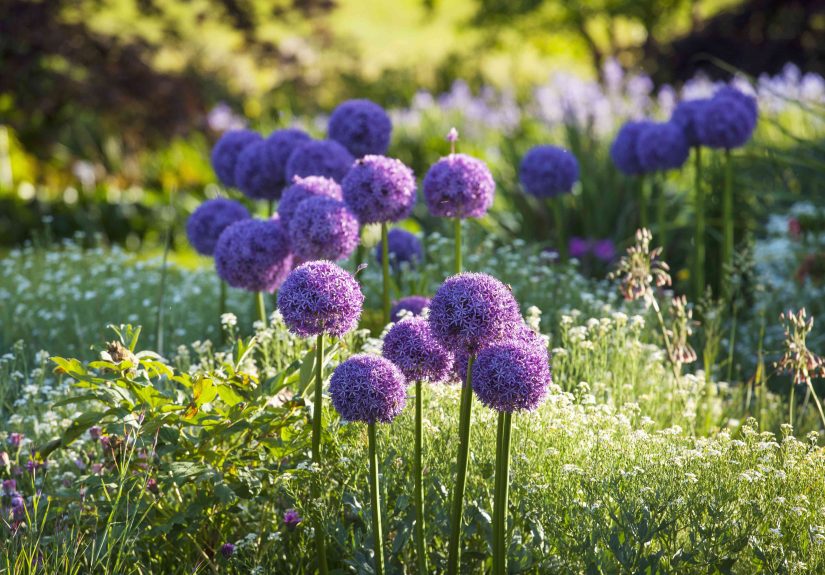
If you’ve ever looked at a spring garden and thought, “Wow, someone really has their life together,” there’s a good chance that person planted bulbs in the fall. And if those blooms looked like purple fireworks on sticks? Yepalliums. They’re the ornamental onions that show up late spring to early summer with globe-shaped flowers, strong stems, and a “don’t mess with me” vibe that even many critters respect.
Here’s the catch: allium bulbs have a prime planting window, and it’s not the kind you can casually ignore until next weekend… and the next… and suddenly it’s January and your shovel is judging you from the garage. This guide will help you nail the timing, pick the right alliums, plant them correctly, and avoid the classic bulb mistakes that turn “future garden glory” into “mysterious empty patch.”
Why Timing Matters (A.K.A. The Bulb’s Secret Schedule)
Alliums need roots before winter hits
Allium bulbs aren’t trying to sprout leafy growth in the fall. Their main job is to build a root system while the soil is still workable. Think of it like setting up Wi-Fi before hosting a partydo the boring setup now so everything works when it matters.
They also need a cold period to bloom well
Most spring-blooming bulbs (including many ornamental alliums) rely on winter chill to trigger normal flowering. Without adequate cold, blooms can be weak, late, or just plain disappointing. In warm climates, that may mean choosing varieties carefully or pre-chilling bulbs before planting.
So… When Is the Best Time to Plant Allium Bulbs in the U.S.?
The short version: plant in fall, after summer heat breaks, before the ground freezes, and ideally when soil has cooled. A lot of gardeners aim for roughly 4–6 weeks before a hard freeze so bulbs can root calmly and confidently.
The long version is better, because the U.S. is basically 50 different gardening realities stacked in a trench coat. Use this zone-based guide as a practical starting point, then adjust for your local weather (and your own schedulebecause life happens).
| USDA Zone | Best Allium Bulb Planting Window | What You’re Watching For |
|---|---|---|
| Zones 3–4 | September to early October | Early cold snaps; soil cools fast |
| Zones 5–6 | Late September through October | Cool nights, but soil still diggable |
| Zone 7 | October through November | Wait for cooler soil; avoid planting too early |
| Zones 8–9 | November through December | Consider pre-chilling for best bloom performance |
| Zone 10+ | December into January (variety-dependent) | Most need chilling; pick heat-friendly options |
Pro timing tip: If your area tends to have warm falls, it can be smarter to plant when the soil cools to around the mid-50s°F instead of planting the second the bulbs arrive in the mail like an overexcited golden retriever.
Pick the Right Alliums (Because Not All “Alliums” Act the Same)
“Allium” is a huge plant group. For this article, we’re talking about ornamental allium bulbs that you plant in fall for spring/early summer bloom.
Popular bulb alliums for big spring drama
- Allium giganteum (giant ornamental onion): tall stems, big purple globesgarden exclamation point.
- Allium hollandicum (‘Purple Sensation’): classic purple spheres; a reliable crowd-pleaser.
- Allium christophii (star of Persia): starry, firework-like flower heads.
- Allium schubertii: looks like a floral explosion frozen midair.
- Allium sphaerocephalon (drumstick allium): smaller, burgundy-purple “egg” blooms; great in drifts.
Important note: Ornamental alliums aren’t grown as food crops. They’re related to edible onions and garlic, but treat these as landscape plantsyour salad deserves better than a mouthful of “I regret everything.”
How to Plant Allium Bulbs (Step-by-Step, No Guessing)
1) Choose a sunny spot with excellent drainage
Alliums generally want full sun (at least 6 hours), and they really, truly, passionately need well-drained soil. If your bed stays soggy after rain, bulbs can rot before they ever get a chance to be fabulous.
2) Prep the soil like you’re making a nice bed (for a very picky guest)
- Loosen soil 8–12 inches deep if you can.
- Mix in compost to improve structure and drainage.
- If you have heavy clay, consider raised beds or amend generously.
3) Plant at the right depth (deep enough to anchor, not so deep they need a map)
A classic bulb rule: plant 2–3 times as deep as the bulb is tall (or wide, depending on the guideline). For many ornamental alliums, that ends up around 4–8 inches deep. Big alliums often go deeper than tiny bulbs.
Depth and spacing cheat sheet
- Large alliums (like giant types): about 6–8 inches deep, 8–12 inches apart.
- Medium alliums: about 4–6 inches deep, 6–8 inches apart.
- Small alliums (like drumsticks): about 3–4 inches deep, 4–6 inches apart.
4) Pointy side up (and if you can’t tell, plant sideways)
The point is usually the growing tip. If a bulb is shaped like a weird little onion pebble, plant it sideways. It’ll figure itself outplants are resilient and also extremely committed to confusing gardeners.
5) Water once, then don’t turn the bed into a swimming pool
Water after planting to settle soil and start rooting. After that, fall rain is often enough. The biggest rookie mistake with bulbs is overwatering, especially in poorly drained soil.
6) Mulch lightly (optional, but helpful in harsh winters)
A couple inches of mulch can help stabilize soil temperature and reduce freeze-thaw heaving. In mild climates, mulch is more about weed control and moisture moderation than insulation.
Common Allium Bulb Mistakes (And How to Dodge Them)
- Planting too early in warm soil: can encourage unwanted top growth. Wait until the soil cools.
- Planting in wet soil “because it’s convenient”: bulbs can rot. Drainage beats convenience every time.
- Planting single bulbs like lonely punctuation marks: alliums look best in groupsthink clusters, drifts, and repeated patterns.
- Too much shade: you may get floppy stems and fewer blooms. Give them sun.
- Shallow planting: taller alliums may topple. Depth helps them stand like they mean it.
Container Planting: The “I Have a Patio but Still Want Glory” Option
Alliums can do well in containers if you get three things right: drainage, depth, and winter protection.
- Use a pot with drainage holes (non-negotiable).
- Use a gritty, well-draining potting mix.
- Plant bulbs with the same depth logicdon’t cram them just under the surface.
- In colder zones, protect pots from repeated freeze-thaw cycles (unheated garage, sheltered spot, or bury the pot in the ground).
Design Tips: Making Alliums Look Intentional (Not Accidental)
Alliums are architecturaltall stems, bold shapes. Use that.
Try these combos
- Alliums + peonies: similar timing, gorgeous contrast (spheres + ruffles).
- Alliums + catmint (Nepeta): soft purple haze below, fireworks above.
- Alliums + ornamental grasses: grasses hide fading bulb foliage later.
- Alliums in a repeated rhythm: plant small clusters every few feet for a designer look.
Foliage reality check: After alliums bloom, their leaves can yellow and look tired. That’s normal. The trick is to plant them among perennials that leaf out later and politely cover up the “post-bloom slump.”
FAQ: Quick Answers to the Questions Gardeners Google at 11:47 p.m.
Can I plant allium bulbs late?
If the soil is still workable and not frozen solid, you can often plant. Results are usually best when bulbs have time to root, but late planting can still workespecially if you mulch and your winter isn’t brutally abrupt.
Do alliums come back every year?
Many ornamental bulb alliums are perennials and can naturalize (slowly multiply) when they’re happysunny site, well-drained soil, and minimal disturbance.
Are alliums deer-resistant?
Often, yes. Their oniony scent and taste can deter browsing. “Deer-resistant” isn’t “deer-proof,” but alliums are typically a smarter bet than tulips if local deer treat your yard like a salad bar.
Conclusion: Plant Now, Brag Later
If you want that late-spring moment when your garden looks like it hired a professional stylist, plant allium bulbs in the fall window. Aim for cool soil, good drainage, proper depth, and group plantings. Do it now, and future-you gets to step outside next spring and casually pretend it was effortless. (We’ll keep your secret. The bulbs won’t. They’re dramatic like that.)
Real-World Experiences: What Gardeners Learn After Planting Alliums
Garden advice sounds simple until real weather, real soil, and real squirrels show up. Here are a few experience-based lessons gardeners commonly share after a season (or five) with ornamental alliumsaka the plants that make you feel like a landscape designer even if you’re still using a trowel you bought in 2014 and refuse to replace out of pure loyalty.
1) The “I planted them early because I was excited” lesson. In warmer fall climates, gardeners often report that planting as soon as bulbs arrive can backfire. The bulbs may push a little top growth before winter, and while they can still survive, it’s not always ideal. People who wait for cooler nights and cooler soil tend to see sturdier spring performance. Translation: patience is a gardening superpower, and online bulb retailers are basically temptation factories.
2) The “drainage is everything” revelation. Many gardeners learn the hard way that bulbs hate soggy feet. In beds with heavy clay, a rainy fall can lead to disappointing gaps in spring. Those who switch to raised beds, slope planting areas slightly, or amend soil heavily with compost and grit often see a dramatic improvement the next year. One common strategy is to plant alliums where water never lingersnear the top of a gentle slope, not the bottom. The bulbs want a nice drink, not an extended stay at the spa.
3) The “grouping makes it look expensive” trick. Gardeners who first plant alliums as single bulbs scattered around the yard often say the result looks randomlike the garden sneezed. The next season, they replant in clusters (3, 5, 7, or bigger drifts), and suddenly the whole bed looks intentional. Even a small number of bulbs can look high-impact when grouped. It’s the same principle as arranging candles: one is “I found this,” three is “I have a vibe.”
4) The “hide the foliage” strategy. Experienced gardeners plan for the post-bloom phase. They’ll tuck alliums behind catmint, daylilies, hardy geraniums, or ornamental grasses so when the allium leaves fade, the next wave of foliage makes it look like nothing awkward happened. This is the gardening equivalent of a smooth social recovery: “Yes, the leaves are yellowing, but look over here at this lush perennial doing great.”
5) The “containers are amazing… if you protect them” note. Patio gardeners often love container alliums because you can position them exactly where you want the drama. The surprise comes in winter: pots can freeze and thaw faster than in-ground soil. Gardeners who move pots to a sheltered location or protect them from temperature swings report better spring success. The bulbs don’t need tropical luxuryjust fewer weather mood swings.
If you take nothing else from these real-world lessons, take this: timing and drainage do most of the heavy lifting. Once those are right, alliums are the kind of plant that rewards you with maximum “wow” for a very reasonable effort. Plant them now, and let spring do the bragging.