Table of Contents >> Show >> Hide
- What’s So Important About January 6?
- “Bad Luck” or Just Old Folklore?
- Christian Traditions Around Decorations and Epiphany
- The Practical Side: Why Waiting Makes Sense
- But What About Safety? (Especially for Real Trees)
- Choosing Your Own “Take Down” Tradition
- How to Make the Most of December 25–January 6
- Real-Life Experiences: Why People Wait Until January 6
- Final Thoughts: Don’t Rush the Glow
Every year, sometime between the last slice of pumpkin pie and the first “New Year, new me” post,
the same debate breaks out: When are you supposed to take down your Christmas tree?
Your neighbor strips theirs on December 26, your aunt insists on New Year’s Day, and your grandma
gives you a mysterious look and whispers, “Not before January 6. It’s bad luck.”
So what’s so special about January 6, and why do so many people treat it as the official end
of the Christmas season? The answer is a cozy mix of Christian tradition, old-world folklore,
and a few very practical modern reasons to leave your tree twinkling just a little longer.
What’s So Important About January 6?
Epiphany and the Twelve Days of Christmas
The big reason January 6 matters is simple: on the Christian calendar, it’s the
Feast of the Epiphany. Epiphany commemorates the visit of the Magithe Three Wise Men
to the baby Jesus. In other words, if Christmas Day celebrates the birth, Epiphany celebrates the
moment the rest of the world starts to catch on.
That famous carol, The Twelve Days of Christmas, isn’t just about increasingly unhinged gift-giving.
It refers to a real season in the Christian year: the Twelve Days of Christmas begin on
December 25 and traditionally run through January 5, with January 6 as Epiphany. In many traditions,
Christmas decorationsincluding the treestay up for this whole period as part of
Christmastide, the official festive season.
In other words, if you toss your tree to the curb on December 26, you’re not “done with Christmas”
you’re ducking out right in the middle of it. Waiting until January 6 means you’re letting the full
season play out the way it was meant to.
Twelfth Night: The Last Big Hurrah
The night before January 6 is often called Twelfth Night. Historically, it was a huge party
in many European culturesa final blast of feasting and fun before everyday life resumed. In some
traditions, Twelfth Night or Epiphany marks the moment when the last of the holiday greenery comes
down and life returns to normal.
That’s why so many people say, “Don’t take down your Christmas tree until January 6.” You’re not just
procrastinating on choresyou’re honoring a rhythm people have followed for centuries.
“Bad Luck” or Just Old Folklore?
You may have heard someone insist that it’s bad luck to take your Christmas decorations down
before January 6. Others swear the opposite: that if you leave them up too long after Twelfth Night,
that’s when the bad luck kicks in. So what’s the deal?
Tree Spirits and Old Superstitions
Old English and European folklore is full of references to “tree spirits” seeking shelter in the
greenery brought indoors during the holidaysevergreen branches, wreaths, and of course, Christmas trees.
People once believed those spirits had to be released back outside after the festive period, or you’d be
in for a rough year in the garden and on the farm.
Over time, that belief morphed into rules like:
- Take decorations down by Twelfth Night or Epiphany so the spirits can go home.
- Don’t leave greenery hanging long after the season, or you risk “bad luck.”
Today, most of us aren’t literally worried about upsetting tree spirits, but the idea still lives on as a
kind of cultural echo. When relatives tell you “It’s unlucky to take it down early,” they’re really passing
down a fragment of folklore that tied the health of the land to the respectful treatment of holiday greenery.
Good Luck, Bad Luck… Or Just Good Timing?
Whether you personally believe in bad luck is up to you. But there is something emotionally satisfying
about letting Christmas run its full course. Leaving your tree up until January 6:
- Gives your home a sense of closure to the season instead of an abrupt stop.
- Creates a firm “end date,” which can actually make it easier to un-decorate.
- Honors traditions that have been around far longer than our modern work schedules.
Think of January 6 as the gentle fade-out of the holidays instead of ripping the bandage off on December 26.
Christian Traditions Around Decorations and Epiphany
Different Christian denominations and cultures have their own timing on when decorations should come down,
but many orbit around January 6 in some way.
Epiphany as the End of the Season
For many Protestants and Anglicans, Epiphany is the clear marker that the Christmas season is over.
Churches often leave their trees, wreaths, and nativity scenes up through Epiphany, then pack everything
away afterward. That pattern has filtered into household traditions: people take down their Christmas tree
on January 6 or the weekend closest to it.
Some Catholics Go Even Longer
In some Catholic households, decorations stay up beyond January 6, sometimes all the way to
February 2the Feast of the Presentation of the Lord (also known as Candlemas). In these traditions,
the extended season underlines the idea that Christmas isn’t just one day; it’s a long, reflective
celebration.
Still, even in these homes, January 6 is acknowledged as the turning pointafter that date, Christmas is
slowly giving way to ordinary time. For many families, that’s when the big tree comes down, even if a few
favorite decorations linger a bit longer.
The Practical Side: Why Waiting Makes Sense
Beyond tradition and superstition, there are plenty of down-to-earth reasons to keep your Christmas
tree up until January 6.
1. You Actually Get to Enjoy Your Decorations
Let’s be honest: December is chaotic. You’re shopping, cooking, traveling, wrapping, answering emails that
really could have waited until January. By the time you sit down, blink, and notice how beautiful your
tree is, someone’s already asking when you’re taking it down.
Leaving your tree up into early January gives you a quieter window of time to actually
enjoy what you worked so hard to put up. The parties are over, the calendar is slower, and those
lights feel less like a performance and more like a comforting backdrop to your everyday life.
2. It Softens the Post-Holiday Letdown
The week between Christmas and early January is emotionally weird. One minute you’re full of cookies and
gratitude; the next, you’re staring down resolutions and credit card bills.
Keeping your Christmas tree up until January 6 acts like a buffer. The house still feels warm, cozy, and
festive, even as work and school schedules creep back in. That soft glow in the living room can be a real
mood booster during dark winter evenings.
3. It Fits Real-Life Schedules
Not everyone has the time or energy to dismantle a fully decorated tree on December 26 or January 1.
Maybe you travel for the holidays, host guests, or simply want to rest. Waiting until January 6 (or the
nearest weekend) often lines up better with normal life.
In many households, “take down the tree” becomes a small family ritualone last holiday activity where
you tell stories about favorite ornaments, carefully wrap fragile pieces, and talk about what you hope
for in the new year.
But What About Safety? (Especially for Real Trees)
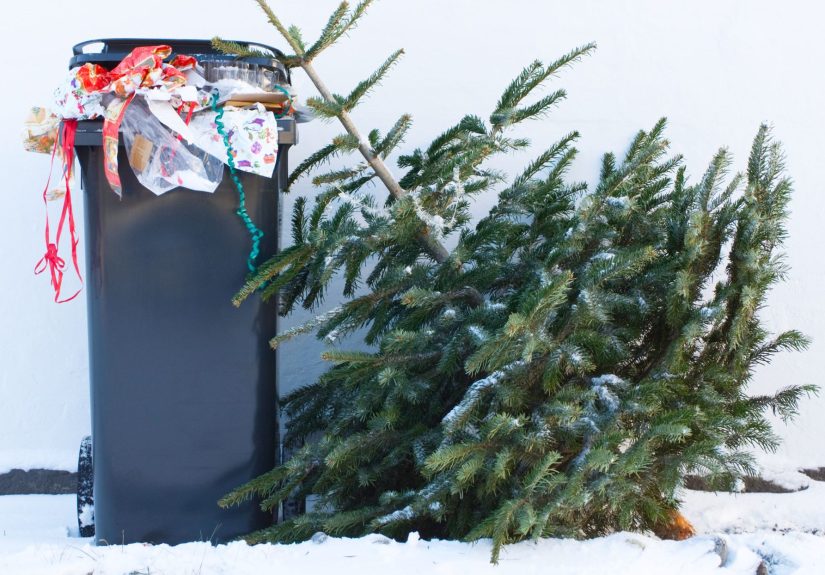
There is one very practical factor you can’t ignore: fire safety. Real Christmas trees are beautiful,
but they don’t stay fresh forever. As they dry out, they become more flammableespecially if they’re
near heat sources, strings of lights, or candles.
Fire safety experts generally recommend:
- Not keeping a real tree up for more than about a month.
- Checking the tree regularlyif needles are brittle or falling off in handfuls, it’s time.
- Turning off lights whenever you’re asleep or away from home.
If you put your real tree up right after Thanksgiving, keeping it until January 6 might be pushing its
lifespan. In that case, you may want to:
- Take the real tree down earlier for safety and keep other decorations (like wreaths or fairy lights) up until January 6.
- Switch to an artificial tree if you love decorating early but still want to follow the January 6 tradition.
Artificial trees don’t dry out the way real ones do, but they still benefit from some basic safety:
avoid overloading outlets, use modern LED lights, and keep cords in good condition.
Choosing Your Own “Take Down” Tradition
The truth is, there’s no universal law enforcement department of Christmas trees. Some people
take everything down on New Year’s Day to start the year “fresh.” Others wait until the first
weekend in January. Many families with strong religious traditions anchor their timing to January 6.
January 6 hits a sweet spot:
- It respects Christian and historical tradition.
- It gives you extra days of cozy lights during the darkest part of winter.
- It provides a clear, meaningful deadline instead of a random date.
If you like structure and symbolism, sticking with January 6 can turn a chore into a tradition:
“We keep our tree up through Epiphany, then pack everything away.” It sounds intentionalbecause it is.
How to Make the Most of December 25–January 6
If you’re going to keep your Christmas tree up until January 6, you might as well enjoy every day of it.
Here are a few ways to make those post-Christmas days feel special instead of “holiday leftovers.”
Host a Twelfth Night or Epiphany Evening
On January 5 or 6, invite friends or family over for a simple Twelfth Night or Epiphany gathering.
It doesn’t have to be elaborate:
- Serve hot chocolate or mulled cider and leftover cookies.
- Light the tree one last time and take a slow tour of your favorite ornaments.
- Share a few “best of the year” and “hopes for the new year” moments.
Ending the season with intention makes taking the tree down feel more like a farewell ceremony and less
like dragging out one more trash bag.
Turn the Twelve Days into Mini Traditions
Use the Twelve Days of Christmas as a framework for small, meaningful activities:
- Day 1–3: Relax and recovermovies, naps, and zero guilt.
- Day 4–6: Write thank-you notes, sort gifts, and organize toys or new items.
- Day 7–9: Donate gently used items to make room for the new.
- Day 10–12: Plan the Epiphany or Twelfth Night evening and start dreaming about the year ahead.
Your tree becomes the glowing center of this quiet season instead of a dusty reminder that you still
haven’t taken it down.
Real-Life Experiences: Why People Wait Until January 6
Traditions don’t survive for centuries because they look good on paperthey stick because they feel
right to real people in real homes. Ask around, and you’ll hear all kinds of stories about why families
keep their Christmas tree up until January 6.
One family keeps the tree lit through Epiphany because it’s the only time of year when everyone slows
down. The parents are off work, the kids are still on break, and the living room becomes their unofficial
winter headquarters. They play board games on the rug, eat leftovers in front of the tree, and treat the
soft glow as a kind of seasonal night-light. For them, taking it down earlier would feel like cutting the
holiday short.
Another household started the January 6 tradition almost by accident. Over several years, they noticed
that rushing to take down the tree on December 26 left them feeling oddly deflated. The house looked bare,
but they didn’t feel “refreshed”just sad. So they experimented with leaving the decorations up through
New Year’s, then through Epiphany. Now, they use the days leading up to January 6 to ease into normal
life: putting away gifts, slowly tidying the kitchen, and planning the year ahead with the tree still
shining in the background.
On the other end of the spectrum, some people confess that they leave their tree up for a much longer stretch
into late January or even Februaryout of attachment, laziness, or both. They joke about it on social media,
calling it their “seasonal tree” and redecorating it for Valentine’s Day or other events. While that’s well
beyond the traditional timeline, it underscores something important: people aren’t in a hurry to let go
of that cozy, festive feeling.
You’ll also find people who see January 6 as a bridge between holidays and everyday life. They might attend
church services on Epiphany morning, then come home and undecorate together in the afternoon. Kids help
wrap ornaments, someone puts on music, and the whole process feels like one last holiday activity instead
of a dreaded task. By evening, the tree is gone, but the memory of this little family ritual becomes part
of their yearly rhythm.
Then there are those who grew up with strong cultural or religious ties to EpiphanyLatino families celebrating
Día de los Reyes (Three Kings’ Day), for example. For them, the Christmas tree and decorations are part of
a season that isn’t complete until the Wise Men “arrive” on January 6. The day might include special foods,
small gifts for children, or community gatherings. The tree doesn’t just decorate the season; it witnesses it
from start to finish.
Even among people who don’t attend church or think much about the liturgical calendar, January 6 has a quiet
appeal. It’s just far enough into the new year that life has begun to pick up againbut close enough to Christmas
that the memories still feel fresh. Taking the tree down then feels like turning a page, not slamming a door.
When you hear these experiences side by side, a pattern emerges: waiting until January 6 gives the
holidays a natural, satisfying ending. It gives you time to rest, to enjoy what you’ve created, and to say
goodbye to the season with intention rather than impatience. And that, more than any superstition about bad
luck, might be the best reason to leave your Christmas tree right where it is until Epiphany.
Final Thoughts: Don’t Rush the Glow
So, should you take down your Christmas tree on December 26? You can. But if you feel a little sad every
time you drag that dry pine or trusty artificial tree out the door, it might be time to rethink your timing.
Leaving your Christmas tree up until January 6:
- Honors centuries of Christian tradition and the Twelve Days of Christmas.
- Connects you, in a small way, to folklore about greenery, seasons, and renewal.
- Gives your household more time to soak in the cozy, twinkling atmosphere you worked hard to create.
- Turns a simple tasktaking down the treeinto a meaningful yearly ritual.
As long as you’re mindful of safety (especially with real trees), there’s no rush to strip your home of its
holiday magic the moment the calendar flips. Let the lights glow a few days longer. Enjoy the quiet evenings.
And when January 6 arrives, you’ll be readynot just to take the tree down, but to step into the new year with
a sense of closure and warmth.