Table of Contents >> Show >> Hide
- The quick answer: Is soda safe during pregnancy?
- What’s actually in soda (and why it matters while pregnant)
- Potential side effects of drinking soda during pregnancy
- Regular soda vs. diet soda during pregnancy: Which is “better”?
- How much soda is too much while pregnant?
- Practical ways to enjoy soda more safely (if you really want it)
- Healthier swaps that still hit the “fizzy craving” button
- When to be extra cautious about soda during pregnancy
- Questions to ask at your next prenatal visit
- Bottom line
- Experiences: What soda can feel like during pregnancy (and how people handle it)
- The “first trimester survival soda” phase
- The “I didn’t realize cola had caffeine” moment
- The “diet soda is my emotional support beverage” era
- The “third trimester heartburn betrayal” plot twist
- The “gestational diabetes wake-up call” experience
- The “special occasions only” compromise that actually sticks
Pregnancy cravings are a wild ride. One day you’re passionately in love with pickles, the next you’re
eyeing a cold, fizzy soda like it’s the prom date you never had. So… can you drink soda while you’re
pregnant? The honest answer: an occasional soda is usually fine for most peoplebut
it’s worth knowing what’s in the can, how it can affect you, and what “moderation” actually looks like
when your baby is doing cartwheels on your bladder.
This guide breaks down soda safety during pregnancy (regular and diet), common side effects, how caffeine
and sugar factor in, and practical ways to handle cravings without turning your daily beverage into a
“whoops, I did it again” situation.
The quick answer: Is soda safe during pregnancy?
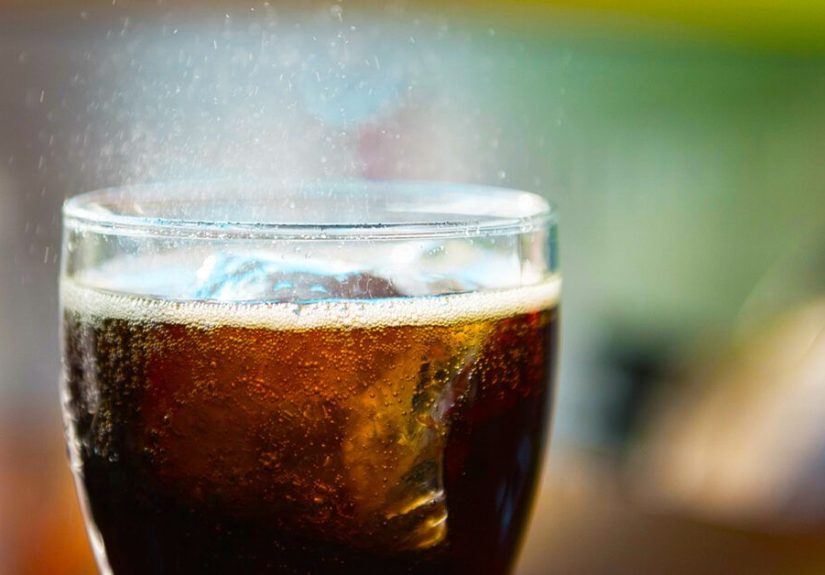
For most healthy pregnancies, drinking soda occasionally is considered low risk.
The bigger question is how much and what kind:
-
Caffeine: If your soda is caffeinated, it counts toward your daily caffeine total.
Most pregnancy guidance recommends keeping caffeine under 200 mg per day. -
Sugar: Regular soda is typically a high-sugar drink with little nutritional value.
Too much added sugar can contribute to excess weight gain and raise blood sugar. -
Artificial sweeteners: Many are considered acceptable in moderation, but some (like
saccharin) are often discouraged during pregnancy. - Bubbles + acid: Carbonation and acidity can worsen heartburn, gas, and nausea.
If you have gestational diabetes (or are at higher risk), significant reflux, or other pregnancy-related
health concerns, your best “safe” amount may be lowerand your clinician may suggest skipping soda more
often than not.
What’s actually in soda (and why it matters while pregnant)
Soda isn’t just “sweet water with confidence.” Depending on the type, it can include caffeine,
added sugars, acids, sodium, and flavoring compounds. None of these automatically equals “danger,”
but they can add up in ways that matter during pregnancy.
Caffeine: The sneaky ingredient (especially in colas)
Caffeine crosses the placenta, and the developing baby metabolizes it more slowly than adults do.
That’s one reason many pregnancy guidelines recommend keeping total caffeine intake below 200 mg/day.
If you drink coffee, tea, chocolate drinks, or energy drinks, those all count too.
Many colas contain caffeine, while some lemon-lime sodas, root beers, and “caffeine-free” versions do not.
Caffeine content varies by brand, but here’s a rough idea for common drinks:
| Drink (typical serving) | Approximate caffeine | Pregnancy-friendly tip |
|---|---|---|
| Cola (12 oz) | ~30–40 mg (varies by brand) | Counts toward your daily caffeine total |
| “Caffeine-free” soda (12 oz) | 0 mg | May be easier on sleep, still watch sugar |
| Energy drink (varies, often 16–24 oz) | Can be very high | Generally best avoided during pregnancy |
| Sweet tea / coffee drinks | Varies widely | Don’t “double count” your caffeine day |
If you’re trying to stay under 200 mg of caffeine a day, a single cola won’t usually blow the budget
but a cola plus coffee plus that “tiny” chocolate snack plus a late-afternoon iced tea can turn into a
caffeine pile-up faster than you can say “Why am I wide awake at 2 a.m.?”
Sugar and calories: Regular soda is basically dessert in a cup
Regular soda is usually loaded with added sugar. A typical 12-ounce can often contains around
~40 grams of sugar and roughly ~150 calories (brand dependent).
That sugar hits quickly because it’s liquidno fiber, no protein, no slow-down.
During pregnancy, excess added sugar may:
- Make blood sugar swings more dramatic (hello, energy crash)
- Contribute to extra weight gain
- Increase cavity risk (pregnancy gums already have enough drama)
- Make it harder to manage or prevent gestational diabetes if you’re at risk
Artificial sweeteners: Diet soda isn’t sugar, but it’s not a health drink
Diet sodas replace sugar with low- or no-calorie sweeteners. Many common sweeteners are generally
considered acceptable in pregnancy in moderation, but it depends on the specific sweetener and your
overall health.
A common caution: saccharin is often discouraged during pregnancy because it crosses
the placenta and may linger in fetal tissues. Meanwhile, other FDA-approved sweeteners such as
aspartame, sucralose, and acesulfame potassium are often described as reasonable in moderationunless
you have a medical reason to avoid them (for example, phenylketonuria, or PKU, where aspartame is not
appropriate).
Also, “diet” doesn’t mean “free pass.” Some studies have found associations between frequent
artificially sweetened beverage intake and certain pregnancy outcomes (like preterm birth or
metabolic effects), but association doesn’t prove cause. The practical takeaway for most people:
don’t make diet soda your daily hydration strategy.
Carbonation and acidity: Why soda can feel rougher when you’re pregnant
Carbonation can increase bloating, belching, and pressureespecially in the second and third trimesters,
when your organs are basically playing musical chairs. The acidity in many sodas can also aggravate
heartburn and reflux, which are already common during pregnancy.
Translation: soda may not be “unsafe,” but it can be unpleasantand pregnancy has enough
plot twists without your drink picking a fight with your esophagus.
Potential side effects of drinking soda during pregnancy
Not everyone experiences side effects, and an occasional soda may cause none at all. But if soda is a
frequent habit, these are the most common ways it can backfire:
1) Jitters, anxiety, and sleep problems (mostly from caffeine)
Pregnancy can already mess with sleep. Add caffeineespecially later in the dayand you may get
racing thoughts, restlessness, and a night of “I’m tired but my brain is hosting a talk show.”
2) Heartburn, reflux, and bloating (thanks, bubbles)
Carbonated drinks can trigger burping and worsen reflux. If you notice a burning chest feeling, sour
taste, or “why is my throat spicy?” after soda, your body is giving you a polite (or not-so-polite)
memo to cut back.
3) Blood sugar spikes and gestational diabetes concerns (mostly regular soda)
Regular soda can raise blood glucose quickly. If you have gestational diabetes, prediabetes, or strong
risk factors, your clinician may advise avoiding sugary drinks entirely because they can make blood
sugar management significantly harder.
4) Excess weight gain and feeling “snacky” all the time
Sugary drinks add calories without much fullness. Many people find they can drink soda and still feel
hungry, which can lead to extra snacking. During pregnancy, steady nutrition mattersand liquid sugar
can crowd out room for more nourishing foods.
5) Dental issues (yes, pregnancy gums are real)
Sugar and acid are a rough combo for teeth. Pregnancy can also increase gum sensitivity and bleeding.
If you do have soda, consider drinking it with a meal, using a straw, and rinsing your mouth with
water afterward (brushing immediately after acidic drinks isn’t always idealgive enamel a little time
to recover).
Regular soda vs. diet soda during pregnancy: Which is “better”?
This is the part where the universe wants a simple winner, but pregnancy nutrition rarely cooperates.
Here’s the practical comparison:
Regular soda: The main concern is sugar
- Pros: No artificial sweeteners; some people tolerate it better for nausea
- Cons: High added sugar; contributes calories with little nutrition; can spike blood sugar
Diet soda: The main concern is the sweeteners (and frequency)
- Pros: Low/zero sugar; may be easier for blood sugar control than regular soda
- Cons: Sweeteners vary; saccharin is often discouraged; frequent intake may be linked to
certain outcomes in observational research
If you’re choosing between the two, think in “frequency and context”:
occasional is different from everyday, and “a small can with lunch” is different from
“my hydration plan is cola.”
How much soda is too much while pregnant?
There’s no universal “one-size-fits-all” soda limit, because the risk depends on your caffeine intake,
overall diet, and health factors. But you can use these guardrails:
Guardrail #1: Keep caffeine under ~200 mg/day
If you drink caffeinated soda, check the label and add it to your total daily caffeine from coffee,
tea, chocolate, and other sources. If you’re already close to your caffeine limit, switch to
caffeine-free options or choose something else.
Guardrail #2: Keep added sugar modest
Nutrition guidance commonly recommends limiting added sugars overall. Regular soda can use up a big
chunk of that “treat space” in one serving. If you’re drinking sugary soda most days, it’s worth
rethinking the habitespecially if you’re dealing with pregnancy fatigue, mood swings, or blood sugar
issues.
Guardrail #3: Listen to your symptoms
If soda triggers heartburn, nausea, headaches, or swelling, it may be “allowed” but not “worth it.”
Pregnancy is basically a nine-month negotiation with your digestive system; pick battles that pay off.
Practical ways to enjoy soda more safely (if you really want it)
If soda is your comfort drink, you don’t have to go from “daily cola” to “only water forever” overnight.
These strategies help keep soda a treat instead of a daily default:
- Downsize: Choose a mini can or small cup. Less sugar/caffeine, same fizzy joy.
- Pick caffeine-free: Especially if you’re also drinking coffee or tea.
- Drink it with food: This can reduce rapid blood sugar spikes and help with nausea.
- Don’t sip all day: “Grazing” on soda means more acid exposure for teeth and more steady sugar intake.
- Hydrate first: Drink water before soda. Thirst can feel like craving.
- Skip energy drinks: They can contain very high caffeine and other ingredients not well studied in pregnancy.
Healthier swaps that still hit the “fizzy craving” button
Sometimes the craving isn’t for sugarit’s for bubbles. If that’s you, try these options:
Sparkling water with flavor
- Seltzer with lemon or lime
- Unsweetened flavored sparkling water
- Sparkling water + a splash of 100% juice (small splash, not half the glass)
“Mocktail” vibes without the sugar bomb
- Club soda + crushed berries + mint
- Sparkling water + ginger slices + orange peel
- Cold herbal tea (pregnancy-safe type) topped with seltzer for fizz
If nausea is the issue
Some people reach for ginger ale when nauseated. If it helps you, consider:
a small serving, a lower-sugar option if available, or mixing regular ginger ale half-and-half with
seltzer to reduce sugar while keeping the ginger taste.
When to be extra cautious about soda during pregnancy
In some situations, soda is more likely to cause problems. Talk with your clinician if any of these
apply to you:
- Gestational diabetes or prediabetes: Sugary drinks can spike glucose quickly.
- High blood pressure or swelling: Some sodas contain sodium; caffeine can also affect symptoms in some people.
- Severe reflux or nausea: Carbonation and acidity can worsen symptoms.
- PKU: Avoid aspartame if you have phenylketonuria (PKU).
- Frequent headaches or sleep disruption: Caffeine can contribute to both.
Questions to ask at your next prenatal visit
If you’re unsure what’s right for you, these questions get quick, practical answers:
- “How much caffeine is appropriate for me, based on my pregnancy and symptoms?”
- “If I’m craving soda, would you prefer regular or dietor neither?”
- “Do you recommend avoiding any specific sweeteners?”
- “If I’m worried about gestational diabetes, what drinks should I prioritize?”
Bottom line
Occasional soda during pregnancy is usually fine, but it’s smart to treat it as an
occasional treatnot a daily hydration plan. Keep an eye on caffeine (especially if your soda is
caffeinated), be mindful of added sugar in regular soda, and don’t assume diet soda is “free” just
because it’s sugar-free. Your best bet is to prioritize water and nutrient-rich drinks most of the time,
and use soda as an occasional “I deserve something fizzy” moment.
Experiences: What soda can feel like during pregnancy (and how people handle it)
Every pregnancy is different, but patterns show up again and again in real life. Here are common
experiences pregnant people reportplus practical ways they often adjust without feeling like they’re
being punished by a beverage menu.
The “first trimester survival soda” phase
In early pregnancy, nausea can turn perfectly normal foods into enemies. Many people say a few sips of
something fizzyespecially ginger-flavored sodafeels soothing when water tastes “too watery” (yes,
that’s a real sentence in pregnancy life). The downside is that regular ginger ale can be sugar-heavy.
A common workaround is to use soda strategically: a small portion, sipped slowly, preferably with a
snack. Some people dilute it with sparkling water so they still get the bubbles and flavor without as
much sugar.
The “I didn’t realize cola had caffeine” moment
Plenty of people track coffee closely, but forget that many colas are caffeinated. Then the late-day
soda habit shows up as trouble falling asleep, a racing heart, or feeling unusually jittery. A typical
fix is simple: switch to caffeine-free versions, move soda earlier in the day, or reserve caffeinated
soda for days when coffee is skipped. The goal isn’t perfectionit’s preventing accidental caffeine
stacking.
The “diet soda is my emotional support beverage” era
Some people love diet soda because it feels like a treat without the sugar load. During pregnancy,
that can be temptingespecially if you’re trying to manage weight gain or blood sugar. But a common
experience is realizing diet soda can keep the craving loop alive: the sweetness makes you want more
sweetness, and suddenly you’re negotiating with yourself like, “One more can won’t hurt,” for the third
time that day. A gentle strategy that works for many is the “step-down plan”: replace one daily diet
soda with flavored sparkling water, then gradually replace another. Some also save diet soda for a
specific time (like with lunch) instead of sipping it all day.
The “third trimester heartburn betrayal” plot twist
Late pregnancy can bring reflux even to people who never had heartburn in their lives. Sodabecause it’s
carbonated and often acidiccan be a major trigger. Many people describe the experience as:
“It tasted amazing for 90 seconds, then I regretted my choices.” If this sounds familiar, common
adjustments include switching to non-carbonated drinks, drinking smaller amounts, avoiding soda close to
bedtime, and choosing less acidic options. Some people also find that drinking soda slowly (instead of
chugging) helps reduce the “bubble pressure” effect.
The “gestational diabetes wake-up call” experience
If someone is diagnosed with gestational diabetes, sugary drinks often become the first and easiest
thing to cutbecause they raise blood sugar fast and don’t provide nutrition. Many people report that
once regular soda is out of the routine, they feel fewer energy crashes and more stable between meals.
The emotional part is real, though: food and drinks are comfort, and pregnancy can be stressful. People
often do best when they replace soda with something satisfying instead of “just don’t.” Sparkling water
with citrus, iced tea without added sugar (pregnancy-safe types), or water with fruit can feel more like
a real choice than a boring restriction.
The “special occasions only” compromise that actually sticks
One of the most common real-life solutions is making soda a planned treat: a small soda at a weekly
outing, or a can on a particularly rough day, rather than a daily habit. This approach reduces guilt
because it’s intentional. It also helps people notice whether soda truly makes them feel betteror
whether it’s just automatic. Many find that once soda becomes occasional, cravings fade a bit, and
water (or other drinks) becomes easier to enjoy again.
The big takeaway from these experiences: soda during pregnancy is rarely an “all or nothing” issue.
Most people do best with a flexible planprioritizing hydration and nutrition, keeping an eye on caffeine
and sugar, and using soda as an occasional, mindful treat when it genuinely hits the spot.