Table of Contents >> Show >> Hide
- What Makes British Rice Pudding “Traditional”?
- Ingredients for Easy Traditional British Rice Pudding
- Step-by-Step: Oven-Baked British Rice Pudding
- How to Serve Traditional British Rice Pudding
- Why Short-Grain Rice Matters (Yes, It Really Does)
- Common Problems (and How to Fix Them)
- Easy Variations That Still Feel British
- Make-Ahead, Storage, and Reheating
- FAQ: Easy Traditional British Rice Pudding
- The Cozy Part: of Rice Pudding “Experience” (Because This Dessert Has a Personality)
- Conclusion
If “rice pudding” makes you think of a wobbly cafeteria cup that tastes like sweet sadness, please don’t panic.
Traditional British rice pudding is a completely different vibe: warm, creamy, gently vanilla-scented,
topped with a bronzed “skin” (yes, that’s the official delicious thing) and a whisper of nutmeg.
It’s the kind of dessert that feels like putting on cozy socks for your soulno dramatic techniques, no fancy gadgets,
and absolutely no “temper the yolks while reciting Shakespeare.”
This guide gives you an easy, oven-baked rice pudding recipe that leans traditional:
short-grain rice, milk, sugar, butter, vanilla, nutmeg, low-and-slow baking, and a creamy finish that can be served
plain or topped with jam, stewed fruit, or a drizzle of golden syrup if you’re feeling delightfully extra.
What Makes British Rice Pudding “Traditional”?
British-style rice pudding is usually baked in the oven rather than cooked quickly on the stovetop.
The oven method is famously low-effort: you mix everything in a baking dish, let time do the heavy lifting,
and end up with tender rice suspended in thick, creamy milkplus a lightly browned top.
The signature features
- Short-grain “pudding rice” texture: creamy, not fluffy.
- Low oven heat: gentle cooking that keeps the milk from scorching easily.
- The top “skin”: a caramelized, nutmeg-speckled layer that some people fight over like siblings.
- Simple flavors: vanilla, nutmeg, and a clean dairy sweetness.
Ingredients for Easy Traditional British Rice Pudding
This recipe is designed for U.S. kitchens but stays faithful to the classic idea. If you can’t find “pudding rice,”
use Arborio or sushi riceboth are short-grain and naturally high in starch,
which helps make the pudding creamy.
What you’ll need
- 1/2 cup short-grain white rice (pudding rice, Arborio, or sushi rice)
- 4 cups whole milk (you can use 2% but it will be less lush)
- 1/3 cup granulated sugar (adjust to taste)
- 2 tablespoons unsalted butter (plus a little extra for the dish)
- 1 teaspoon vanilla extract (or vanilla bean paste if you’re feeling fancy)
- 1/4 teaspoon kosher salt (tiny amount, huge payoff)
- Freshly grated nutmeg (or a light sprinkle of ground nutmeg)
Optional (but very on-brand)
- 2–3 tablespoons heavy cream for extra richness
- 1/3 cup raisins or golden raisins (classic, but controversial in group chats)
- Jam, stewed fruit, or berries for serving
Step-by-Step: Oven-Baked British Rice Pudding
Quick recipe overview
- Prep time: 10 minutes
- Bake time: 2 hours to 2 hours 30 minutes
- Rest time: 15 minutes
- Makes: about 6 servings
1) Preheat and prep the dish
Preheat your oven to 300°F. Butter a 2-quart baking dish (a shallow dish helps you
get more of that golden top). Place the dish on a rimmed baking sheetrice pudding has a charming habit of bubbling
right when you’re not watching.
2) Combine ingredients in the baking dish
Add the rice, sugar, salt, and milk to the dish. Stir well. Dot the butter over the top (or melt it and stir it in
both work; dotting feels delightfully old-school). Stir in the vanilla.
If you’re using raisins, add them now. If you prefer raisins that stay plumper and softer, you can soak them in hot
water for 10 minutes first, then drain and add.
3) Nutmeg the top like you mean it
Sprinkle nutmeg lightly over the surface. This is not the moment for a cinnamon avalanche. Nutmeg is potentthink
“warm perfume,” not “holiday candle explosion.”
4) Bake low and slow
Bake for 2 hours. At the 30-minute mark, carefully stir once (this helps prevent rice from settling
in a thick layer at the bottom). After that, let it be. The top will slowly bronze and form that traditional skin.
Keep baking until the rice is tender and the pudding looks thick and creamy, with a golden toptypically
2 hours to 2 hours 30 minutes total depending on your dish, oven, and how aggressively your milk
decides to evaporate today.
5) Rest before serving
Remove from the oven and let it stand for 15 minutes. This is where it finishes thickening. If you
scoop immediately, it’ll be looser (still delicious). If you wait, it becomes more spoon-coating and custardy.
How to Serve Traditional British Rice Pudding
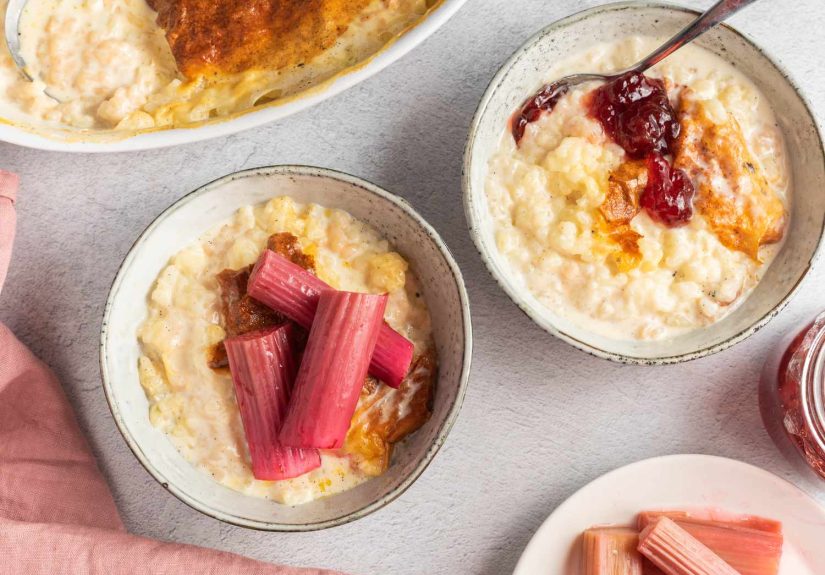
The classic move is to serve it warm and simpleor with a spoonful of jam melting into the surface like a sweet
little sunset. Other excellent options:
- Strawberry or raspberry jam: the most traditional-feeling pairing.
- Stewed apples or pears: cozy and not too sweet.
- Roasted berries: bright, tangy contrast.
- A drizzle of honey or golden syrup: dessert that knows it’s dessert.
Why Short-Grain Rice Matters (Yes, It Really Does)
If you use long-grain rice, you’ll still get “rice plus sweet milk,” but you won’t get the signature creamy body.
Short-grain rice releases more starch as it cooks, thickening the pudding naturally. That’s why Arborio (often used
for risotto) and sushi rice work so well in a traditional baked rice pudding recipe.
Common Problems (and How to Fix Them)
“Mine turned out too thick.”
Easy fix: stir in a splash of warm milk until it loosens. Rice pudding is basically the friend who needs a little
hydration after a long day.
“Mine is still soupy after 2 hours.”
Give it more time, and make sure your dish is wide enough for evaporation. If you used a deep casserole, the pudding
can take longer to thicken. Bake in 10–15 minute increments until it reaches your ideal consistency.
“My top got too dark.”
Your oven may run hot, or your dish may be too close to the top heating element. Next time, bake on a lower rack.
If it’s already browning too fast, loosely tent with foil.
“The rice at the bottom is dense.”
Stir once around the 30-minute mark. After that, stop stirring so the skin can form.
Easy Variations That Still Feel British
Make it extra creamy
Replace 1/2 cup of the milk with heavy cream, or stir in a couple tablespoons of cream near the end. This pushes the
texture toward ultra-luxurious without changing the flavor profile much.
Add gentle citrus
Stir in a small strip of lemon peel while baking (remove before serving). Citrus brightens the dairy sweetness
without making it taste like lemonade.
Swap the sweetener
Brown sugar gives a subtle caramel note. It’s not “strictly traditional,” but it’s a very reasonable detour that
tastes like a warm hug.
Make-Ahead, Storage, and Reheating
Rice pudding is a top-tier make-ahead dessert. Store it covered in the refrigerator for 3–4 days.
How to reheat
- Microwave: heat in 30-second bursts, stirring and adding a splash of milk if needed.
- Stovetop: warm gently over low heat with a little milk to loosen.
- Oven: rewarm covered at 300°F until hot.
Freezing is possible, but texture can get slightly grainy after thawing because dairy and starch don’t always behave
like perfect angels. If you freeze it, thaw overnight in the fridge and reheat gently with a splash of milk.
FAQ: Easy Traditional British Rice Pudding
Do I need to rinse the rice?
For this baked method, you generally don’t need to. A little surface starch helps thicken the pudding. If you rinse
heavily, you may lose some creaminess.
Can I use leftover cooked rice?
You can, but it becomes a different stylemore like American stovetop rice pudding. It’s faster, but it won’t develop
the same baked top and slow-cooked texture.
Is rice pudding gluten-free?
Typically, yesthis recipe is naturally gluten-free. Just double-check any toppings or flavorings you add.
Can I make it dairy-free?
You can use unsweetened oat milk or coconut milk, but the flavor and set will change. Traditional British rice pudding
relies on dairy for that classic richness and the browned skin.
The Cozy Part: of Rice Pudding “Experience” (Because This Dessert Has a Personality)
Rice pudding is one of those desserts that doesn’t just show upit arrives with a whole mood. It’s the dessert
equivalent of a soft blanket that somehow smells like laundry and good decisions. The first “experience” most people
notice is the aroma: warm milk, vanilla, and nutmeg drifting through the kitchen in a way that feels oddly nostalgic,
even if you didn’t grow up eating it. It’s not loud or flashy; it’s quietly confident. Like, “I don’t need a garnish
tower to be lovable.”
Then there’s the great skin debate. Some folks lift the browned top off like they’re carefully
removing an evidence sheet. Others treat it like the best partbecause it kind of is. The skin forms slowly as the
milk proteins and sugars concentrate at the surface, creating a thin layer that’s creamy underneath and lightly
caramelized on top. If you like it, you’ll probably start using a wider baking dish so you get more surface area.
If you don’t like it, you’ll still appreciate that it’s doing important work: it helps keep heat gentle and reduces
splattering, like a delicious, edible lid.
One of the most charming things about traditional British rice pudding is how it fits into real life. It’s not a
“special occasion only” dessert. It’s a “Tuesday happened” dessert. It’s also forgiving. Your milk evaporated faster
than expected? Add a splash and stir. You baked it a little longer and it’s thicker? Congratulationsyou now have the
perfect base for jam, berries, or a drizzle of honey. Even slightly overbaked edges can be a treat: chewy, toasted,
and almost caramel-like, especially if a little sugar concentrated there.
The serving experience is its own little ritual. Warm rice pudding with a spoonful of strawberry jam is basically
instant comfort: the jam melts, streaks pink into the cream, and turns each bite into “sweet + tangy + cozy” without
trying too hard. Stewed apples make it feel like a winter dessert; fresh berries make it feel like brunch dessert;
a pinch of extra nutmeg makes it feel like you know what you’re doing. And because it keeps well in the fridge, the
experience continues the next daycold rice pudding straight from the container is a surprisingly elite snack (no
judgment, only respect). If it thickens overnight, it’s also oddly satisfying to loosen it with a bit of milk and
watch it turn silky again, like you’re restoring a creamy masterpiece with one casual stir.
Most of all, rice pudding has that rare quality of being both simple and deeply personal. People argue about raisins,
sweetness levels, and whether vanilla should be subtle or bold. But that’s the magic: this dessert is less about
perfection and more about comfort. Once you make it a couple of times, you’ll develop your own “this is how my house
likes it” versionand that’s when it becomes tradition.
Conclusion
An easy traditional British rice pudding recipe is proof that comfort food doesn’t need to be
complicated. With short-grain rice, milk, sugar, vanilla, butter, and nutmeg, you get a creamy, oven-baked dessert
that feels timelesswhether you serve it plainly, with jam, or with fruit that makes you feel vaguely virtuous.
Try it once, and you’ll understand why this humble “pudding” has stuck around for generations.