Table of Contents >> Show >> Hide
- What People Mean When They Say “Ercol Stacking Chair”
- Why This Chair Became a Design Darling
- Signature Features to Look For
- Vintage vs. Reissue: Which One Should You Buy?
- A Smart Buyer’s Checklist
- Realistic Pricing Expectations (Without the Hype)
- Where an Ercol Stacking Chair Works Best
- Care and Maintenance: Keep the Wood Happy
- Styling Ideas That Don’t Feel Like a Catalog
- Common Questions
- Conclusion: A Chair That Earns Its Fame
- Experiences With the Ercol Stacking Chair (The Part You Only Learn After Living With It)
Some chairs walk into a room and shout. The Ercol stacking chair walks in, quietly fixes your posture,
tidies your floor plan, and somehow makes your dining table look like it has better taste in music.
It’s one of those rare design objects that feels equally at home in a tiny apartment, a stylish studio, or a
meeting room where someone says “Let’s circle back” unironically.
In this guide, we’ll break down what people mean when they say “Ercol: Stacking Chair,” why this wooden classic became
an icon, how to shop for vintage versus reissued versions, and how to care for it so it stays gorgeous longer than
your latest paint color obsession.
What People Mean When They Say “Ercol Stacking Chair”
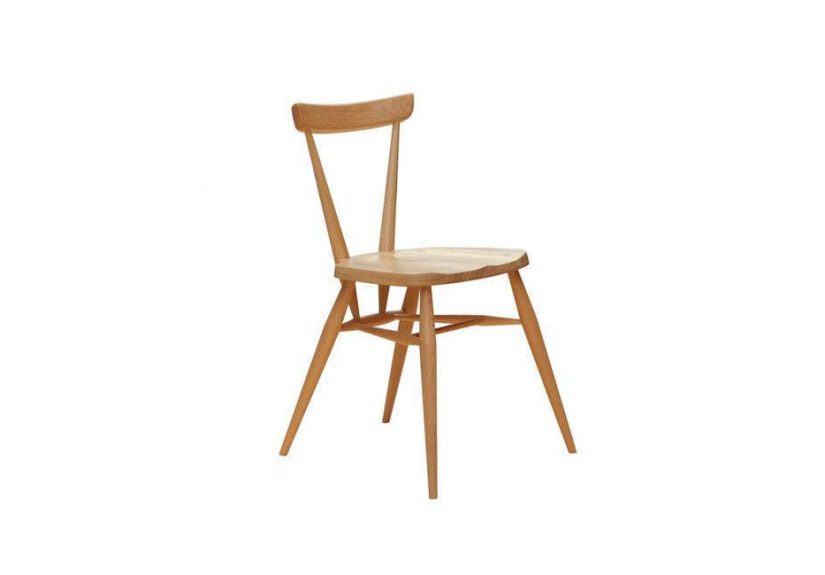
“Ercol stacking chair” usually refers to a specific mid-century design that launched in the late 1950s and became known
for a clever trick: it stacks vertically thanks to its outward-angled, tapered legs. Unlike most stacking chairs
(often plastic or metal), this one is unapologetically woodenand still manages to be light, practical, and clean-lined.
Today you’ll see the chair in two main “worlds”:
-
Vintage originals: older chairs found through secondhand dealers, auctions, and marketplaces.
These can carry decades of patina (and sometimes decades of cafeteria memories). -
Modern reissues / contemporary production: versions produced with the same recognizable silhouette,
often offered in multiple finishes and occasionally released as limited collaborations.
Why This Chair Became a Design Darling
1) It solves a real problem without looking like a “problem solver.”
Stacking chairs typically scream “event rental” or “break room.” Ercol’s stacking chair is the opposite: it’s
space-efficient and attractive. When you stack several together, you don’t hide themyou sort of… display them.
(Accidentally. Like a minimalist sculpture you can sit on.)
2) It’s a wooden chair that doesn’t feel clunky.
The chair’s lightness is part of its appeal: slender legs, a shaped seat, and a curved back that offers support without
turning the chair into a bulky throne. It’s practical engineering dressed up as effortless style.
3) It sits at the intersection of craft and mass usability.
Ercol built its reputation on producing furniture that could be made efficiently while still respecting craftsmanship.
That DNA shows up here: simple parts, strong joinery, and a design that can live a long, hard lifethen keep going.
Signature Features to Look For
Outward-facing tapered legs (the “stacking secret”)
The legs angle outward in a way that allows chairs to stack vertically. It’s a small geometry decision with big
day-to-day benefitsespecially if you host, work from home, or simply dislike furniture that hogs square footage.
A curved back made to support, not just decorate
The back rail is the chair’s friendly handshake: curved enough to feel comfortable, restrained enough to read modern.
Many descriptions highlight wood-bending techniques as part of the chair’s character, which helps explain why it feels
more “designed” than a typical utility stacker.
Windsor-style joinery cues (strength with a visual wink)
Some contemporary descriptions call out traditional Windsor-style constructionespecially the idea of legs passing through
the seat and being secured in a way that creates a tight mechanical hold. In classic Windsor joinery, wedges flare a tenon
so it locks into its socket; the point is durability that still performs even as adhesives age.
Vintage vs. Reissue: Which One Should You Buy?
Choose vintage if you love patina, provenance, and a little mystery.
Vintage Ercol chairs can carry subtle variations: wood grain differences, older finishes, and signs of real-world use.
Many collectors also enjoy the “hunt”finding a set, matching finishes, and restoring them thoughtfully.
The upside: character and (sometimes) better value. The downside: condition can be unpredictable.
Choose a reissue if you want consistency and low drama.
Reissued or contemporary production versions are great if you want a uniform set, predictable dimensions, and finishes
that are ready for daily life. They’re also ideal if you’re furnishing a space where “surprises” are not a fun personality
traitlike a café, office, or a home with a strict “no wobbles” policy.
Limited editions: the “design collectible” lane
Modern collaborations have pulled the chair into collectible territory. If you see a limited run with special artwork or
branding details, treat it like functional art: verify authenticity, confirm edition info, and expect pricing to behave
differently than standard production chairs.
A Smart Buyer’s Checklist
Whether you’re shopping online or inspecting in person, here’s how to avoid the classic mistake of buying a chair that
looks great until you actually sit on it.
1) Check the structure first
- Rock test: gently shift weight. Minor movement can be normal in older chairs; obvious looseness is not.
- Look at joints: pay attention where legs meet the seat and where the back connects.
- Flip it: examine the underside for repairs, splits, or replaced stretchers.
2) Identify markings (without over-trusting them)
Many guides mention labels, badges, or roundels used across different periods. These are helpful, but not foolproof:
labels can fall off, be removed during refinishing, orrarelybe replaced. Treat markings as one data point alongside build
quality, joinery, and overall design consistency.
3) Understand “condition language” on marketplaces
Online listings often describe wear like “scuffs, dings, and faded finish” as normal age-related imperfections.
Decide what you can live with. A small scuff is a story; a structural crack is a project.
Realistic Pricing Expectations (Without the Hype)
Prices for Ercol stacking chairs vary dramatically based on condition, finish, provenance, and whether you’re buying one chair
or a set. Marketplaces regularly show everything from single chairs to large runs, and sets in matched condition usually command
a premium. If you’re comparing listings, normalize for:
- Quantity: per-chair price in a set can be lower (but shipping can change the math).
- Restoration status: refinished isn’t automatically better; it depends on quality and taste.
- Rarity and size variants: some models and proportions show up less often.
- Local pickup vs shipped: shipping a chair safely is basically shipping a fragile sculpture with legs.
Where an Ercol Stacking Chair Works Best
Dining spaces that need flexibility
If you entertain even occasionally, stacking chairs are a cheat code. Keep extras stacked neatly; pull them out when the table grows.
You get “hosting-ready” without turning your home into a furniture warehouse.
Home offices and studios
Need a chair for a client meeting, a second monitor setup, or the occasional “let me just move this over there” moment?
A stackable wooden chair that still looks intentional is a win.
Small apartments (where every square foot has a résumé)
In tight spaces, a chair has to earn its keep. Stackable seating means you can reclaim floor area without banishing chairs
to closets like they’re being punished.
Care and Maintenance: Keep the Wood Happy
Most Ercol stacking chairs you’ll encounter have a sealed finish (often lacquered), though older pieces may have been refinished
in different ways. The goal is simple: clean gently, avoid harsh chemicals, and keep moisture and heat in check.
Everyday cleaning
- Dust regularly with a soft cloth or microfiber.
- Wipe with a damp cloth when needed; don’t soak the wood.
- Use mild soap sparingly for sticky spotsthen dry immediately.
What to avoid
- Harsh cleaners (ammonia, alcohol-heavy sprays, aggressive degreasers) that can dull or damage finishes.
- Abrasive pads that scratch lacquer and leave permanent “why did I do that” marks.
- Excess water that can creep into joints or cause swelling over time.
Small upgrades that protect the chair
- Felt pads under legs to reduce wear and protect floors.
- Keep out of direct sun to avoid uneven fading.
- Mind heat sources (radiators, vents) that dry wood and stress finishes.
Styling Ideas That Don’t Feel Like a Catalog
Contrast the chair with something chunky
Pair the chair’s slender lines with a thicker farmhouse or slab table. The visual contrast keeps the room from looking
too delicateor too heavy.
Let the wood be the “warmth” in a clean palette
If your space leans white, gray, or modern-minimal, the chair’s wood grain adds warmth without introducing visual clutter.
It’s the design equivalent of adding a little butter to the pan: not dramatic, but everything improves.
Use stacked chairs as an intentional moment
If you have multiples, don’t hide them. A neat stack in a corner can read as sculpturalespecially in black, white, or a natural finish.
Common Questions
Is it actually comfortable, or is it “pretty uncomfortable”?
Comfort is subjective, but the chair generally earns praise for a supportive curved back and a shaped seat. It’s not a lounge chair,
but it’s far from “decorative punishment.”
How many can you stack?
Stack capacity depends on the specific version and finish, and it’s best to follow manufacturer guidance for new chairs. For vintage sets,
people typically stack modestly to avoid scuffing and keep handling easy.
Will a refinished chair lose value?
It depends. A high-quality, sympathetic refinish can make a chair more usable and appealing. A sloppy refinish can erase details,
flatten character, and hurt value. If you’re buying as a collector, prioritize originality. If you’re buying to live with it, prioritize
sound structure and a finish you enjoy.
Conclusion: A Chair That Earns Its Fame
The Ercol stacking chair is proof that “practical” doesn’t have to mean “forgettable.” It’s a design that was smart in the 1950s and still
smart now: easy to store, pleasing to look at, and built with enough craft to last well beyond whatever trend is currently happening
on your social feed.
Whether you choose a vintage original with history baked into the grain or a crisp modern reissue with a flawless finish, the point is the same:
you’re getting a chair that behaves beautifullyboth when it’s in use and when it’s politely stacked off to the side, waiting for the next
gathering.
Experiences With the Ercol Stacking Chair (The Part You Only Learn After Living With It)
People don’t fall in love with this chair because of a spec sheet. They fall for it the first time it “solves” a moment that would otherwise
require awkward furniture gymnastics. A common scenario: friends come over, the table expands, and suddenly you need two extra seats. With most
homes, that means dragging mismatched chairs from different rooms and pretending it’s “eclectic.” With a stackable set, you just… unstack.
No scavenger hunt, no apologizing for the wobbly chair that always ends up with the brave guest.
Another real-life perk is how the chair changes the way a room feels between events. When chairs don’t have to live around the table full-time,
you can reclaim space for everyday lifeyoga mat, kids’ projects, a temporary photo backdrop, or just the radical concept of open floor area.
And because the Ercol stacking chair is visually calm, a stack in the corner doesn’t read as “storage.” It reads like you planned it.
(Even if you absolutely did not.)
If you buy vintage, the experience often becomes part interior design, part detective story. You’ll notice details you’d normally ignore:
how tight the joints feel, whether the seat has been sanded too aggressively, whether the finish looks original or like it was applied during
an energetic weekend with questionable ventilation. Some buyers actually enjoy thisbecause a good vintage find feels like rescuing a smart object
from a sad future of “miscellaneous chair” status.
The chair also has a funny way of teaching you what “good wood furniture” means. Set it on the wrong floor without felt pads and you’ll learn
about friction. Put it near a heat source and you’ll learn about dryness and finish stress. Clean it with the wrong product and you’ll learn about
lacquer the hard way. But once you dial in basic caregentle wiping, avoiding harsh chemicals, keeping water out of jointsit becomes an easy long-term
relationship, the kind where you don’t have to fuss constantly to keep things looking good.
In creative spaces, the chair’s personality shows up differently. Designers and artists often like it because it doesn’t visually “compete” with work.
It’s supportive background character energy: quietly doing its job while the room’s main actart, textiles, lighting, whatever you’re makinggets the spotlight.
And when the studio needs to transform for a critique, a shoot, or a workshop, the chairs stack up and get out of the way like they understand the assignment.
The most consistent experience people report is this: the Ercol stacking chair rarely stays a “temporary” chair. It starts as extra seating, then
gets pulled into daily rotation because it’s the chair that’s always easy to move, always looks right, and never feels like a compromise.
That’s the magic. It’s not just that it stacks. It’s that it stacks while still being the kind of chair you’d choose even if you had unlimited space.