Table of Contents >> Show >> Hide
- What Is Erythematotelangiectatic Rosacea?
- Symptoms: What You’ll Notice (and What You’ll Feel)
- Common Triggers That Make ETR Rosacea Flare
- What Causes ETR Rosacea?
- How Dermatologists Diagnose ETR Rosacea
- Treatment Goals: Control, Not “Instant Perfection”
- ETR Rosacea Treatment Options
- 1) The foundation: gentle skin care that supports your barrier
- 2) Prescription topicals for persistent facial redness
- 3) Anti-inflammatory topicals (especially if ETR overlaps with bumps)
- 4) Oral medications (for inflammatory flares, not just redness)
- 5) Laser and light therapies for visible vessels and background redness
- 6) Lifestyle strategies that actually help (and aren’t punishment)
- 7) Camouflage and confidence boosters (optional, but valid)
- A Practical Starter Plan (Sample)
- When to See a Dermatologist (or Seek Medical Advice Promptly)
- FAQ: Quick Answers About ETR Rosacea
- Experience Section (About ): What Living With ETR Can Feel Like
- Conclusion
If your cheeks look like they’re permanently auditioning for a “fresh-from-a-jog” commercialeven when you’ve been sitting perfectly stillerythematotelangiectatic rosacea (ETR) might be the culprit. This subtype of rosacea is best known for persistent facial redness, frequent flushing, and those tiny visible blood vessels that can make your skin look like it’s drawn with a very fine red pen. The good news: while ETR rosacea doesn’t have a one-and-done cure, it is treatable, manageable, and often dramatically improvable with the right plan.
In this in-depth guide, we’ll break down the most common erythematotelangiectatic rosacea symptoms, what tends to trigger flares, how dermatologists diagnose it, and the most effective treatment options from skin-care basics and prescription topicals to laser and light therapies that target visible vessels.
What Is Erythematotelangiectatic Rosacea?
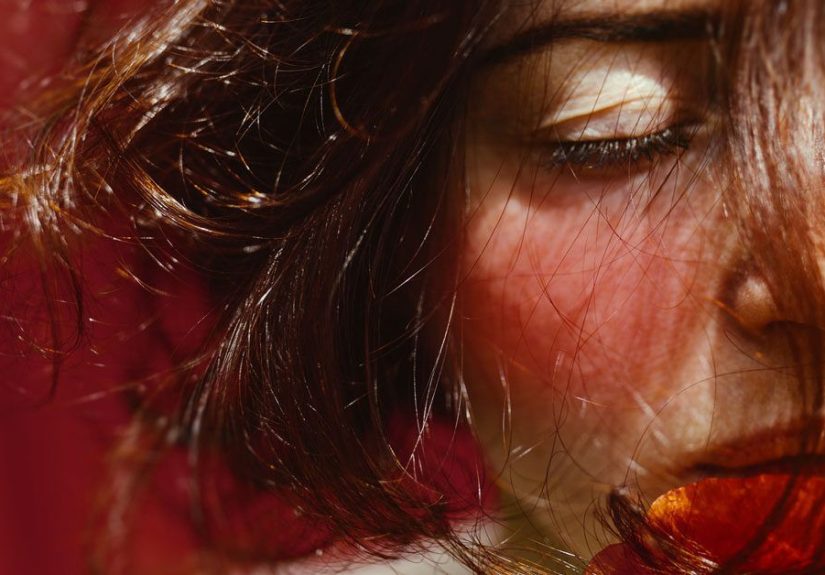
Erythematotelangiectatic rosacea is a common subtype of rosacea primarily characterized by: persistent redness (erythema) and visible blood vessels (telangiectasia), typically on the central facecheeks, nose, forehead, and chin. Many people also experience flushing episodes where the skin suddenly warms up and turns red, then calms down… until the next trigger.
ETR is sometimes called “vascular rosacea” because it’s strongly linked to blood-vessel reactivity in the face. It can exist on its own or overlap with other rosacea types, which is why you might hear someone say, “I have redness and bumps.”
Symptoms: What You’ll Notice (and What You’ll Feel)
1) Persistent facial redness
The hallmark of ETR is ongoing redness that lingers even when you’re not actively flushing. Early on, the redness may come and go, but over time it can become more constant, especially if triggers aren’t identified and treatments aren’t used consistently.
2) Flushing episodes that feel like a “heat wave”
Flushing can be sudden and intenseoften described as warmth, burning, or the sensation that your face is “radiating heat.” A flare might be brief (minutes) or hang around for hours. Some people notice it most after hot drinks, exercise, stress, or temperature changes.
3) Visible blood vessels (telangiectasia)
Those fine red linesoften on the cheeks and around the noseare small facial vessels that have become enlarged and visible. Makeup can sometimes camouflage them, but procedures like laser or intense pulsed light therapy are often the most direct way to reduce their appearance.
4) Stinging, burning, dryness, and sensitive skin
ETR isn’t only about what you see. Many people feel it. Skin may sting when applying products, burn in the sun, or feel tight and dry. This often relates to a weakened skin barrier and inflammation, which is why gentle skin care is not “optional” hereit’s treatment.
5) Swelling and rough texture
Some people experience mild swelling during flares or notice their skin feels rougher than usual. This can happen even without acne-like bumps.
6) How ETR can look different on darker skin tones
Rosacea can occur in all skin tones, but redness and flushing may be harder to recognize visually in deeper complexions. Symptoms like warmth, burning, stinging, dryness, and subtle discoloration may be more noticeable than classic “pink” redness.
Common Triggers That Make ETR Rosacea Flare
Triggers vary by person, which is both annoying and empowering: annoying because there’s no universal “avoid this and you’re cured,” empowering because finding your triggers can significantly reduce flares.
- Sun and UV exposure (one of the most common triggers)
- Heat (hot weather, saunas, hot baths, steamy showers)
- Cold and wind (especially sudden temperature shifts)
- Emotional stress (yes, your face can rat you out)
- Exercise (particularly high-intensity workouts or overheating)
- Alcohol (often red wine, but not exclusively)
- Hot beverages and spicy foods
- Harsh skin care (scrubs, strong acids, fragrance-heavy products, alcohol-based toners)
A practical strategy is to keep a simple “rosacea diary” for two weeks: note what you ate, weather changes, workouts, stress levels, and new skin products. Patterns often appear faster than you’d expect.
What Causes ETR Rosacea?
The exact cause of rosacea isn’t fully understood, but research points to a mix of factors: blood-vessel and nervous-system reactivity (flushing), immune and inflammatory changes, genetics, and skin-barrier disruption. In some people, microbes on the skin (including Demodex mites) may play a role in inflammation, especially in overlapping rosacea types.
In plain English: ETR rosacea is not your fault, not caused by “poor hygiene,” and not contagious. It’s a chronic inflammatory skin condition that tends to flare when certain internal or external factors push your skin past its comfort zone.
How Dermatologists Diagnose ETR Rosacea
Diagnosis is usually clinicalmeaning a dermatologist looks at the pattern of redness, visible blood vessels, and flare history. There’s no single blood test for ETR, but a clinician may rule out other conditions that can mimic facial redness.
Common look-alikes include acne, seborrheic dermatitis, contact dermatitis, sun damage, and (less commonly) autoimmune rashes such as lupus. If symptoms are atypical, a dermatologist might recommend additional evaluation.
Treatment Goals: Control, Not “Instant Perfection”
The main goal is to reduce redness and flushing, calm inflammation, protect the skin barrier, and minimize visible blood vessels when desired. Many people do best with a layered approach: trigger control + gentle skin care + targeted medication + procedures when appropriate.
ETR Rosacea Treatment Options
1) The foundation: gentle skin care that supports your barrier
Think of your skin barrier like a brick wall. ETR rosacea often means the mortar is fragile. If you keep pressure-washing the wall with harsh products, it won’t matter how good your prescription isyour face will stay mad.
- Cleanse gently once or twice daily with a mild, fragrance-free cleanser (lukewarm water, not steaming hot).
- Moisturize daily to reduce dryness and sensitivity (look for simple, non-irritating formulas).
- Wear broad-spectrum sunscreen every day (mineral formulas can be better tolerated for some people with sensitive skin).
- Avoid scrubs and “stingy” actives during flares (strong acids, aggressive retinoids, and alcohol-heavy products can worsen symptoms).
- Patch test new products on a small area for several days before using them all over your face.
2) Prescription topicals for persistent facial redness
For persistent erythema, dermatologists often use topical medications that temporarily narrow facial blood vessels (vasoconstrictors). These can reduce redness noticeably, especially for daytime/social or work settings.
- Brimonidine gel (commonly known by the brand Mirvaso) applied once daily; can reduce visible redness for several hours.
- Oxymetazoline cream (commonly known by the brand Rhofade) also typically used once daily for persistent redness.
Helpful real-world tips:
- Start with a small amount and increase gradually, especially if you have very sensitive skin.
- Apply to clean, dry skin, then moisturize if needed (your dermatologist may recommend the best order for your routine).
- Be aware that some people experience irritation or rebound redness. If that happens, stop and check in with your clinician. “More product” is not always “more better” with ETR.
3) Anti-inflammatory topicals (especially if ETR overlaps with bumps)
Even if your main issue is redness, inflammation can still play a roleparticularly if you also get acne-like bumps during flares. In those cases, dermatologists may prescribe:
- Metronidazole (cream/gel/lotion)
- Azelaic acid
- Ivermectin (more often used when bumps are present)
These medications typically work over weeks rather than hours. They’re not instant “anti-blush switches,” but they can reduce overall inflammation and improve texture over time.
4) Oral medications (for inflammatory flares, not just redness)
If you have significant inflammatory symptoms or overlapping papules/pustules, a clinician may recommend an oral medication. A common example is low-dose doxycycline (used for its anti-inflammatory effect rather than for treating infection).
Important note: oral medications are not a DIY project. They can interact with other drugs, cause side effects (like sun sensitivity or stomach upset), and should be tailored to your symptoms and medical history.
5) Laser and light therapies for visible vessels and background redness
If telangiectasia (visible vessels) is one of your main concerns, procedures are often the most direct option. Common approaches include pulsed dye laser (PDL) and intense pulsed light (IPL). These treatments target blood vessels to reduce redness and minimize the appearance of “broken capillaries.”
What to expect:
- Multiple sessions are often needed, typically spaced weeks apart.
- Temporary side effects can include swelling, redness, and sometimes bruising (purpura) depending on the device and settings.
- Maintenance may be needed, especially if triggers remain high or rosacea is active.
- Cost varies and may not be covered by insurance, so it helps to ask for a realistic plan and estimate upfront.
6) Lifestyle strategies that actually help (and aren’t punishment)
Managing triggers doesn’t mean you have to live like a vampire who only drinks room-temperature water. It means using smart workarounds so your skin doesn’t get blindsided.
- Sun protection: daily sunscreen + hats + shade when possible.
- Heat management: lukewarm showers, avoiding saunas during flares, using a fan while cooking or blow-drying hair.
- Exercise tweaks: try lower-intensity intervals, cooler environments, hydration, and breaks to prevent overheating.
- Food/drink adjustments: let hot drinks cool a bit; test whether spicy food or alcohol is a consistent trigger for you.
- Stress tools: not because stress “causes” rosacea, but because it can flip the flushing switch in many people.
7) Camouflage and confidence boosters (optional, but valid)
If you want cosmetic help while treatments kick in, green-tinted color correctors can neutralize redness, and gentle, fragrance-free foundations can even out tone. This isn’t “hiding.” It’s using toolslike wearing sunglasses because the sun is bright.
A Practical Starter Plan (Sample)
Every case is unique, but here’s what a sensible, dermatologist-style starting framework often looks like:
- Weeks 1–2: Simplify your routine (gentle cleanser + moisturizer + daily sunscreen). Stop harsh actives and scrubs.
- Weeks 2–6: Add a prescription topical if recommended (for redness: brimonidine or oxymetazoline; for inflammation: azelaic acid or metronidazole).
- Weeks 6–12: Reassess triggers and flare patterns. Consider procedural options (PDL/IPL) if vessels are a major concern.
- Ongoing: Maintain the barrier-support routine, keep sunscreen non-negotiable, and adjust medications with your clinician as needed.
When to See a Dermatologist (or Seek Medical Advice Promptly)
- Redness or flushing that’s persistent, worsening, or affecting your confidence and daily life
- Skin burning/stinging that limits products you can tolerate
- Visible facial blood vessels that bother you
- Eye symptoms (grittiness, burning, redness, recurrent styes), which can suggest ocular rosacea
- Any rash that looks unusual, spreads beyond typical rosacea areas, or comes with systemic symptoms
FAQ: Quick Answers About ETR Rosacea
Is erythematotelangiectatic rosacea the same as acne?
Not exactly. Acne is driven by clogged pores and different inflammatory pathways. ETR is primarily redness/flushing and blood-vessel visibility. Some people have overlapping rosacea types that include acne-like bumps, which can be confusing (and why self-diagnosis often backfires).
Will ETR rosacea get worse over time?
It can, especially if triggers are constant and the skin barrier stays irritated. But consistent treatment and smart trigger management often prevent progression and can significantly reduce long-term redness and flares.
Do lasers permanently remove visible vessels?
Lasers and IPL can dramatically reduce existing visible vessels and background redness, but they don’t change the fact that rosacea is a chronic condition. New vessels can become visible over timeespecially if triggers persistso some people choose occasional maintenance treatments.
Experience Section (About ): What Living With ETR Can Feel Like
ETR rosacea is one of those conditions that can be physically uncomfortable and emotionally loud at the same time. People often describe it as having a “mood ring” on their face except the mood ring is triggered by the weather, the coffee you love, and a single awkward meeting.
One common experience is the “invisible trigger” flush: you’re fine, then suddenly your cheeks heat up like someone turned on a tiny space heater under your skin. You might catch your reflection and think, “Do I look embarrassed?” even if you feel calm. This can be especially frustrating at work or during social events, because it feels like your face is telling a story you didn’t approve.
Many people go through a product “carousel” before they land on something that helpstrying scrubs, strong acids, or acne treatments because redness is mistaken for irritation or breakouts. The irony is that harsh products often make ETR rosacea symptoms worse: more stinging, more dryness, more flushing, and a growing fear of putting anything on your face. When someone finally switches to a gentle routine, the first surprising win is often not “my redness vanished,” but “my skin stopped hurting.”
Another frequent scenario: exercise. People want to be active (and their doctors want that too), but high-intensity workouts can trigger flushing. A practical compromise many find helpful is changing the conditions rather than quitting movementcooler rooms, shorter intervals, a fan, hydration, and a slower warm-up. Instead of chasing “no redness ever,” the goal becomes “I can work out without a two-hour facial flare afterward.”
Socially, ETR can nudge people toward avoiding photos, skipping events, or using heavy makeup that ironically irritates the skin more. That’s why confidence-friendly options matter. Some people swear by a green-tinted corrector for quick tone evening. Others prefer focusing on long-term improvement: sunscreen daily, a prescription topical for persistent redness, and (when ready) laser/IPL sessions to reduce visible vessels. A common emotional turning point is realizing rosacea management is not vanityit’s comfort, skin health, and quality of life.
Perhaps the most relatable “win” people report is learning their personal pattern. For example: hot showers + spicy dinner + a glass of wine equals “tomato mode.” Once they know that, they can choose: cool shower, let the tea cool a bit, pick one trigger instead of stacking three. It’s not about living under rules. It’s about getting your face back from the chaos committee.
Conclusion
Erythematotelangiectatic rosacea can be stubborn, but it’s also highly manageable with the right mix of gentle skin care, trigger strategy, and evidence-based treatments. If your main symptoms are persistent redness and visible blood vessels, topical vasoconstrictors and laser/light procedures can be especially helpful. If you also experience inflammation or bumps, anti-inflammatory topicals and (sometimes) oral medications may be part of the plan.
The best next step is often simple: simplify your skin care, protect against the sun, and talk with a dermatologist about a targeted treatment approach. Your cheeks don’t need to narrate your day. They can just… be cheeks.