Table of Contents >> Show >> Hide
- Quick refresher: What is EPI, and why does PERT matter?
- PERT 101: What’s actually in these capsules?
- FAQs: The questions people actually ask about PERT
- 1) Who needs PERT?
- 2) When should I take PERTbefore, during, or after meals?
- 3) Do I take PERT with snacks too?
- 4) Are there foods or drinks that don’t need enzymes?
- 5) What if I forget a dose?
- 6) How is PERT dosing decided?
- 7) How do I know if my dose is working?
- 8) Why might PERT “not work” (or stop working)?
- 9) Can I open the capsules? Can I crush them?
- 10) Can I take PERT with hot drinks?
- 11) Do I need to change my diet if I’m on PERT?
- 12) Do I need vitamin supplements?
- 13) Are there side effects I should know about?
- 14) What are “maximum dose limits,” and why do they matter?
- 15) Do I ever need a proton pump inhibitor (PPI) with PERT?
- 16) Is PERT the same as over-the-counter digestive enzymes?
- 17) Will I need PERT forever?
- Practical examples: What PERT looks like in real life
- When to call your clinician sooner rather than later
- Experiences with PERT: What people commonly notice (and what helps)
- Conclusion
- SEO tags (JSON)
If you’ve been told you have exocrine pancreatic insufficiency (EPI), you may have also been handed a prescription for
pancreatic enzyme replacement therapy (PERT)and about 47 new questions you didn’t know you had. Totally normal.
Your pancreas has basically sent a “sorry, can’t make it” text to digestion, and PERT is the practical friend who shows up on time with snacks.
This guide answers the most common (and most Googled-at-2-a.m.) questions about PERT: how it works, how to take it, how dosing is adjusted,
what to do when it doesn’t seem to help, and the real-life tips that make daily use easier. It’s educationalnot a substitute for your clinician’s advice
but it should help you walk into your next appointment sounding like you read the manual (without actually reading a manual).
Quick refresher: What is EPI, and why does PERT matter?
EPI happens when your pancreas doesn’t deliver enough digestive enzymes to your small intestine to break down food properlyespecially fats.
When fats (and sometimes protein and carbs) aren’t digested well, your body can’t absorb nutrients the way it should. That can lead to symptoms like
frequent loose stools, oily or floating stools, gas, bloating, cramping after meals, and unintentional weight loss. Over time, EPI can contribute to
malnutrition and low levels of fat-soluble vitamins (A, D, E, and K), among other issues.
PERT is the cornerstone treatment for EPI. It replaces the enzymes your pancreas isn’t providing so food can be broken down and nutrients can be absorbed.
Think of it as giving your meal the “tools” it needs to be processed normally again.
PERT 101: What’s actually in these capsules?
Most prescription PERT products contain pancrelipase, a mixture of digestive enzymes (typically lipase, protease, and amylase) derived from porcine sources.
“Lipase units” are the dosing language you’ll see most often, because fat digestion is usually the biggest problem in EPI.
In the U.S., several FDA-approved prescription options exist (brand names vary). They’re not interchangeable like generic ibuprofen; different products can have different
formulations and dosing specifics. If a switch is needed, it should be guided by your prescriber.
FAQs: The questions people actually ask about PERT
1) Who needs PERT?
PERT is prescribed for people with confirmed or strongly suspected EPIoften related to chronic pancreatitis, pancreatic surgery, cystic fibrosis,
pancreatic cancer, or other conditions that reduce enzyme production or delivery. If your clinician has diagnosed EPI (or you have symptoms plus high-risk conditions),
PERT is typically part of treatment.
2) When should I take PERTbefore, during, or after meals?
Timing is everything because enzymes need to mix with food in your gut. In general, PERT is taken during meals and snacks, and many clinicians recommend
taking the first capsule right with the first bite (or just before it), then continuing during the meal if multiple capsules are prescribed.
If you wait until the end of a meal, the enzymes may not sync up with the food as well.
Practical tip: If your meal takes a while, splitting the dose across the meal (start/middle/end) can help the enzymes “travel” with the food.
Your clinician’s instructions come first, but the goal is consistent mixing.
3) Do I take PERT with snacks too?
Usually, yesif the snack contains fat and/or protein. Many dosing strategies use roughly half the meal dose for a snack.
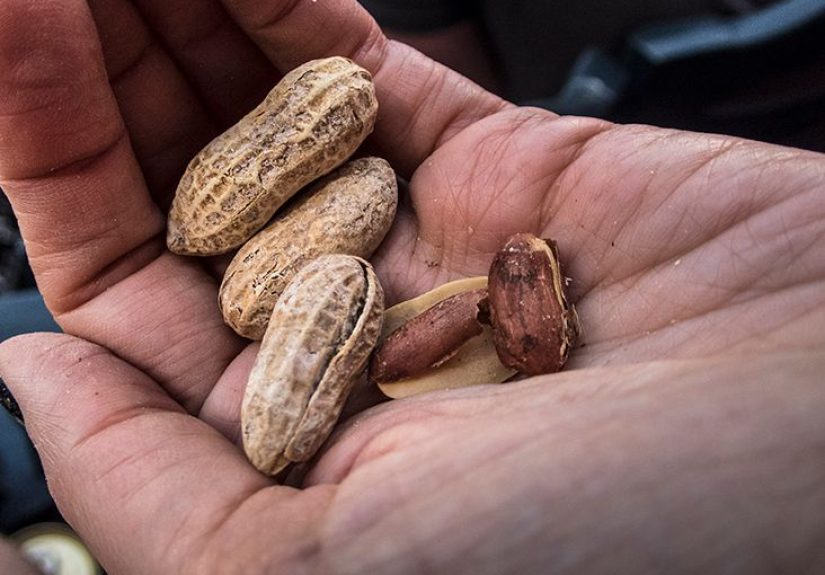
Examples that often need enzymes: a granola bar with nuts, a protein shake, cheese and crackers, peanut butter, avocado toast, or anything “mini-meal-ish.”
4) Are there foods or drinks that don’t need enzymes?
Often, pure-sugar items (like hard candy or clear juice) may not require enzymes because there’s little fat or protein to digest.
Very small “bite-only” snacks may not need enzymes either. But “it’s just a drink” can be sneakymilk, creamy coffee drinks, smoothies, and nutrition supplements
often contain fat and protein, so they commonly do need enzymes.
5) What if I forget a dose?
Don’t panicand don’t double up. If you missed PERT for a meal, take the next scheduled dose with the next meal or snack as directed.
Doubling doses without guidance isn’t the move.
6) How is PERT dosing decided?
Dosing is individualized. Clinicians may start with a standard adult “starter” dose (commonly expressed in lipase units per meal and per snack) and then adjust based on:
- your symptoms (especially stool changes, gas/bloating, cramping, urgency)
- your weight trends and nutrition status
- the fat content and size of your meals
- the underlying cause of EPI (for example, chronic pancreatitis vs. post-surgery)
Many expert recommendations for adults begin with a baseline dose per meal and a smaller dose per snack, then titrate up if symptoms persist.
Your prescriber may also reference weight-based dosing and established maximum limits for safety.
7) How do I know if my dose is working?
People often notice improvement in:
- stool consistency (less greasy/oily, less floating, less urgency)
- less bloating and gas after meals
- better ability to maintain or gain weight
- more stable energy (because you’re absorbing nutrients better)
A helpful rule of thumb: the “right” dose tends to make bathroom outcomes less dramatic. If you’re still getting classic fat-malabsorption symptoms,
your prescriber may adjust timing, dose, or the approach (including addressing stomach acid).
8) Why might PERT “not work” (or stop working)?
Common reasons include:
- Timing problems (taking enzymes after eating instead of with the food)
- Not enough enzyme for the meal (bigger or higher-fat meals often need more)
- Swallowing issues (crushing/chewing can reduce effectiveness and irritate the mouth)
- Stomach acid interference (in some cases, enzymes may not survive acidity well)
- Another cause of symptoms (like small intestinal bacterial overgrowth, celiac disease, IBS, bile acid issues, or medication effects)
If PERT isn’t helping, don’t self-escalate to extreme dosing. Bring a symptom log (what you ate, dose timing, and what happened after) and troubleshoot with your clinician.
9) Can I open the capsules? Can I crush them?
Many delayed-release capsules should be swallowed whole. Crushing or chewing can damage the protective coating and may cause mouth irritation.
If swallowing is difficult, some products allow opening the capsule and sprinkling the contents onto a small amount of soft, acidic food (such as applesauce),
then swallowing right away without chewingfollowed by fluids. Your pharmacist or clinician can confirm what’s appropriate for your specific product.
10) Can I take PERT with hot drinks?
Avoid taking the capsules with hot liquids. Heat can reduce enzyme activity. You can take enzymes with hot food, but swallow the capsules with
cool or room-temperature liquids.
11) Do I need to change my diet if I’m on PERT?
Many people do best with smaller, more frequent mealsand with avoiding very low-fat extremes unless your clinician specifically recommends it.
Some guidance emphasizes that overly restricting fat can backfire (fat is calorie-dense and helps with vitamin absorption), especially when EPI has already put you at risk
for malnutrition. The sweet spot is often: balanced meals, consistent enzyme use, and dietitian support when needed.
12) Do I need vitamin supplements?
Possibly. Because EPI can impair absorption of fat-soluble vitamins (A, D, E, K), clinicians sometimes test vitamin levels and recommend supplements.
Don’t guess your way through supplementationyour care team can tailor it to your labs, symptoms, and diet.
13) Are there side effects I should know about?
Many people tolerate PERT well. When side effects occur, they often overlap with GI symptoms you may already have (abdominal discomfort, nausea, constipation, diarrhea).
Mouth irritation can happen if capsules or granules are chewed, crushed, or held in the mouth.
A rare but serious concern, historically associated with very high doses over time (especially in children with cystic fibrosis), is fibrosing colonopathy.
That’s one reason product labels emphasize maximum dosing thresholds and caution with high-dose regimens.
14) What are “maximum dose limits,” and why do they matter?
Product labeling commonly references upper limits such as:
2,500 lipase units/kg per meal, 10,000 lipase units/kg per day, or 4,000 lipase units per gram of fat ingested per day
(exact language varies by product). These guardrails help reduce risk when dosing is escalated.
If you’re still symptomatic near these ranges, your clinician should reassess the diagnosis, timing, adherence, acid control, and alternate causesrather than
endless dose stacking.
15) Do I ever need a proton pump inhibitor (PPI) with PERT?
Sometimes. Stomach acid can reduce enzyme activity in certain situations. Some formulations are designed to resist acid and release in the intestine,
while others (like non–enteric-coated pancrelipase tablets) are specifically used with a PPI to protect the enzymes.
If you’re taking enzymes correctly and still have symptoms, your clinician may consider acid suppression as part of troubleshooting.
16) Is PERT the same as over-the-counter digestive enzymes?
Not really. Prescription PERT products are FDA-approved drugs with standardized enzyme content and clinical evidence for treating EPI.
Over-the-counter enzyme supplements can vary widely in potency and quality and are not a substitute for prescription therapy when true EPI is present.
If you have EPI, stick with what your clinician prescribes unless they recommend otherwise.
17) Will I need PERT forever?
It depends on the cause. Some people need long-term or lifelong PERT (for example, with chronic pancreatitis, cystic fibrosis, or after major pancreatic surgery).
Others may need it temporarily if the underlying problem improves. Your clinician can tell you what’s typical for your diagnosis and whether reassessment is planned.
Practical examples: What PERT looks like in real life
Here are a few common scenarios that make PERT click:
- The long restaurant meal: Take the first capsule with the first bite, then continue the rest during the meal. Slow dinners often do better with split dosing.
- “Healthy” smoothie trap: If it has nut butter, yogurt, milk, or protein powder, it probably needs enzymes. (Your blender is not a pancreas.)
- Pizza night: Higher-fat meals often need the prescribed full dose; don’t guessfollow your plan and log symptoms if you’re still struggling.
- Snack math: Many people use “half-dose for snacks” as a starting patternbut your clinician may personalize this based on your symptoms and diet.
When to call your clinician sooner rather than later
Reach out promptly if you have ongoing weight loss, signs of dehydration, persistent severe diarrhea, worsening pain, symptoms that don’t improve after dose/timing adjustments,
or you suspect vitamin deficiencies (for example, unusual bruising, bone issues, or severe fatigue). These aren’t problems to “power through” with willpower.
Digestion is not a personality test.
Experiences with PERT: What people commonly notice (and what helps)
Once people start PERT, the first “experience” is usually emotional: relief that there’s a real treatment, followed immediately by the annoyance of needing capsules
with every meal. It’s a weird combolike being grateful for a seatbelt and still resenting that it wrinkles your outfit.
In the first couple of weeks, many people report that the biggest improvement is not a dramatic “I feel brand-new” moment, but a quieter shift:
fewer urgent bathroom runs, less greasy stool, and less post-meal bloating. Some describe it as finally being able to eat without planning their next hour around
their gut. If symptoms improve fast, that’s often a clue that timing and dose are close to right. If symptoms don’t improve, people commonly discover that
the issue is one of three things: they’re taking enzymes too late (end-of-meal dosing is a classic), the meal was higher fat than expected, or the dose is simply too low.
A very common learning curve is “snack confusion.” People often do great with breakfast and dinner because they remember the routine,
then get blindsided by a mid-afternoon coffee drink or “just a little something” that actually contains fat and protein. Many eventually adopt a simple habit:
keep a small, consistent carry kit (a few doses in a labeled container) for work, school, travel, or eating out. The goal isn’t perfection; it’s reducing
the number of times you’re stuck thinking, “I knew I forgot something… and now my stomach knows too.”
Another shared experience: the capsules can be big. People who struggle to swallow them often feel stuck until they learn there may be strategies:
asking about smaller-strength capsules (more pills, smaller size), or, when appropriate for the product, opening capsules and mixing beads with a small amount of soft food.
Many also notice that hot beverages can be a problem for taking the capsules (not because your meal can’t be hot, but because swallowing with very hot liquid
may reduce enzyme activity). That tiny detailswitching to cool water for swallowingcan be the difference between “PERT isn’t working” and “oh, there it is.”
People also talk about the “dose detective” phase: keeping track of what they ate, how much enzyme they took, and what happened afterward.
It can feel tedious, but it’s powerful. A short log helps your clinician adjust dosing based on evidence instead of guessworkand it helps you spot patterns,
like needing more support for higher-fat meals, or having lingering symptoms that might point to another issue (like small intestinal bacterial overgrowth or
acid-related enzyme inactivation). Many patients say the turning point is when they stop treating enzymes as a rigid rule and start treating them like a tool:
planned, consistent, and adjustable with professional guidance.
Finally, a very real experience is the social side: eating out, traveling, and explaining to friends why you’re taking “a handful of capsules” with food.
People often find that a simple script helps: “My pancreas doesn’t make enough enzymes, so I take these with meals so I can digest properly.”
Most people accept it instantly. And if someone doesn’t? Congratulationsyou’ve identified a person who also wouldn’t return your cart to the cart corral.
Conclusion
PERT is one of those treatments that sounds technical but works best with practical habits: take it with food, match the dose to the meal, and adjust with your care team
based on symptoms, nutrition, and labs. If you’re newly diagnosed, expect a short learning curvethen expect life to get easier as your routine becomes automatic.
Your pancreas may not be doing its full job right now, but with the right plan, you can still eat confidently and absorb what your body needs.